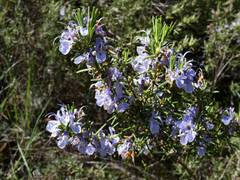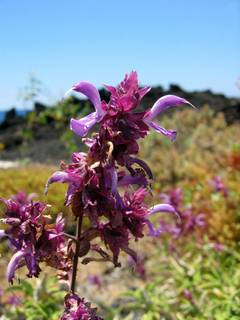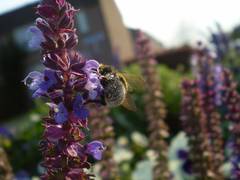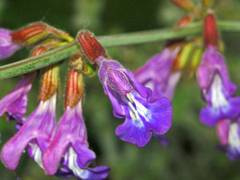
Salvia, Genus, nemorosa, Species, 'Caradonna', Cultivar,
- Genus & species
- Cultivar
Caradonna meadow sage
Garden selection; the species Salvia nemorosa is native to Europe and western Asia
Overview
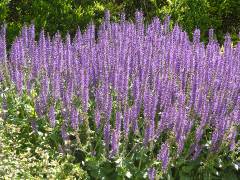
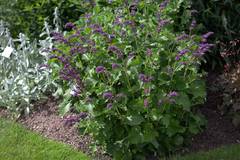
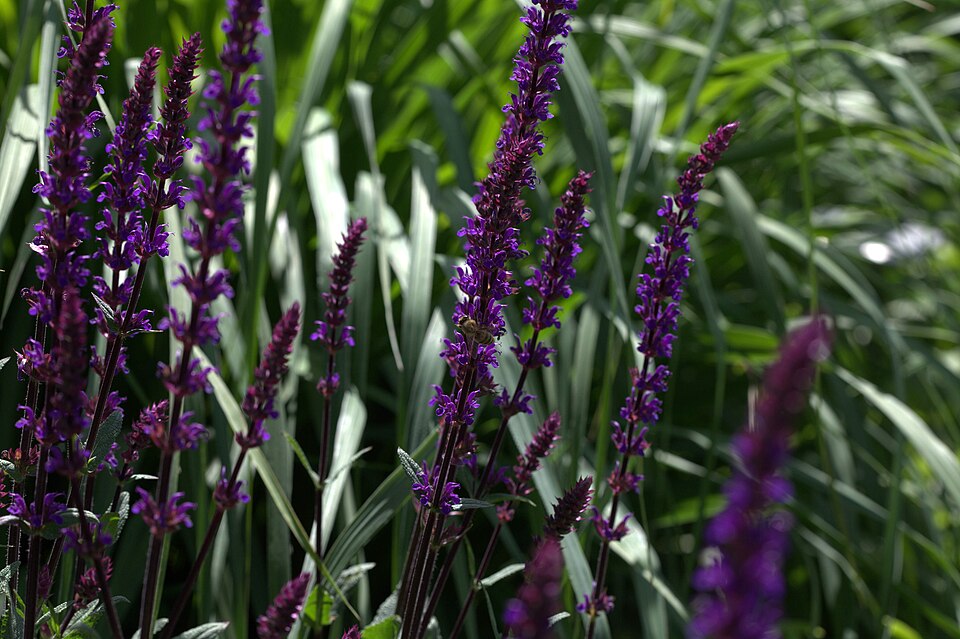
Salvia nemorosa 'Caradonna' is Caradonna meadow sage (dark-stemmed salvia), an upright perennial growing 18-24 inches (45-60 cm) tall and 18-24 inches (45-60 cm) wide. Narrow dense terminal spikes 8-12 inches (20-30 cm) of deep violet-purple tiny tubular 2-lipped flowers on dark purple-black stems. Medium green lance-shaped textured (rugose) aromatic foliage. Square stems. In the mint family (Lamiaceae). The dark purple-black stem color is the cultivar's defining trait — distinguishing 'Caradonna' from green-stemmed cultivars like 'May Night' (S. nemorosa 'May Night'). The narrow upright spikes are strongly vertical — the plant holds its form without staking. Six weeks of primary bloom (June-July) with a full second flush in September if sheared after the first flush. The dark stem color fades to brown in shade — requires full sun (6+ hours) for the darkest stems. Does not tolerate wet winter soil — crown rot in poorly drained clay is the primary limitation. Basal rosette is semi-evergreen. Deer-resistant. Drought-tolerant once established. Non-toxic. Zones 4-9. Full sun. Growth rate is moderate.
Native Range
Garden selection. The species S. nemorosa is native to Europe and western Asia.Suggested Uses
Grown in perennial borders (mid-border), mass plantings, and containers of at least 5 gallons (19 L). Dark purple-black stems for vertical accent. Rebloom with shearing. Pollinator garden. Deer-resistant. Drought-tolerant. Non-toxic. Zones 4-9.How to Identify
Appearance
Size & Dimensions
Height1'6" - 2'
Width/Spread1'6" - 2'
Bloom Information
Detailed Descriptions
Flower Description
Deep violet-purple, tiny tubular 2-lipped flowers in narrow dense terminal spikes 8-12 inches (20-30 cm) on dark purple-black stems — the dark stem color is the cultivar's defining traitFoliage Description
Medium green, lance-shaped, textured (rugose), aromatic, 2-4 inches (5-10 cm) long; the basal rosette is semi-evergreenGrowing Conditions
Sun Requirements
Requires 6-10 hours of direct sunlight daily
• Full Sun: 6+ hours of direct sunlight
• Partial Shade: 3-6 hours of direct sunlight
• Full Shade: Less than 3 hours of direct sunlight
Care & Maintenance
Care Guide
Full sun (6+ hours). Well-drained soil pH 6.0-7.5. Shear after the first flush (mid-July) for a second flush in September. Does not tolerate wet winter soil or clay (crown rot). The dark stem color fades in shade. Deer-resistant. Non-toxic. Zones 4-9.Pruning
Shear spent flower spikes back to the basal foliage after the first flush (mid-July) to trigger a second flush in September. Cut back to 3-4 inches (7-10 cm) in early spring if needed. Divide every 3-4 years in spring.Pruning Schedule
Prune: July–August
summer
Container Growing
Suitable for container growing
Minimum container size: 5 gallons