Salvia, Genus, ×, Hybrid, floriferior, Species,
- Genus & species
- Hybrid
Russian sage
Central and southwestern Asia (garden hybrid)
Overview
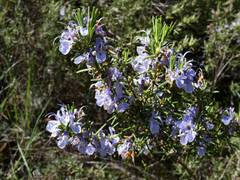
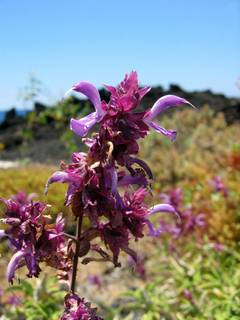
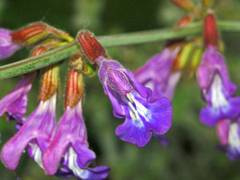
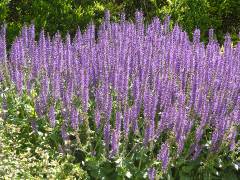
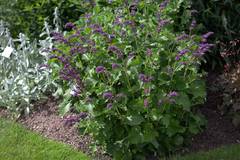
Salvia × floriferior, sold as Russian sage, is an aromatic deciduous subshrub in the mint family with silvery-gray stems and finely divided foliage. It forms an upright, open clump 2.5–4 feet (75–120 cm) tall and 2–3 feet (60–90 cm) wide, with square stems typical of the family. The gray-green leaves are 1–2 inches (2.5–5 cm) long, deeply cut, and release a sage-like scent when crushed. From midsummer into autumn the plant carries airy, branched panicles of small two-lipped blue to violet flowers held above the foliage on slender, pale stems. The overall effect is a haze of blue lasting many weeks. It grows in full sun on lean, fast-draining soil and tolerates heat, drought, and alkaline ground once established. In rich or moist soil the stems grow soft and flop, and in cold-winter areas the top growth dies back to a woody base each year. It is hardy to about USDA zone 4 and resprouts from the crown in spring. Plants spread slowly by suckers and self-seeding in open ground.
Native Range
Russian sage is grown as a garden hybrid and selection within Salvia, with parent species native to the dry steppes and rocky slopes of central and southwestern Asia, from Iran and Afghanistan to the Himalaya. It does not occur as a wild species under this hybrid name.Suggested Uses
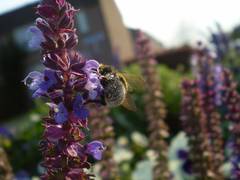
Used in dry borders, gravel and rock gardens, and water-conserving plantings, spaced 24–36 inches (60–90 cm) apart, and massed for a long-lasting blue haze. Combines with ornamental grasses, Echinacea, and sedums in full sun. The flowers draw bees and butterflies, and the aromatic foliage is usually left alone by deer and rabbits.How to Identify
Appearance
Size & Dimensions
Height2'6" - 4'
Width/Spread2' - 3'
Bloom Information
Flowering runs from July to September or October, lasting eight to twelve weeks. The small flowers open in sequence along branched spikes, so the plant stays in color over a long period. The pale calyces persist after the petals drop, extending the gray-blue effect into autumn.
Detailed Descriptions
Flower Description
blue to violetFoliage Description
gray-greenGrowing Conditions
Sun Requirements
Requires 6-12 hours of direct sunlight daily
• Full Sun: 6+ hours of direct sunlight
• Partial Shade: 3-6 hours of direct sunlight
• Full Shade: Less than 3 hours of direct sunlight
Care & Maintenance
Care Guide
Growth is strongest in full sun on lean, sharply drained soil, including sandy, gravelly, and alkaline ground. Established plants need little water and withstand drought, heat, and wind, while rich, moist, or shaded sites cause weak, floppy stems. No fertilizer is needed, as feeding worsens flopping. Cutting the woody stems back hard in late winter keeps the plant dense and upright. The crown is hardy to about USDA zone 4, resprouting from the base each spring. Good drainage in winter is the main factor in survival in cold regions.Pruning
Stems are cut back to 6–12 inches (15–30 cm) above the woody base in late winter or early spring before new growth begins. This hard renewal prevents a bare, sprawling base and keeps the plant upright. Light shearing after the first flush can prompt a second, lighter bloom.Pruning Schedule
Prune: February–March
early spring
Container Growing
Suitable for container growing
Minimum container size: 3 gallons