Salvia, Genus, ringens, Species,
- Genus & species
Ringens sage
Balkan Peninsula (Greece, Albania, North Macedonia, Serbia, Bulgaria)
Overview
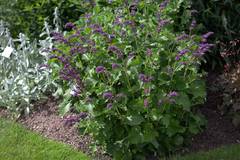
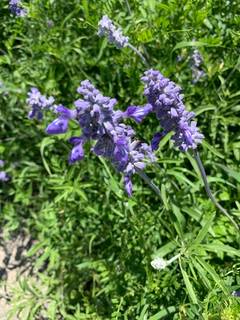
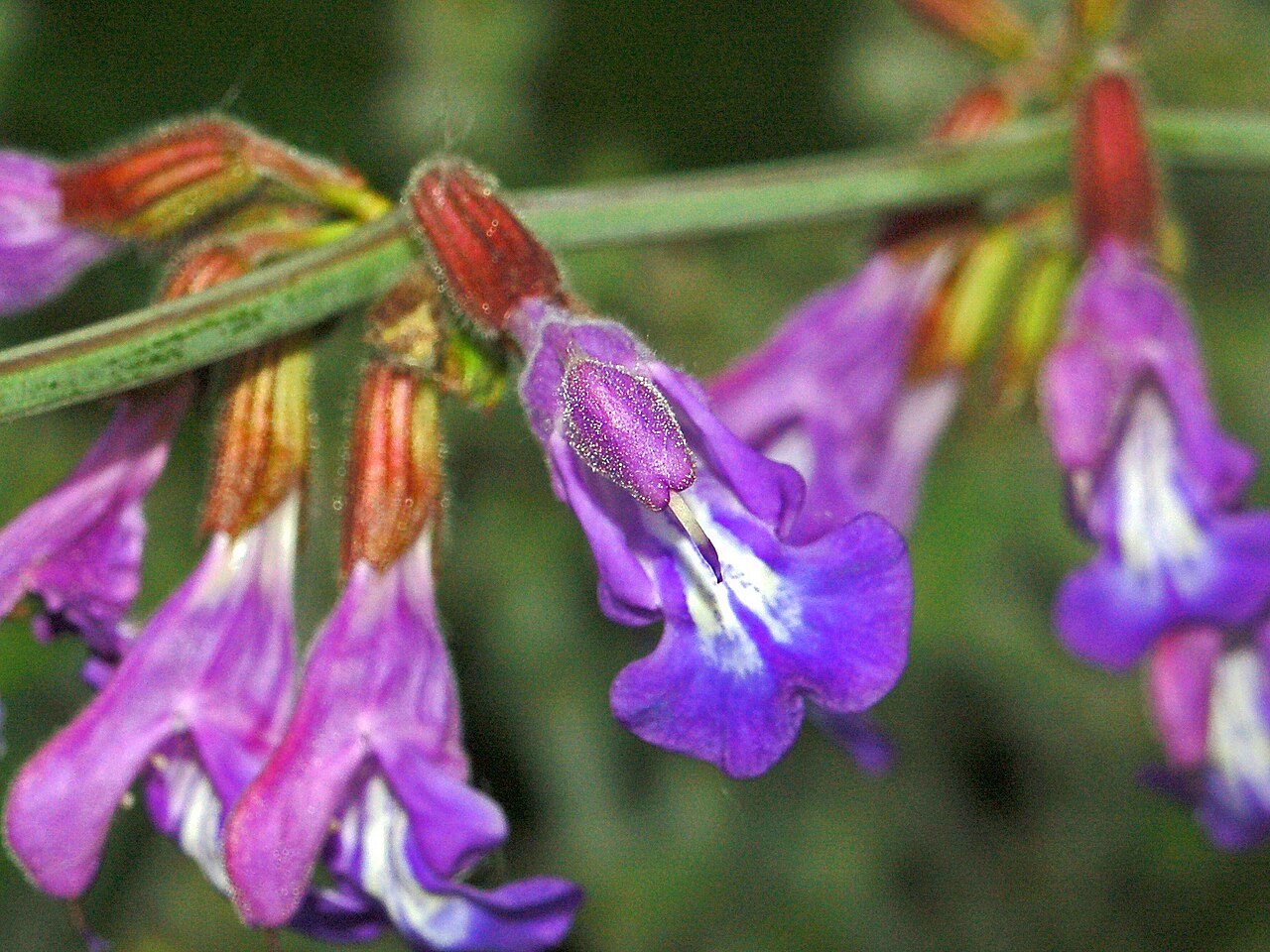
Salvia ringens is an evergreen perennial reaching 12–18 inches (30–45 cm) tall in flower and 18–24 inches (45–60 cm) wide, with a low spreading mat-forming habit built from a dense basal rosette of foliage. The specific epithet 'ringens' translates as 'gaping' or 'wide-open,' referring to the broadly opened two-lipped flower form that exposes the reproductive structures more than most Salvia species. Leaves are pinnately divided with 2–4 pairs of narrow lateral lobes and a larger terminal lobe, 3–5 inches (8–13 cm) long in total, grey-green, aromatic when crushed — the divided leaf form separates this species from the simple-leaved majority of cultivated salvias and produces a foliage texture closer to a small fern than to a typical sage. Whorled spikes of large two-lipped violet-blue to deep blue flowers 1–1.5 inches (2.5–4 cm) long rise on slender stems 18–24 inches (45–60 cm) above the foliage mat from May through July over a 6–8 week bloom window. Growth rate is slow; the mat reaches full mature spread in 3 growing seasons. Hardy to USDA zone 6. The species is adapted to dry, rocky, alkaline conditions in its native Balkan range and tolerates the same in cultivation — limestone-derived soils, pH above 7.0, and extended summer drought that kills most perennials are the growing conditions where this species thrives. Not known to be toxic to pets or humans.
Native Range
Salvia ringens is native to the Balkan Peninsula — Greece, Albania, North Macedonia, Serbia, and Bulgaria — occurring in dry rocky calcareous grasslands and garrigue shrubland at elevations of 300–4,000 feet (100–1,200 m).Suggested Uses
Used in rock gardens, gravel gardens, dry-garden plantings, Mediterranean-style plantings, alpine troughs (in their larger class), or chalk grassland restorations at 18–24 inch (45–60 cm) spacing. The mat-forming habit and pinnately divided grey-green foliage fit positions where a low textural foreground is wanted beneath taller Mediterranean shrubs such as Lavandula angustifolia, Perovskia atriplicifolia, or Cistus × purpureus. The slender flower stems rise above the mat in May–July and float the violet-blue flower display against the grey-green leaf background, giving a two-layer visual structure that simple mounding perennials cannot match. Alkaline-soil gardens on chalk or limestone bedrock fit the cultivar's native growing conditions and avoid the chlorosis and slow decline that acidic-soil positions cause over 2–3 seasons. The plant does not grow well in wet soils, heavy shade, rich amended garden loam, acidic soils below pH 6.0, or climates below USDA zone 6.How to Identify
Appearance
Size & Dimensions
Height1' - 1'6"
Width/Spread1'6" - 2'
Bloom Information
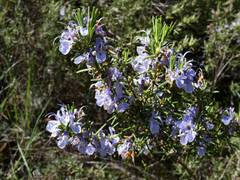
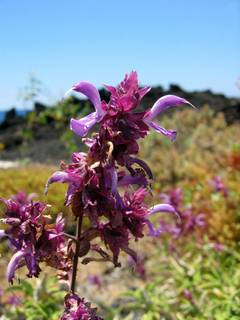
Whorled spikes of large two-lipped violet-blue to deep blue flowers 1–1.5 inches (2.5–4 cm) long with a widely gaping corolla appear on slender stems 18–24 inches (45–60 cm) above the foliage mat from May through July over a 6–8 week bloom window. The gaping flower form exposes the reproductive structures more than most Salvia species.
Detailed Descriptions
Flower Description
Violet-blue to deep blue; large two-lipped 1-1.5 inches with widely gaping corolla on whorled spikes; slender stems 18-24 inches above foliage mat; May-JulyFoliage Description
Grey-green; pinnately divided with 2-4 pairs of narrow lateral lobes and a larger terminal lobe, 3-5 inches long, aromatic when crushed; evergreen basal matGrowing Conditions
Sun Requirements
Requires 6-10 hours of direct sunlight daily
• Full Sun: 6+ hours of direct sunlight
• Partial Shade: 3-6 hours of direct sunlight
• Full Shade: Less than 3 hours of direct sunlight
Care & Maintenance
Care Guide
Grow in full sun with 6 or more hours of direct light in very well-drained lean alkaline sand, loam, chalk, or rocky soil at pH 6.5–8.5. The species originates on Balkan limestone substrates and carries calcicole tendencies — alkaline soils produce the strongest growth and flowering, while acidic soils below pH 6.0 slow growth and reduce flower count over successive seasons. Sharp drainage is the second cultural requirement — wet winter soils cause crown rot that kills plants over a single winter, so raised-bed positions, gravel-mulched surfaces, and naturally sloping sites with surface water runoff extend the cultivar's lifespan substantially. Lean soils keep the growth compact; amended rich garden soils push soft leafy growth at the expense of flowering. Water deeply once every 14–21 days during dry periods in the first growing season, then rely on natural rainfall during typical weather once established. Overfeeding with nitrogen fertilizers produces leggy floppy growth and reduces flower count, so the plant does not receive routine feeding in typical garden use. Hardy to USDA zone 6.Pruning
Remove spent flower stems at the base of the mat after bloom in August to tidy the planting for the second half of the growing season. The evergreen basal foliage mat needs no cutting back — the leaves carry through winter in USDA zones 7 and warmer and regenerate from the rosette center in spring. Divide clumps every 3–4 growing seasons in early spring (March) when the rosette center becomes crowded and outer leaves weaken; division produces fresh vigor and extends the planting's total lifespan.Pruning Schedule
Prune: July–August
summer
Container Growing
Suitable for container growing
Minimum container size: 2 gallons