Image 1 of 18
1 / 18
Plant Reference
Salvia, Genus, greggii, Species,
- Genus & species
autumn sage
Central and west Texas and northern Mexico (Coahuila, Nuevo León, Tamaulipas); rocky limestone hillsides and canyon scrub, 4,000-8,000 feet (1,200-2,400 m)
Overview
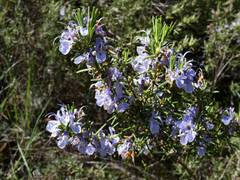
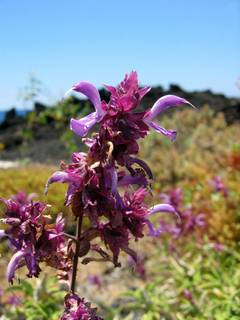
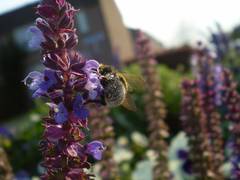
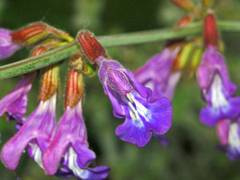
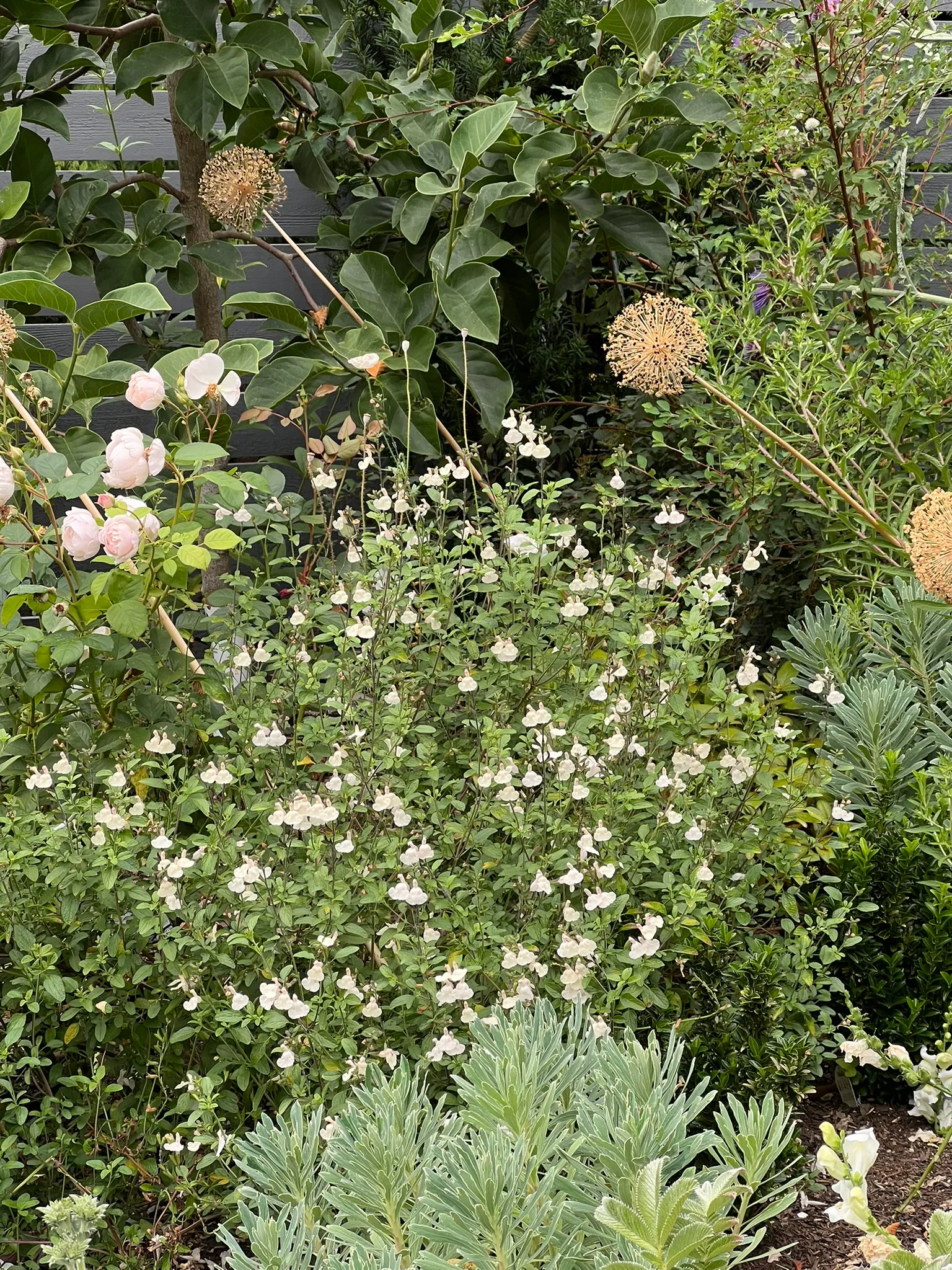
Salvia greggii is autumn sage (Gregg's sage), a semi-woody semi-evergreen subshrub growing 18-30 inches (45-75 cm) tall and wide. Scarlet-red tubular two-lipped flowers 0.75-1 inch (2-2.5 cm) in upright racemes — cultivars available in pink, salmon, coral, cherry red, white, and bicolors. In hot climates, bloom peaks in spring (April-June) and fall (September-November) with reduced midsummer flowering. In cool-summer climates, bloom is nearly continuous May-October. Small oval to elliptic dark green leathery strongly aromatic leaves 0.5-1 inch (1.5-2.5 cm) on semi-woody stems. In the mint family (Lamiaceae). Named after Josiah Gregg (1806-1850), American trader, explorer, and naturalist. The tubular flowers are intensely hummingbird-visited. Shear back by one-half to two-thirds in early spring — the annual cutback produces compact floriferous growth. Intolerant of wet heavy soil: root rot and crown rot in poorly drained winter conditions. Lean alkaline soil (pH to 8.0). In zone 6, plant against a warm south- or west-facing wall and mulch the crown. Native to rocky limestone hillsides and canyon scrub of central and west Texas and northern Mexico at 4,000-8,000 feet (1,200-2,400 m). Non-toxic. Deer-resistant (aromatic). Drought-tolerant. Full sun. Native. Zones 6-9. Growth rate is moderate to fast.
Native Range
Native to central and west Texas and northern Mexico (Coahuila, Nuevo León, Tamaulipas), growing on rocky limestone hillsides and canyon scrub at 4,000-8,000 feet (1,200-2,400 m).Suggested Uses
Planted in borders, rock gardens, hummingbird gardens, and containers of at least 5 gallons (19 L) in zones 6-9. Nearly continuous bloom in cool-summer climates. Lean alkaline soil. Hummingbird-visited. Non-toxic. Deer-resistant. Native.How to Identify
Appearance
Size & Dimensions
Height1'6" - 2'6"
Width/Spread1'6" - 2'6"
Bloom Information
Spring to fall — peaks in spring (April-June) and fall (September-November) in hot climates; nearly continuous May-October in cool summers. Scarlet-red tubular flowers. Hummingbird-visited. Shear in early spring for floriferous growth.
Detailed Descriptions
Flower Description
Scarlet-red (species type); cultivars in pink, salmon, coral, cherry red, white, and bicolors; tubular two-lipped, 0.75-1 inch (2-2.5 cm), in upright racemesFoliage Description
Small, oval to elliptic, dark green, leathery, strongly aromatic, 0.5-1 inch (1.5-2.5 cm); semi-woody stemsGrowing Conditions
Sun Requirements
Requires 6-10 hours of direct sunlight daily
• Full Sun: 6+ hours of direct sunlight
• Partial Shade: 3-6 hours of direct sunlight
• Full Shade: Less than 3 hours of direct sunlight
Care & Maintenance
Care Guide
Full sun. Lean sharply drained alkaline soil (pH to 8.0). Root rot in wet winter soil. Shear by one-half to two-thirds in early spring (annual cutback). In zone 6, plant against a warm wall and mulch. Hummingbird-visited. Non-toxic. Deer-resistant. Drought-tolerant. Native. Zones 6-9.Pruning
Shear all stems by one-half to two-thirds in early spring (March-April) before new growth — the annual cutback. Optional light midsummer shear for a stronger fall flush. Remove winter-killed stems to the crown. The semi-woody stems may die back partially in zone 6-7 winters.Pruning Schedule
Prune: March–April
early spring
Container Growing
Suitable for container growing
Minimum container size: 5 gallons