Image 1 of 5
1 / 5
Plant Reference
Salvia, Genus, rosmarinus, Species,
- Genus & species
rosemary
Mediterranean Basin — Portugal to Turkey, including North Africa
Overview
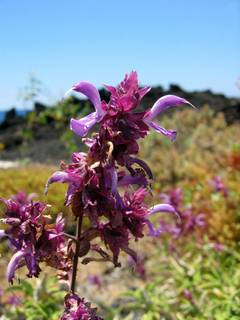
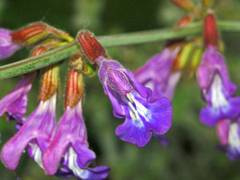
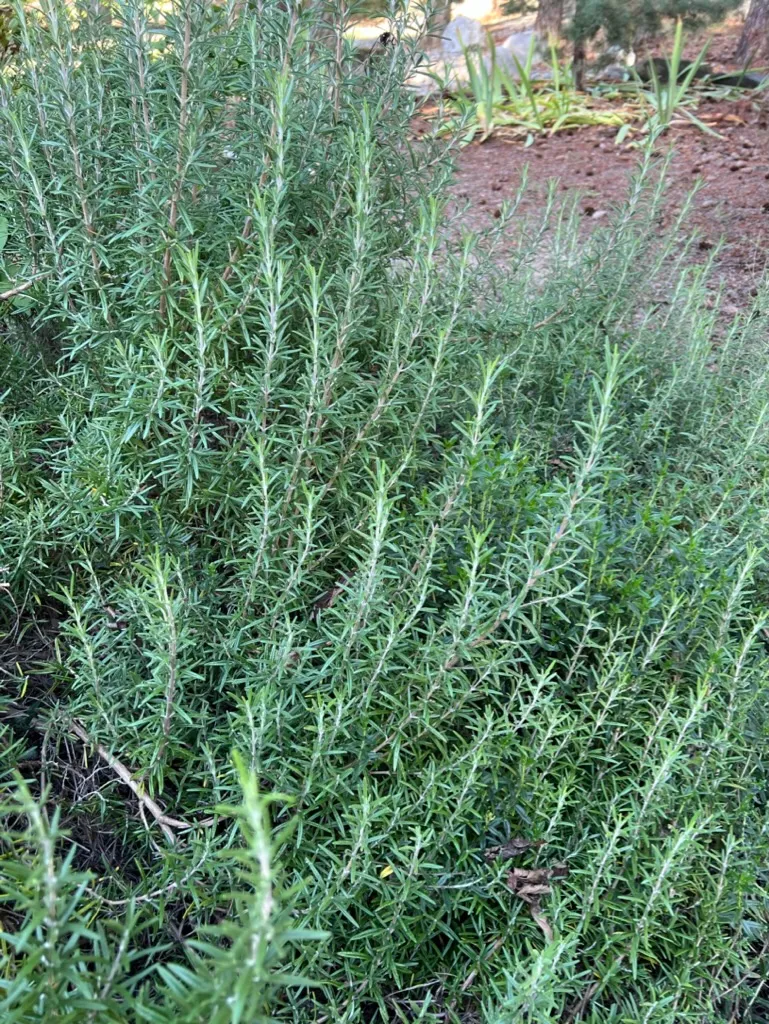
Salvia rosmarinus is an upright evergreen shrub growing 3-5 feet (90-150 cm) tall and 3-4 feet (90-120 cm) wide over 3-4 years. Pale blue to deep violet-blue 2-lipped flowers, 0.5 inch (1.3 cm), appear in whorled clusters along the upper stems in March-May, with a secondary flush September-November in mild climates, totaling about 6 weeks of bloom. Leaves are strongly aromatic, dark green above with a white-tomentose underside, linear and needle-like, 0.5-1.5 inches (1.3-4 cm) long and 0.1 inch (2-3 mm) wide, with revolute margins. Native to dry rocky slopes, coastal cliffs, and maquis scrubland of the Mediterranean Basin. The species was reclassified from Rosmarinus officinalis to Salvia rosmarinus in 2017 based on molecular phylogenetic data. Widely cultivated as a culinary herb in Mediterranean cuisines. Tolerates salt spray, heat, drought, and alkaline soil once established. Root rot in wet winter soil is the principal cause of plant death; sharp drainage is essential. Hard cuts into old bare wood do not regenerate. Hardy to about 10°F (-12°C), corresponding to zone 7. Deer-resistant. Non-toxic.
Native Range
Native to the Mediterranean Basin from Portugal east to Turkey, including North Africa. Found on dry rocky slopes, coastal cliffs, and maquis scrubland.Suggested Uses
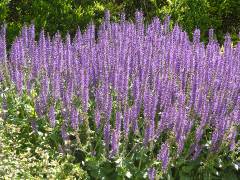
Grown in herb gardens, Mediterranean-climate plantings, as a low informal hedge, and in containers of at least 5 gallons (19 L) with sharply drained mix, spaced 3-4 feet (90-120 cm) apart. Tolerates coastal exposure and alkaline soil. Not adapted to wet winter soils or heavy shade. Hardy in zones 7-10.How to Identify
Appearance
Size & Dimensions
Height3' - 5'
Width/Spread3' - 4'
Bloom Information
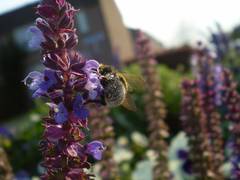
Spring to early summer (March-May), with a secondary flush September-November in mild climates. Pale blue to deep violet-blue 2-lipped flowers, 0.5 inch (1.3 cm), in whorled clusters along upper stems. Total bloom is about 6 weeks across both flushes. Bee- and butterfly-visited.
Detailed Descriptions
Flower Description
pale blue to deep violet-blue, 2-lipped, 0.5 inch (1.3 cm), in whorled clusters along upper stems; March-May with a secondary flush September-November in mild climatesFoliage Description
dark green above, white-tomentose beneath, linear (needle-like), 0.5-1.5 inches (1.3-4 cm) long and 0.1 inch (2-3 mm) wide, with revolute (rolled-under) margins; strongly aromatic with pine-camphor-mint scent; evergreen year-roundGrowing Conditions
Sun Requirements
Requires 6-12 hours of direct sunlight daily
• Full Sun: 6+ hours of direct sunlight
• Partial Shade: 3-6 hours of direct sunlight
• Full Shade: Less than 3 hours of direct sunlight
Care & Maintenance
Care Guide
Site in full sun (6-12 hours direct sun) in well-drained sandy, chalky, or rocky soil with a pH of 6.0-8.0; sharp drainage is essential because root rot in wet winter soil causes plant death. Drought-tolerant once established and tolerates salt spray and alkaline soil. Hard cuts into old bare wood do not regenerate; pruning is restricted to green leafy growth. Hardy to about 10°F (-12°C). The foliage is the culinary herb rosemary. Deer-resistant. Non-toxic. Hardy in zones 7-10.Pruning
Prune after the spring flowering flush in May-June to shape and maintain compact form, cutting only into green leafy wood; old bare wood does not regenerate from hard cuts. Harvest culinary tips throughout the growing season — light tip-pinching encourages bushier growth.Pruning Schedule
Prune: May–June
late spring
Container Growing
Suitable for container growing
Minimum container size: 5 gallons