Salvia, Genus, coccinea, Species,
- Genus & species
tropical sage
Southern United States, Mexico, and tropical America
Overview
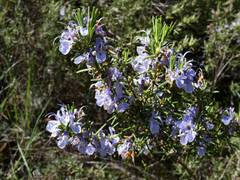
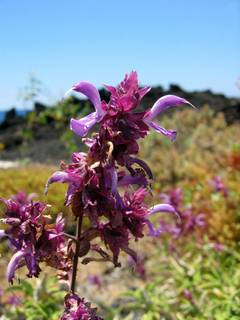
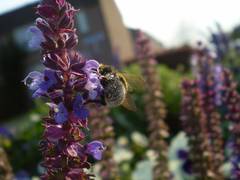
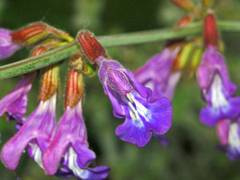
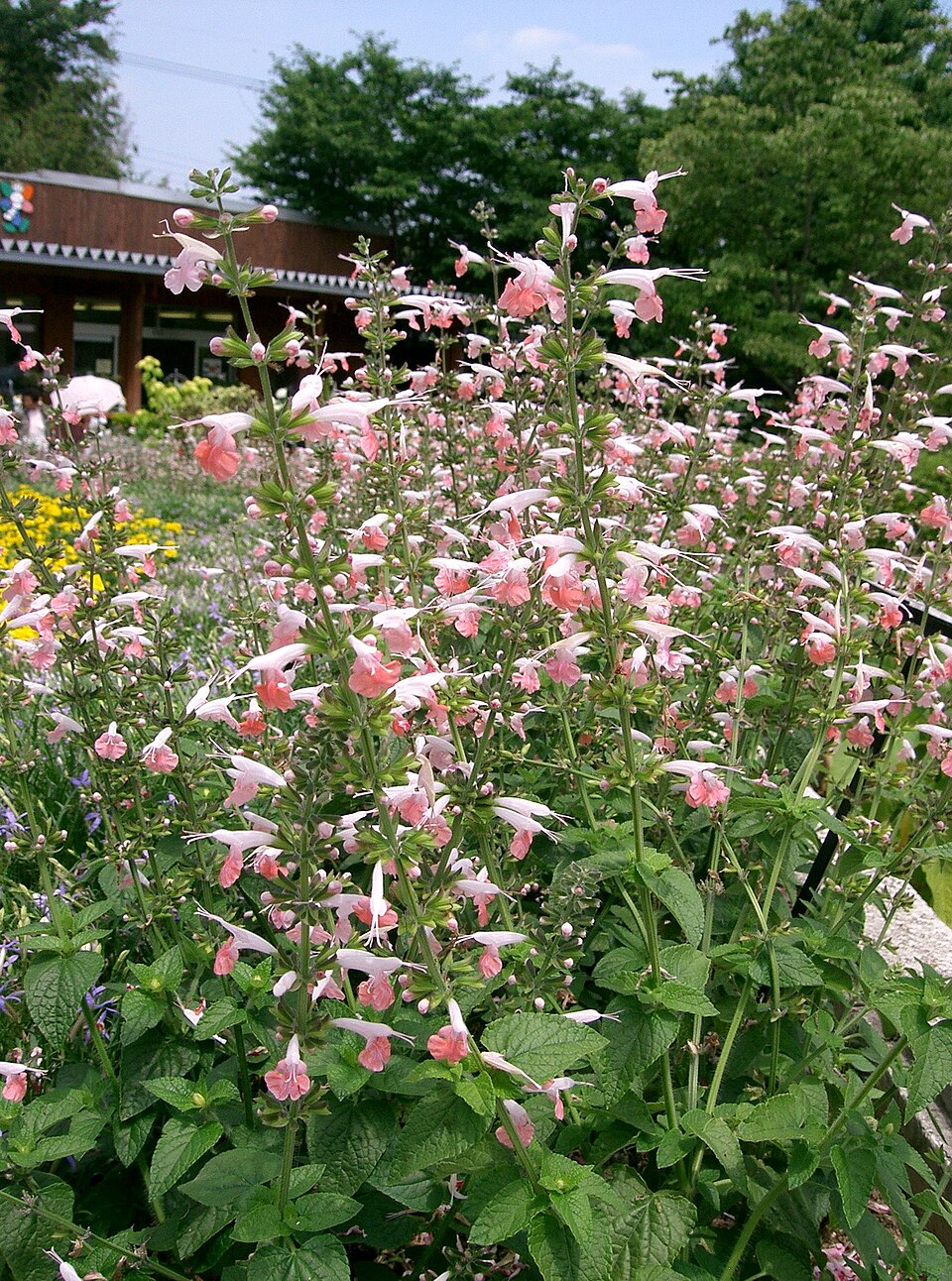
Salvia coccinea is a short-lived, upright perennial in the mint family, usually grown as a 1-3 foot (30-90 cm) tall bedding plant and treated as an annual in cold climates. The square stems carry opposite, triangular to heart-shaped leaves 1-3 inches (2.5-8 cm) long, soft, hairy, and toothed, on a loose, branching frame. From late spring until frost it produces upright spikes of tubular two-lipped flowers about 1 inch (2.5 cm) long, arranged in whorls; the wild form is scarlet red, while cultivated strains add coral, pink, salmon, and white. Each flower opens for a few days and is followed by small nutlets. It grows in sandy, open ground, woodland edges, and disturbed sites, and self-sows freely where the soil stays bare. The flowers draw hummingbirds and butterflies, though the soft growth is frost-tender and the plant is short-lived, persisting mainly by reseeding.
Native Range
Native to the southern United States, Mexico, Central America, the Caribbean, and tropical South America. In the United States it occurs naturally from South Carolina to Florida and west to Texas, growing in sandy soils, pine woods, and clearings.Suggested Uses
Used in pollinator and hummingbird gardens, mixed borders, cottage plantings, and containers as a long-blooming warm-season filler. It also naturalizes in informal beds, where its reseeding fills gaps.How to Identify
Appearance
Size & Dimensions
Height1' - 3'
Width/Spread1' - 2'
Bloom Information
Bloom begins in late spring and continues until the first hard frost, often May through October or year-round in frost-free areas. The tubular flowers open a few at a time along each spike over a long season. Removing spent spikes extends flowering and limits self-seeding.
Detailed Descriptions
Flower Description
scarlet red, with coral, pink, salmon, and white in cultivarsFoliage Description
greenGrowing Conditions
Sun Requirements
Requires 6-10 hours of direct sunlight daily
• Full Sun: 6+ hours of direct sunlight
• Partial Shade: 3-6 hours of direct sunlight
• Full Shade: Less than 3 hours of direct sunlight
Care & Maintenance
Care Guide
Grows in full sun to part shade on light, well-drained sandy or loamy soils of average fertility, and tolerates heat and short dry spells once established. It is a tender perennial hardy in USDA zones 8-11 and is grown as a warm-season annual in colder zones, where frost kills the top growth. Even moisture during establishment supports steady bloom, while soggy soils and deep shade cause weak, floppy stems and fewer flowers. It self-sows readily and may spread in mild climates. Light feeding and occasional shearing keep plants compact and flowering. Spider mites and whiteflies can appear in hot, dry, sheltered spots.Pruning
Shearing plants back by a third in midsummer renews growth and prompts a fresh flush of bloom. Deadheading spent spikes through the season prolongs flowering and curbs heavy self-seeding. Frost-killed stems can be cut to the ground in winter where the plant is perennial.Container Growing
Suitable for container growing
Minimum container size: 2 gallons