Salvia, Genus, canariensis, Species,
- Genus & species
canary island sage
Canary Islands, volcanic archipelago off the northwest coast of Africa.
Overview
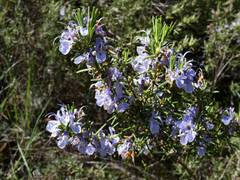
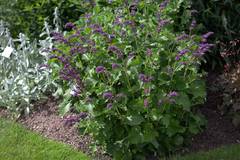
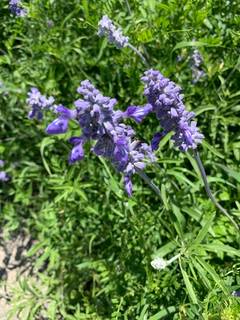
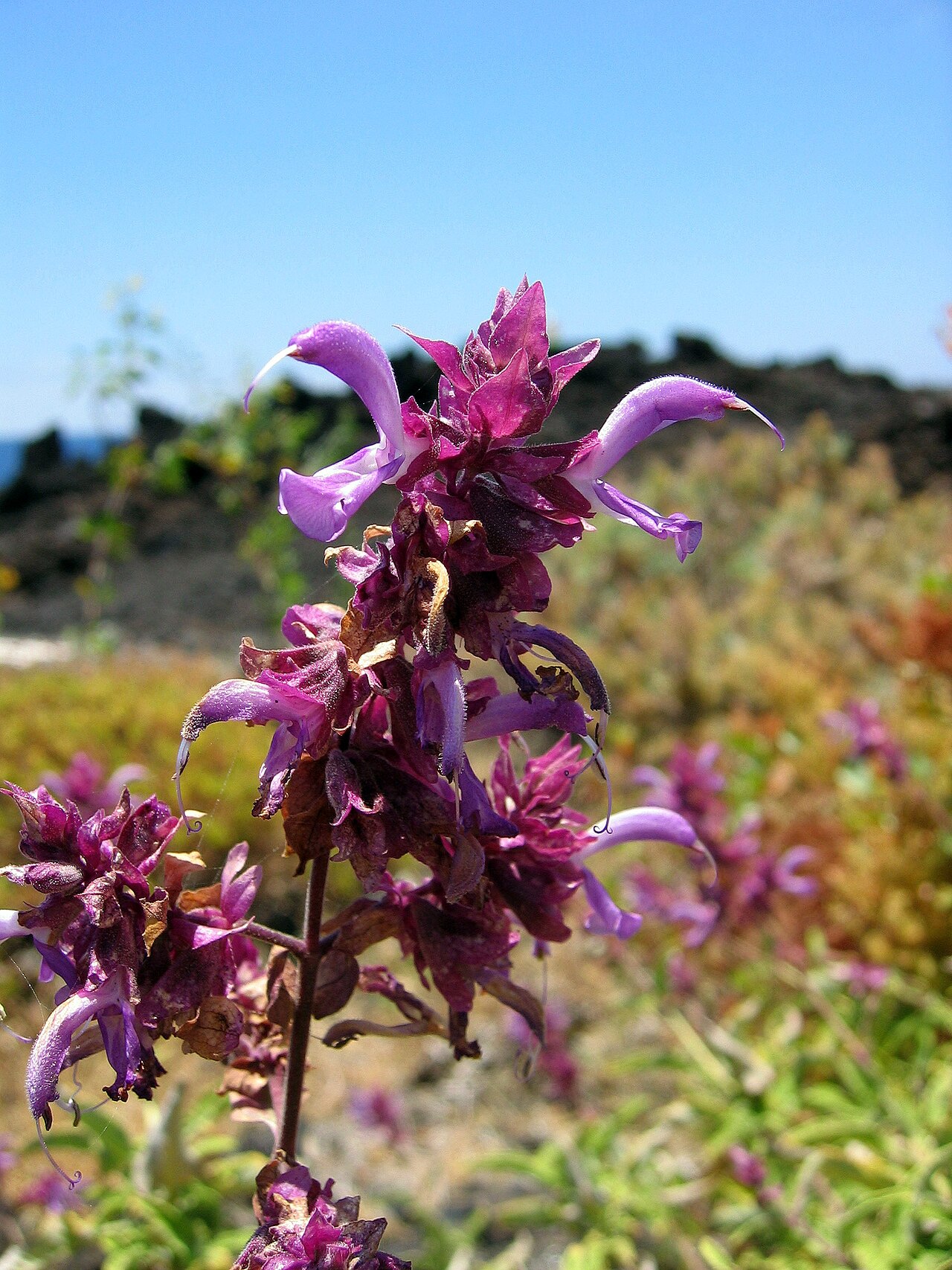
Salvia canariensis is a semi-evergreen to evergreen subshrub reaching 4-6 feet (1.2-1.8 m) tall with a spread of 3-5 feet (0.9-1.5 m), developing an upright, open, branching habit with semi-woody stems. Leaves are arrow-shaped (hastate), 3-6 inches (8-15 cm) long, grey-green above and densely white-woolly beneath, with a sage scent when crushed. Whorled spikes carry two-lipped rose-lavender to mauve-pink flowers 1-1.5 inches (2.5-4 cm) long; each flower emerges from a pinkish-purple calyx that persists on the spike for 2-4 weeks after the petals drop, extending the period of visible color. Flowers appear April through July, with peak bloom in May-June. Growth rate is fast, with plants reaching flowering size within the first full growing season from a rooted cutting. Hardy to USDA zone 8 (10°F / -12°C); freeze damage occurs below 20°F (-7°C) and plants are generally killed below 10°F (-12°C). Plants are short-lived in cultivation, commonly persisting 3-5 years before requiring replacement. Stems become bare at the base with age unless cut back hard in late winter.
Native Range
Salvia canariensis is native to the Canary Islands, a volcanic archipelago off the northwest coast of Africa. It grows on dry, rocky scrub slopes and in open forest margins at elevations of 300-3,000 feet (100-1,000 m).Suggested Uses
Planted in Mediterranean-style gardens, dry borders, gravel gardens, and large containers of 5 gallons (19 L) or more at 3-4 foot (0.9-1.2 m) spacing. The arrow-shaped silver-backed foliage and long bloom period make it a structural element in drought-tolerant plantings. The tender constitution limits outdoor use to USDA zones 8-10; in zones 6-7, plants can be grown as container specimens moved indoors for winter. Not grown in wet soils, heavy clay, or shaded sites, where bloom and foliage density decline rapidly.How to Identify
Appearance
Size & Dimensions
Height4' - 6'
Width/Spread3' - 5'
Bloom Information
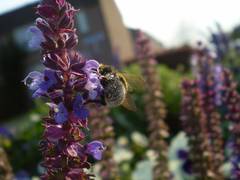
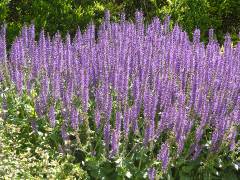
Whorled spikes of rose-lavender to mauve-pink two-lipped flowers 1-1.5 inches (2.5-4 cm) long appear April through July, with peak bloom in May-June. Individual flowers last 4-7 days. The pinkish-purple calyces persist on the spike for 2-4 weeks after the petals drop, extending the visible color display into August in cooler maritime summers.
Detailed Descriptions
Flower Description
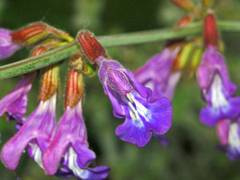
Rose-lavender to mauve-pink two-lipped flowers 1-1.5 inches (2.5-4 cm); carried in whorled spikes above persistent pinkish-purple calyces; April-JulyFoliage Description
Grey-green above and densely white-woolly beneath; arrow-shaped (hastate); 3-6 inches (8-15 cm) long; aromaticGrowing Conditions
Sun Requirements
Requires 6-10 hours of direct sunlight daily
• Full Sun: 6+ hours of direct sunlight
• Partial Shade: 3-6 hours of direct sunlight
• Full Shade: Less than 3 hours of direct sunlight
Care & Maintenance
Care Guide
Plants grow in full sun in lean, sharply drained soil with a pH of 6.0-8.0. Hardy to USDA zone 8 (10°F / -12°C); stems die back below 20°F (-7°C). In heavy or poorly drained soil, crown rot develops within one or two wet winters. Drought tolerant once established; supplemental water during the first growing season supports establishment. Plants are short-lived at 3-5 years in cultivation. Self-sown seedlings appear near the parent plant in open, gravelly soil and can be left in place or relocated while small.Pruning
Cut stems back by one-half to two-thirds in late winter or early spring before new growth begins; without this annual cutback, plants develop a leggy, open base with bare semi-woody stems. Do not cut into old bare wood, as regrowth from leafless stems is erratic. A second light trim after the main bloom period in July can produce a smaller autumn flush.Pruning Schedule
Prune: February–March
early spring
Container Growing
Suitable for container growing
Minimum container size: 5 gallons