Salvia, Genus, nemorosa, Species, 'Blue Hill', Cultivar,
- Genus & species
- Cultivar
blue hill meadow sage
Garden selection; species native to Europe and western Asia
Overview
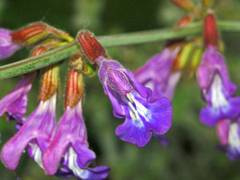
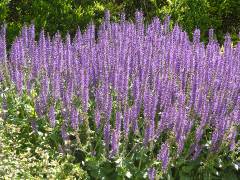
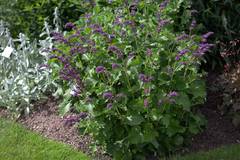
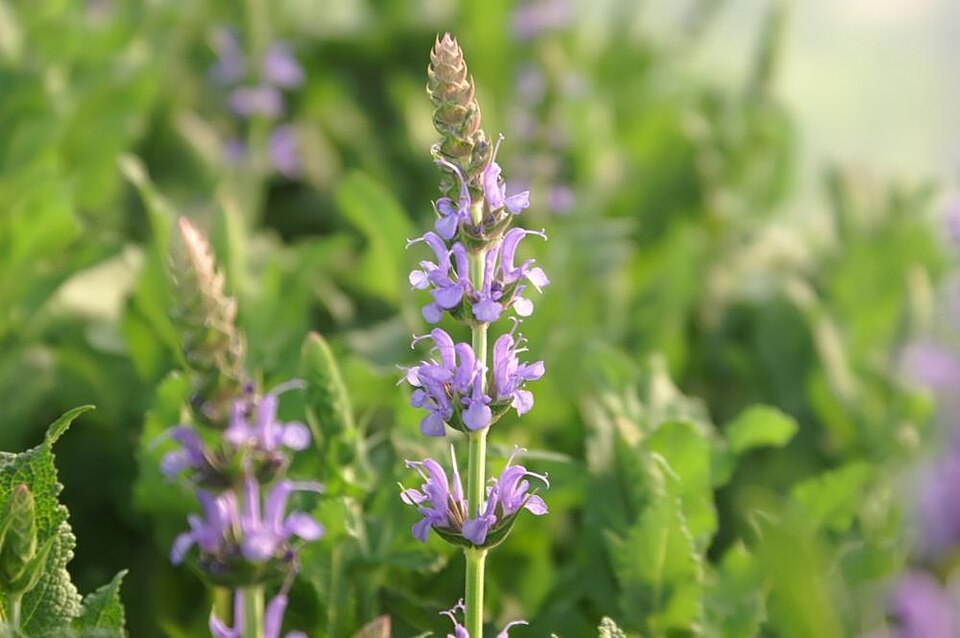
Salvia nemorosa 'Blue Hill' (syn. 'Blauhügel') is a meadow sage selected for its true medium blue flower color, growing 18-24 inches (45-60 cm) tall and wide. Dense terminal spikes of true blue flowers with green calyces appear from June through July, with a strong fall rebloom in September after shearing. The color distinction of 'Blue Hill' is significant: most S. nemorosa cultivars bloom in violet-purple tones (like 'Caradonna' and 'East Friesland'), while 'Blue Hill' produces a genuine medium blue, the closest to true blue in the species. The green calyces (not dark purple) contribute to the cleaner blue effect; dark calyces would shift the visual impression toward purple. Cutting back by one-half to two-thirds after the June-July bloom promotes a reliable September rebloom. Medium green lance-shaped textured aromatic leaves on square stems. Lean well-drained soil in full sun is essential. In wet or rich conditions, the plant flops. Deer avoid the aromatic foliage. Pairs with yellow and orange companions for blue-and-gold combinations.
Native Range
The species Salvia nemorosa is native to Europe and western Asia. 'Blue Hill' (syn. 'Blauhügel') is a German garden selection for true blue flower color.Suggested Uses
Used in perennial borders, mass plantings, and pollinator gardens. The true blue color pairs with yellow (Coreopsis, Rudbeckia) for blue-and-gold combinations. 'Blue Hill' is the meadow sage choice when true blue is needed; 'Caradonna' or 'East Friesland' suit violet-purple plantings.How to Identify
Appearance
Size & Dimensions
Height1'6" - 2'
Width/Spread1'6" - 2'
Bloom Information
Detailed Descriptions
Flower Description
True medium blue; in dense terminal spikes with green calycesFoliage Description
Medium green; lance-shaped; textured; aromaticGrowing Conditions
Sun Requirements
Requires 6-10 hours of direct sunlight daily
• Full Sun: 6+ hours of direct sunlight
• Partial Shade: 3-6 hours of direct sunlight
• Full Shade: Less than 3 hours of direct sunlight
Care & Maintenance
Care Guide
Sited in full sun with at least 6 hours. Lean well-drained soil. Heavy fertilization is not used. Cut back by one-half to two-thirds after the June-July bloom to promote fall rebloom. Divided every 3-4 years.Pruning
Cut back by one-half to two-thirds after the main bloom. This is the central maintenance task for meadow sage; it promotes fall rebloom and prevents the plant from becoming leggy.Pruning Schedule
Prune: July–August
summer
Container Growing
Suitable for container growing
Minimum container size: 5 gallons