Image 1 of 3
1 / 3
Plant Reference
Salvia, Genus, ×, Hybrid, sylvestris, Species, 'Caradonna', Cultivar,
- Genus & species
- Hybrid
- Cultivar
caradonna sage
Garden hybrid ({S. nemorosa} × {S. pratensis}); parent species from central/eastern Europe and western Asia ({S. nemorosa}) and western/central Europe ({S. pratensis})
Overview
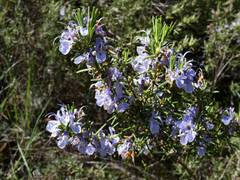
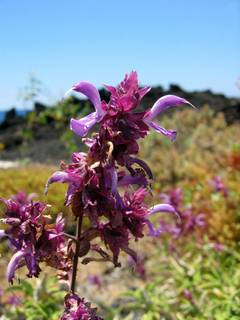
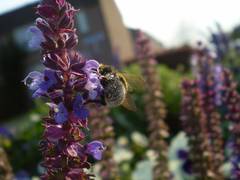
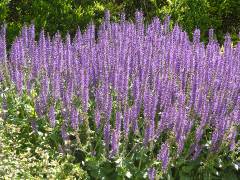
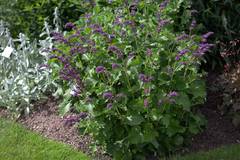
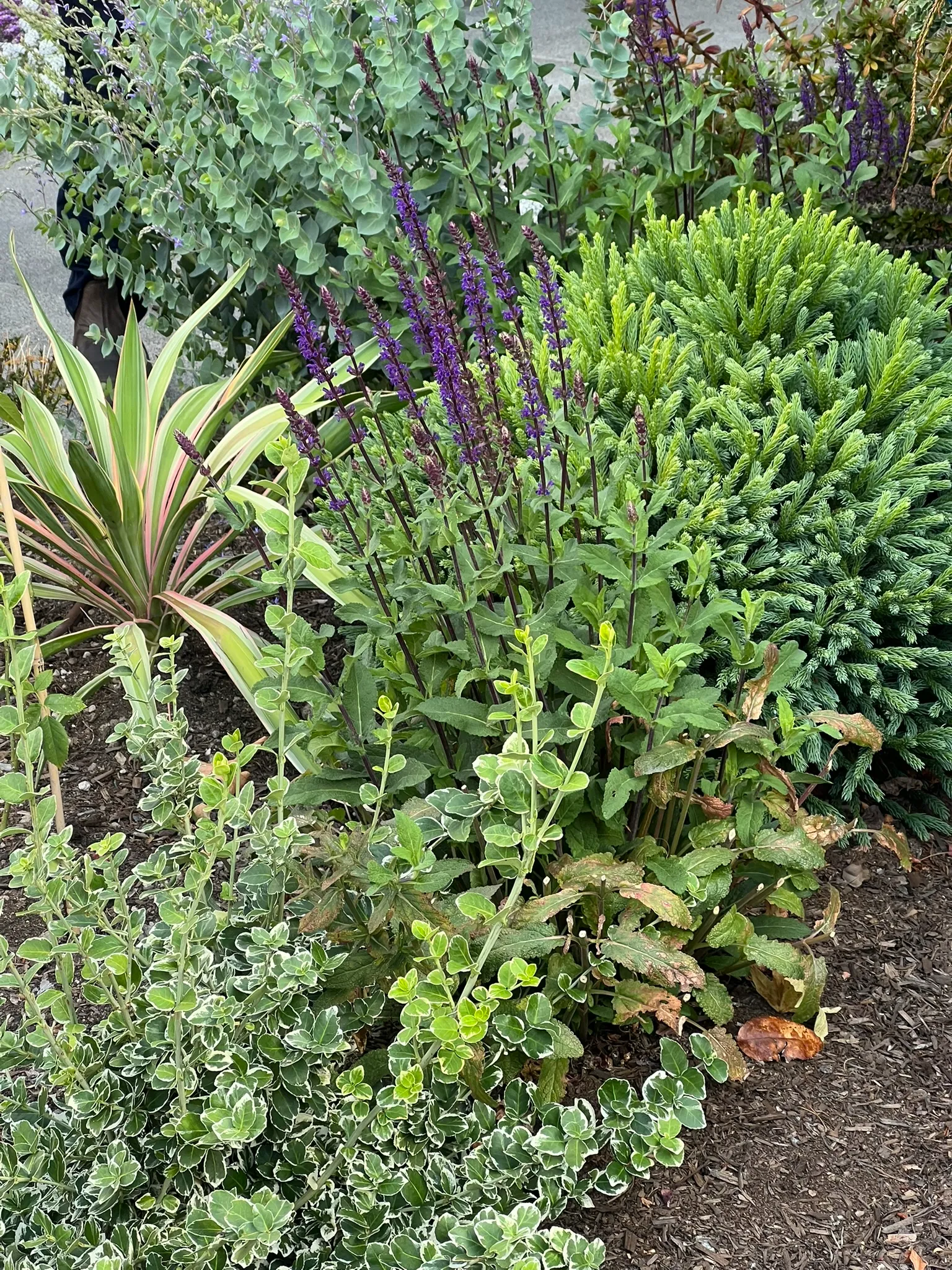
Salvia × sylvestris 'Caradonna' is a clump-forming herbaceous perennial in the mint family (Lamiaceae), a cultivar of the hybrid Salvia × sylvestris (S. nemorosa × S. pratensis) selected and named in Germany. 'Caradonna' forms upright well-branched clumps 18–24 inches (45–60 cm) tall carrying opposite wrinkled lance-shaped strongly aromatic gray-green leaves 1.5–3 inches (4–8 cm) long on near-black to deep purple-black stems — the stem color is substantially darker than the green stems of other Salvia × sylvestris cultivars and is the cultivar's identifying feature. From late May through July, the black stems are topped with dense erect spikes 8–12 inches (20–30 cm) long of small deep violet-blue two-lipped flowers 0.5 inch (1.5 cm) long held in violet-purple calyces that persist after the petals drop, extending the visual period by 2–3 weeks beyond actual bloom. Cutting the clump back by one-half after the first bloom flush produces a reliable second flush in late summer. Hardy in USDA zones 4–8 with sharp winter drainage. The cultivar holds an RHS Award of Garden Merit. Non-toxic.
Native Range
Salvia × sylvestris is a garden hybrid; the parent species S. nemorosa is native to central and eastern Europe and western Asia (meadows, dry grasslands, roadsides), and S. pratensis is native to western and central Europe (dry limestone grasslands and meadows).Suggested Uses
Planted in mixed perennial borders, formal gardens, and cutting gardens at 18–24 inch (45–60 cm) spacing in USDA zones 4–8. The near-black stems combine with silver-leaved companions such as Stachys byzantina or Artemisia 'Powis Castle', pale yellow-flowered Achillea 'Moonshine', or white-flowered roses where the dark stem color anchors a high-contrast planting. The cultivar is a reliable hardy perennial salvia for the Pacific Northwest and similar cool-summer temperate regions. Cut flowers last 5–7 days in water, and the violet calyces dry well for preserved arrangements.How to Identify
Appearance
Size & Dimensions
Height1'6" - 2'
Width/Spread1'6" - 2'
Bloom Information
Blooms late May through July (primary flush, 5–7 weeks), with a reliable second flush in August and September after cutting back. Persistent violet calyces extend the visual period by 2–3 weeks beyond bloom. In the Pacific Northwest, the primary flush is typically mid-May through late June with a second flush peaking in August. The dark stems remain visually present throughout the growing season.
Detailed Descriptions
Flower Description
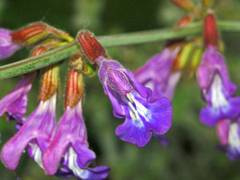
Deep violet-blue; small two-lipped 0.5 inch (1.5 cm); in persistent violet-purple calyces on dense erect spikes 8–12 inches (20–30 cm) long on near-black stemsFoliage Description
Gray-green, wrinkled, lance-shaped, strongly aromatic; stems near-black to deep purple-black — the cultivar's identification featureGrowing Conditions
Sun Requirements
Requires 5-8 hours of direct sunlight daily
• Full Sun: 6+ hours of direct sunlight
• Partial Shade: 3-6 hours of direct sunlight
• Full Shade: Less than 3 hours of direct sunlight
Care & Maintenance
Care Guide
Plant in full sun to light partial shade in average to lean well-drained loam, clay, sandy, or chalky soil at pH 5.5–7.5. Hardy in USDA zones 4–8. The cultivar tolerates clay and average garden soils better than most hardy salvias. Cutting the clump back by one-half to two-thirds immediately after the first bloom flush (typically late June to July) is the key maintenance task — it stimulates a vigorous second flush in August and September and prevents sprawling in the second half of the season. Division every 3–4 years in early spring manages the woody clump center. Staking is not needed; the near-black stems are sturdy. Sharp winter drainage is required in USDA zones 4–5, where crown rot in saturated winter soils is the main cause of plant loss.Pruning
Cut all stems back by one-half to two-thirds immediately after the first bloom flush — this is the critical maintenance task and triggers the August–September second flush. Cut to the ground in late fall or early spring. The Chelsea Chop option (cutting back by one-third in late May) delays and staggers bloom for gardeners who want to spread the display. Division every 3–4 years in early spring; replant outer sections at 18–24 inch (45–60 cm) spacing and discard the woody clump center.Pruning Schedule
Prune: March & July
summerearly spring