Salvia, Genus, fulgens, Species,
- Genus & species
cardinal sage
Central Mexico (Michoacán, México, Jalisco, Guerrero) at 6,500-10,000 feet (2,000-3,000 m)
Overview
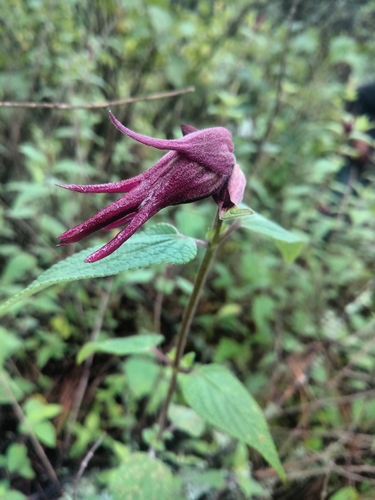
Salvia fulgens is a semi-woody, shrubby perennial in the mint family (Lamiaceae) reaching 24-36 inches (60-90 cm) tall and 18-24 inches (45-60 cm) wide with an upright, branching habit. Stems are square in cross-section (the standard mint family form), softly hairy, woody at the base and herbaceous above. Leaves are opposite, ovate, 2-4 inches (5-10 cm) long with a velvety texture, bright green above and paler beneath, with a scalloped margin and a faint sage-like scent when crushed. Flowers are tubular, 1.5-2 inches (4-5 cm) long, bright scarlet-red with a hooded upper lip and a projecting lower lip, borne in whorled racemes of 4-8 flowers at the stem tips. The vivid red colour and tubular shape match the bill length of rufous and Anna's hummingbirds in the Pacific Northwest, which are the species' primary pollinators. Bloom is heavy from midsummer through the first frost. The species is native to montane pine-oak forests of central Mexico at elevations of 6,500-10,000 feet (2,000-3,000 m). Plants are root-hardy to approximately 20°F (-7°C) when the crown is well-mulched and soil drains freely. Top growth is killed by frost but the rootstock resprouts in spring in USDA zones 8-9. In colder zones, the species is grown as an annual or overwintered in a frost-free greenhouse. Susceptible to whitefly and spider mites under glass, and to root rot in waterlogged winter soil.
Native Range
Salvia fulgens is native to the mountains of central Mexico, in the states of Michoacán, México, Jalisco, and Guerrero, where the species grows in pine-oak forests and forest clearings at elevations of 6,500-10,000 feet (2,000-3,000 m).Suggested Uses
Planted in warm, sheltered borders and against south-facing walls, spaced 18-24 inches (45-60 cm) apart. The hummingbird-attracting flowers suit wildlife gardens. The species grows in large containers (minimum 5 gallons / 19 L) on warm patios, moved under cover before frost. Combines with other late-summer perennials such as Agastache, Penstemon, and ornamental grasses.How to Identify
Appearance
Size & Dimensions
Height2' - 3'
Width/Spread1'6" - 2'
Bloom Information
Flowers open from July through the first frost (October-November in the Pacific Northwest). Whorled racemes open progressively from the base upward, with new racemes forming continuously on branch tips. Bloom period is 12-16 weeks under favourable conditions. Pollination is primarily by hummingbirds; large bees and hawk moths also visit the flowers.
Detailed Descriptions
Foliage Description
Bright green, velvetyGrowing Conditions
Sun Requirements
Requires 6-10 hours of direct sunlight daily
• Full Sun: 6+ hours of direct sunlight
• Partial Shade: 3-6 hours of direct sunlight
• Full Shade: Less than 3 hours of direct sunlight
Care & Maintenance
Care Guide
Plants grow in full sun in fertile, well-drained soil with a pH of 6.0-7.0. Plants are spaced 18-24 inches (45-60 cm) apart. In USDA zone 8, planting against a warm south-facing wall and mulching the crown with 4-6 inches (10-15 cm) of bark or straw before the first frost supports overwintering. Watering is regular during the growing season — 1 inch (2.5 cm) per week — and reduces in autumn as growth slows. Sharp winter drainage prevents crown rot. Feeding monthly from May through August with a balanced liquid fertiliser supports continuous bloom. Pinching stem tips in late May produces bushier growth and more flowering stems. In zones 7 and colder, the species is grown as an annual or potted plants are overwintered in a cool greenhouse at 40-50°F (5-10°C).Pruning
In mild climates (zone 8-9), frost-damaged top growth is cut back to 4-6 inches (10-15 cm) above the crown in early spring after new shoots appear at the base. The species is not cut back in autumn — the dead top growth insulates the crown. Growing tips are pinched in late spring to promote branching. Spent flower racemes are removed to encourage continued bloom.Pruning Schedule
Prune: March–April
early spring
Container Growing
Suitable for container growing
Minimum container size: 5 gallons