Image 1 of 5
1 / 5
Plant Reference
Salvia, Genus, nemorosa, Species,
- Genus & species
woodland sage
Central and eastern Europe through to western Asia, including the Balkans, Caucasus, and European Russia.
Overview
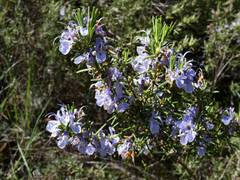
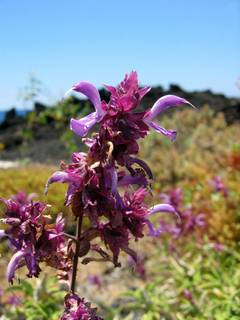
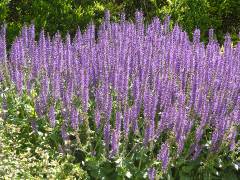
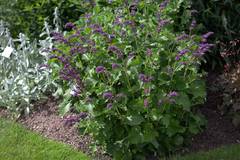
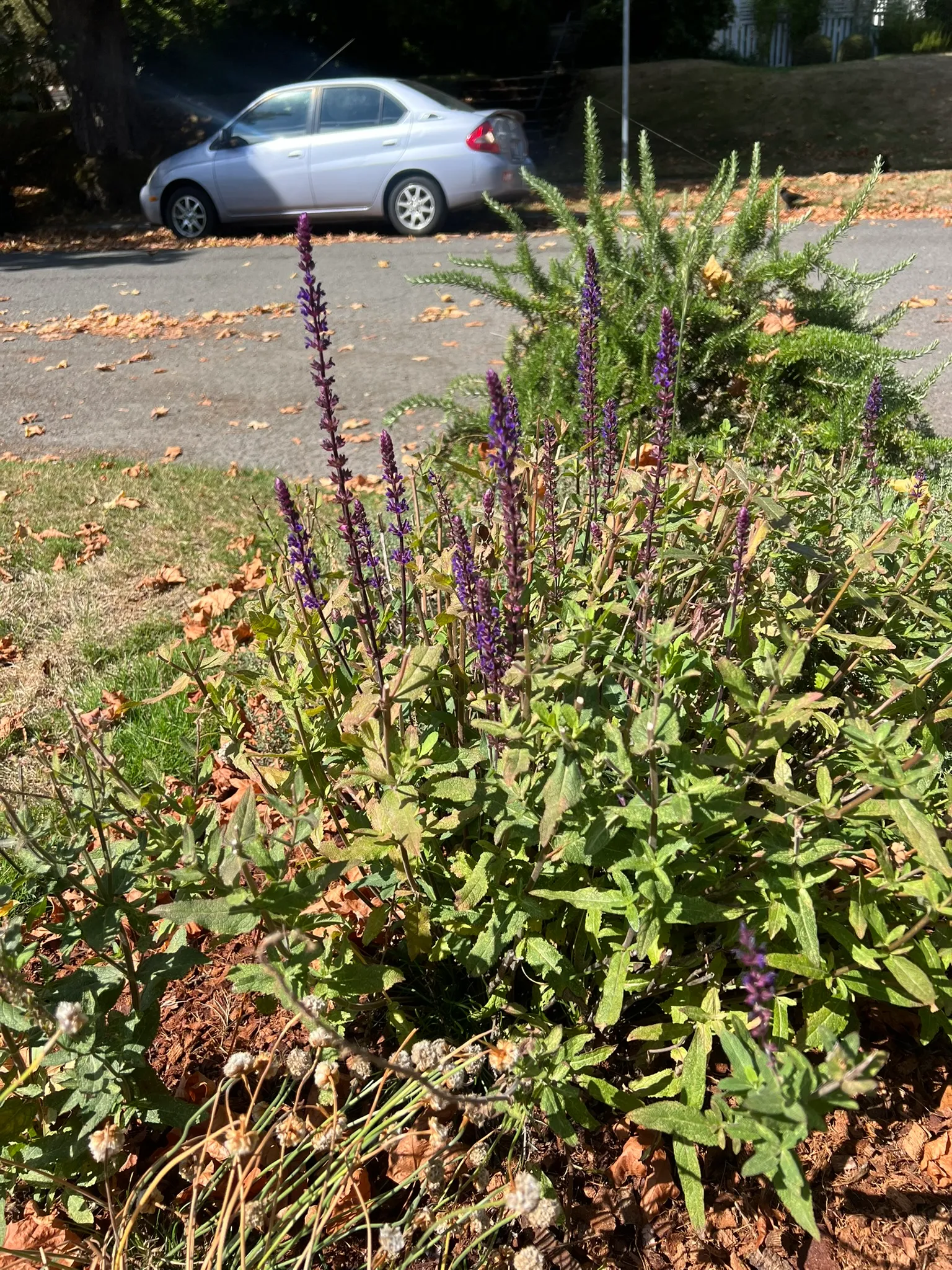
Salvia nemorosa is a clump-forming herbaceous perennial reaching 18-24 inches (45-60 cm) tall with an equal spread. Stems are erect, square, and branch from the base of a dense basal rosette. Leaves are opposite, lance-shaped to ovate, rugose (wrinkled), 1.5-3 inches (4-7.5 cm) long, with a finely scalloped margin and a mild sage scent when crushed. Terminal and axillary flower spikes 4-8 inches (10-20 cm) long carry densely packed two-lipped flowers 0.4-0.6 inch (1-1.5 cm) long in violet-blue to blue-purple above persistent violet-purple bracts; the bracts remain colored on the spike for 2-3 weeks after the individual flowers fade, extending the display. Primary bloom runs late May through June; shearing plants by one-half after this first flush produces a second flush in August through September. Hardy in USDA zones 4-8 (-30°F / -34°C). Growth rate is moderate, and plants reach flowering size in the first or second growing season from a nursery division.
Native Range
Salvia nemorosa is native to central and eastern Europe and western Asia, ranging from Germany and Austria eastward through the Balkans and European Russia into the Caucasus. It grows in dry meadows, grasslands, and on open rocky slopes.Suggested Uses
Planted in mixed perennial borders, cottage gardens, pollinator plantings, and dry xeriscape beds at 18-24 inch (45-60 cm) spacing. Mass plantings produce a continuous band of violet-blue in early summer. The species draws bees and butterflies during bloom. Containers of 3 gallons (11 L) and larger support single plants for 2-3 seasons before division. Not grown in shade or consistently moist soils, where flowering and foliage density decline.How to Identify
Appearance
Size & Dimensions
Height1'6" - 2'
Width/Spread1'6" - 2'
Bloom Information
Primary bloom runs late May through June, with dense spikes of violet-blue flowers held above the foliage. Shearing plants by one-half immediately after the first flush, in late June to early July, induces a second flush of bloom running August through September; without shearing, sporadic rebloom occurs at reduced density. Violet-purple bracts persist on spent spikes for 2-3 weeks after petal drop, continuing to show color.
Detailed Descriptions
Flower Description
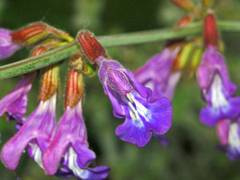
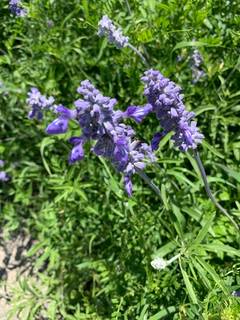
Violet-blue to blue-purple two-lipped flowers 0.4-0.6 inch (1-1.5 cm); carried in dense terminal and axillary spikes 4-8 inches (10-20 cm); persistent violet-purple bractsFoliage Description
Medium green; lance-shaped to ovate; rugose (wrinkled); 1.5-3 inches (4-7.5 cm); aromatic when crushedGrowing Conditions
Sun Requirements
Requires 6-12 hours of direct sunlight daily
• Full Sun: 6+ hours of direct sunlight
• Partial Shade: 3-6 hours of direct sunlight
• Full Shade: Less than 3 hours of direct sunlight
Care & Maintenance
Care Guide
Plants grow in full sun in average to lean, well-drained soil with a pH of 6.0-8.0. Hardy in USDA zones 4-8 (-30°F / -34°C). In heavy clay or consistently wet soil, crown rot develops within one or two wet winters and plants are short-lived. Drought tolerant once established; supplemental water is only needed during the first growing season. Shearing plants by one-half immediately after the first flush of bloom induces a reliable second flush. Divide every 3-4 years in early spring to maintain bloom density.Pruning
Shear plants by one-half immediately after the first flush of bloom, in late June to early July, to induce a second flush in August-September. Cut stems to 4-6 inches (10-15 cm) above ground in late fall or early spring. Divide every 3-4 years in early spring when the center of the clump thins.Pruning Schedule
Prune: July & October
summerfall
Container Growing
Suitable for container growing
Minimum container size: 3 gallons