Salvia, Genus, verticillata, Species, 'Purple Rain', Cultivar,
- Genus & species
- Cultivar
purple rain sage
Europe and W Asia (Mediterranean to Caucasus; meadows, roadsides; smoky purple arching spikes; persistent dark calyces; self-seeding; z5)
Overview
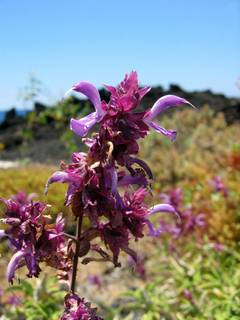
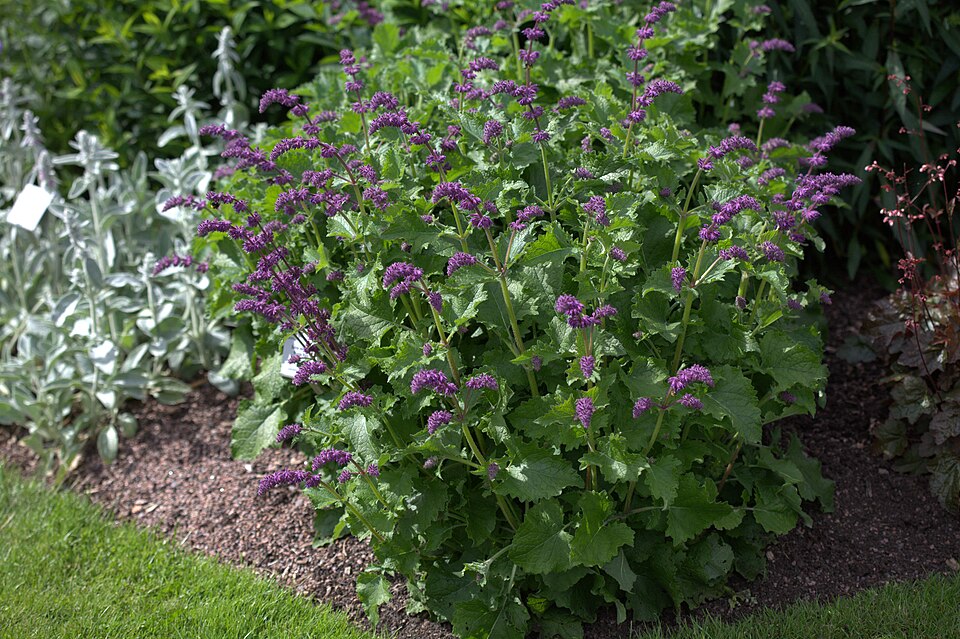
Salvia verticillata 'Purple Rain' is a herbaceous perennial reaching 18-24 inches (45-60 cm) tall with a spread of 18-24 inches (45-60 cm) and a spreading, mounding habit with lax, arching flower stems. Native to Europe and western Asia, it produces whorled spikes of small, two-lipped, smoky purple flowers on arching stems from persistent dark violet-purple calyces, June-September. The rounded, grey-green, hairy, heart-shaped basal leaves 3-4 inches (8-10 cm) long form a loose mound. Growth rate is moderate. Hardy to zone 5. The smoky purple color is softer and less saturated than S. sylvestris 'Mainacht'—a muted, hazy tone. The dark calyces persist after petals drop for extended color. The arching habit creates a different effect than the rigid upright spikes of 'Mainacht'. Self-seeds freely.
Native Range
Salvia verticillata is native to Europe and western Asia—from the Mediterranean basin through the Caucasus—in meadows, roadsides, and disturbed areas.Suggested Uses
Planted in borders, cottage gardens, or naturalized areas at 18-24 inch (45-60 cm) spacing. Smoky purple arching spikes. Persistent dark calyces. Long bloom Jun-Sep. Self-seeds freely—may need management. Lax arching habit. Drought tolerant. Not suitable for formal plantings or where self-seeding is undesirable.How to Identify
Appearance
Size & Dimensions
Height1'6" - 2'
Width/Spread1'6" - 2'
Bloom Information
Detailed Descriptions
Flower Description
Smoky purple; small two-lipped; whorled arching spikes; persistent dark violet-purple calyces; Jun-SepFoliage Description
Grey-green; hairy; rounded heart-shaped 3-4 inches; basal mound; deciduousGrowing Conditions
Sun Requirements
Requires 6-10 hours of direct sunlight daily
• Full Sun: 6+ hours of direct sunlight
• Partial Shade: 3-6 hours of direct sunlight
• Full Shade: Less than 3 hours of direct sunlight
Care & Maintenance
Care Guide
Plant in full sun in well-drained, average soil (pH 6.0-7.5). Hardy to zone 5. Drought tolerant once established. Self-seeds freely—may become weedy in favorable conditions. Deadhead to prevent excessive self-seeding and encourage rebloom.Pruning
Cut back to basal foliage after first flush for rebloom. Cut to ground in late winter. Self-seeds—remove unwanted seedlings in spring.Pruning Schedule
Prune: February–March
early spring
Container Growing
Suitable for container growing
Minimum container size: 3 gallons