Salvia, Genus, azurea, Species,
- Genus & species
giant blue sage
Central and southeastern United States
Overview
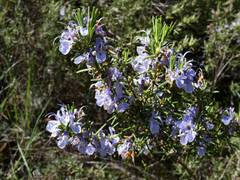
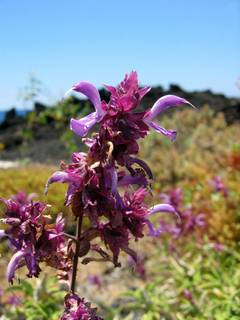
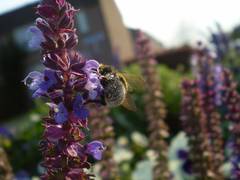
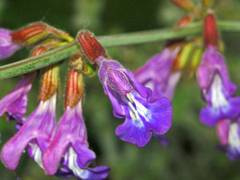
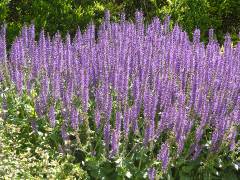
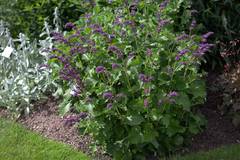
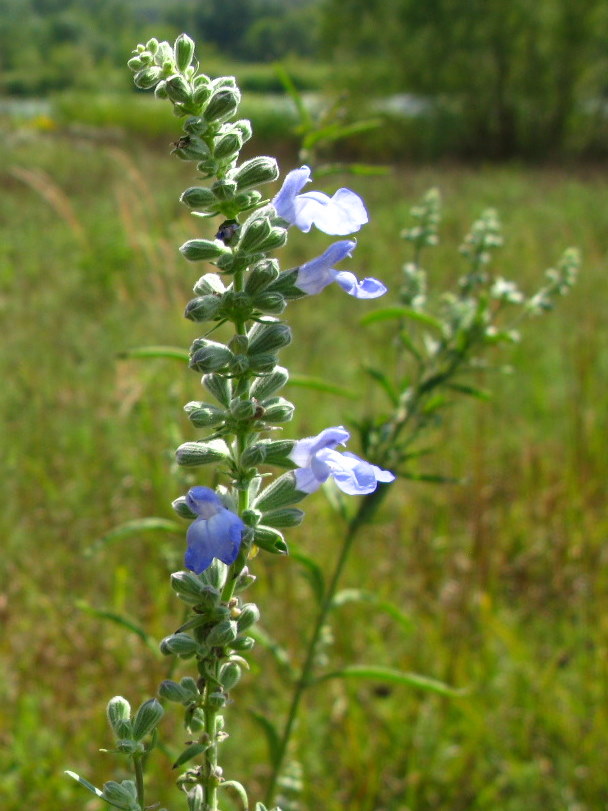
Salvia azurea is an herbaceous perennial in the mint family (Lamiaceae), forming upright to lax stems 3-6 feet (0.9-1.8 m) tall from a woody crown. The square stems carry opposite, narrow, lance-shaped leaves 1-4 inches (2.5-10 cm) long with smooth or slightly toothed margins. From late summer into fall it bears slender spikes of two-lipped flowers, each 0.5-1 inch (1.5-2.5 cm) long, in clear sky-blue and occasionally pale blue or white. The flowers open from the bottom of the spike upward over several weeks and draw bees, butterflies, and hummingbirds. The foliage is aromatic when crushed. It grows naturally in prairies, glades, and dry open ground in full sun. The tall stems often flop without support or a midsummer cutback. One limitation is this lax habit; plants may need staking or pinching to stay upright, and they are short-lived on heavy, wet soils.
Native Range
Salvia azurea is native to the central and southeastern United States, from Nebraska and Minnesota south to Texas and east to the Carolinas and Florida. It grows in prairies, rocky glades, and open woods on dry soils.Suggested Uses
Salvia azurea is used in prairie and meadow plantings, pollinator gardens, and the back of sunny borders for late-season blue. It combines with grasses and fall-blooming perennials. Its height and lax stems suit informal plantings more than tidy, formal beds.How to Identify
Appearance
Size & Dimensions
Height3' - 6'
Width/Spread1'6" - 3'
Bloom Information
Detailed Descriptions
Foliage Description
greenGrowing Conditions
Sun Requirements
Requires 6-12 hours of direct sunlight daily
• Full Sun: 6+ hours of direct sunlight
• Partial Shade: 3-6 hours of direct sunlight
• Full Shade: Less than 3 hours of direct sunlight