Salvia, Genus, sylvestris, Species, 'Mainacht', Cultivar,
- Genus & species
- Cultivar
may night sage
Species range covers Europe and western Asia in meadows and grasslands; the cultivar 'Mainacht' (May Night) was selected by Karl Foerster in Germany.
Overview
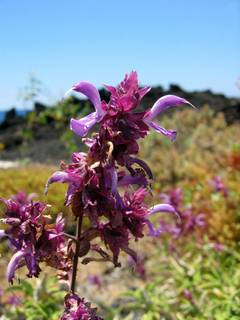
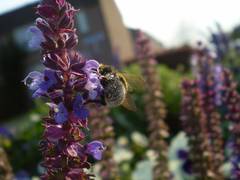
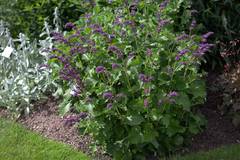
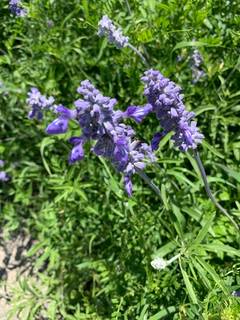
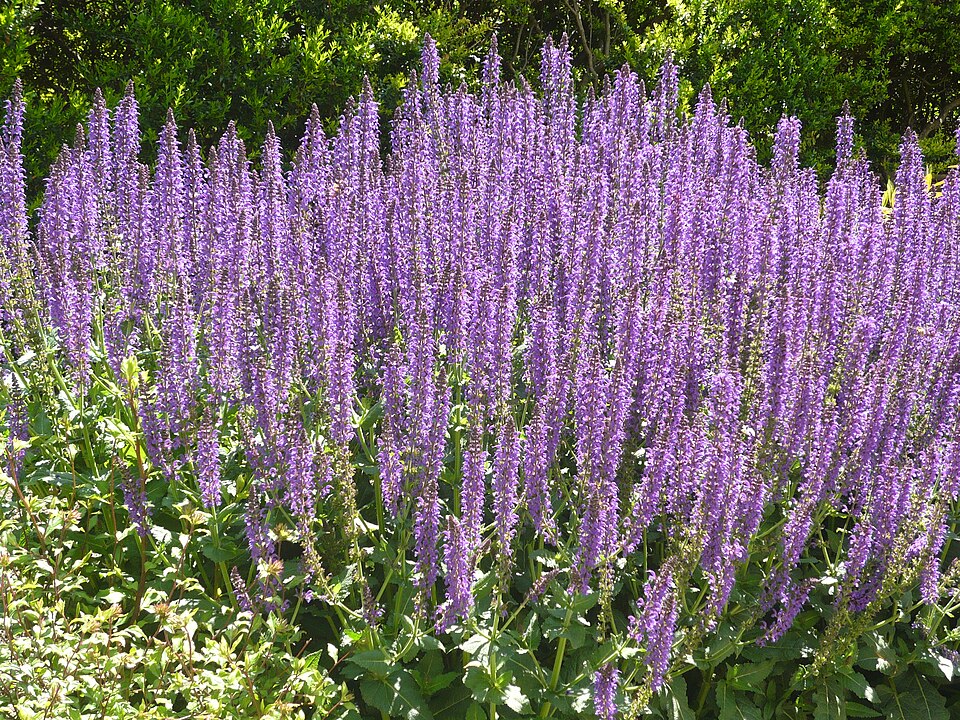
Salvia sylvestris 'Mainacht' (trade name May Night) is a herbaceous perennial reaching 18-24 inches (45-60 cm) tall with an equal spread, forming a compact upright clumping mound. The cultivar was selected by Karl Foerster in Germany. Dense upright flower spikes 6-10 inches (15-25 cm) long carry small two-lipped deep indigo-violet flowers on near-black violet-purple stems from May through June. Flowers are 0.4-0.6 inch (1-1.5 cm) long and densely packed along the spike. Basal leaves are lance-shaped, rugose, grey-green, 3-4 inches (8-10 cm) long, forming a dense mound. Hardy to USDA zone 4 (-30°F / -34°C). Plants tolerate heat and summer humidity in the eastern United States and continue blooming from May into August when spent spikes are cut back promptly after the first flush. Flowering diminishes in shade or in consistently moist soils, where plants also become susceptible to crown rot. Growth rate is moderate; plants reach flowering size in the first or second growing season from a nursery division. The deep indigo-violet flowers against dark stems read as a darker color than most Salvia cultivars in the trade.
Native Range
Salvia sylvestris (treated by some authorities as S. × sylvestris, a hybrid complex between S. nemorosa and S. pratensis) is native to Europe and western Asia. It grows in open meadows, grasslands, and along roadsides. The cultivar 'Mainacht' is a garden selection made by Karl Foerster in Germany.Suggested Uses
Planted in perennial borders, cottage gardens, mass plantings, and mixed pollinator beds at 18-24 inch (45-60 cm) spacing. The upright dark-stemmed spikes anchor the front and middle of herbaceous borders and draw bees, butterflies, and hummingbirds during bloom. Containers of 3 gallons (11 L) and larger support single plants for 2-3 seasons. Not grown in shade, heavy clay, or consistently wet soils, where flowering declines and plants are short-lived.How to Identify
Appearance
Size & Dimensions
Height1'6" - 2'
Width/Spread1'6" - 2'
Bloom Information
Dense upright spikes 6-10 inches (15-25 cm) long carry small deep indigo-violet two-lipped flowers on near-black violet-purple stems from May through June. Individual flowers last 4-6 days, with the first flush running 4-6 weeks. Cutting spent flower stems back to the basal mound immediately after the first flush induces a second flush in July-August; total bloom period reaches 12 weeks with this treatment. No rebloom occurs if spikes are not cut back.
Detailed Descriptions
Flower Description
Deep indigo-violet two-lipped flowers carried on dark violet-purple stems; dense upright spikes; May-June with rebloom through summerFoliage Description
Grey-green; rugose (wrinkled); lance-shaped 3-4 inches (8-10 cm); forming a dense basal moundGrowing Conditions
Sun Requirements
Requires 6-10 hours of direct sunlight daily
• Full Sun: 6+ hours of direct sunlight
• Partial Shade: 3-6 hours of direct sunlight
• Full Shade: Less than 3 hours of direct sunlight
Care & Maintenance
Care Guide
Plants grow in full sun in average, well-drained soil with a pH of 6.0-7.5. Hardy to USDA zone 4 (-30°F / -34°C). Plants tolerate heat and summer humidity once established. In shaded sites, flowering diminishes and plants flop forward. In consistently moist or heavy clay soils, crown rot develops and plants are short-lived at 2-3 years; in free-draining loam or sandy loam, plants persist 5-7 years before division becomes necessary. Drought tolerant once established, with supplemental water only during the first growing season.Pruning
Cut spent flower stems back to the basal foliage mound immediately after the first flush of bloom to induce rebloom. Cut the whole plant to 2-3 inches (5-8 cm) above ground in late winter before new growth begins. Divide every 3-4 years in early spring when the center of the clump thins.Pruning Schedule
Prune: February–March
early spring
Container Growing
Suitable for container growing
Minimum container size: 3 gallons