Image 1 of 24
1 / 24
Plant Reference
Camellia, Genus, japonica, Species,
- Genus & species
Japanese camellia
Overview
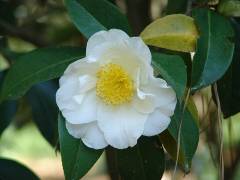
Camellia japonica is the Japanese camellia (common camellia), an evergreen shrub or small tree growing 72–180 inches (180–450 cm) tall and 60–120 inches (150–300 cm) wide. Large flowers 3–5 inches (7–13 cm) in white, pink, red, or bicolor from late winter through mid-spring (January–April) — six flower forms: single, semi-double, double, peony, anemone, and rose-form. Thousands of named cultivars. Dark green glossy leathery elliptic leaves 3–4 inches (7–10 cm) with finely serrated margins. In the tea family (Theaceae) — related to tea (C. sinensis). Cultivated in Japan for over 400 years. The flowers brown on the branch (do not drop cleanly) — petal blight (Ciborinia camelliae) accelerates browning and is soil-borne. Remove and dispose of fallen flowers and mulch to reduce blight spore load. Morning sun on frozen buds in winter causes cell damage and bud drop — east-facing exposures should be avoided. Acidic soil required (pH 5.0–6.5). Most cultivars lack fragrance (unlike C. sasanqua). Inconsistent watering during bud development (July–September) causes bud drop the following winter. Partial shade — dappled shade under high-canopy trees replicates the native forest understory habitat. Non-toxic. Deer-resistant. Zones 7–10. Growth rate is slow to moderate.
Native Range
Native to Japan, Korea, and China, growing in forest understorey at low to moderate elevations.Suggested Uses
Grown in shade borders, as specimens, and in containers in zones 7–10. Acidic soil required. Thousands of cultivars in 6 flower forms. Petal blight management required. Non-toxic. Deer-resistant.How to Identify
Appearance
Size & Dimensions
Height6' - 15'
Width/Spread5' - 10'
Bloom Information
Detailed Descriptions
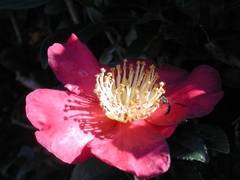
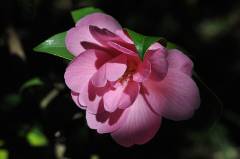
Flower Description
White, pink, red, or bicolor; single, semi-double, double, peony, anemone, or rose forms; 3-5 inches (7-13 cm)Foliage Description
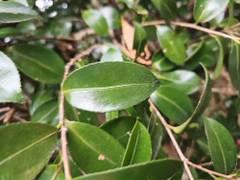
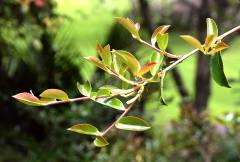
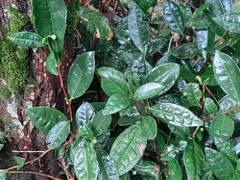
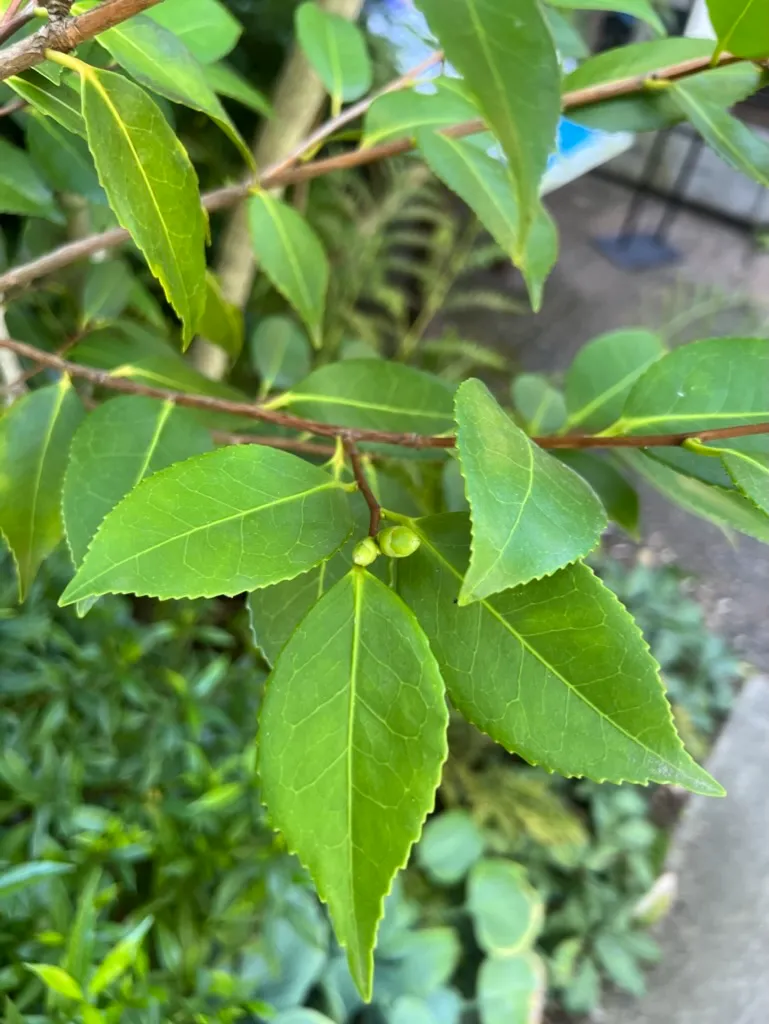
Dark green, glossy, leathery, elliptic, 3-4 inches (7-10 cm), with finely serrated marginsGrowing Conditions
Sun Requirements
Requires 3-6 hours of direct sunlight daily
• Full Sun: 6+ hours of direct sunlight
• Partial Shade: 3-6 hours of direct sunlight
• Full Shade: Less than 3 hours of direct sunlight
Care & Maintenance
Care Guide
Partial shade (dappled shade under high-canopy trees). Acidic soil pH 5.0–6.5. Consistent water during bud development (July–September) — inconsistency causes bud drop. Petal blight: remove fallen flowers. Avoid east-facing exposures (morning sun on frozen buds). Non-toxic. Deer-resistant. Zones 7–10.Pruning
Prune for shape after flowering in spring (April–May) — flower buds for the following season form in summer on new growth. Tolerates hard renovation pruning. Remove dead or crossing branches.Pruning Schedule
Prune: April–May
spring
Container Growing
Suitable for container growing
Minimum container size: 10 gallons