Image 1 of 17
1 / 17
Plant Reference
Camellia, Genus, sasanqua, Species,
- Genus & species
sasanqua camellia
Overview
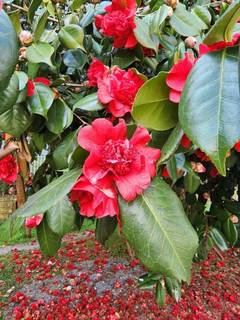
Camellia sasanqua is the sasanqua camellia (fall-blooming camellia), an evergreen shrub growing 72–144 inches (180–360 cm) tall and 48–96 inches (120–240 cm) wide. Flowers 2–3 inches (5–7 cm) in white, pink, or red in single, semi-double, or double forms from fall through early winter (October–December) — blooming 2–3 months earlier than C. japonica. The petals drop cleanly when spent (self-cleaning) — unlike C. japonica, whose flowers brown on the branch. Many cultivars are lightly fragrant — a distinction from C. japonica, which is typically unscented. Dark green glossy elliptic leaves 1.5–3 inches (4–7 cm) — smaller and narrower than C. japonica (3–4 inches / 7–10 cm). In the tea family (Theaceae). Tolerates more sun than C. japonica — full sun to partial shade. The seed oil (tsubaki oil) has been used in Japanese hair and skin care for centuries. The leaves were historically used as a tea substitute in Japan ('sazanka' in Japanese). Acidic soil required (pH 5.0–6.5). Less susceptible to petal blight than C. japonica because the petals drop cleanly rather than browning on the branch. Cultivars: 'Yuletide' (red, single, compact), 'Setsugekka' (white, semi-double, large), 'Cleopatra' (pink, semi-double). Native to Japan and China. Drought-tolerant once established. Non-toxic. Deer-resistant. Zones 7–10. Growth rate is moderate.
Native Range
Native to Japan and China, growing in open woodland and at forest margins.Suggested Uses
Grown in borders, hedges, and containers in zones 7–10. The fall bloom season fills the gap when most shrubs have finished flowering. More sun-tolerant than C. japonica. Fragrant. Self-cleaning petals. Acidic soil required. Non-toxic. Deer-resistant.How to Identify
Appearance
Size & Dimensions
Height6' - 12'
Width/Spread4' - 8'
Bloom Information
Detailed Descriptions
Flower Description
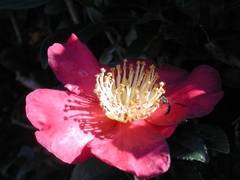
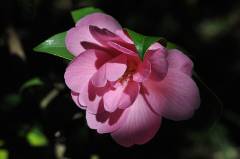
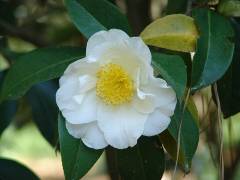
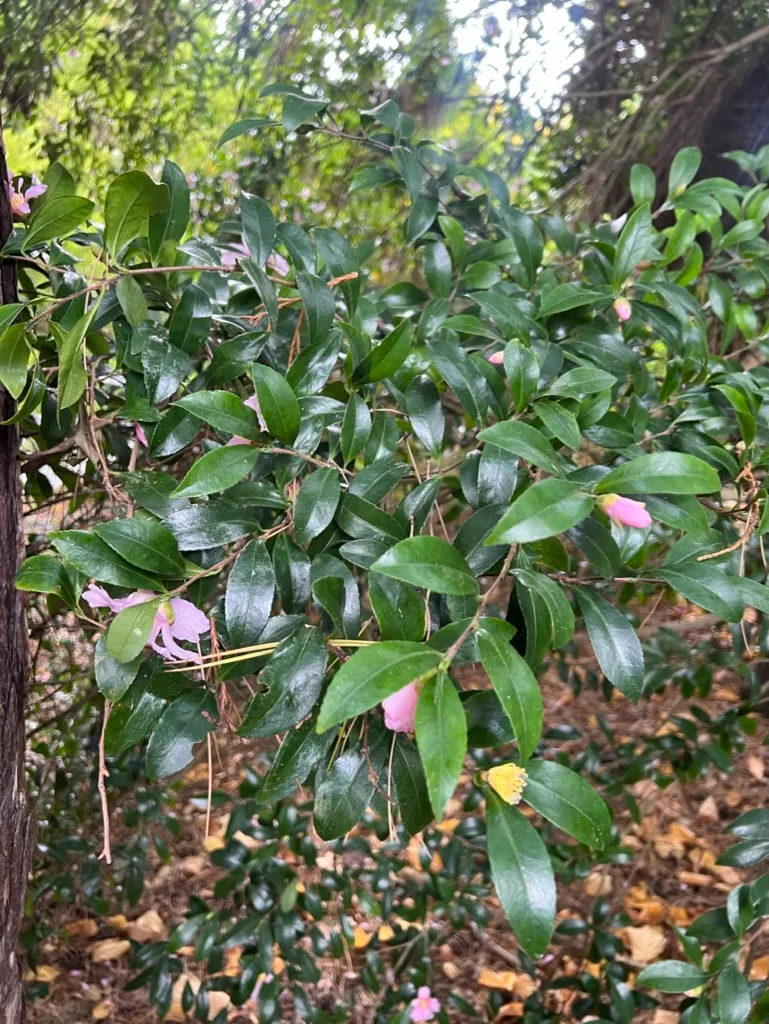
White, pink, or red; single, semi-double, or double; 2-3 inches (5-7 cm); petals drop cleanlyFoliage Description
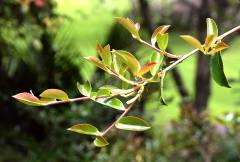
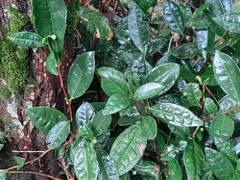
Dark green, glossy, smaller and narrower than C. japonica, elliptic, 1.5-3 inches (4-7 cm)Growing Conditions
Sun Requirements
Requires 4-8 hours of direct sunlight daily
• Full Sun: 6+ hours of direct sunlight
• Partial Shade: 3-6 hours of direct sunlight
• Full Shade: Less than 3 hours of direct sunlight
Care & Maintenance
Care Guide
Part sun to full sun (more sun-tolerant than C. japonica). Acidic soil pH 5.0–6.5. Drought-tolerant once established. Less susceptible to petal blight (petals drop cleanly). Lightly fragrant. Non-toxic. Deer-resistant. Zones 7–10.Pruning
Prune for shape after flowering in late winter (January–February). Flower buds form on new growth in spring and summer. Tolerates hard renovation pruning. Can be trained as a hedge, espalier, or small tree.Pruning Schedule
Prune: January–February
winter
Container Growing
Suitable for container growing
Minimum container size: 10 gallons