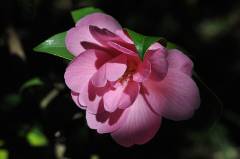
Camellia, Genus, sinensis, Species,
- Genus & species
tea plant
Yunnan Province, China; Southeast Asia
Overview
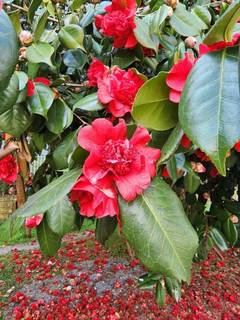
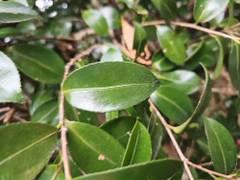
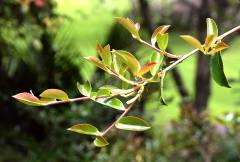
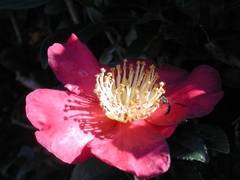
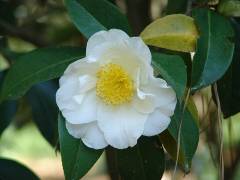
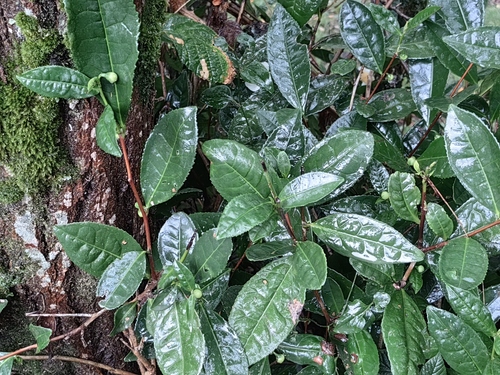
Camellia sinensis is the tea plant, growing 36–72 inches (90–180 cm) when maintained as a hedge (120–360 inches / 300–900 cm unpruned). The source plant of all true tea — green tea, black tea, white tea, oolong, and pu-erh are all produced from the same species, with the differences determined by processing method (oxidation level, firing, rolling) rather than plant variety. The young leaf tips and buds ('flush') are harvested for tea production. Dark green glossy leathery serrated leaves 2–4 inches (5–10 cm). White flowers 1–1.5 inches (2.5–4 cm) with a central cluster of yellow stamens in fall to early winter. In the tea family (Theaceae) — the same family as ornamental camellias (C. japonica, C. sasanqua). Requires strongly acidic soil (pH 4.5–5.5) — the same acidity requirement as blueberries and rhododendrons. Interveinal chlorosis in alkaline conditions. Native to Yunnan Province of China and Southeast Asia, where wild tea trees grow to 360+ inches (900+ cm). Partial shade — the highest-quality tea leaves are produced in filtered light, which increases the amino acid L-theanine content (responsible for the umami flavor). Full sun produces more catechins (responsible for astringency and bitterness). Zones 7–9. Deer-resistant. Non-toxic — the leaves are the beverage. Lightly fragrant flowers. Containers of 5–10 gallons (20–40 liters). Growth rate is moderate.
Native Range
Native to Yunnan Province of southwestern China and northern Southeast Asia. Cultivated for over 5,000 years. China, India, Kenya, and Sri Lanka are the largest producers.Suggested Uses
Grown as a hedge, specimen, or container plant in zones 7–9 with acidic soil. Containers of 5–10 gallons (20–40 liters). Partial shade for tea-quality leaf production. The source plant of all true tea. Non-toxic. Deer-resistant.How to Identify
Appearance
Size & Dimensions
Height3' - 6'
Width/Spread3' - 5'
Bloom Information
Detailed Descriptions
Flower Description
White with yellow stamensFoliage Description
Dark green, glossy, leathery, serrated, 2–4 inches (5–10 cm)Growing Conditions
Sun Requirements
Requires 4-6 hours of direct sunlight daily
• Full Sun: 6+ hours of direct sunlight
• Partial Shade: 3-6 hours of direct sunlight
• Full Shade: Less than 3 hours of direct sunlight
Care & Maintenance
Care Guide
Partial shade for highest-quality tea leaves (filtered light increases L-theanine). Strongly acidic soil pH 4.5–5.5 required. Consistent moisture. Zones 7–9. Non-toxic — leaves are the tea beverage. Deer-resistant. Lightly fragrant fall flowers. Harvest young leaf tips ('flush') for homemade tea.Pruning
Shear to a flat or rounded top in early spring to promote dense branching and new leaf flush production. The young leaf tips from the new growth are the tea harvest. In commercial production, the hedge is maintained at 36–48 inches (90–120 cm) for hand-picking height.Pruning Schedule
Prune: March–April
spring
Container Growing
Suitable for container growing
Minimum container size: 5 gallons