Camellia, Genus, japonica, Species, 'Silver Waves', Cultivar,
- Genus & species
- Cultivar
silver waves camellia
Japan, southern Korea, eastern China (species)
Overview
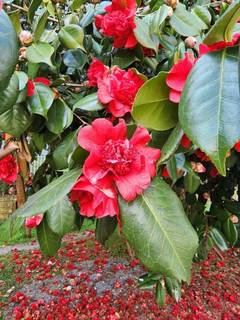
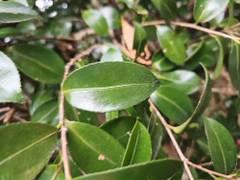
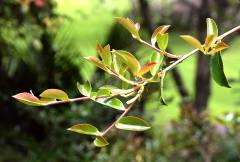
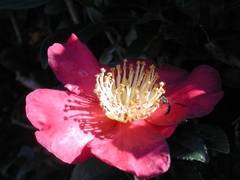
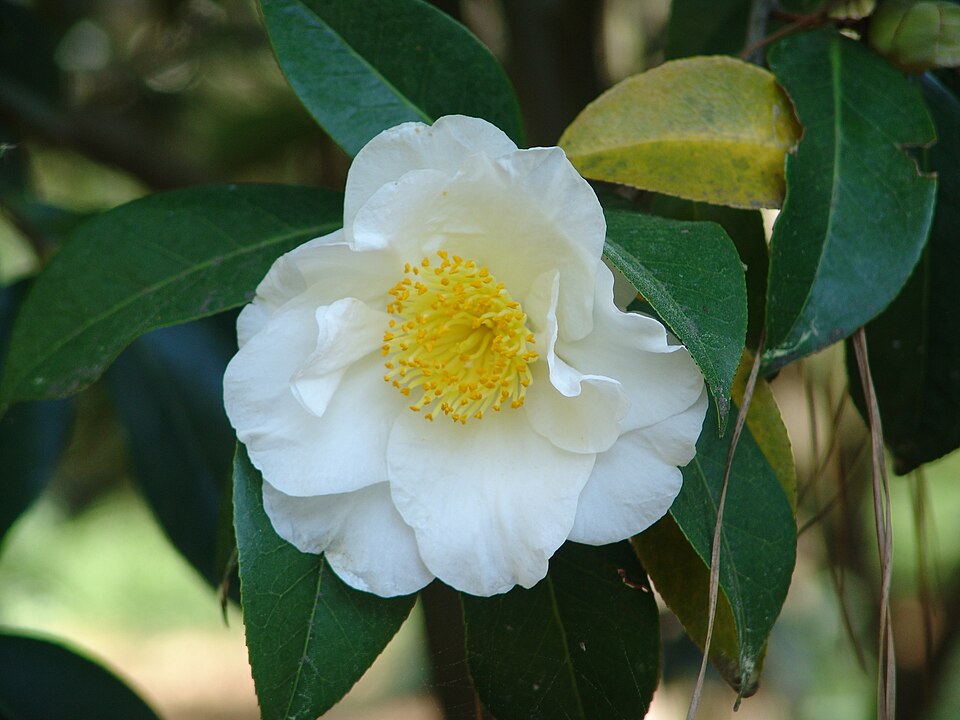
Camellia japonica 'Silver Waves' is an evergreen shrub reaching 8-10 feet (2.4-3 m) tall and 5-7 feet (1.5-2.1 m) wide at maturity. Habit upright and slightly open with moderately dense canopy. Leaves alternate, glossy dark green, ovate, 3-4 inches (7.5-10 cm) long with serrated margins and pointed tips. Flowers semi-double, pure white, 4-5 inches (10-13 cm) across with 12-18 broad petals featuring distinctly wavy or ruffled margins, surrounding a prominent cluster of 80-100 yellow stamens. Main flowering occurs January through March in zones 8-9, February through April in zones 7. Individual flowers last 4-6 days; spent flowers fall whole rather than browning on the plant. Bark gray-brown, smooth on young stems, becoming slightly fissured with age. Growth rate slow; reaches mature size in 10-12 years from a 5-gallon container. Frost damage to open flowers occurs below 28°F (-2°C); buds tolerate temperatures to 10°F (-12°C) without injury. Pure white flowers brown more visibly than pink or red cultivars when affected by camellia petal blight or cold injury. Tea scale and sooty mold occur on lower leaf surfaces in warm humid conditions.
Native Range
'Silver Waves' is a cultivated selection introduced to the United States nursery trade in the late 20th century; it does not occur in the wild. The species C. japonica is native to Japan, southern Korea, and eastern China, where it grows in mountain forests and stream valleys at elevations from sea level to 3,600 feet (1,100 m).Suggested Uses
Commonly planted as a specimen in foundation plantings, woodland edges, and as understory accents beneath high-canopy trees at 6-7 foot (1.8-2.1 m) spacing in zones 7-9. Suitable for containers of at least 20 gallons (76 L) with consistent irrigation; container plants reach 5-7 feet (1.5-2.1 m). Used as cut flowers; individual blooms float in shallow bowls with 3-5 day vase life.How to Identify
Appearance
Size & Dimensions
Height8' - 10'
Width/Spread5' - 7'
Colors
Bloom Information
Main flowering occurs January through March in zones 8-9, February through April in zones 7, and March through May in zones 6 with overhead protection. Individual flowers last 4-6 days. Total cumulative bloom spans 8-10 weeks with peak production across a 4-week window in late winter. Cold snaps below 25°F (-4°C) during open bloom cause petal browning that is more visible on white flowers than on darker cultivars.
Detailed Descriptions
Flower Description
pure white with yellow stamensFoliage Description
glossy dark greenGrowing Conditions
Sun Requirements
Requires 3-5 hours of direct sunlight daily
• Full Sun: 6+ hours of direct sunlight
• Partial Shade: 3-6 hours of direct sunlight
• Full Shade: Less than 3 hours of direct sunlight
Care & Maintenance
Care Guide
Water deeply once weekly during the first 2 growing seasons; established plants tolerate brief summer drought of 2-3 weeks. Acidic fertilizer formulated for camellias and azaleas applied in March, May, and July is typical; nitrogen application after July reduces flower bud development. Soils above pH 7.0 produce yellowing foliage from iron and manganese deficiencies; chelated micronutrient drenches in spring restore green color within 4-6 weeks. Camellia petal blight overwinters in soil; removing fallen petals during bloom reduces inoculum, particularly for white cultivars where blight discoloration is more visible. Tea scale on lower leaf surfaces causes yellow stippling and sooty mold; horticultural oil applications in March and again in May reduce populations. Plants typically remain productive for 50-100 years.Pruning
Light shaping cuts taken immediately after flowering preserve next season's bloom; flower buds set on new wood produced in summer. Removing crossing branches and dead wood maintains an open canopy and reduces petal blight pressure by improving air circulation. Severe rejuvenation pruning to 24-36 inches (60-90 cm) above soil eliminates bloom for 2-3 years. Pruning after July removes developing flower buds for the following season.Pruning Schedule
Prune: April–May
late spring
Container Growing
Suitable for container growing
Minimum container size: 20 gallons