Camellia, Genus, spp., Multiple species,
- Genus
- Multiple species
camellias
Overview
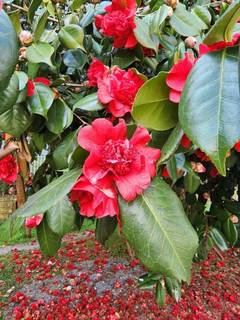
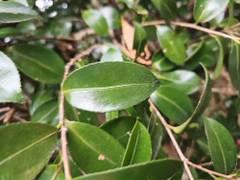
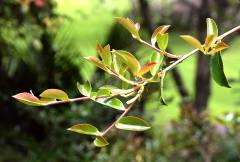
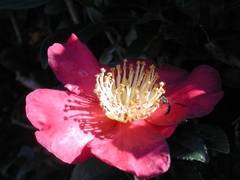
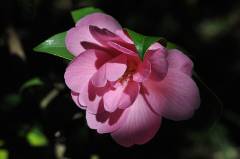
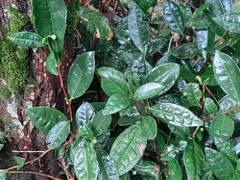
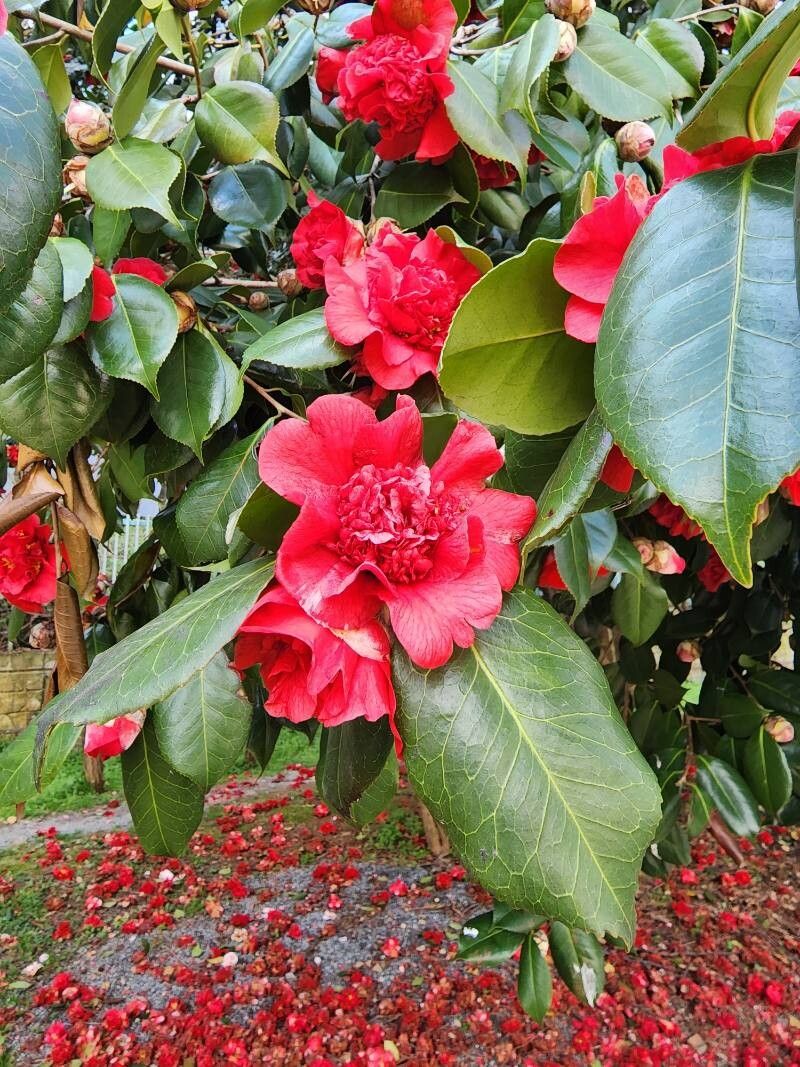
Camellia is a genus of about 100 to 300 species of evergreen shrubs and small trees in the family Theaceae, native to eastern and southern Asia. Plants reach 1-6 m (3-20 ft) or more, with alternate, leathery, glossy dark green leaves with finely toothed edges. The flowers are large and showy, 5-13 cm (2-5 in) across, in white, pink, red, or bicoloured forms, with single, semi-double, or fully double arrangements of petals around a central boss of yellow stamens. Different species bloom from autumn through early spring, a time when few other shrubs flower. C. japonica flowers in late winter and spring, C. sasanqua in autumn, and C. sinensis is the source of tea, grown for its young leaves rather than its smaller flowers. The fruit is a woody capsule containing a few large seeds. Camellias grow in acid, humus-rich soil in light shade and are sensitive to drought, lime, and hard frost on the open flowers. Plants are slow-growing and long-lived, and many species and hybrids are grown in mild-climate gardens worldwide.
Native Range
Native to eastern and southern Asia, from the Himalaya through southern China to Japan and Southeast Asia, with the greatest diversity in southern China. C. sinensis, the tea plant, originates in this region and is now grown across the subtropics. No Camellia species is native to North America.Suggested Uses
Grown as specimen shrubs, informal hedges, and woodland-edge plants in acid soils, and trained against shaded walls in cooler regions. Autumn- and winter-flowering species are used for colour in the dormant season, and C. sinensis is grown for tea.How to Identify
Appearance
Size & Dimensions
Height3' - 20'
Width/Spread3' - 12'
Bloom Information
Bloom time spans autumn through early spring depending on species, with C. sasanqua flowering in autumn and C. japonica from late winter into spring. Individual flowers last several days, and a plant blooms over several weeks. Open flowers are damaged by hard frost.
Detailed Descriptions
Flower Description
white to redFoliage Description
dark greenGrowing Conditions
Sun Requirements
Requires 3-6 hours of direct sunlight daily
• Full Sun: 6+ hours of direct sunlight
• Partial Shade: 3-6 hours of direct sunlight
• Full Shade: Less than 3 hours of direct sunlight
Care & Maintenance
Care Guide
Camellias grow in acid, humus-rich, moist but well-drained soil in light shade or morning sun, sheltered from cold, drying winds. They are damaged by lime, drought, and waterlogging, and most tolerate frost only to about -10 to -15 C (14 to 5 F). A mulch and steady moisture keep roots cool and reduce bud drop. Yellowing leaves signal iron and manganese shortage on alkaline soil. Sooty mould, scale insects, and flower blight are the main problems.Pruning
Pruning is done after flowering, taking out dead or weak wood and shortening shoots to shape the plant. Older plants tolerate hard cutting back into bare wood and reshoot from it. Light trimming keeps formal hedges and container plants dense.Pruning Schedule
Prune: April–May
late spring
Container Growing
Suitable for container growing
Minimum container size: 10 gallons