Camellia, Genus, williamsii, Species, 'Donation', Cultivar,
- Genus & species
- Cultivar
donation camellia
Hybrid of garden origin ({C. japonica} × {C. saluenensis}); parent species native to Japan, Korea, eastern China, and Yunnan Province, China; cultivar raised at Borde Hill Garden, Sussex, England
Overview
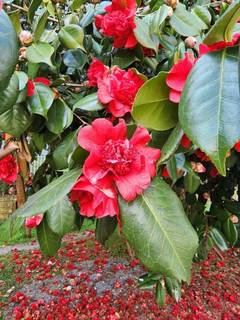
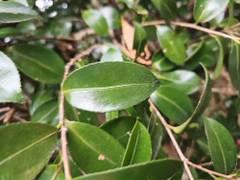
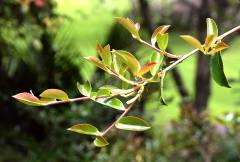
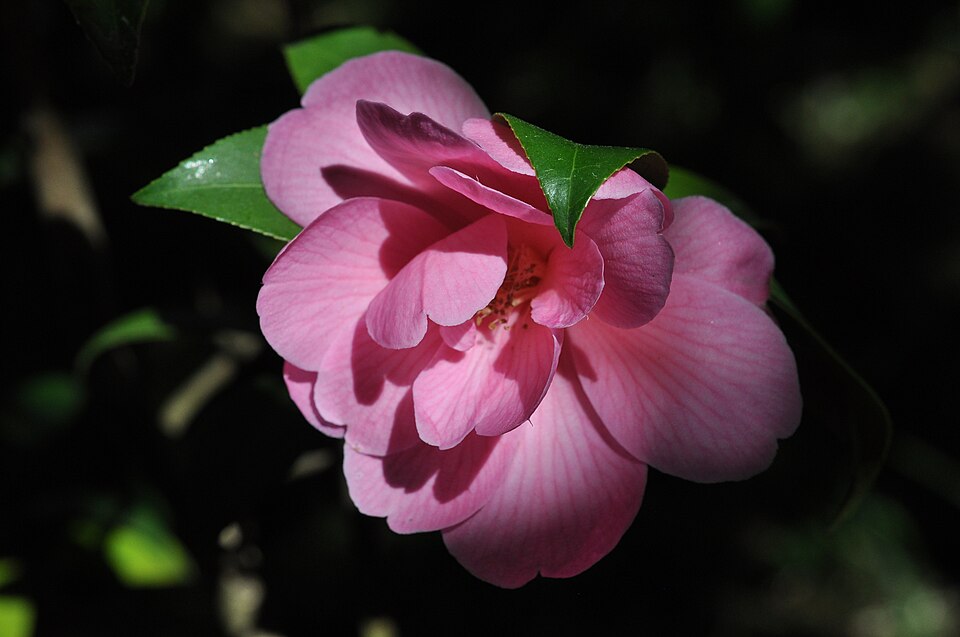
Camellia × williamsii 'Donation' is a vigorous upright evergreen shrub in the tea family (Theaceae) reaching 10–15 feet (3–4.5 m) tall with a spread of 6–8 feet (1.8–2.4 m). 'Donation' is widely grown among × williamsii cultivars and is commonly listed by RHS and major botanical gardens as a reference clone for the hybrid group. The cultivar was raised at Borde Hill Garden in Sussex, England, and registered in 1941. Flowers are large at 3.5–4.5 inches (9–11 cm) across, semi-double, orchid-pink with rows of softly overlapping petals and golden stamens visible at the center between the petal layers; the semi-double form carries more petals than 'Brigadoon' but keeps enough openness to display the stamens. Bloom is prolific from February through April, and a single mature plant may carry hundreds of flowers over the 8–10 week season. Glossy dark green elliptic leaves 2.5–4 inches (6–10 cm) long are larger than most × williamsii cultivars, reflecting the C. japonica parentage. New growth is bronze-tinted. Growth rate is moderate to fast at 6–10 inches (15–25 cm) per year — more vigorous than most other × williamsii selections. Hardy to approximately 5°F (−15°C). The upright habit becomes somewhat open and lanky with age without pruning. Spent flowers drop cleanly. Scale insects and petal blight are occasional problems.
Native Range
Camellia × williamsii is a hybrid group of garden origin, first produced at Caerhays Castle in Cornwall, England, in the 1920s by crossing C. japonica (native to Japan, Korea, and eastern China) with C. saluenensis (native to Yunnan Province, China, at 6,000–10,000 feet / 1,800–3,000 m). The cultivar 'Donation' was raised at Borde Hill Garden in Sussex, England, and was registered in 1941.Suggested Uses
Grown as a specimen, screening shrub, or large background shrub at 5–6 foot (1.5–1.8 m) spacing. The long 8–10 week bloom season and 3.5–4.5 inch flower size carry a late winter and spring planting as a season-long anchor. Informal hedging, wall shrub placement, and espalier training are alternative forms. Container culture requires 10 gallon (38 L) or larger pots. The vigorous habit suits screening plantings but outgrows small foundation beds; smaller cultivars such as 'Brigadoon' or C. × vernalis 'Yuletide' fit tighter spaces without outgrowing them.How to Identify
Appearance
Size & Dimensions
Height10' - 15'
Width/Spread6' - 8'
Bloom Information
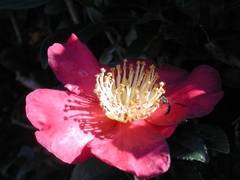
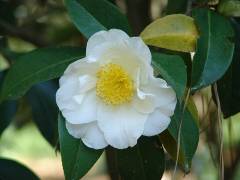
Large semi-double orchid-pink flowers 3.5–4.5 inches (9–11 cm) across open prolifically from February through April. Golden stamens are visible at the flower center between the petal layers. Bloom duration is 8–10 weeks. A single mature plant may carry hundreds of flowers across the season. A light fragrance may be present. Spent petals drop cleanly without deadheading.
Detailed Descriptions
Flower Description
Orchid-pink, semi-double 3.5-4.5 inches with softly overlapping petals and golden stamensFoliage Description
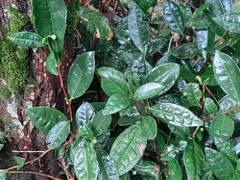
Glossy dark green, elliptic 2.5-4 inches; larger than most × williamsii cultivars; bronze-tinted new growthGrowing Conditions
Sun Requirements
Requires 3-6 hours of direct sunlight daily
• Full Sun: 6+ hours of direct sunlight
• Partial Shade: 3-6 hours of direct sunlight
• Full Shade: Less than 3 hours of direct sunlight
Care & Maintenance
Care Guide
Grows in partial shade in moist well-drained acidic soil at pH 5.0–6.5, tolerating loam substrates. Hardy to zone 6 with protection. Morning sun with afternoon shade produces the strongest growth and cleanest bloom. The vigorous growth responds to slightly richer soil than less robust camellia cultivars. Consistent soil moisture is required. Mulch 2–3 inches (5–8 cm) deep with acidic organic material. More cold-hardy than most C. japonica selections. The vigorous habit requires annual pruning to maintain shape or it becomes open and lanky. Scale insects and petal blight are occasional concerns; good air circulation and drip or ground-level watering during bloom reduce disease pressure.Pruning
Prune after flowering (April–May) to maintain shape and control the vigorous growth. The species regenerates from hard pruning when rejuvenation is needed. Remove crossing and inward-growing branches to maintain an open airy structure. Annual tip-pruning after bloom encourages bushier growth and prevents the open lanky habit that develops on unpruned plants. Pruning after June removes developing flower buds for the following winter.Pruning Schedule
Prune: April–May
late spring
Container Growing
Suitable for container growing
Minimum container size: 10 gallons