Image 1 of 5
1 / 5
Borealis55 09:37, 8 December 2007 (UTC), no rights reserved (CC0) · Wikimedia Commons
Paeonia, Genus, lactiflora, Species, 'Sarah Bernhardt', Cultivar,
- Genus & species
- Cultivar
Sarah Bernhardt peony
Garden selection; named after Sarah Bernhardt, the French actress (introduced 1906 by Lemoine); species native to East Asia
Overview
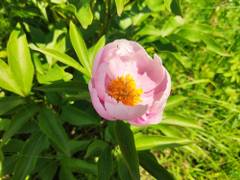
Paeonia lactiflora 'Sarah Bernhardt' is a double herbaceous peony, growing 30–36 inches (75–90 cm) tall and 24–36 inches (60–90 cm) wide. Soft rose-pink fully double flowers 5–7 inches (13–18 cm) across with a strong sweet fragrance. Introduced by Lemoine in 1906. Named after Sarah Bernhardt, the French actress. Plant the tuberous crown with the red 'eyes' (emerging buds) no more than 1–2 inches (2.5–5 cm) below the soil surface — deeper planting prevents flowering, which is the primary cause of non-blooming in peonies. Ants on the flower buds consume sweet nectar secretions on the bud surface and do not assist bud opening — their presence is incidental, not required. The heavy fully double flowers require support (a peony ring or grow-through cage) to prevent stems from bending to the ground in rain. Requires winter cold: 800+ chill hours below 40°F (4°C) for spring bloom — not suited to warm-winter climates. Zone 3 hardy. Deer-resistant. Mildly toxic. Deciduous — goes fully dormant in winter. Full sun (6+ hours). Well-draining soil. Long-lived — established plants can persist for 50–100+ years without decline. Botrytis blight in humid conditions causes bud rot. Peony wilt may affect stems.
Native Range
Introduced 1906 by Lemoine in France. Named after Sarah Bernhardt. Species native to East Asia.Suggested Uses
Grown in borders and cutting gardens in zones 3–7, spaced 24–36 inches (60–90 cm) apart. Full sun. Plant with eyes 1–2 inches (2.5–5 cm) below soil surface — deeper planting prevents bloom. The heavy double flowers require support. Non-toxic fruit. Deer-resistant.How to Identify
Appearance
Size & Dimensions
Height2'6" - 3'
Width/Spread2'6" - 3'
Colors
Bloom Information
Detailed Descriptions
Flower Description
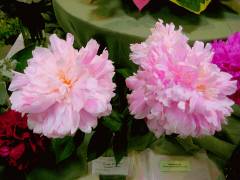
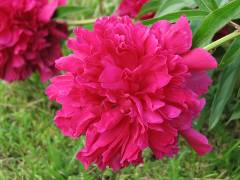
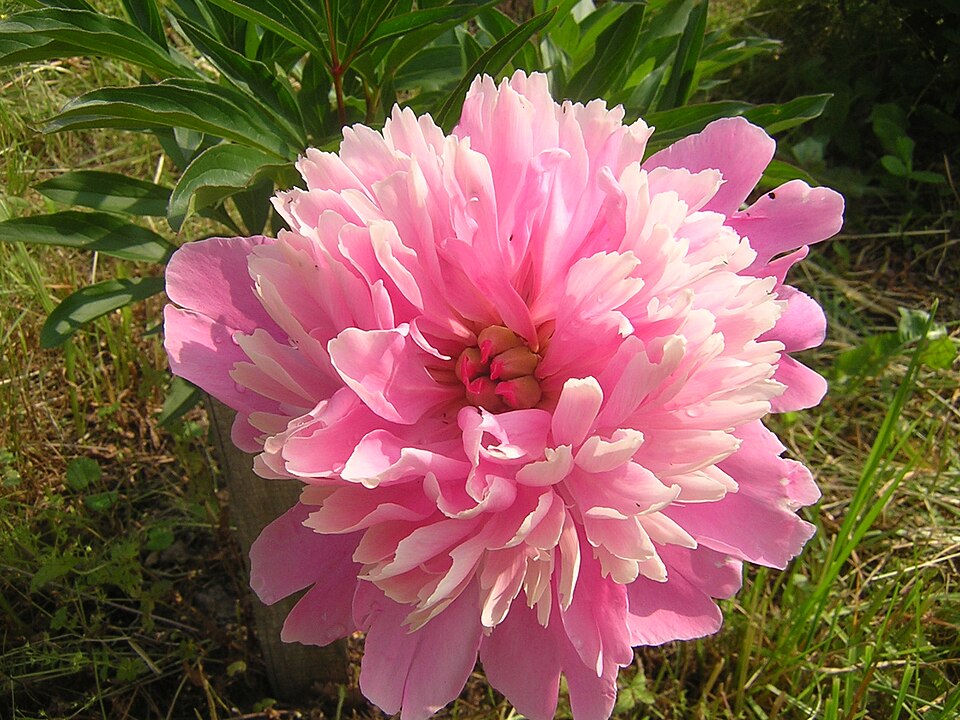
Soft ROSE-PINK, fully DOUBLE, enormous (5-7 inches across), intensely FRAGRANT — the classic peonyFoliage Description
Dark green, compound, glossyGrowing Conditions
Sun Requirements
Requires 6-8 hours of direct sunlight daily
• Full Sun: 6+ hours of direct sunlight
• Partial Shade: 3-6 hours of direct sunlight
• Full Shade: Less than 3 hours of direct sunlight
Care & Maintenance
Care Guide
Full sun (6+ hours). Plant eyes 1–2 inches (2.5–5 cm) deep — deeper prevents bloom. Well-draining soil. Support heavy flowers. Requires 800+ chill hours. Ants on buds are harmless. Botrytis in humidity. Deer-resistant. Mildly toxic. Zone 3 hardy.Pruning
Remove spent flowers. Leave foliage until it browns in fall, then cut to ground level. Do not cut foliage in summer — it produces energy for next year's bloom. Divide only when necessary (established clumps decline when disturbed).Pruning Schedule
Prune: October–November
fall