Image 1 of 6
1 / 6
Plant Reference
Phlox, Genus, paniculata, Species,
- Genus & species
garden phlox
Eastern and central United States (New York south through Georgia, west through Kansas and Nebraska; moist open woodlands, meadow edges, stream banks)
Overview
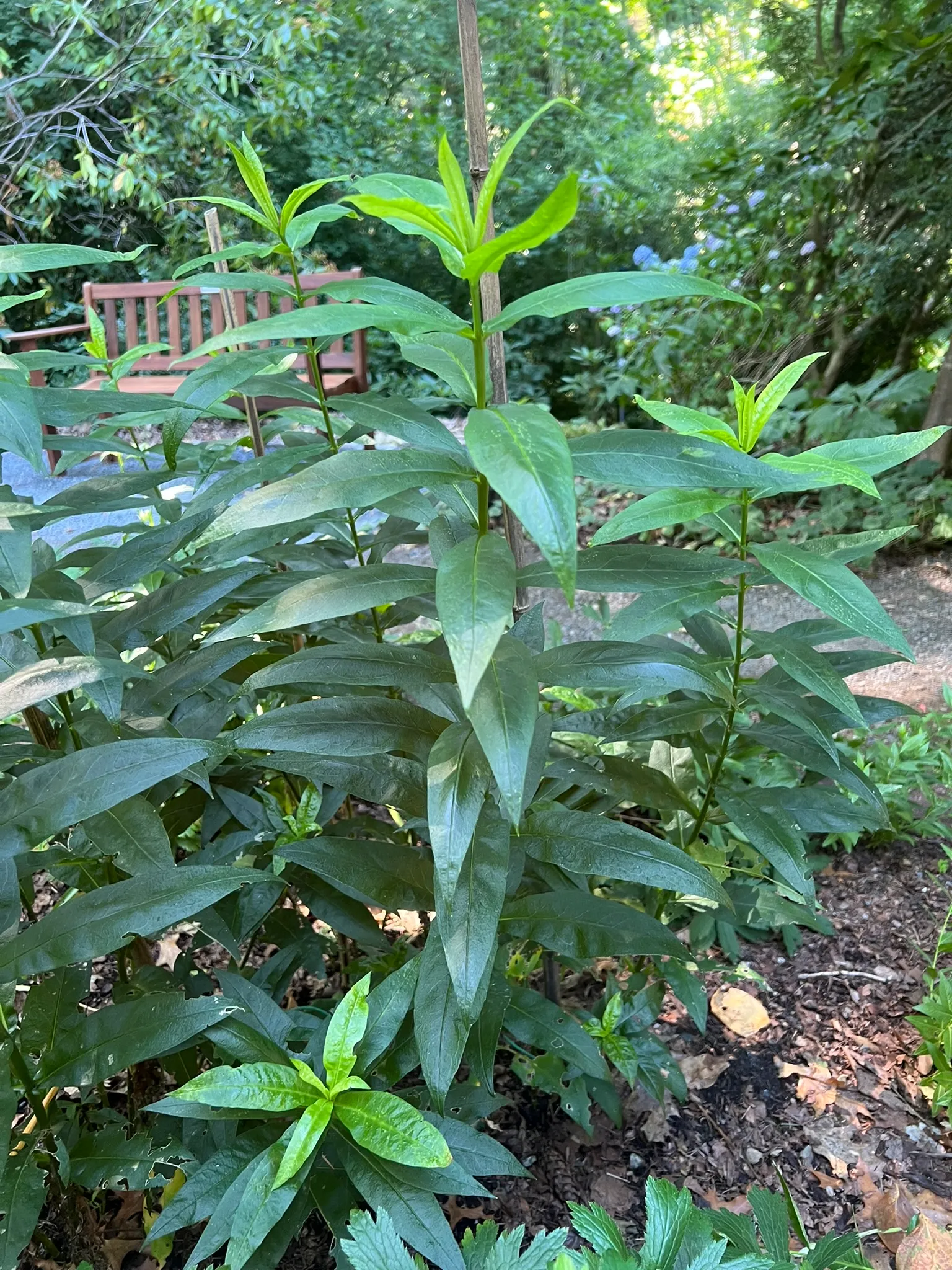
Phlox paniculata is an upright clump-forming herbaceous perennial in the phlox family (Polemoniaceae) reaching 24–48 inches (60–120 cm) tall with a spread of 18–24 inches (45–60 cm). This eastern and central North American native carries sturdy erect flower stems topped with large domed to rounded flower panicles 4–8 inches (10–20 cm) across from July through September. Each panicle holds dozens of five-petaled flowers 0.75–1 inch (2–2.5 cm) across in color ranges from white, pink, red, salmon, lavender, and purple through bicolor combinations, many carrying a contrasting central eye that reads at close range. The flower fragrance runs sweet and clove-like, carries most intensely during the evening hours, and draws butterflies and hummingbirds in quantity across the bloom window. Opposite lance-shaped to oblong leaves run 3–5 inches (8–13 cm) long along the upright flower stems. Powdery mildew runs as a significant and common disease pressure on the species, particularly in plantings with poor air circulation and overhead irrigation — cultivar selection for mildew resistance matters for reliable garden performance. Non-toxic across all plant parts.
Native Range
Phlox paniculata is native to the eastern and central United States, where wild populations range from New York south through Georgia and west through Kansas and Nebraska. The species grows in moist open woodland habitats, along meadow edges, and on stream bank margins within the native range, in fertile moist well-drained soil under full sun to partial shade exposure.Suggested Uses
Grown in mixed perennial borders, cottage gardens, and cutting gardens at 18–24 inch (45–60 cm) spacing. The tall fragrant colorful flower panicles carry the mid-to-late summer border display across the peak season of the garden year. The species combines well with ornamental grasses, Rudbeckia, and Echinacea in the summer border palette. Cut flower performance runs long-lasting in the vase with intense evening fragrance. Mildew-resistant cultivar selections including 'David' (white), 'Robert Poore' (purple), and the 'Flame' and 'Fashionably Early' series carry the most reliable garden performance and cutting-quality flower output. Deer browsing pressure runs moderate and the species is not reliably deer-resistant. Heavily shaded positions, dry soils, and crowded plantings with poor air movement are all unsuitable given the cultural profile and the mildew pressure on the species.How to Identify
Appearance
Size & Dimensions
Height2' - 4'
Width/Spread1'6" - 2'
Bloom Information
Flower panicles open from July through September across hardiness zones 3 through 8, with peak flower density during July and August in most cultivars. Individual panicles hold bloom for 3–4 weeks, and some cultivar selections extend the flower window through September. Deadheading spent panicles back to the next lateral bud may prompt a secondary smaller flush of bloom. Flower fragrance runs strongest during the evening hours. Pacific Northwest growing conditions carry reliable July through September bloom with clean flower quality through the cool summer temperature profile.
Detailed Descriptions
Flower Description
White, pink, red, salmon, lavender, or purple tones in large domed flower panicles 4-8 inches across, often with a contrasting central eye; sweetly fragrant during evening hoursFoliage Description
Medium green opposite lance-shaped to oblong 3-5 inches long along upright stems; susceptible cultivars develop white powdery mildew coating under humid conditionsGrowing Conditions
Sun Requirements
Requires 4-8 hours of direct sunlight daily
• Full Sun: 6+ hours of direct sunlight
• Partial Shade: 3-6 hours of direct sunlight
• Full Shade: Less than 3 hours of direct sunlight
Care & Maintenance
Care Guide
Grows in full sun (6 or more hours of direct light) in moist fertile humus-rich well-drained soil at pH 6.0–7.0, tolerating loam and clay. Good air circulation around the clump reduces powdery mildew pressure — spacing at 18–24 inches (45–60 cm) and avoiding crowded plantings matters across all cultivar selections. Watering at the base of the plant rather than overhead irrigation reduces leaf moisture that drives mildew development. A 2–3 inch (5–8 cm) mulch layer retains soil moisture and moderates root-zone temperature through the summer peak. Dividing the clump every 3–4 years during early spring maintains flowering vigor and reduces mildew susceptibility in the aging crown tissue. Mildew-resistant cultivars including 'David', 'Robert Poore', and the 'Flame' and 'Fashionably Early' series carry the most reliable garden performance across humid climate zones.Pruning
Spent flower panicles are deadheaded back to the next lateral bud or leaf axil to encourage a secondary smaller flush of bloom in many cultivars. Thinning the flower stems to 5–7 stems per clump during midsummer improves air circulation through the canopy and reduces mildew pressure on the remaining stems. All stems are cut back to ground level in autumn after frost or in late winter before new growth emerges. Clump division every 3–4 years during early spring separates the crown into small sections of 3–5 shoots each, replanted at 18–24 inch (45–60 cm) spacing to rebuild the planting.Pruning Schedule
Prune: March, July & October
summerfallearly spring
Toxicity
Non-toxicRelated Phlox species
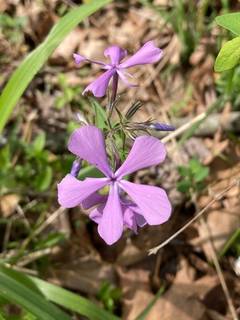 Woodland phloxPhlox divaricata
 Blue moon woodland phloxPhlox divaricata 'Blue Moon'
 May breeze woodland phloxPhlox divaricata 'May Breeze'
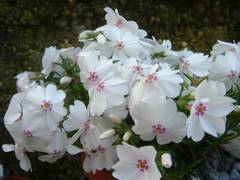 Amazing grace creeping phloxPhlox subulata 'Amazing Grace'
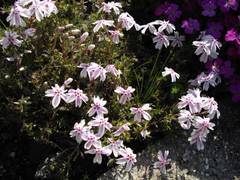 Candy stripe creeping phloxPhlox subulata 'Candy Stripe'
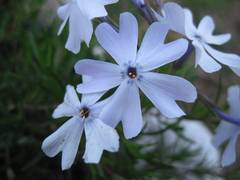 Emerald blue creeping phloxPhlox subulata 'Emerald Blue'