Showing articles 1 to 23 of 23
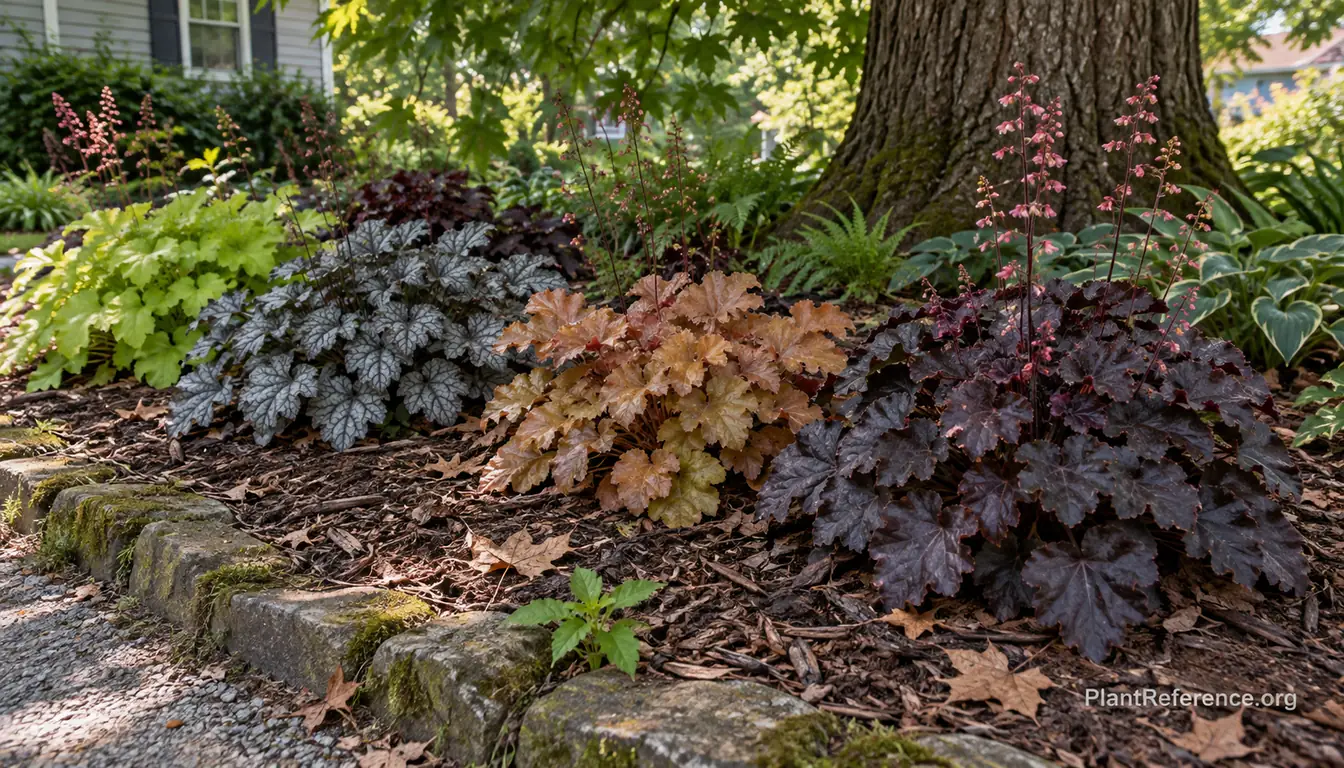
How to grow heuchera (coral bells): the right light, drainage and planting depth, plus how to fix crown heaving, scorch and vine weevil damage.
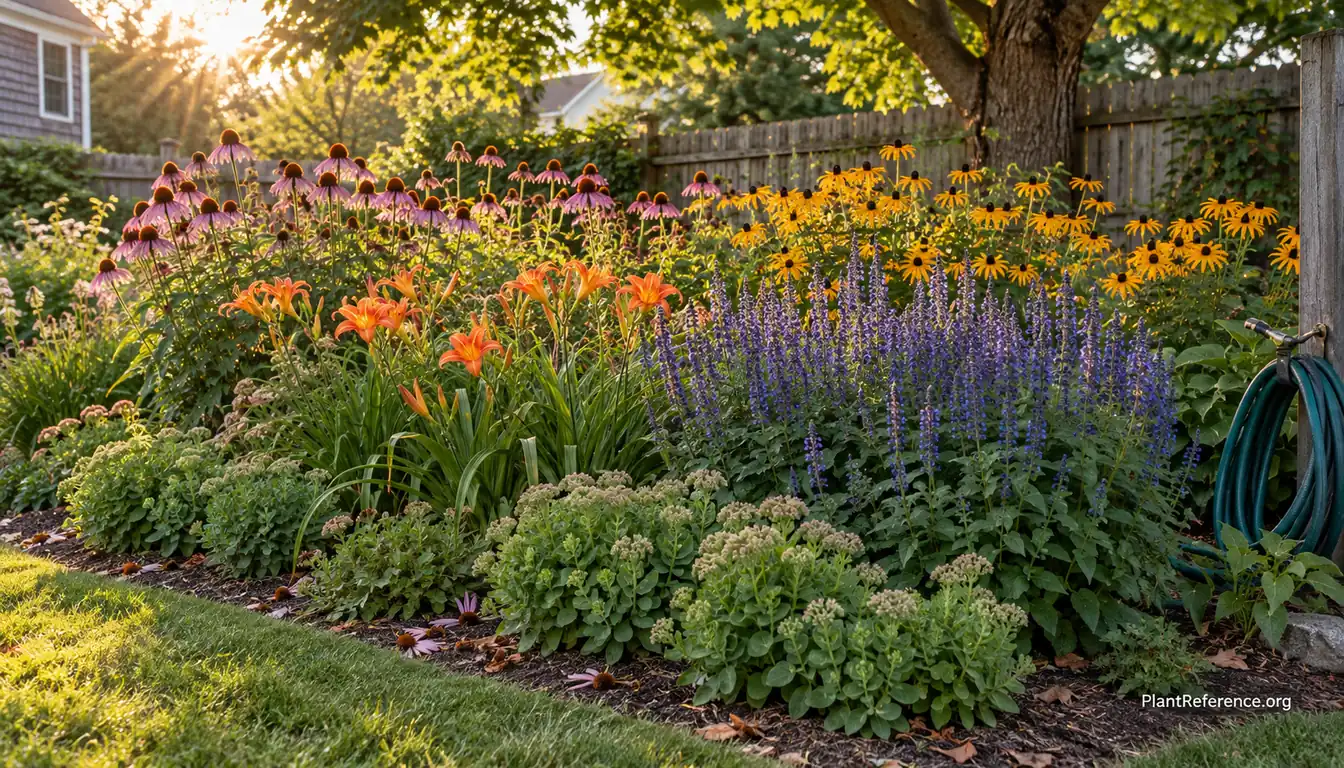
A perennial garden plan for spring through fall bloom means layering staggered bloom times, so something is always flowering from the first thaw until frost.
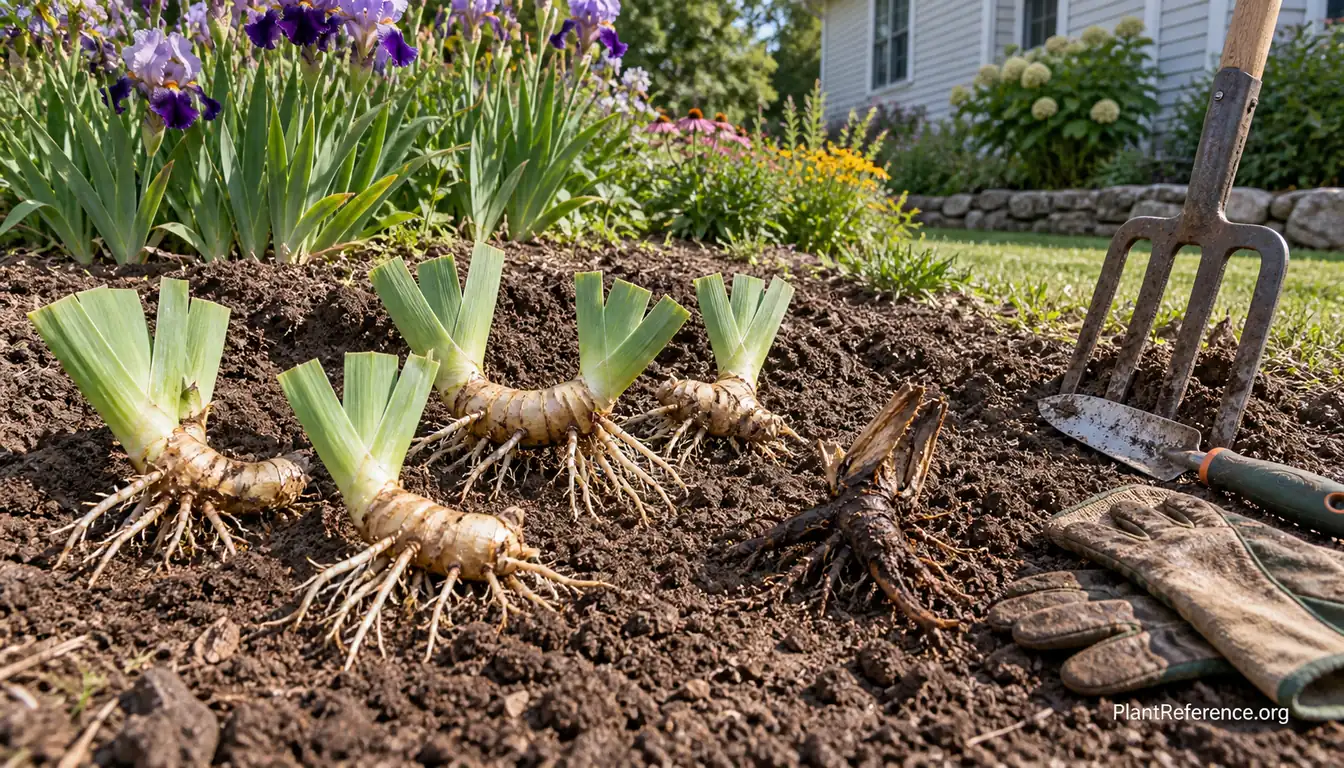
Learning how to divide irises correctly comes down to timing and planting depth. Lift bearded iris 6-8 weeks after bloom, discard the woody center, and replant rhizomes at the surface.
Peonies not blooming are almost always planted too deep, too shaded, or too young. Here are the five real causes and the exact fix for each one.
Deer-resistant perennials rely on aromatic oils, fuzzy textures, or bitter compounds deer avoid. This zone-by-zone guide covers the toughest choices from Zone 3 through Zone 10, plus buffer-planting strategy.
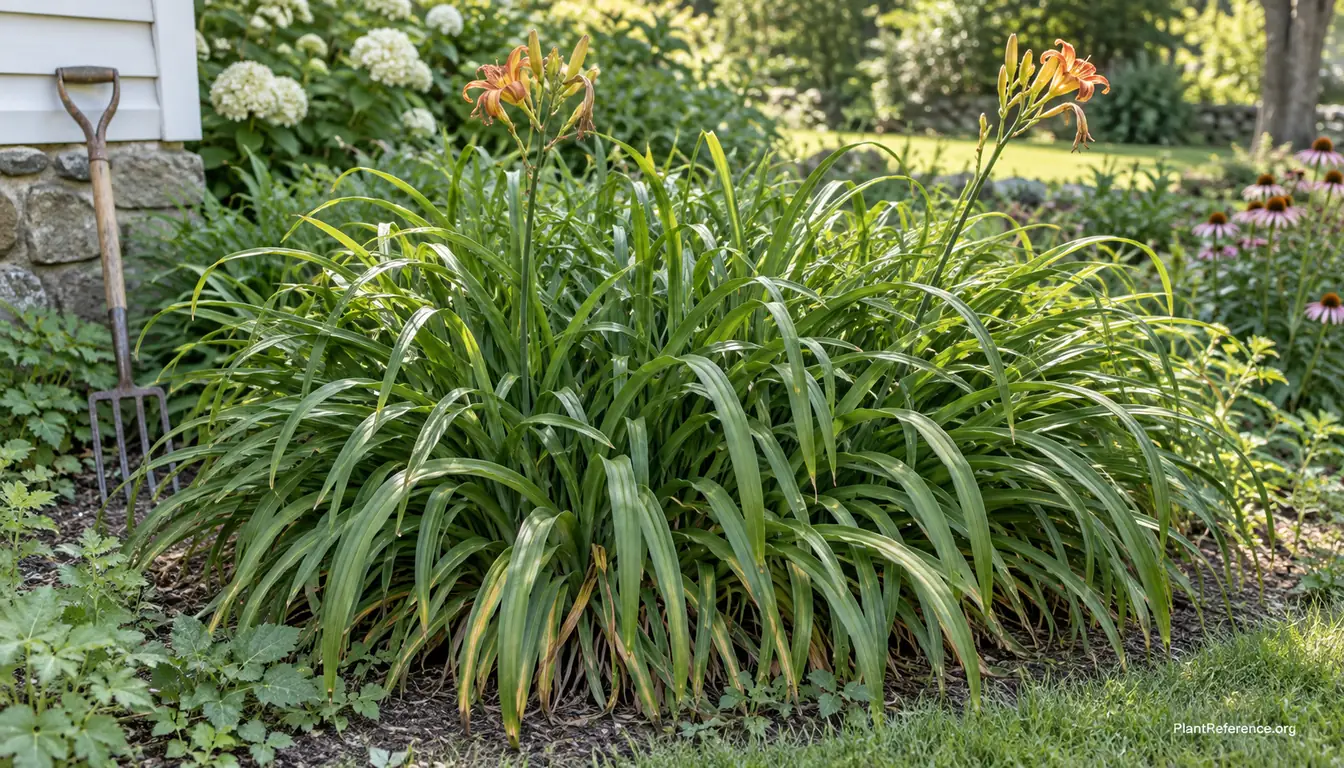
Learn how to grow daylilies from planting to division. This complete guide covers soil, watering, deadheading, and the step-by-step method for splitting clumps every 3-5 years.
Learning how to divide perennials keeps clumps vigorous and gives you free plants. Here's when, why, and the exact method for daylilies, hostas, iris, and more.
Daylilies can stop blooming from crowding, shade, deep planting, excess nitrogen, or drought. Check the growing conditions and use the fix that fits.
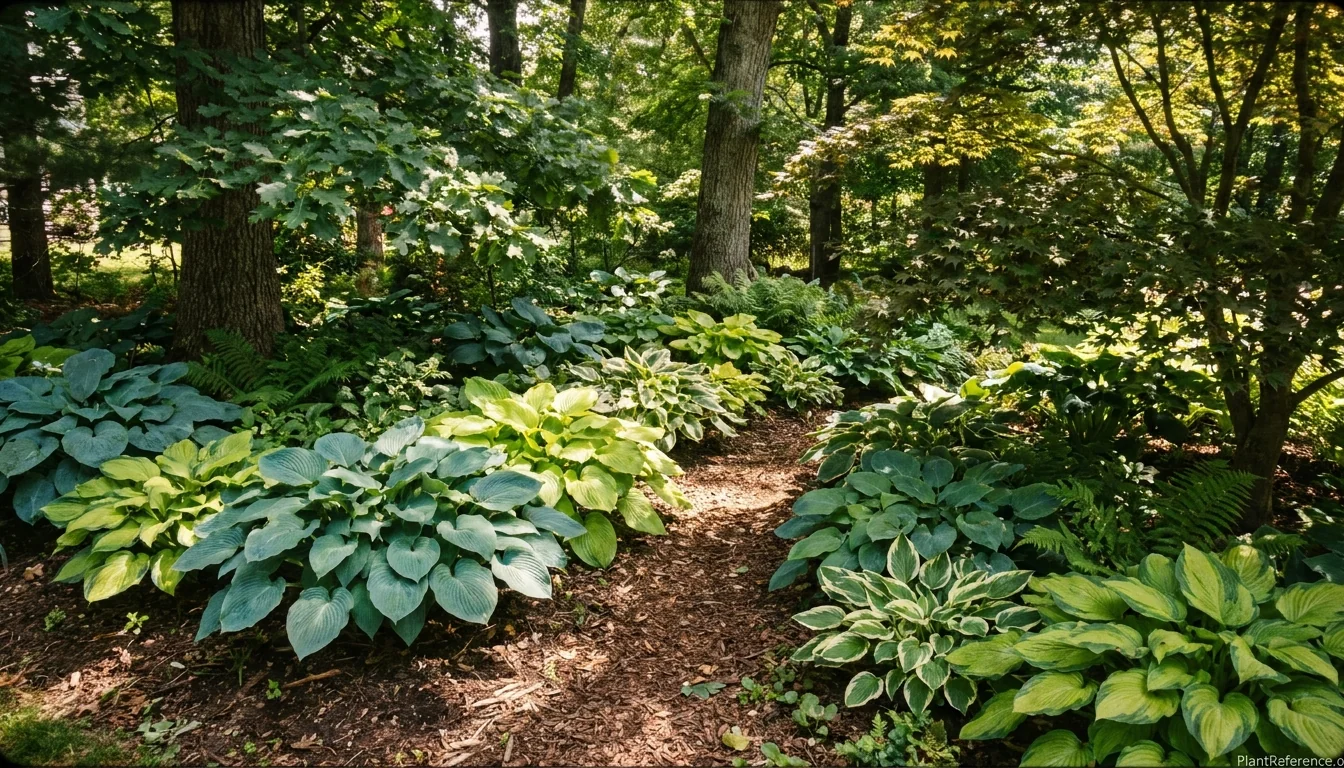
Learn how to grow hostas with this complete guide to varieties, planting, care, and stopping slugs for good. Everything you need for lush shade-garden foliage.
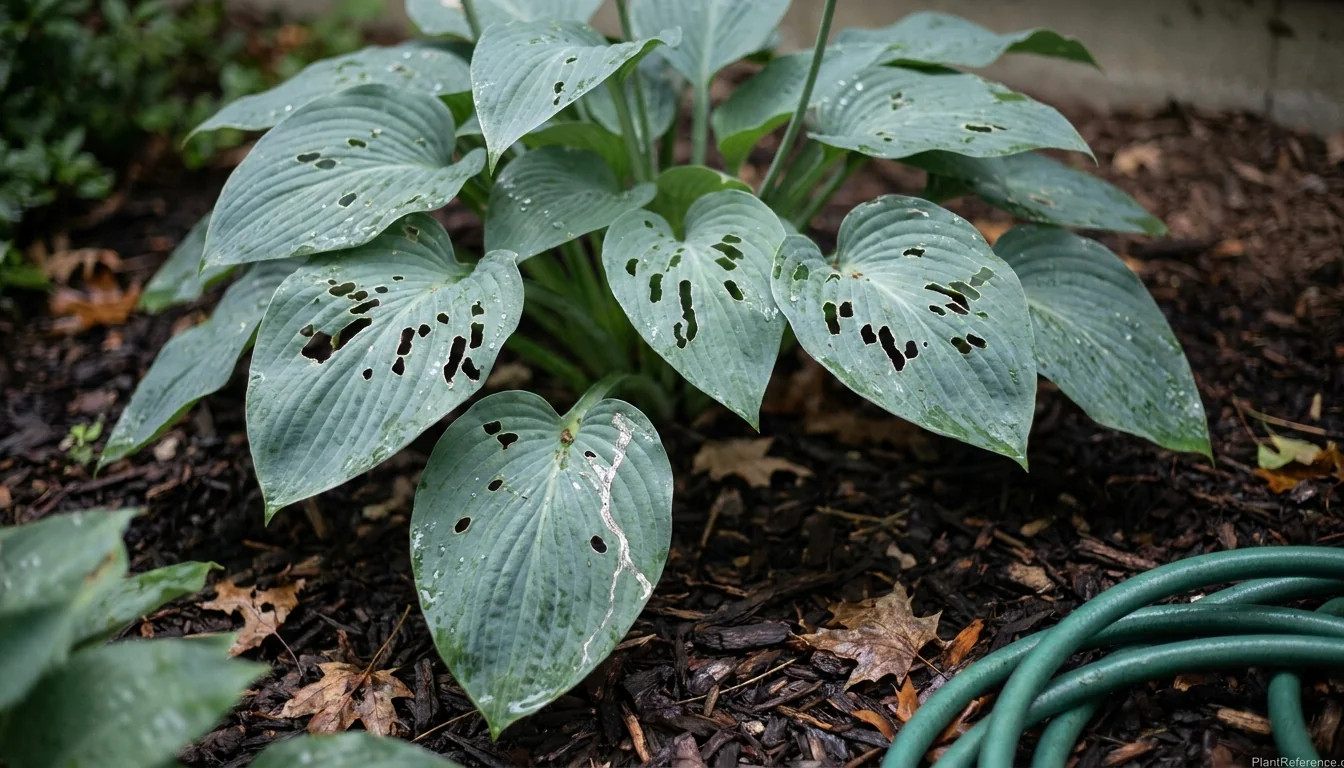
Slugs on hostas are beatable, but only a few methods actually work. Here is what controls them, what wastes your time, and the order to do it in.
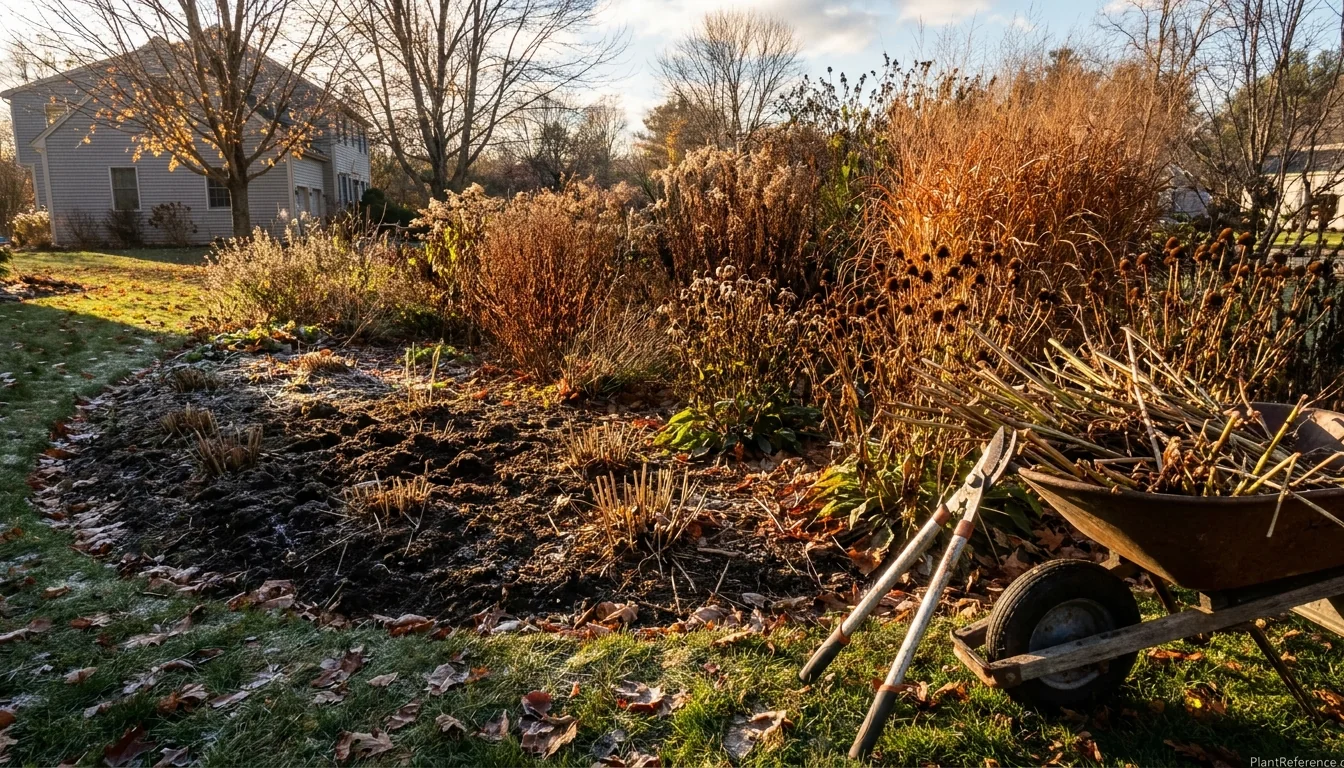
Knowing when to cut back perennials in fall comes down to disease pressure, not tidiness. Cut peonies, bearded iris, hostas and bee balm — leave the rest standing until spring.
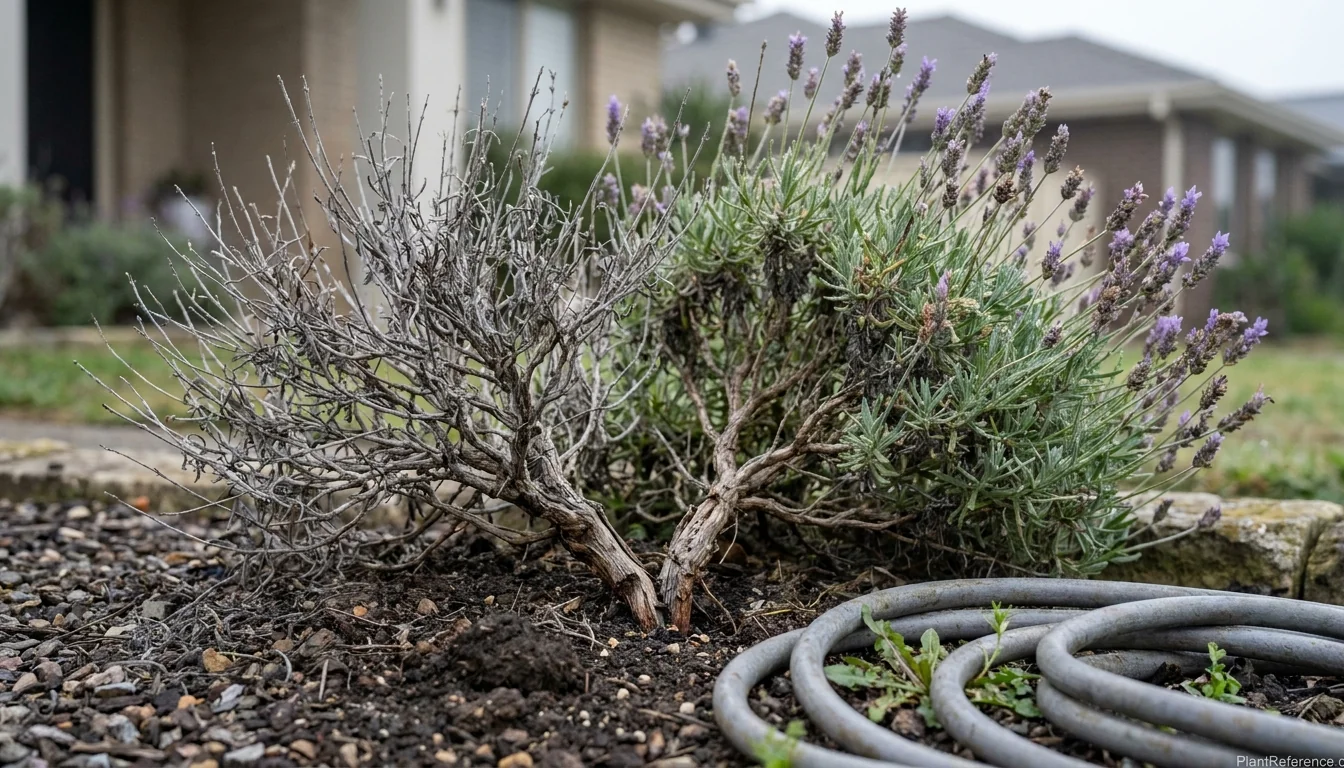
Lavender dying is almost never a cold problem — it's a drainage problem. Here's how to diagnose what killed yours and rebuild the site so the replacement lives.
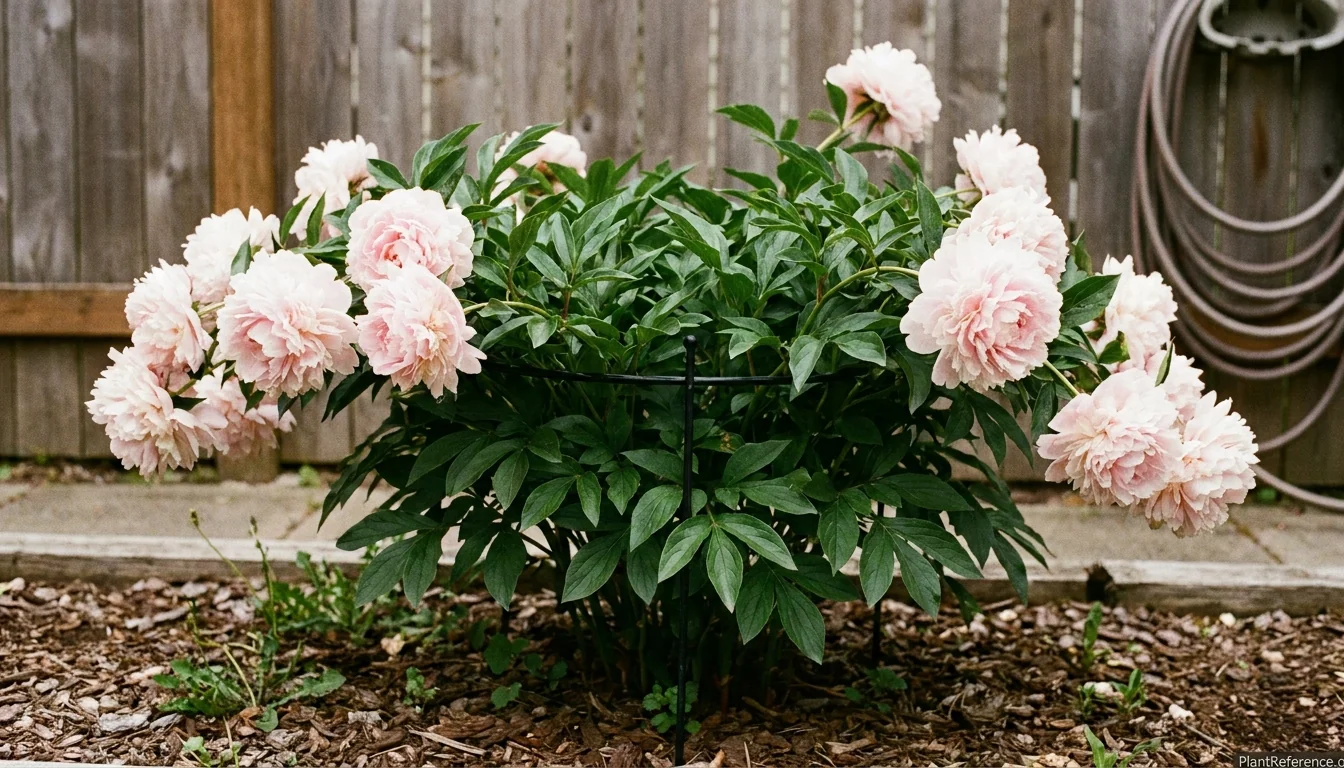
Learn how to grow peonies that bloom for decades. Correct planting depth, honest staking advice, chill requirements, and the fall cleanup that prevents disease.
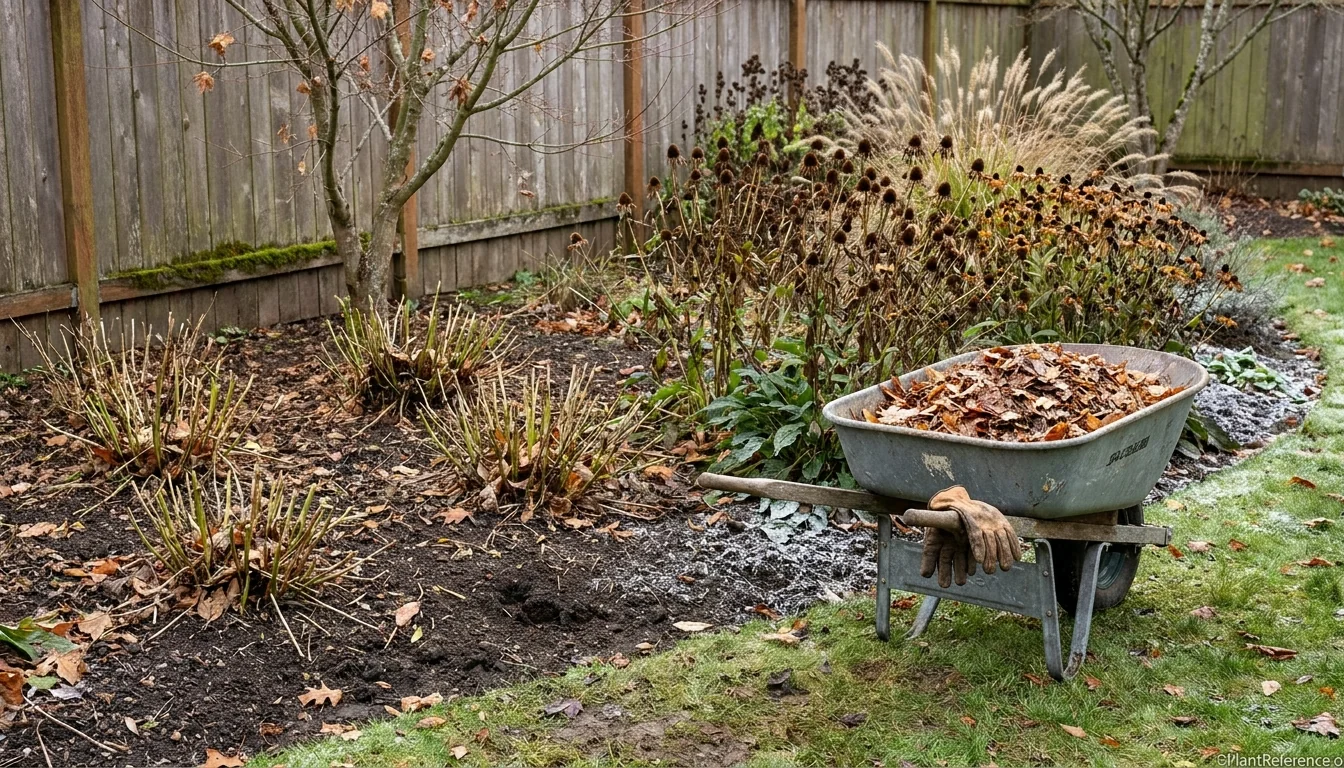
Learn how to prepare a perennial garden for winter species by species — which plants to cut back, which to leave standing, and when to mulch so crowns survive freeze-thaw.
The best low-maintenance perennials for beginners are the ones that survive neglect. These 10 plants handle poor soil, skipped watering, and a first-timer's honest mistakes.
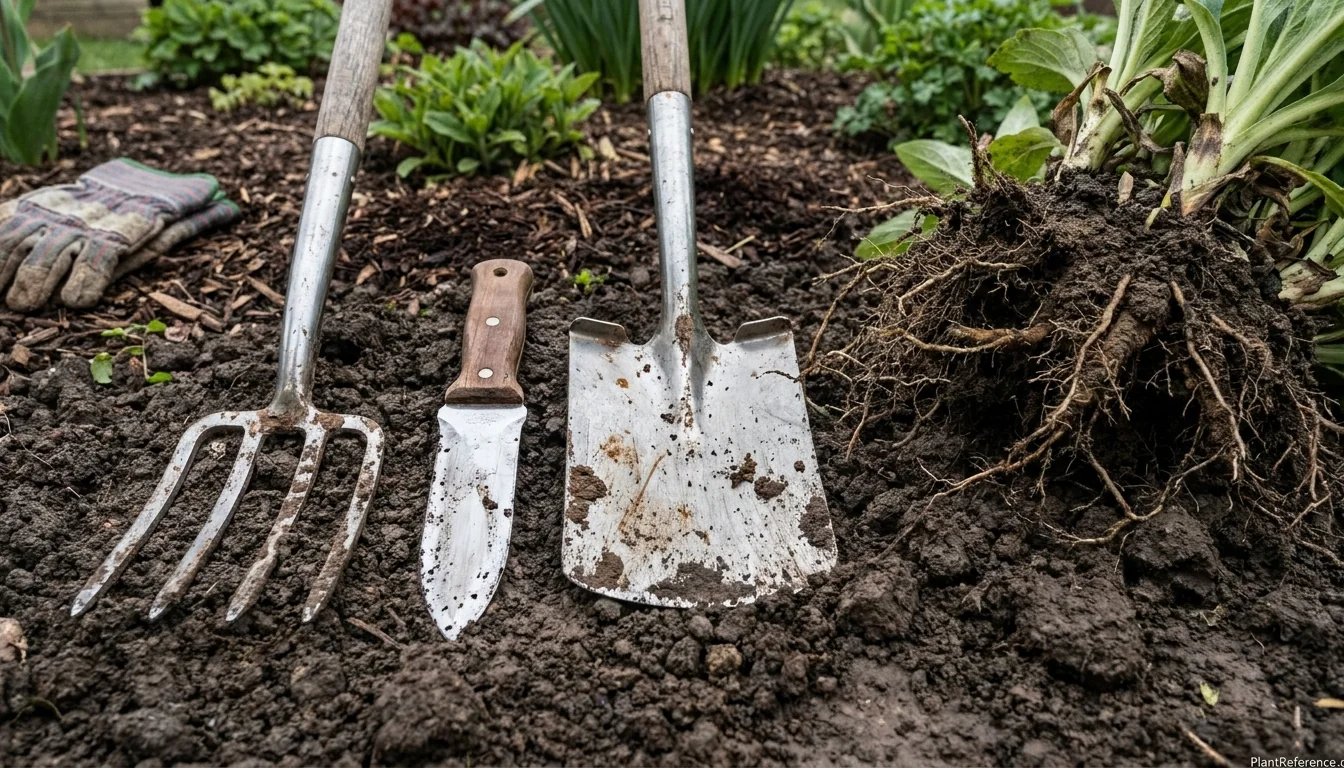
The best tools for dividing perennials depend on root structure, not price. Here's how forks, knives and spades compare across fibrous, clumping and rhizomatous roots.
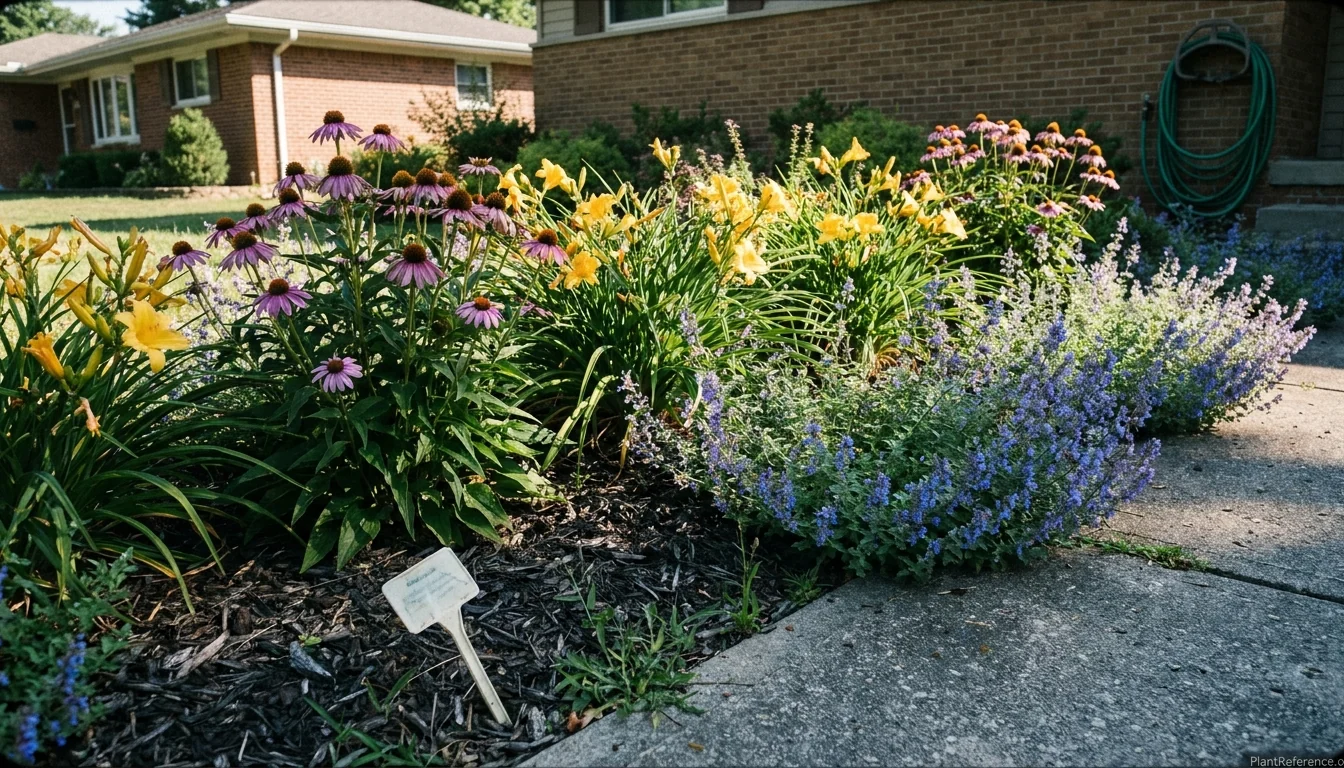
Perennial companion planting combinations that actually work, organised by season. Match conditions first, then stagger bloom times so the border never goes blank.
Learning how to grow coneflowers comes down to one counterintuitive rule: give them poor soil and full sun, then mostly leave them alone for the next decade.
The best perennials for shade, ranked by a nurseryman: 12 species that thrive without full sun, sorted by dry shade, moist shade and deep shade under trees.
The best perennials for pollinators aren't the showiest ones. These 10 native and adapted species feed bees and butterflies from April through hard frost.
The best perennial flower collections for beginners match the planting site; some include a planting map. Here are six options for different jobs and two kinds of collection to approach cautiously.
Twelve perennials that bloom all summer, with real bloom windows, spacing, and the deadheading schedule that keeps each one flowering from June until frost.
When to plant perennials, season by season, with the soil temperature thresholds and the six-week fall rule that decide whether a plant establishes or dies.