Why Your Daylilies Stopped Blooming (And How to Fix It)
Pets & Toxicity
Recorded toxicity for plants linked in this guide. An unknown status is not a safety assessment.
Toxic to pets: Stella de Oro daylilyDetailsHide
Hemerocallis × 'Stella de Oro' — Toxicity Warning
Toxic to petsView Hemerocallis × 'Stella de Oro' plant profile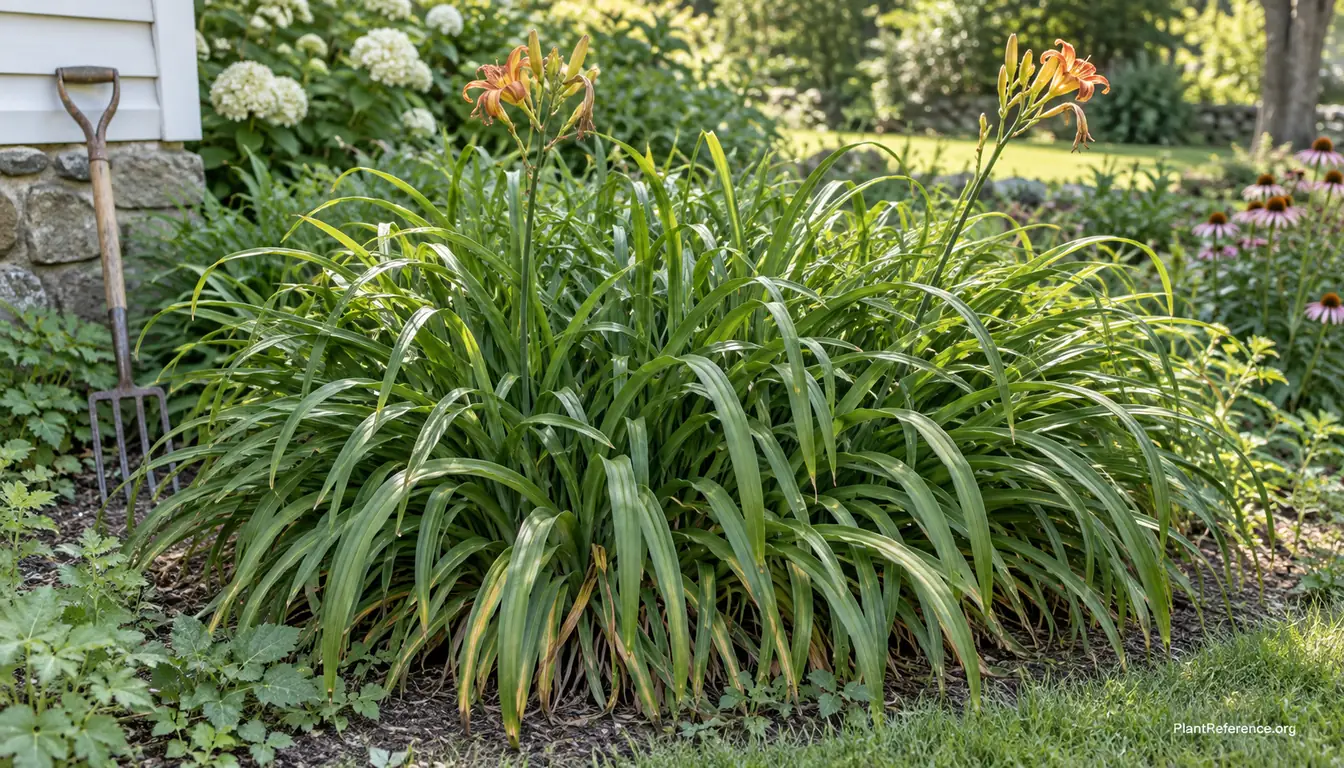
— Image © PlantReference.org 2026
Daylilies are supposed to be the easy plant—the workhorse you stick in the ground and forget. So when a clump that bloomed for years suddenly gives you nothing but leaves, it feels like a betrayal. The good news is that a non-blooming daylily is often fixable, and there are several common causes to check. After years of renovating tired perennial beds around Boston, I can tell you the fix is rarely complicated. Let's walk through why your daylilies stopped blooming and exactly what to do about it.
Overcrowding
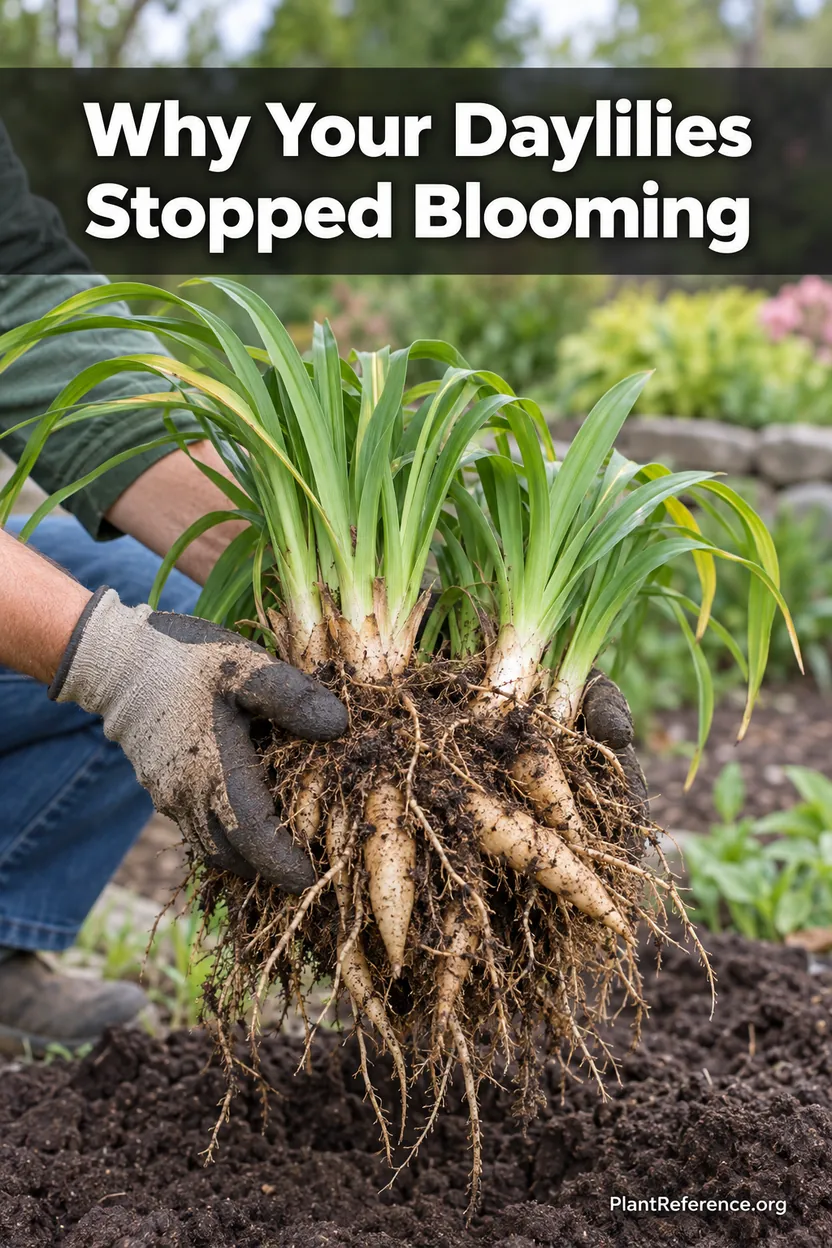
If your daylilies have plenty of foliage but few or no flowers, start here. Hemerocallis (hem-er-oh-KAL-iss) forms expanding clumps of fans with fibrous or fleshy, tuberous roots. Eventually the clump becomes so dense that the plants compete with themselves for water, nutrients, and root space. Competition can reduce the resources available for scapes and buds.
A big, healthy-looking mound of leaves with few flowers can be a clue. Dig into the center and you'll often find a congested or bare center with the vigorous growth pushed to the outer ring. Check for crowding every three to four years, and divide when the clump becomes congested and flowering declines; some clumps can go longer.
Dividing is straightforward. Lift the whole clump with a garden fork in early spring or after blooming, allowing four to six weeks before the ground freezes, water it first so the roots come up intact, and cut the foliage back to 4-6 inches (10-15 cm) to make it manageable. Keep cats away from daylilies and discarded divisions: all parts, including pollen, can cause fatal kidney failure in cats. Suspected exposure needs immediate veterinary attention. Then split the crown into sections, each with three to five healthy fans of leaves. A sharp spade or a soil knife works through the dense crown; for really tough clumps, two garden forks placed back to back and pried apart do the job with less damage.
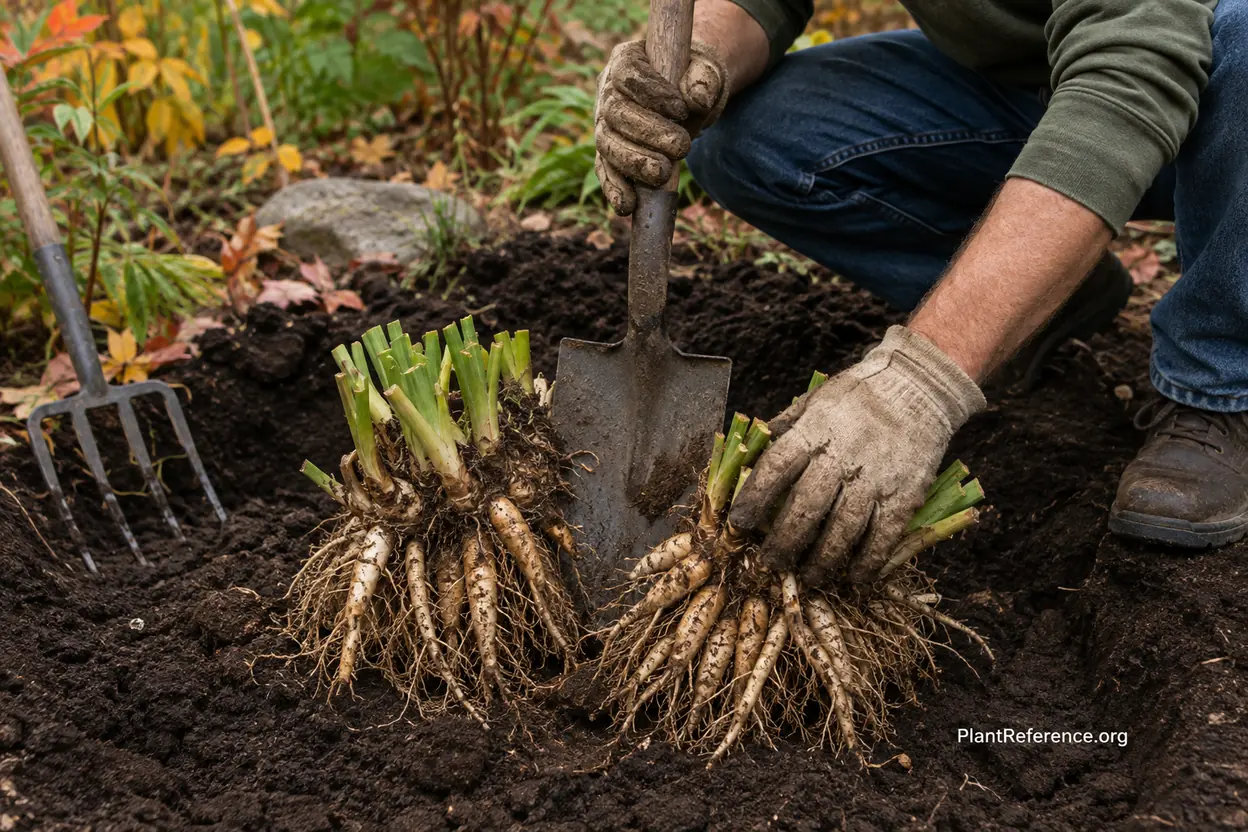
Replant divisions promptly, spacing them 18-24 inches (45-60 cm) apart so they have room to fill in again. Work a couple inches of compost into each planting hole—see Best Soil Mix for Raised Beds: Creating the Perfect Growing Medium for the kind of rich, free-draining blend daylilies respond to. Water them in well, and bloom may be lighter at first; prime flowering can take two or three growing seasons.
Not Enough Sun
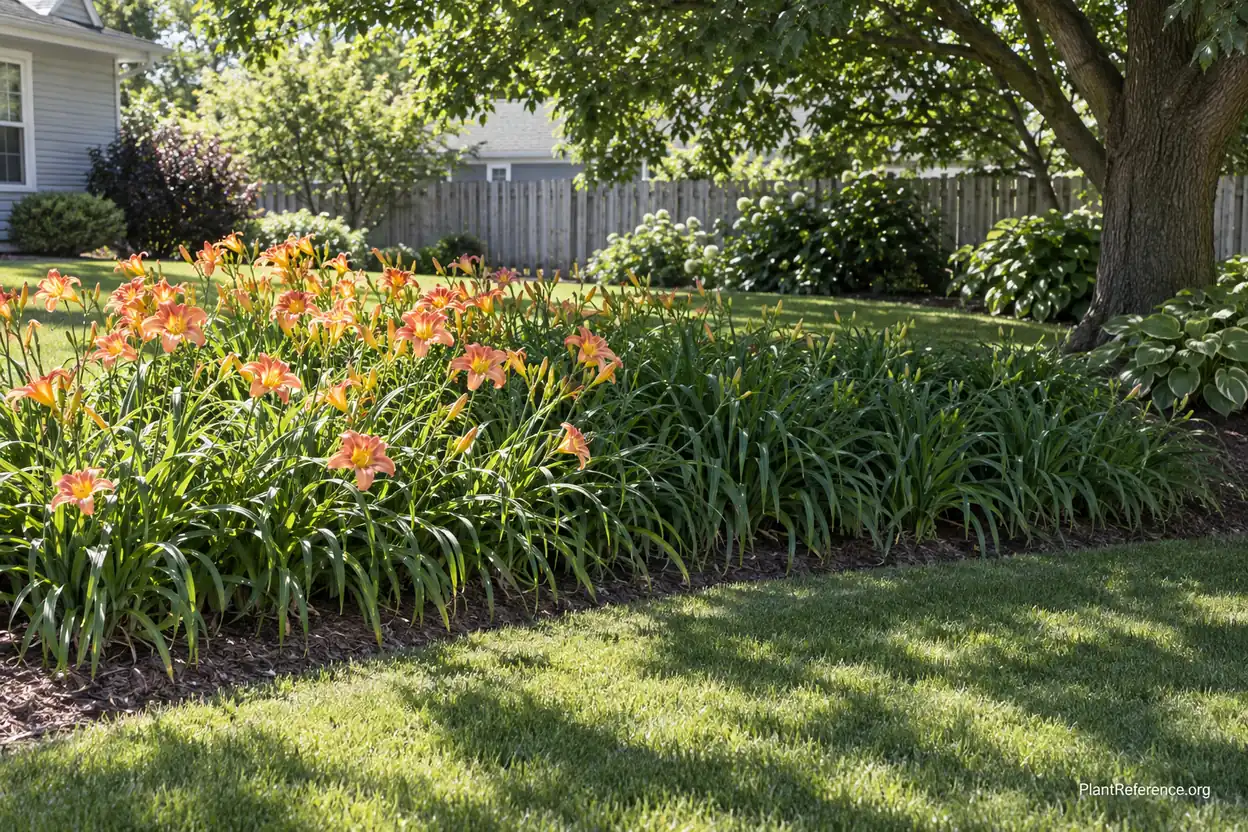
Daylilies are sun plants. They want at least six hours of direct sun a day, and more is better for the heaviest bloomers. The trouble is that gardens change. A daylily bed planted in full sun a decade ago may now sit in the afternoon shadow of a maple that has quietly doubled in size. The plant may keep growing leaves but produce fewer flowers as the shade increases.
Watch your bed across a full day and count the actual hours of direct sun the daylilies receive. If it's dropped below six, you have two choices: prune back the overhanging branches to let light through, or move the daylilies to a sunnier spot. Fortunately, Hemerocallis transplants easily, and moving a clump gives you the perfect chance to divide it at the same time. If you're relocating them into a fresh bed, How to Build a Raised Garden Bed: Step-by-Step Construction Guide walks through building one in a sunnier part of the yard. Pale-flowered varieties generally develop their color well in full sun, while many reds and purples benefit from shade during the hottest part of the day.
Planted Too Deep
Planting depth is a quiet bloom-killer, and it catches even experienced gardeners. The crown of a daylily—where the roots meet the foliage—should sit no more than about an inch (2.5 cm) below the soil surface. When it's buried deeper, whether from planting too low or from years of mulch and soil piling up around it, flowering and overall vigor can suffer.
This one is easy to check. Scrape away the soil and mulch at the base of a non-blooming clump and find the crown. If it's sitting two or three inches down, that may be contributing to the problem. Lift the plant, reset it with the crown just below the surface, and firm the soil around the roots. While you're at it, pull the mulch back so it isn't mounded against the base. If you tend to remulch heavily each year, Raised Bed Soil Settling and Compaction: Prevention and Solutions is a useful reference for managing soil levels, but keep added soil and mulch from burying daylily crowns.
Too Much Nitrogen
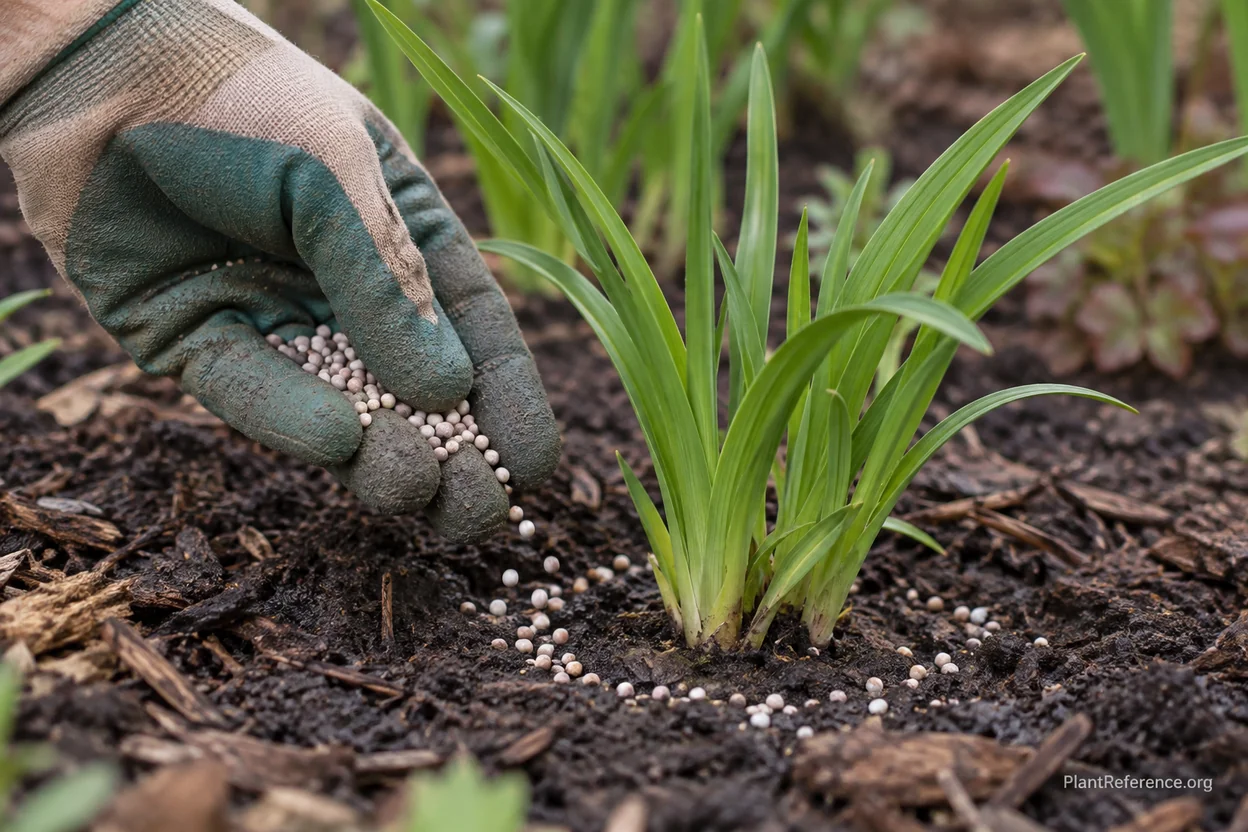
It sounds backward, but overfeeding is a common reason daylilies stop blooming—especially for clumps growing near a lawn. Lawn fertilizers are heavy in nitrogen, and excess nitrogen can encourage leafy growth while reducing bloom. A daylily getting excess nitrogen from a fertilized lawn may grow abundant foliage but bloom poorly.
Cut the nitrogen. Stop any high-nitrogen feeding near the bed, and use a soil test to decide whether any replacement fertilizer is needed. Add phosphorus only if the test calls for it, and follow the product label. A single light spring feeding is often enough, and fertile soil may need none; poor or sandy soil may need a different schedule. If your beds sit downhill from a lawn you fertilize, a low edging or a few feet of buffer planting can intercept the runoff. And if you're unsure what your soil is already supplying, a simple test clears it up—Raised Bed Soil pH Problems: Testing, Adjusting, and Maintaining Balance covers the basics of reading and adjusting your soil.
Frost Damage and Declining Vigor
Another possibility is late-frost damage. In a year when a hard frost lands after growth is well underway, it can kill the developing flower scapes even though the foliage recovers. Damaged scapes can mean fewer blooms that season, but recovery varies. A frost-rated row cover secured over the clump on a late-frost night can reduce damage; lightweight covers offer limited protection and may not protect scapes in a hard freeze.
Declining vigor in an established clump calls for a check of its growing conditions. 🌿Hemerocallis 'Stella de Oro', the ubiquitous gold rebloomer, can lose bloom when crowded or poorly sited. Check crowding, shade, moisture, soil fertility, and plant health before replacing a declining clump. Dividing and replanting the strongest healthy fans can help when crowding is the cause. This is one reason I tell clients not to lean an entire bed on a single variety.
Your Bloom-Recovery Plan
Work through these checks to narrow down the problem. Start by checking whether the clump is overcrowded—if it's a big dense mound with declining bloom, division may help. Next, count the hours of direct sun and prune or relocate if it's short of six. Then check the planting depth and reset any buried crowns to just below the surface. Check root-zone moisture too: drought can reduce bloom and cause buds to drop, so water deeply as needed while maintaining good drainage. Finally, look at your feeding: avoid excess nitrogen and feed only as needed. Check the cultivar's normal bloom season; if buds disappear or look distorted, inspect for browsing or pests. Seek a diagnosis for soft or rotting crowns before dividing.
The best time to do this reset work is early spring as new growth appears, or after flowering with four to six weeks left before the ground freezes—both allow time for roots to establish. Give divided plants a season to settle and don't expect a full show the first summer after; the energy is going into new roots. Prime flowering may take two or three growing seasons, depending on the division and growing conditions. For the rich, well-drained soil that speeds recovery, Best Soil for Raised Beds: 6 Commercial Mixes Tested and Compared is a useful reference when you're amending the bed, and if your ground stays soggy, Poor Drainage in Raised Beds: Causes and Fixes for Waterlogged Soil explains how to fix it—daylilies tolerate a lot, but not standing water.
One last habit worth building: deadhead spent flowers and developing seedpods through the season and remove the whole scape once its buds are finished. On rebloomers especially, preventing seed production can help support another round of flowers, and it keeps the clump looking sharp while it rebuilds toward next year's flush.
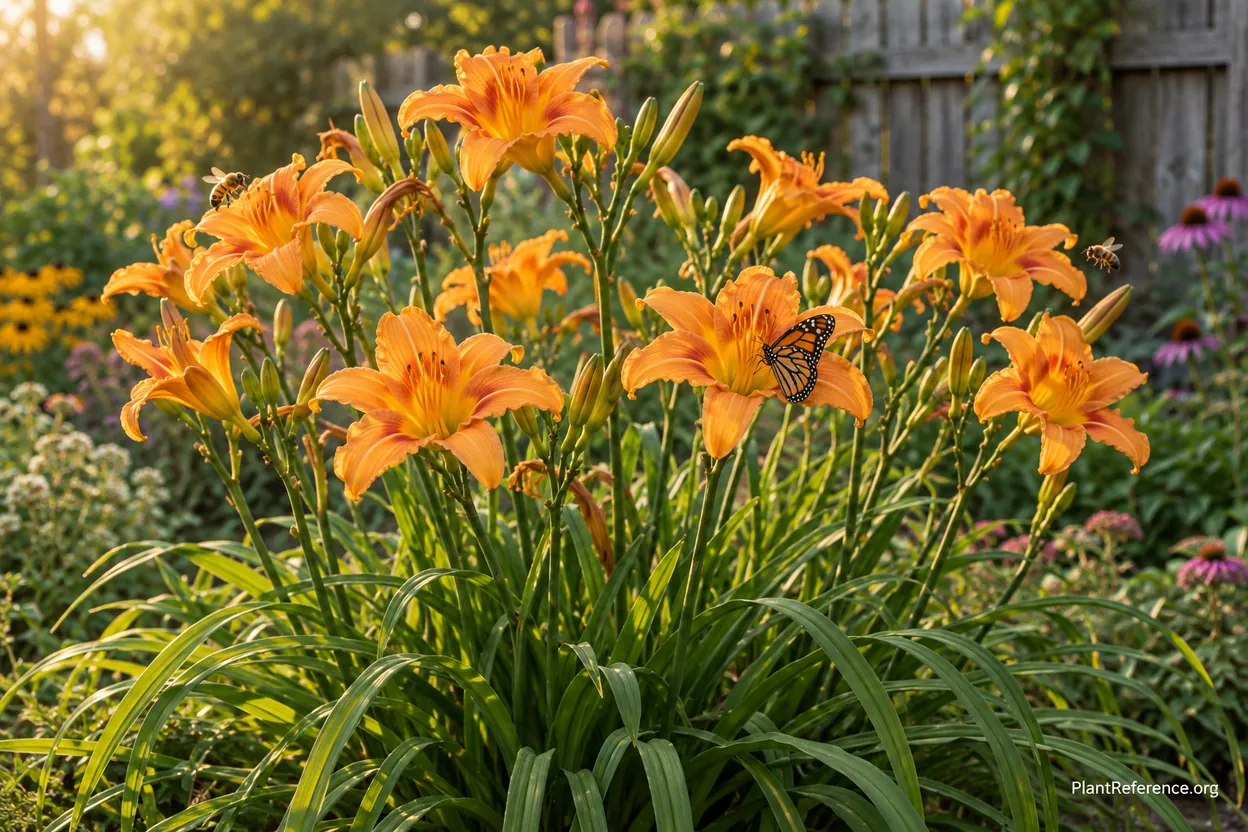
Daylilies want to bloom. Give them room, sun, the right planting depth, and a light hand with fertilizer, and a stalled clump can often recover.
Frequently Asked Questions
Reading about plants and recognising them are different skills. These three build the second.
- Daily PlantIdentify the day’s mystery plant from a close-up photograph.
- Keyed OutWork a dichotomous key, lead by lead, to name a hidden specimen.
- Name That PlantName a specimen from botanical clues dealt hardest first.
Free to play, no account needed
Tagged with
Kevin is a landscape contractor in the Boston area who specializes in cold-climate perennial gardens and hardscaping. He studied landscape design and worked at a prominent nursery on the North Shore before starting his own design-build firm. Kevin's gardens are built to handle New England weather—freeze-thaw cycles, nor'easters, late springs, and heavy snow loads. He's particularly interested in native perennials and shrubs that provide four-season interest without constant maintenance. Kevin writes about cold-hardy plant selection, winter garden structure, and building landscapes that look good even in February.