Image 1 of 20
1 / 20
Plant Reference
Dianthus, Genus, barbatus, Species,
- Genus & species
sweet william
Europe and western Asia; mountain meadows, rocky slopes, and grasslands at low to middle elevations
Overview
Dianthus barbatus is a traditional cottage-garden biennial in the family Caryophyllaceae reaching 12–24 inches (30–60 cm) tall in bloom and 9–12 inches (23–30 cm) wide from a low evergreen basal rosette of lance-shaped leaves. The biennial lifecycle forms a low foliage rosette from seed during the first growing season, overwinters as an evergreen rosette, produces a flowering stem in May through July of the second growing season, sets seed during July, and then dies at the end of the second year — the root system is not perennial and does not resprout in year three. Flat-topped dense terminal cymes 3–5 inches (7–13 cm) across open on single flowering stems in May through July across a 6-week bloom period, and each cyme carries many small 5-petaled flowers 0.5 inch (1.3 cm) across with fringed (bearded) petal margins in white, pink, red, salmon, purple, or bicolored patterns with contrasting eye zones and picotee petal edges; the specific epithet barbatus means bearded in Latin and refers to the fringed petal margins. The flowers carry a light clove scent that attracts honeybees and butterflies for nectar and pollen. The species has been cultivated in European gardens since at least the 16th century and is the parent species of many modern border cultivars. Limitation: the biennial lifecycle is the main management consideration for the species — a spring sowing of seed in year one produces only foliage that year, and no flowers open until year two, which means a bed of single-generation D. barbatus is without bloom for half of the planting period. Staggered sowings over 2 consecutive years establish both first-year and second-year plants in the same bed for annual bloom, or the species is allowed to self-sow from un-deadheaded plants and the seedling colony maintains itself over many years without intervention. First-year-bloom cultivars ('Dash' series, 'Jolt' series, 'Sweet' series) bypass the biennial requirement and produce flowers during the first growing season from spring-sown seed, and these cultivars are used in commercial bedding plant production where annual bloom is the design requirement. All parts of the plant contain saponins and are toxic to cats and dogs if the foliage or flowers are chewed; crown rot develops in wet winter soils and the species is not suited to heavy clay positions without raised beds or amended drainage.
Native Range
Native to Europe and western Asia from the Pyrenees through the Alps, Carpathians, and Caucasus to the mountains of southern Russia and northern Iran. Grows in mountain meadows, rocky slopes, and grasslands at low to middle elevations, typically on well-drained calcareous substrates. Cultivated across European gardens since at least the 16th century and naturalized in many temperate regions outside the native range, including parts of eastern North America where the species persists in old garden sites and roadside populations.Suggested Uses
Used in cottage gardens, mixed borders, cutting gardens, cut-flower production, and containers of at least 2 gallons (7.5 L) at 9–12 inch (23–30 cm) spacing. The flat-topped fragrant flower clusters in white, pink, red, salmon, purple, and bicolored patterns supply border color during the late-spring-through-early-summer period, the flowers hold well as cut stems for arrangements, and staggered sowings or self-sown colonies maintain annual bloom in the same bed without replanting. First-year-bloom cultivars ('Dash', 'Jolt', 'Sweet') supply bedding-plant annual bloom where the biennial cycle of the species type is a constraint. Sites with heavy wet clay soil and gardens where pet access to the flowers and foliage is a concern are unsuitable because of crown rot in wet winter soils and the saponin toxicity to cats and dogs.How to Identify
Appearance
Size & Dimensions
Height1' - 2'
Width/Spread9" - 1'
Bloom Information
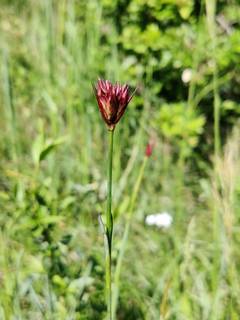
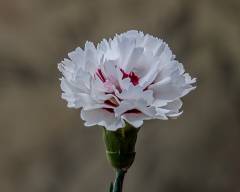
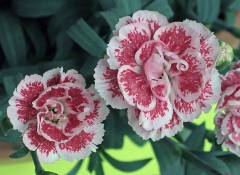
Flat-topped dense terminal cymes 3–5 inches (7–13 cm) across open on single flowering stems in May through July across a 6-week bloom period. Each cyme carries many small 5-petaled flowers 0.5 inch (1.3 cm) across in white, pink, red, salmon, purple, or bicolored patterns with contrasting eye zones and picotee petal edges, and the flowers carry a light clove scent that attracts honeybees and butterflies. Seed capsules develop through July and release small black seeds by August; self-sown seedlings establish in late summer and overwinter as basal rosettes for bloom the following year.
Detailed Descriptions
Flower Description
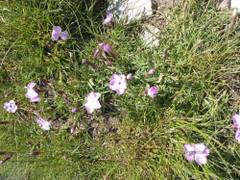
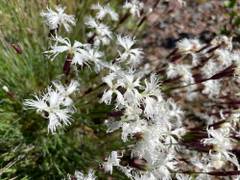
white, pink, red, salmon, purple, or bicolored (often with contrasting eye zones and picotee petal margins) in flat-topped dense terminal cymes 3-5 inches (7-13 cm) across made up of many small 5-petaled flowers each 0.5 inch (1.3 cm) across with fringed (bearded) petal marginsFoliage Description
bright to medium green; simple, lance-shaped, opposite, 2-4 inches (5-10 cm) long; forms a low evergreen basal rosette during the first growing season and persists through winterGrowing Conditions
Sun Requirements
Requires 4-8 hours of direct sunlight daily
• Full Sun: 6+ hours of direct sunlight
• Partial Shade: 3-6 hours of direct sunlight
• Full Shade: Less than 3 hours of direct sunlight
Care & Maintenance
Care Guide
Site in full sun to partial shade with 4–8 hours of direct sun per day in well-drained soil with a pH of 6.5–7.5; the species tolerates alkaline and chalky substrates better than most border perennials and struggles on acidic clay soils without drainage amendment. Seed is sown in late spring or early summer of year one to establish basal rosettes for bloom the following year, or first-year-bloom cultivars from the 'Dash', 'Jolt', or 'Sweet' series are sown in late winter or very early spring for bloom during the same growing season. Crown rot develops in waterlogged winter soils, and raised beds or amended drainage are used on heavy clay sites. Rust (Puccinia species) can affect the foliage in warm humid conditions and infected leaves are removed and destroyed. Deadheading of spent flower cymes extends the bloom period but prevents self-sowing, and allowing the last flush of flowers to set seed establishes the next generation of seedlings without replanting. All parts of the plant are toxic to cats and dogs. Hardy in USDA zones 3–9.Pruning
Deadhead spent flower cymes through the bloom period to extend the flowering window, and leave the final flush of flowers to set seed so that the species self-sows for the following year's bloom. After the parent plant has set seed and the foliage yellows at the end of the second growing season, the spent plants are pulled and the bed is cleared for the next generation of seedlings that emerged from the ripe seed heads during summer. No other pruning is needed because the species completes its life cycle in two years and does not persist as a long-lived perennial.Pruning Schedule
Prune: June–July
summer
Container Growing
Suitable for container growing
Minimum container size: 2 gallons
Toxicity Warning
Toxic to petsPlanting Guide
Planting Methods & Timing
Planting Method
both
Indoor Start
8 weeks before last frost
Direct Sow Timing
Direct sow outdoors in late spring to early summer (June-July) for bloom the following year. Seeds germinate in 7-14 days at 65-70°F (18-21°C). Or start indoors 8 weeks before transplanting outdoors in spring for first-year bloom with early-flowering cultivars.
Days to Maturity
120–180 days
Plant Spacing
10 inches