Dianthus, Genus, armeria, Species,
- Genus & species
Deptford pink
Overview
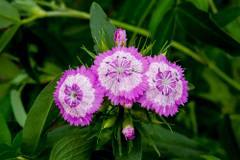
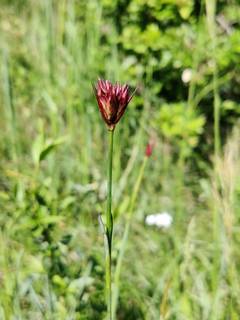
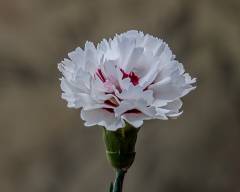
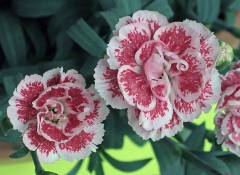
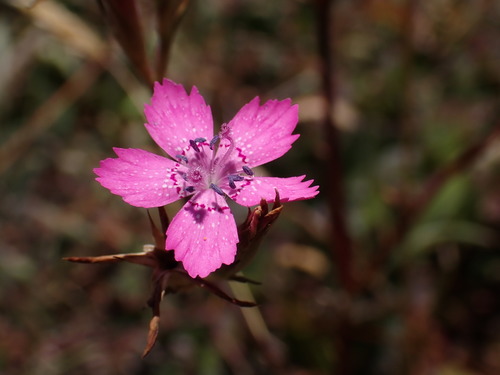
Dianthus armeria is an annual or biennial reaching 8-24 inches (20-60 cm) tall and 4-8 inches (10-20 cm) wide, with a slender, upright, sparsely branched stem. The narrow, lance-shaped leaves are 1-3 inches (2.5-7.5 cm) long, dark green, and hairy, set in opposite pairs along the stem. From a basal rosette formed in the first year, the plant sends up flowering stems in early summer. The flowers are small, 0.3-0.5 inch (8-13 mm) across, deep rose-pink with tiny white dots, held in tight terminal clusters above narrow leafy bracts. Each flower opens for a single day. Blooming runs from May to July. Native to Europe and western Asia, D. armeria has naturalized across much of North America in dry fields, roadsides, and open woods. Unlike the cultivated garden pinks, its flowers lack scent and are smaller and more scattered. The plant is short-lived and depends on self-sown seed to persist, so it can disappear from a site if seedlings are not allowed to mature. It grows in poor, dry soil in full sun and is hardy to USDA zone 3.
Native Range
Native to Europe and western Asia. Introduced to North America by the colonial era and now naturalized across the United States and southern Canada in dry, open habitats.Suggested Uses
Grown in meadow plantings, wildflower mixes, and naturalized dry borders. Sown or self-seeding at 6-10 inches (15-25 cm) spacing, it scatters early-summer color among grasses and other meadow species.How to Identify
Appearance
Size & Dimensions
Height8" - 2'
Width/Spread4" - 8"
Bloom Information
Detailed Descriptions
Flower Description
Rose-pink with white spotsFoliage Description
Dark greenGrowing Conditions
Sun Requirements
Requires 6-10 hours of direct sunlight daily
• Full Sun: 6+ hours of direct sunlight
• Partial Shade: 3-6 hours of direct sunlight
• Full Shade: Less than 3 hours of direct sunlight
Care & Maintenance
Care Guide
Dianthus armeria grows in full sun and dry to average, well-drained soil of low fertility, across a pH of 6.0 to 7.5. It tolerates sandy and rocky ground and needs little water once the rosette is established. As an annual or biennial, it completes its cycle in two seasons and relies on self-seeding to return. Rich soil and crowding favor taller competing plants that can shade it out. It has no significant pests. Letting some seed heads ripen maintains a stand from year to year.Pruning
No pruning is required. Removing spent flower clusters can prolong bloom, while leaving the final flush to set seed sustains future plants. Whole stems die back after seeding.Toxicity Warning
Toxic to petsPlanting Guide
Planting Methods & Timing
Planting Method
direct sow
Plant Spacing
8 inches