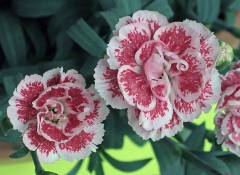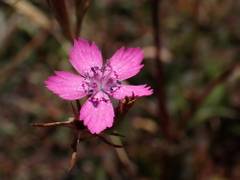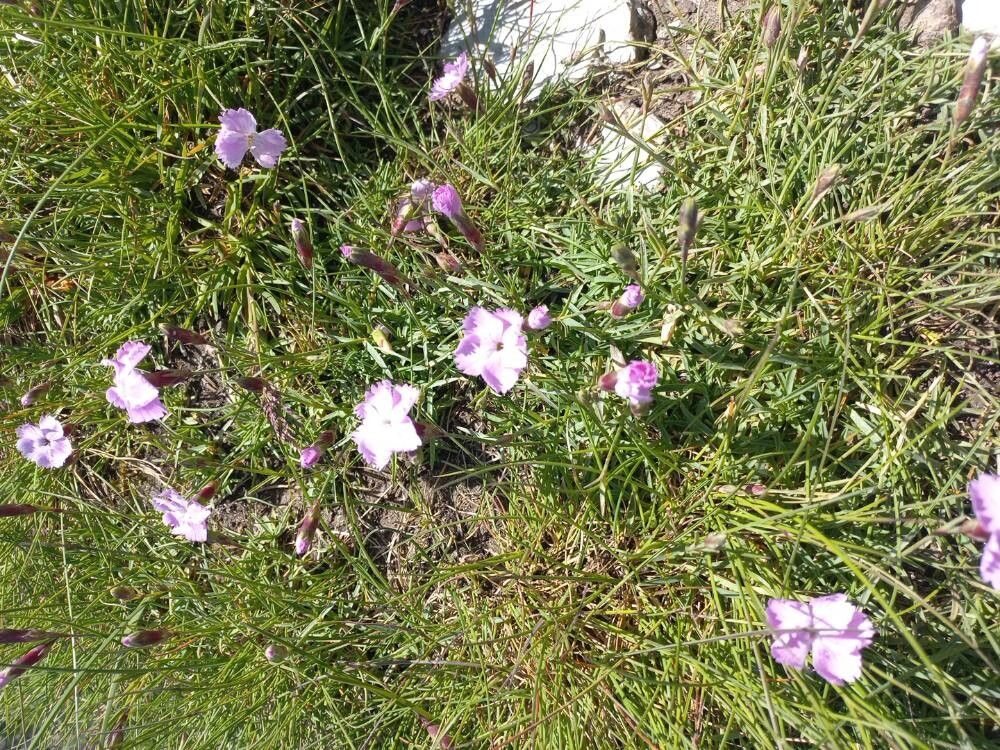
Dianthus, Genus, gratianopolitanus, Species,
- Genus & species
pinks
Native to limestone cliffs, rocky slopes, and crevices in western and central Europe, with the largest natural populations in the limestone gorges of the French and Swiss Jura, Germany, and England; the Cheddar Gorge in Somerset, England, is the source of the common name 'Cheddar pink'; listed as an endangered species in its native British range
Overview
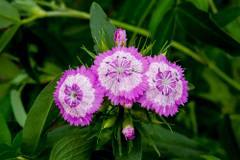
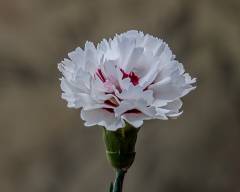
Dianthus gratianopolitanus is a low mat-forming perennial in the pink family (Caryophyllaceae) native to limestone outcrops and rocky slopes of western and central Europe, including the Cheddar Gorge in Somerset, England — the source of its common name, Cheddar pink. Plants form dense spreading mats of narrow blue-gray to gray-green leaves 1-3 inches (2.5-8 cm) long, reaching 6-12 inches (15-30 cm) tall in bloom with a spread of 12-18 inches (30-45 cm). Flowers are single, 0.75-1 inch (2-2.5 cm) across, with five fringed petals in pink, rose, or white, carried on slender stems above the foliage mat in late spring. The flowers carry an intense clove-like fragrance, among the stronger fragrances in the genus and comparable to carnation scent at smaller scale. Evergreen foliage holds year-round as a ground-cover mat. The species grows most successfully in lean alkaline very well-drained soils; waterlogged conditions cause crown rot and are the primary cause of plant loss. Hardy to USDA zone 3 — among the more cold-tolerant species in the genus. Cultivars such as 'Bath's Pink', 'Firewitch', and 'Feuerhexe' extend the hardiness range and improve bloom reliability beyond the species form.
Native Range
Dianthus gratianopolitanus is native to limestone cliffs, rocky slopes, and crevices in western and central Europe, with the largest natural populations in the limestone gorges of the French and Swiss Jura, Germany, and England (Cheddar Gorge, Somerset). Grows in thin alkaline freely draining soils in full sun at low to moderate elevations. Listed as an endangered species in its native British range.Suggested Uses
Used in rock gardens, raised beds, dry stone walls, and front-of-border positions in zones 3-8 at 12-18 inch (30-45 cm) spacing. Suits troughs and alpine containers well. Tolerates dry alkaline exposed conditions where most perennials fail, which extends the planting range into the harshest rock-garden and dry-wall positions. Fragrance is strongest in still warm air, so placement near seating areas or along path edges where garden users pass closely lets the clove scent register. Rich moist soils and shaded sites fall outside the species' tolerance range — crown rot is the typical failure mode in wet conditions.How to Identify
Appearance
Size & Dimensions
Height6" - 1'
Width/Spread1' - 1'6"
Bloom Information
Blooms May through June in zones 3-8, typically peaking in late May across a 3-5 week bloom window. In cooler climates (zones 3-5) bloom may extend into early July. Shearing plants lightly after first bloom sometimes stimulates a modest second flush in late summer. Individual flowers last 1-2 weeks; the overall display runs 3-5 weeks.
Detailed Descriptions
Flower Description
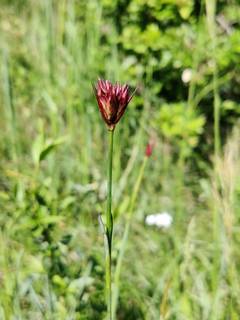
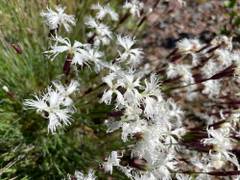
Single pink, rose, or white fringed-petal flowers 0.75-1 inch (2-2.5 cm) across carried on slender stems 6-12 inches (15-30 cm) above the foliage mat; strong clove-like fragrance; May-JuneFoliage Description
Blue-gray to gray-green narrow grass-like leaves 1-3 inches (2.5-8 cm) long forming a dense spreading mat; evergreen year-roundGrowing Conditions
Sun Requirements
Requires 6-8 hours of direct sunlight daily
• Full Sun: 6+ hours of direct sunlight
• Partial Shade: 3-6 hours of direct sunlight
• Full Shade: Less than 3 hours of direct sunlight
Care & Maintenance
Care Guide
Grows in full sun in very well-drained lean soil at pH 6.5-7.5 — alkaline conditions suit the species better than neutral or acidic soils. Rich amended soils and any location prone to standing water cause crown rot, which is the primary cause of plant failure. Sandy, rocky, or gritty soils produce the tightest foliage mat and the most reliable bloom. Water during establishment; established plants are drought tolerant. Shear lightly after bloom to prevent the center from becoming woody and to maintain a compact mound. Propagate by stem cuttings in June-July to replace aging plants. Plants may become woody and open in the center after 3-5 years; replace or propagate at that point.Pruning
Shear spent flower stems back to the foliage mound immediately after bloom — avoid cutting into the woody base. Lightly trim the foliage mound in early spring to remove winter-damaged stems and encourage fresh growth from the center. Propagate by stem cuttings in summer to maintain a stock of young plants; older plants decline in vigor after 4-5 years.Pruning Schedule
Prune: March & June
early springsummer
Container Growing
Suitable for container growing
Minimum container size: 1 gallons