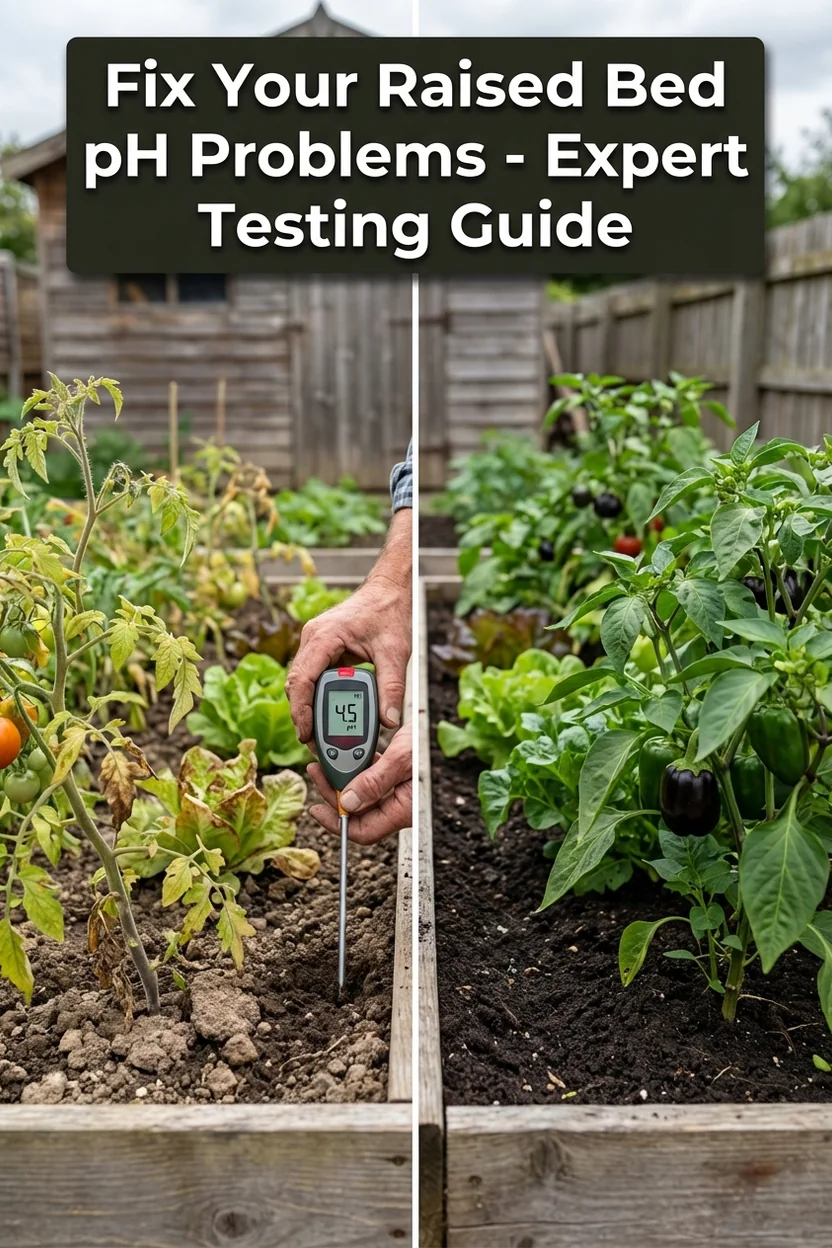
Raised Bed Soil pH Problems: Testing, Adjusting, and Maintaining Balance
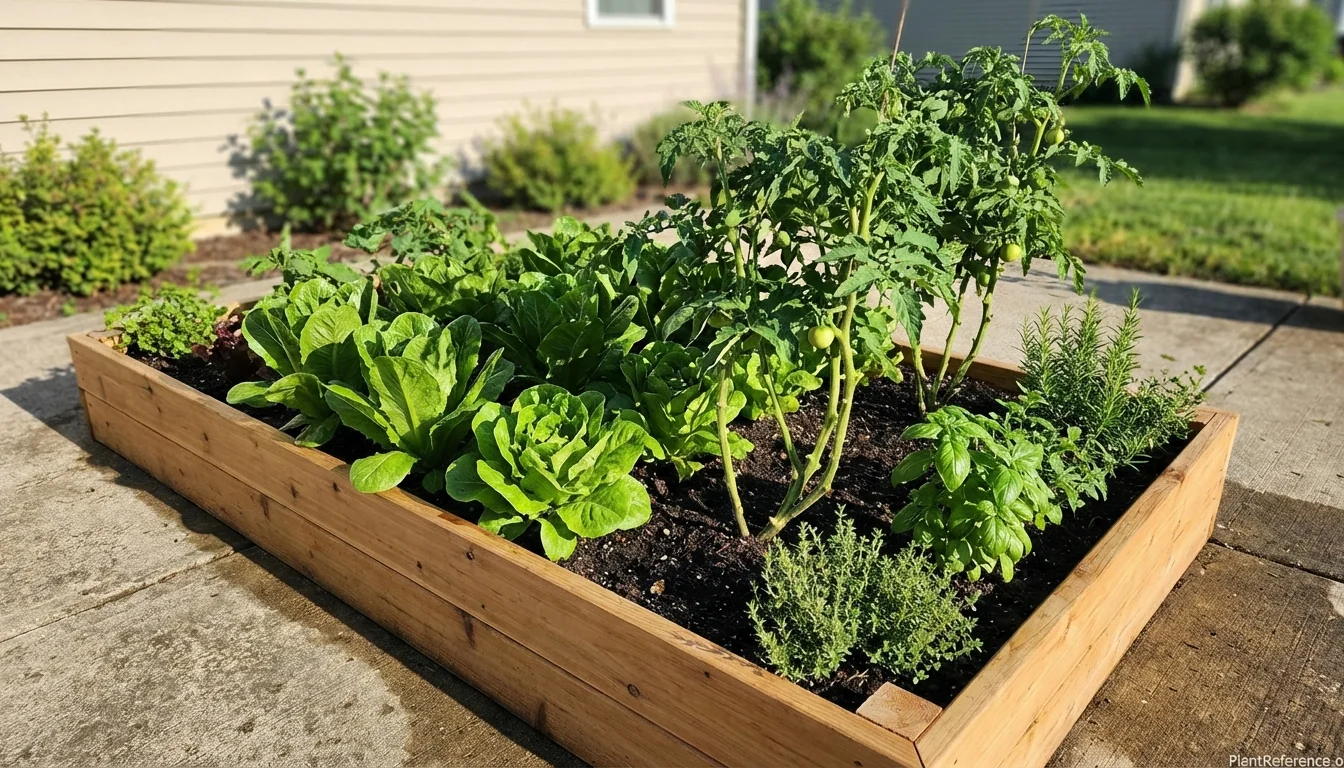
— Image © Plant Reference 2026
Seeing yellowing leaves and stunted growth in your raised bed despite careful watering and feeding? The culprit might be hiding in your soil chemistry. Raised bed soil pH problems can lock up nutrients, making them unavailable to plants even when fertilizers are present. Understanding how pH affects nutrient uptake and knowing how to test and adjust your soil's pH balance is crucial for raised bed success.
The pH scale measures acidity and alkalinity from 0-14, with 7 being neutral. Most vegetables perform best in slightly acidic to neutral soil between 6.0-7.0, where essential nutrients remain readily available. When pH drifts outside this range, plants can't access the nutrition they need, leading to deficiency symptoms even in nutrient-rich soil.
Understanding pH in Raised Bed Gardens
Raised beds face unique pH challenges compared to traditional ground-level gardens. The confined environment and different soil composition can cause faster pH changes, making regular monitoring essential for maintaining healthy growing conditions.
In acidic conditions (below 6.0), essential nutrients like phosphorus, potassium, and calcium become chemically bound to soil particles, making them inaccessible to plant roots. This nutrient lockout explains why heavily fertilized plants still show deficiency symptoms when pH is too low.
Alkaline conditions (above 7.5) create different problems. Iron, manganese, and zinc become less available, often causing interveinal chlorosis—yellowing between leaf veins while veins remain green. This distinctive pattern helps identify alkaline pH issues.
The chemistry behind pH problems involves ion exchange in the soil. When hydrogen ions dominate (acidic conditions), they interfere with nutrient uptake. When hydroxide ions dominate (alkaline conditions), they form insoluble compounds with micronutrients, preventing absorption.
Commercial raised bed soil mixes often start with balanced pH, but amendments, fertilizers, and natural processes can shift these levels over time. Organic matter decomposition typically lowers pH, while limestone-based materials raise it.
Understanding these processes helps explain why The Complete Guide to Raised Bed Gardening for Beginners emphasizes soil testing as a foundational practice for long-term success. Additionally, Composting for Raised Beds: Building Nutrient-Rich Soil provides insights into how different compost materials influence soil pH over time.
Signs Your Raised Bed Has pH Problems
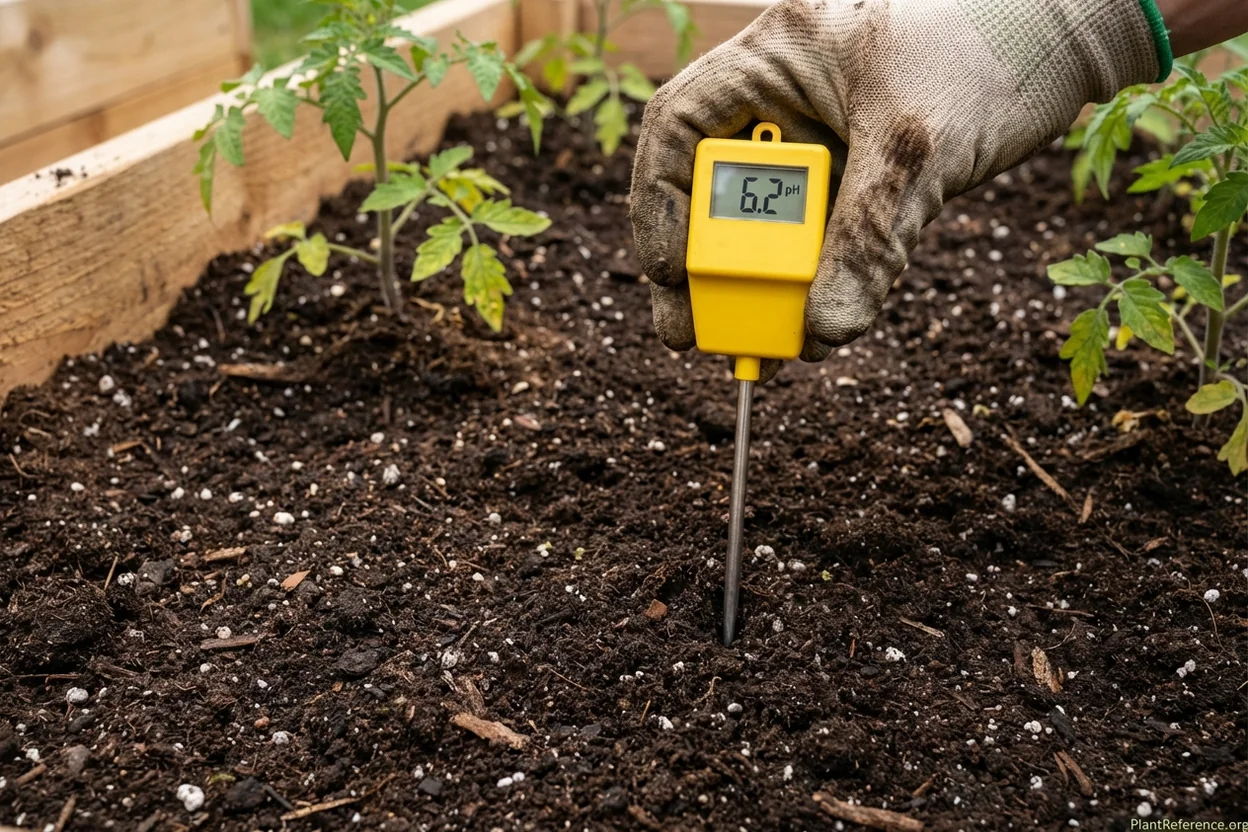
Recognizing pH-related symptoms early prevents minor imbalances from becoming major crop failures. Plants communicate pH stress through distinct visual cues that differ from other common garden problems.
Acidic Soil Symptoms (pH below 6.0):
Yellowing older leaves while new growth remains green (nutrient deficiency despite fertilization)
Stunted root development visible when transplanting
Poor flowering and fruit set in vegetables
Slow overall growth with weak, spindly stems
Increased susceptibility to fungal diseases
Aluminum toxicity symptoms in sensitive plants (brown leaf tips, root damage)
Alkaline Soil Symptoms (pH above 7.5):
Interveinal chlorosis (yellow between leaf veins, veins stay green)
Iron deficiency in acid-loving plants like blueberries
Manganese deficiency causing brown spots between leaf veins
Poor calcium uptake leading to blossom end rot in tomatoes
Zinc deficiency showing as small, distorted new leaves
Overall pale green coloration despite adequate nitrogen
Visual diagnosis requires careful observation because pH symptoms often mimic nutrient deficiencies. Understanding Nutrient Deficiency in Vegetables: Identification and Treatment helps distinguish pH problems from true nutrient lacks. The key difference is that pH problems persist despite adequate fertilization, while true nutrient deficiencies respond to appropriate feeding.
Environmental factors can mask or amplify pH symptoms. Cool weather slows nutrient uptake, making pH problems more pronounced. Conversely, optimal temperatures and consistent moisture can help plants tolerate slightly off-balance pH levels.
Timing matters when evaluating symptoms. Early season yellowing might indicate pH issues, while late-season yellowing often represents natural senescence. Mid-season symptoms appearing suddenly suggest rapid pH changes from heavy rainfall or recent amendments.
How to Test Raised Bed Soil pH Accurately
Accurate pH testing forms the foundation of successful soil management. Multiple testing methods exist, each with specific advantages and limitations for raised bed applications.
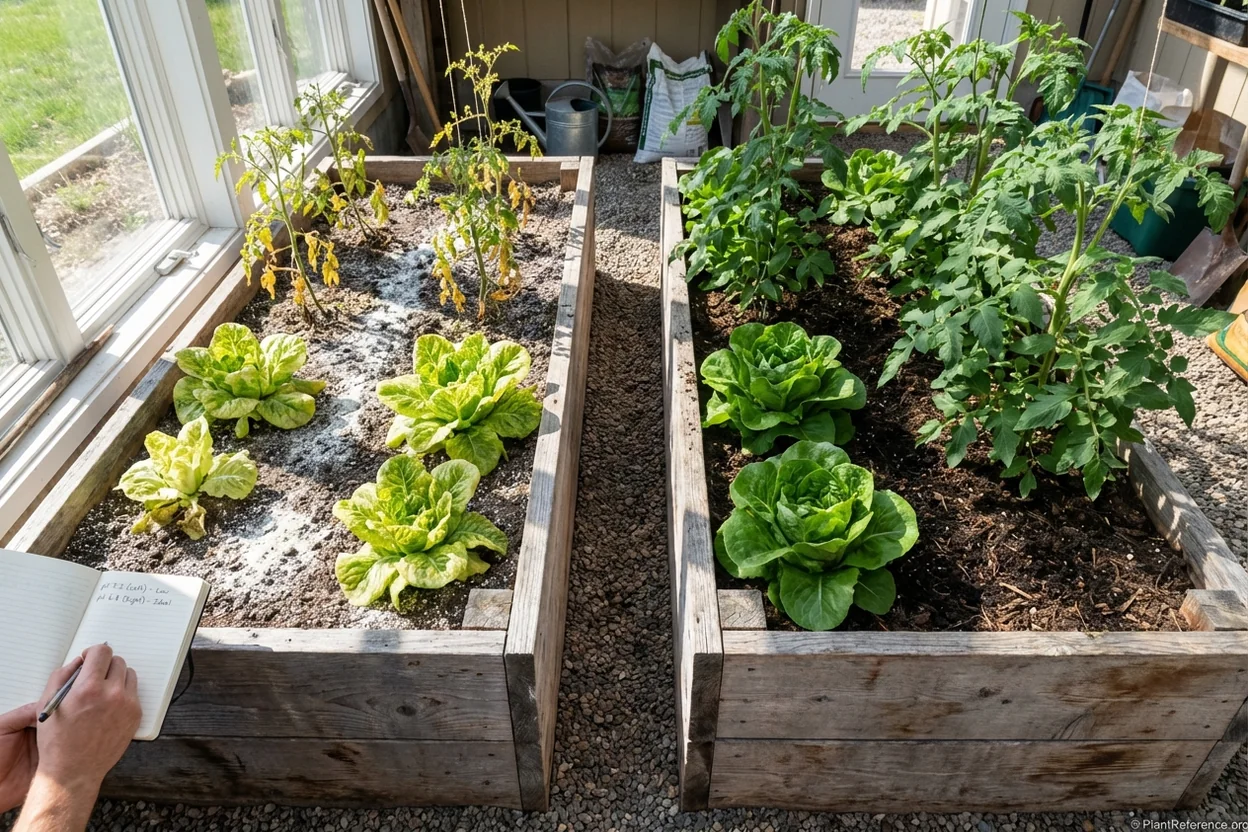
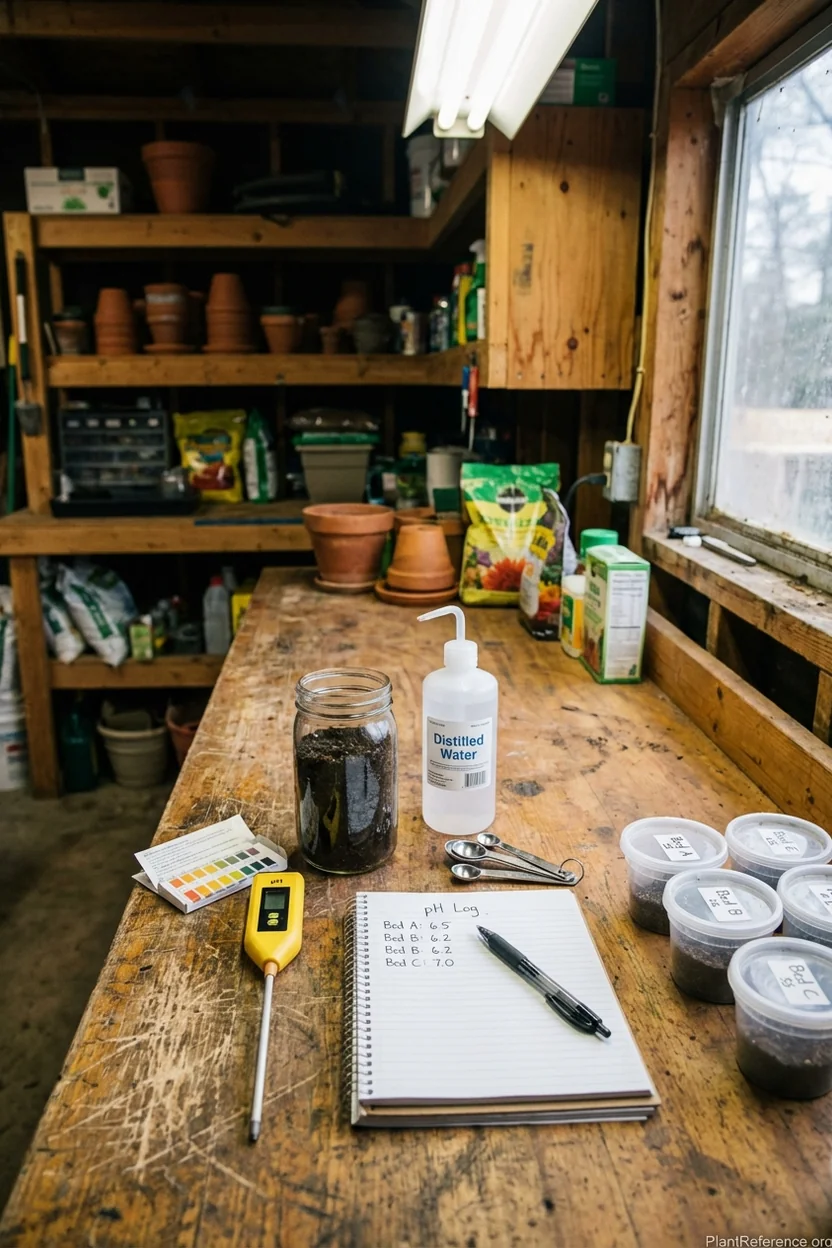
Digital pH Meters provide the most accurate readings for serious gardeners. Quality models like the Sonkir 3-in-1 meter ($10-15) offer quick, reliable results. Calibrate monthly with buffer solutions and clean probes after each use. Insert probe 2-3 inches (5-8 cm) deep, avoiding recently fertilized areas.
Chemical Test Strips offer budget-friendly testing suitable for regular monitoring. Accurate within 0.2-0.5 pH units, strips work well for tracking trends. Mix soil samples with distilled water (1:1 ratio), let settle 10 minutes, then dip strip in clear liquid.
Professional Soil Testing through university extensions provides comprehensive analysis including pH, nutrients, and organic matter content. Cost ranges $15-40 per test with 1-2 week turnaround. Recommended annually for new beds or when experiencing persistent problems.
Testing technique significantly affects accuracy. Collect samples from multiple locations within each bed, avoiding areas directly around plant roots or recent fertilizer applications. Mix samples thoroughly and test the combined sample rather than individual spots.
Timing influences results. Soil moisture affects readings—test when soil is at normal growing moisture, not bone dry or saturated. pH naturally fluctuates with temperature and season, so test at consistent times for meaningful comparisons.
Sample depth matters in raised beds. Test at root zone depth (4-6 inches or 10-15 cm) rather than surface levels, which can be misleading due to recent amendments or surface reactions.
The relationship between pH testing frequency and bed management varies by situation. New beds benefit from monthly testing during the first season. Established beds typically need testing every 6 months, with additional tests following major amendments or after extended weather extremes.
Raising pH in Acidic Raised Bed Soil
Acidic raised bed soil (pH below 6.0) requires careful amendment to bring levels into the optimal growing range. The process involves understanding lime types, application rates, and timing for safe, effective pH adjustment.
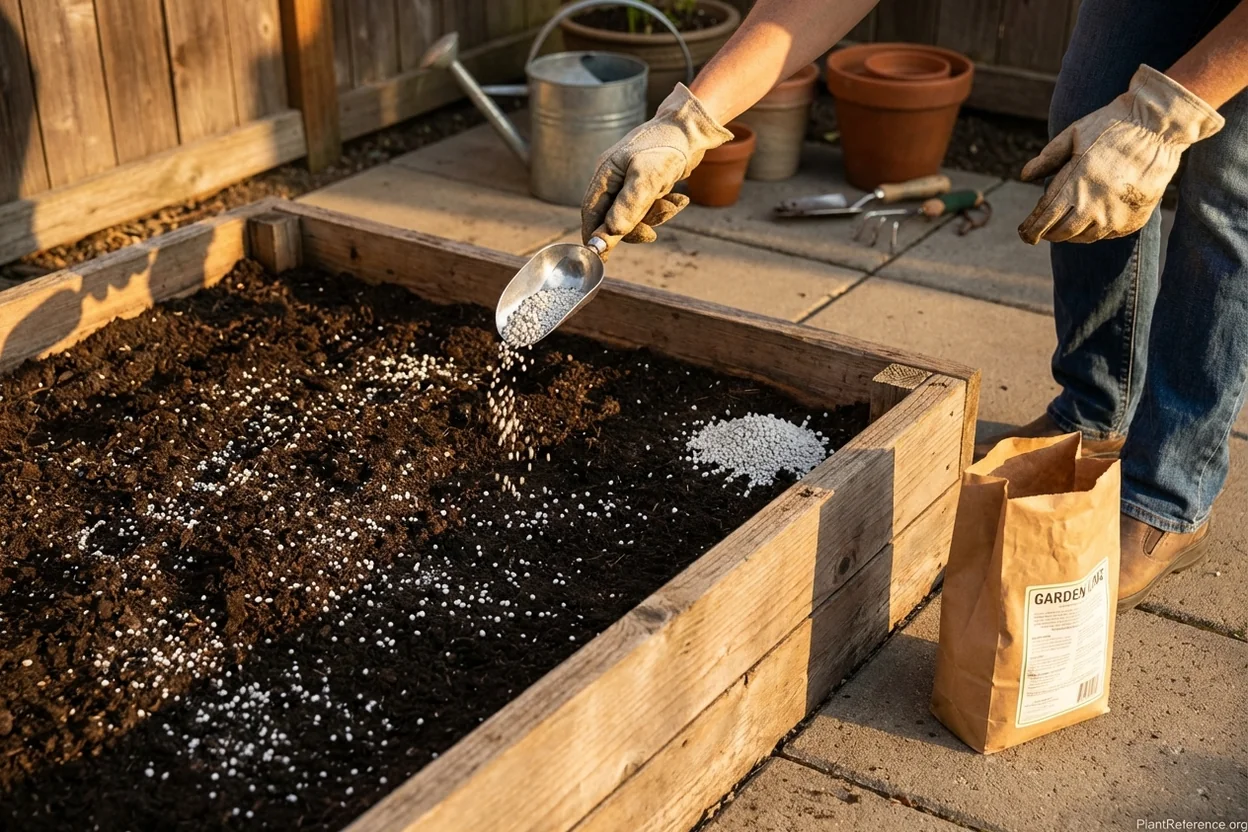
Agricultural Lime (Calcium Carbonate) represents the most common and cost-effective option for raising pH. Apply 2-4 pounds per 100 square feet (0.9-1.8 kg per 9.3 square meters) for moderate acidic conditions. Work lime into top 6 inches (15 cm) of soil and water thoroughly.
Pelletized lime offers easier application and faster soil integration than powdered forms. Though slightly more expensive ($8-15 per 40-pound bag), the convenience and reduced dust make it worthwhile for raised bed applications.
Dolomitic Lime provides both calcium and magnesium, beneficial when soil tests indicate magnesium deficiency alongside low pH. Use same application rates as regular lime, but avoid if soil already contains adequate magnesium to prevent nutrient imbalances.
Wood ash from untreated hardwood raises pH quickly but requires careful application. Use sparingly—1-2 pounds per 100 square feet (0.45-0.9 kg per 9.3 square meters) maximum. Wood ash also adds potassium, which can create imbalances if overused.
Application timing affects results significantly. Fall application allows lime to work slowly over winter, providing balanced pH by spring planting. Spring application requires 4-6 weeks before planting to prevent root damage from rapid chemical changes.
The incorporation method influences effectiveness. Surface broadcasting without mixing provides minimal pH change. Thorough integration into the root zone ensures proper chemical reaction and prevents localized pH spikes.
Raised beds respond to lime amendments more quickly than ground soil due to improved drainage and aeration. Monitor pH monthly after application to prevent overshooting target ranges. The confined environment can amplify both positive and negative effects of amendments.
Organic matter additions complement lime applications by providing buffering capacity. Compost, aged manure, and leaf mold help stabilize pH while improving soil structure and microbial activity.
Lowering pH in Alkaline Raised Bed Soil
Alkaline raised bed soil (pH above 7.5) requires acidifying amendments to bring nutrient availability back into optimal ranges. The process differs significantly from raising pH and requires patience as results develop more slowly.
Elemental Sulfur provides the most reliable method for lowering pH in raised beds. Apply 1-2 pounds per 100 square feet (0.45-0.9 kg per 9.3 square meters) for moderate alkaline conditions. Work sulfur into soil 6 inches (15 cm) deep and maintain consistent moisture for microbial conversion to sulfuric acid.
The sulfur acidification process requires soil bacteria to convert elemental sulfur to sulfuric acid, typically taking 2-6 months for full effect. Plan acidification treatments well ahead of planting seasons for best results.
Aluminum Sulfate acts more quickly than elemental sulfur, providing pH reduction within weeks rather than months. Use 1-3 pounds per 100 square feet (0.45-1.4 kg per 9.3 square meters) but monitor carefully to prevent aluminum toxicity in sensitive plants.
Iron Sulfate simultaneously lowers pH and addresses iron deficiency common in alkaline soils. Apply 1-2 pounds per 100 square feet (0.45-0.9 kg per 9.3 square meters). Particularly beneficial for acid-loving plants like blueberries or azaleas grown in raised beds.
Organic acidifiers work more slowly but provide additional soil benefits. Pine needles, oak leaves, and peat moss gradually lower pH while improving soil structure. Incorporate 2-4 inches (5-10 cm) of acidic organic matter annually.
Compost from acidic materials (pine bark, oak leaves, pine needles) provides gentle pH reduction over multiple seasons. This slow approach prevents rapid chemical changes that can stress plant roots.
Water source affects alkaline soil management. Hard water with high calcium content continuously raises soil pH, counteracting acidification efforts. Consider using filtered or collected rainwater for alkaline beds when possible. For detailed guidance, see Raised Bed Watering Strategies for Consistent Growth.
The amendment depth matters more for pH reduction than raising. Work acidifying materials into the full root zone depth rather than surface application. Poor incorporation limits effectiveness and can create uneven pH zones.
For more guidance on soil amendments, reference Best Soil Mix for Raised Beds: Creating the Perfect Growing Medium for comprehensive soil management strategies.
Preventing pH Problems in Raised Beds
Prevention strategies minimize pH fluctuations and reduce the need for major corrections. Understanding factors that influence pH drift helps maintain stable growing conditions.
Organic Matter Management provides the most effective pH buffering. Well-decomposed compost resists pH changes while improving soil structure. Add 1-2 inches (2.5-5 cm) of quality compost twice yearly—early spring and fall.
Compost quality affects pH stability. Acidic materials (pine bark, oak leaves) slowly lower pH, while materials high in ash or lime raise pH. Balanced compost from mixed sources provides neutral pH buffering.
Water Quality Assessment reveals hidden pH influences. Hard water with high calcium carbonate content gradually raises soil pH, while soft or acidic rainwater can lower pH over time. Test irrigation water pH when experiencing persistent pH drift.
Fertilizer Selection impacts long-term pH trends. Synthetic fertilizers containing sulfur or ammonium lower pH gradually, while those with calcium or potassium carbonate raise pH. Organic Fertilizers for Raised Beds: Natural Nutrient Sources offers alternatives that provide more stable pH profiles.
Ammonium-based nitrogen fertilizers acidify soil more than nitrate-based forms. If managing alkaline soil, choose ammonium sulfate over calcium nitrate. For acidic soil management, select calcium-based fertilizers when possible.
Mulch Choices influence surface pH over time. Pine needles and oak leaves gradually acidify soil, while grass clippings from limestone-treated lawns can raise pH. Consider mulch pH effects when making long-term selections. Learn more in Mulching Raised Beds: Benefits and Best Practices.
Amendment Timing prevents shock and maintains stability. Apply pH adjustments during mild weather when plants can adapt gradually. Avoid major pH changes during heat stress or active growth periods.
Regular monitoring catches problems early when corrections require smaller adjustments. Test pH every 6 months initially, then annually once beds stabilize. Keep records of amendments and results to track long-term trends.
Monitoring and Maintaining Optimal pH Levels
Successful raised bed pH management requires systematic monitoring and proactive maintenance rather than reactive corrections. Establishing regular testing schedules and record-keeping systems prevents major problems.
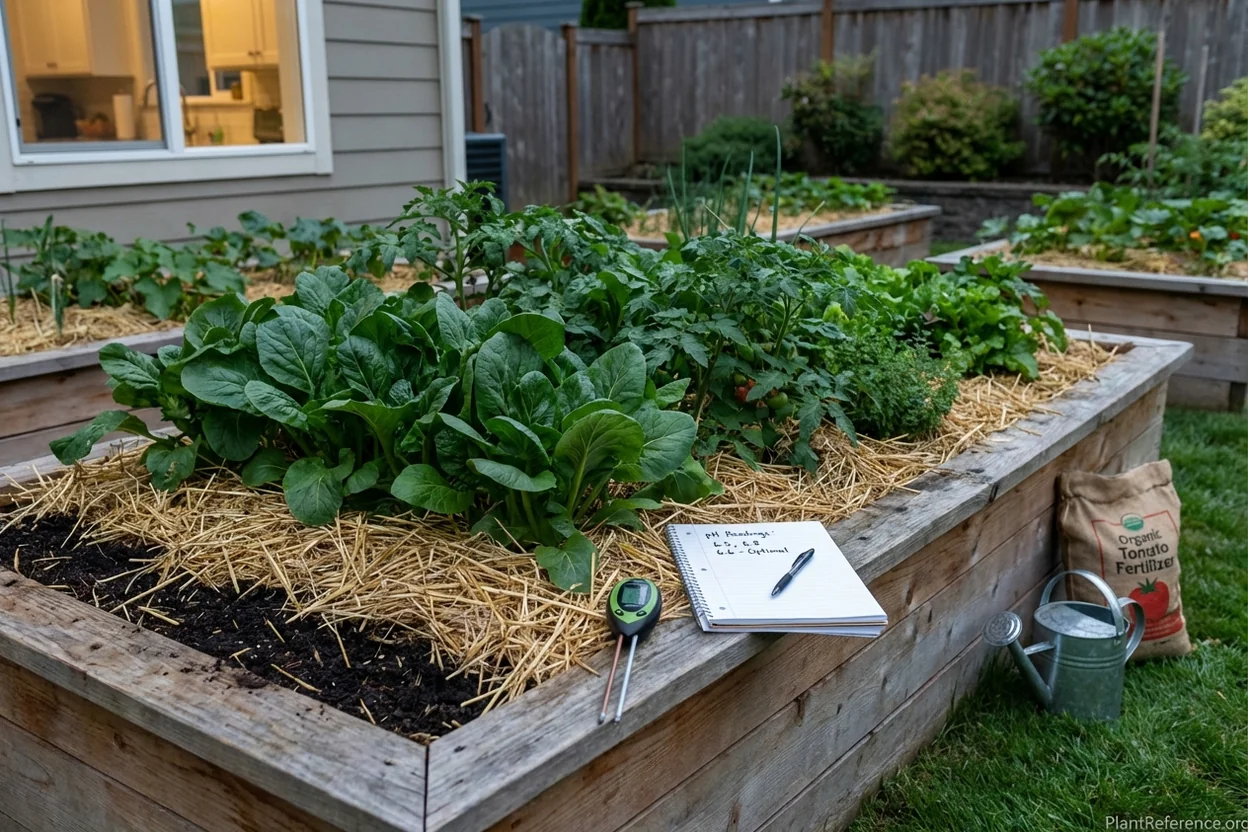
Monthly Testing Schedule during the first growing season helps establish baseline patterns. Record results in a garden journal noting date, weather conditions, recent amendments, and plant performance observations.
Create a simple pH log tracking bed location, test date, pH reading, amendments applied, and plant response. This data reveals patterns and helps predict when adjustments are needed.
Seasonal Variations affect pH readings and plant needs. Spring pH often drops due to winter precipitation and organic matter decomposition. Summer readings may rise due to irrigation with hard water and reduced rainfall.
Fall represents optimal timing for pH adjustments. Lime applications work slowly over winter, while acidifying amendments have time to establish before spring planting. This timing prevents plant stress from rapid chemical changes.
Visual Monitoring supplements numerical testing by observing plant health indicators. Healthy, vigorous growth with good color indicates adequate pH balance, while yellowing or stunted growth suggests testing and possible adjustment needs.
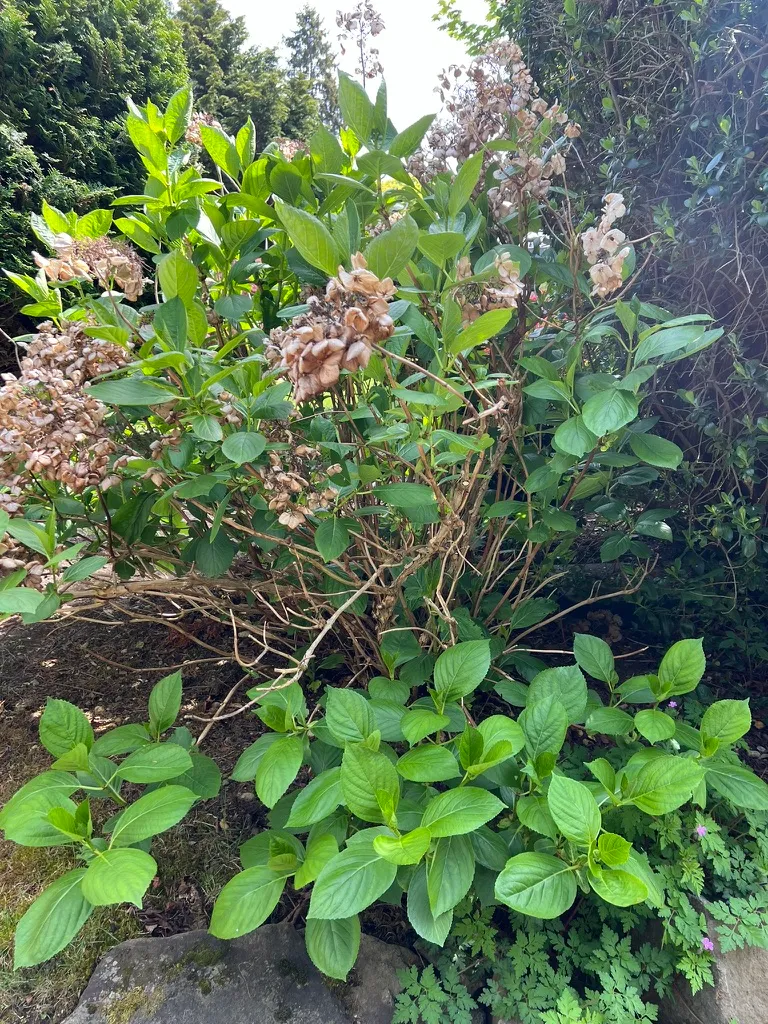
Plant-specific indicators help fine-tune pH management. Tomatoes with blossom end rot may indicate calcium unavailability from high pH, while blue-flowered hydrangeas turning pink suggest rising pH levels.
Adjustment Triggers help determine when intervention is necessary. Most vegetables tolerate pH ranges of 6.0-7.5 without major problems. Consider adjustments when pH drops below 5.8 or rises above 7.8, or when plants show clear deficiency symptoms.
Small, frequent adjustments maintain stability better than large corrections. Apply half the recommended amendment rate, test monthly, and reapply if needed rather than full-rate applications that can overshoot targets.
Record Keeping Systems track long-term trends and amendment effectiveness. Note application rates, timing, weather conditions, and pH response. This information guides future management decisions and prevents repeated mistakes.
Digital tools like garden planning apps can simplify pH record keeping, but simple notebooks work equally well. The key is consistency in recording data for future reference.
Plant-Specific pH Requirements for Raised Beds
Different vegetables have varying pH preferences, and understanding these requirements helps optimize growing conditions for maximum production and plant health. Diagnosing Plant Problems in Raised Beds: Visual Guide provides detailed information on how pH imbalances manifest across plant varieties.
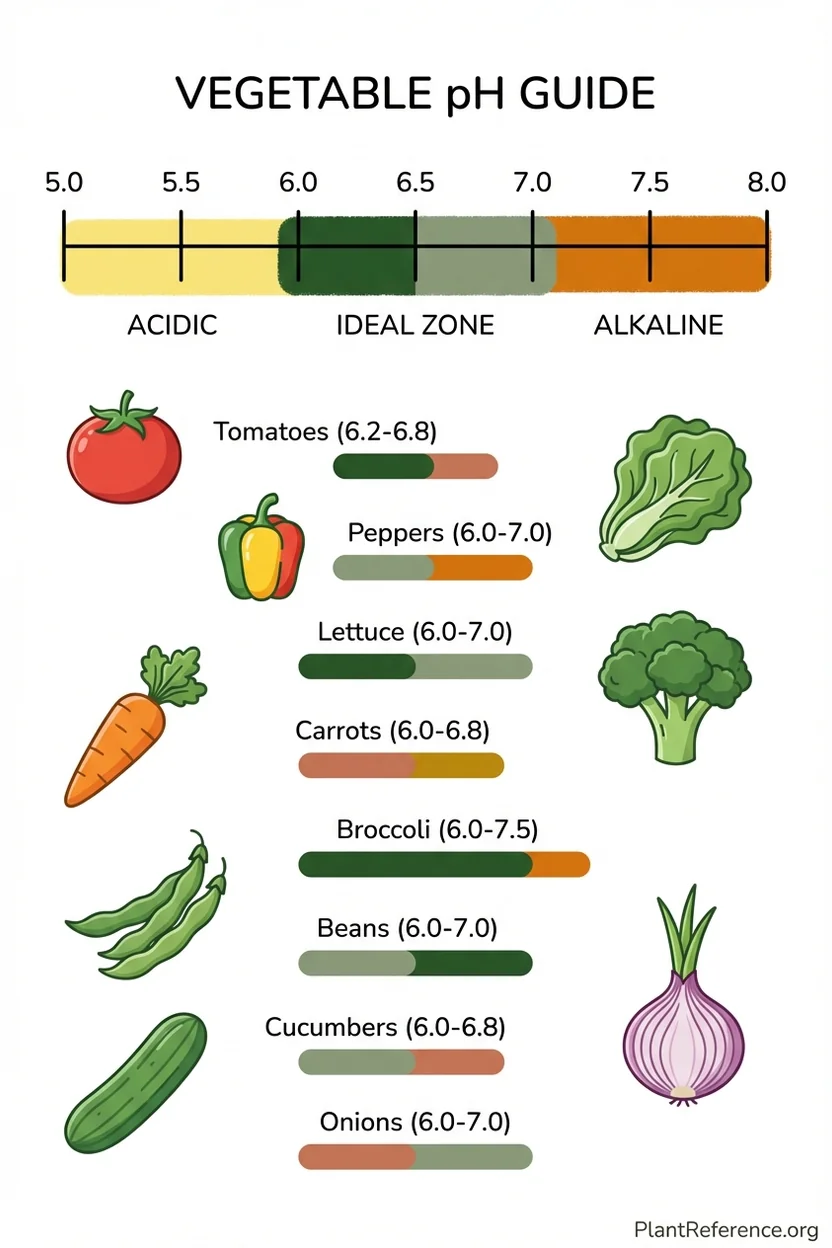
Optimal pH Ranges for Common Vegetables:
Tomatoes: 6.2-6.8 (prevent blossom end rot, optimize calcium uptake)
Peppers: 6.0-7.0 (tolerate wider range than tomatoes)
Lettuce and greens: 6.0-7.0 (prefer slightly acidic to neutral)
Carrots and root crops: 6.0-6.8 (avoid forked roots from alkaline conditions)
Brassicas (cabbage, broccoli, kale): 6.0-7.5 (tolerate higher pH than most)
Beans and peas: 6.0-7.0 (benefit from slightly alkaline conditions)
Cucumbers and squash: 6.0-6.8 (similar to tomatoes)
Onions and garlic: 6.0-7.0 (tolerate wider pH range)
Acid-Loving Plants require special consideration in raised beds. Blueberries need pH 4.5-5.5, requiring dedicated beds with acidic soil mix. Potatoes prefer pH 5.0-6.0 to prevent scab disease, benefiting from slightly acidic conditions.
pH-Tolerant Vegetables adapt to wider ranges, making them excellent choices for beginning gardeners still learning pH management. Swiss chard, spinach, and most herbs tolerate pH 6.0-8.0 without significant problems.
Companion Planting Considerations involve grouping plants with similar pH requirements. Create bed zones with different pH levels if growing both acid-loving and alkaline-tolerant crops.
Advanced gardeners sometimes manage different pH zones within single beds using localized amendments. This technique requires careful application and monitoring to prevent amendments from mixing.
Crop Rotation Impact on pH management varies by plant families. Heavy feeding brassicas may deplete soil differently than nitrogen-fixing legumes. Plan rotations considering both nutrient and pH effects.
For comprehensive bed planning strategies, consult Raised Bed Vegetable Garden Layout: Planning for Maximum Production for detailed growing guides.
Understanding raised bed soil pH problems empowers gardeners to create optimal growing conditions for healthy, productive plants. Regular testing, proper amendments, and preventive maintenance ensure your raised beds provide the balanced environment vegetables need to thrive. Remember that pH management is a gradual process—patience and consistency lead to better results than quick fixes.
Frequently Asked Questions
Reading about plants and recognising them are different skills. These three build the second.
- Daily PlantIdentify the day’s mystery plant from a close-up photograph.
- Keyed OutWork a dichotomous key, lead by lead, to name a hidden specimen.
- Name That PlantName a specimen from botanical clues dealt hardest first.
Free to play, no account needed
Priya is a soil scientist at an agricultural extension office who gardens on a quarter-acre suburban lot in Indianapolis. Her professional work focuses on soil health and nutrient management, which gives her a perspective most gardening writers don't have—she thinks about what's happening underground before worrying about what's happening above it. Priya maintains a large pollinator garden, grows herbs and vegetables, and is slowly converting her conventional lawn to a mix of native grasses and low-growing groundcovers. She writes about soil health, composting, fertilizer use, and building the kind of foundation that makes plants thrive without constant intervention.