When to Plant Green Beans in Richmond: Complete Guide + Best Varieties for Zone 7b
Pets & Toxicity
Recorded toxicity for plants linked in this guide. An unknown status is not a safety assessment.
No linked plant is recorded as toxicDetailsHide
Phaseolus vulgaris 'Blue Lake' — Toxicity
Non-toxic when cooked. Raw pods carry lectins (phytohemagglutinin) that cause digestive upset on raw consumption — pods are cooked before eatingView Phaseolus vulgaris 'Blue Lake' plant profilePhaseolus vulgaris 'Purple Queen' — Toxicity
Non-toxicView Phaseolus vulgaris 'Purple Queen' plant profilePhaseolus vulgaris 'Dragon Tongue' — Toxicity
Non-toxicView Phaseolus vulgaris 'Dragon Tongue' plant profilePhaseolus vulgaris 'Kentucky Wonder' — Toxicity
Non-toxicView Phaseolus vulgaris 'Kentucky Wonder' plant profile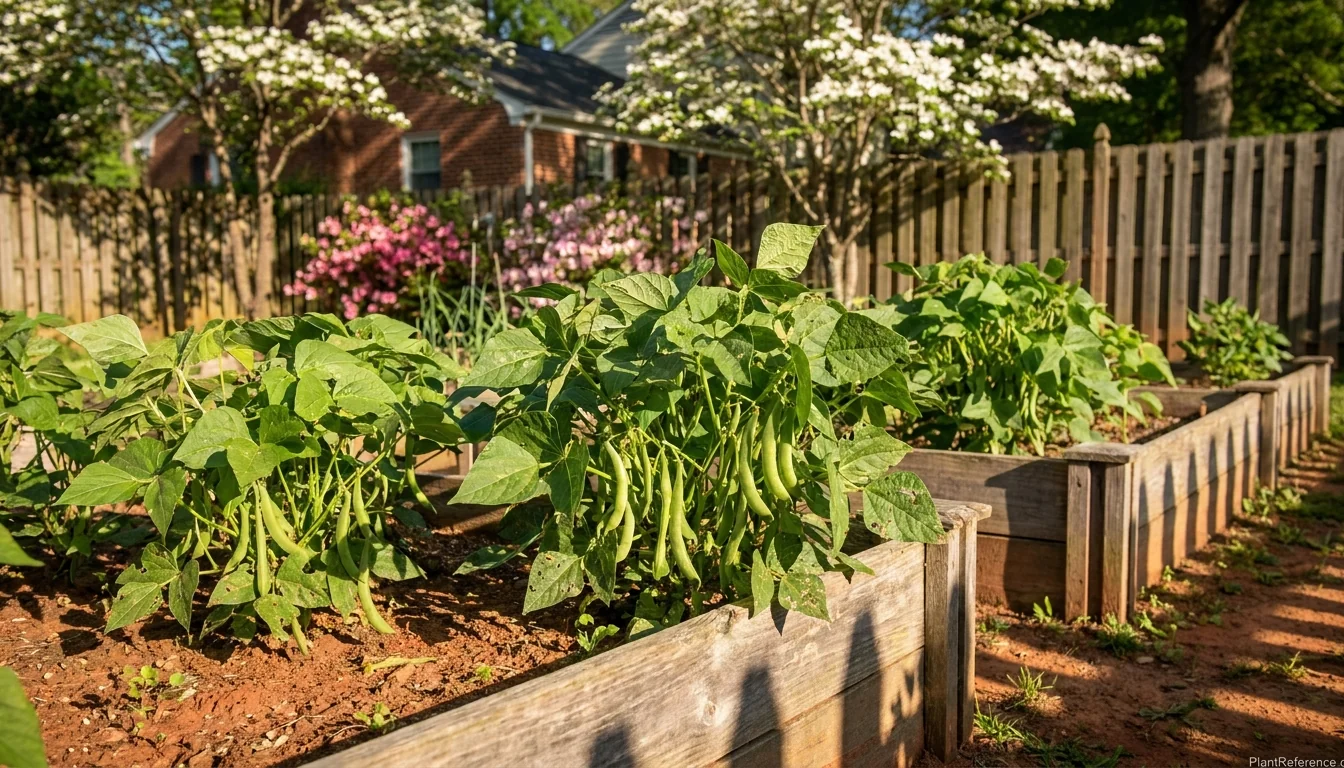
— Image © Plant Reference 2026
Green beans are one of the most rewarding vegetables in a Richmond garden. They germinate quickly in warm soil, produce heavily through the summer, and the 193-day season between our April 15 last frost and October 25 first frost gives you room for four or five succession plantings from a single packet of seed. I've been growing beans in Piedmont Virginia for decades, and the biggest lesson is simple: don't rush your first sowing. Phaseolus vulgaris seeds rot in cold, wet spring soil. Wait until the ground has warmed to at least 60°F (16°C)—usually late April in Richmond—and you'll get fast, even germination instead of patchy stands and replanting headaches. Once you nail the timing, green beans practically grow themselves in our climate. The Complete Guide to Raised Bed Gardening for Beginners (2025)
Best Green Bean Varieties for Richmond's Zone 7b Climate
Richmond sits on the fall line between the Piedmont plateau and the Coastal Plain, which shapes everything about our soil. Gardens in the western suburbs deal with heavy red clay that holds moisture and compacts easily. Gardens closer to the James River have sandier, better-draining loam. Both soil types grow excellent beans with proper amendment, but the approach differs—clay needs organic matter for drainage, while sandy soil needs it for moisture retention. The warm, humid summers favor fast-maturing bush varieties for spring and early summer succession planting, while pole varieties earn their keep by producing continuously through the long main season. Best Soil Mix for Raised Beds: Creating the Perfect Growing Medium
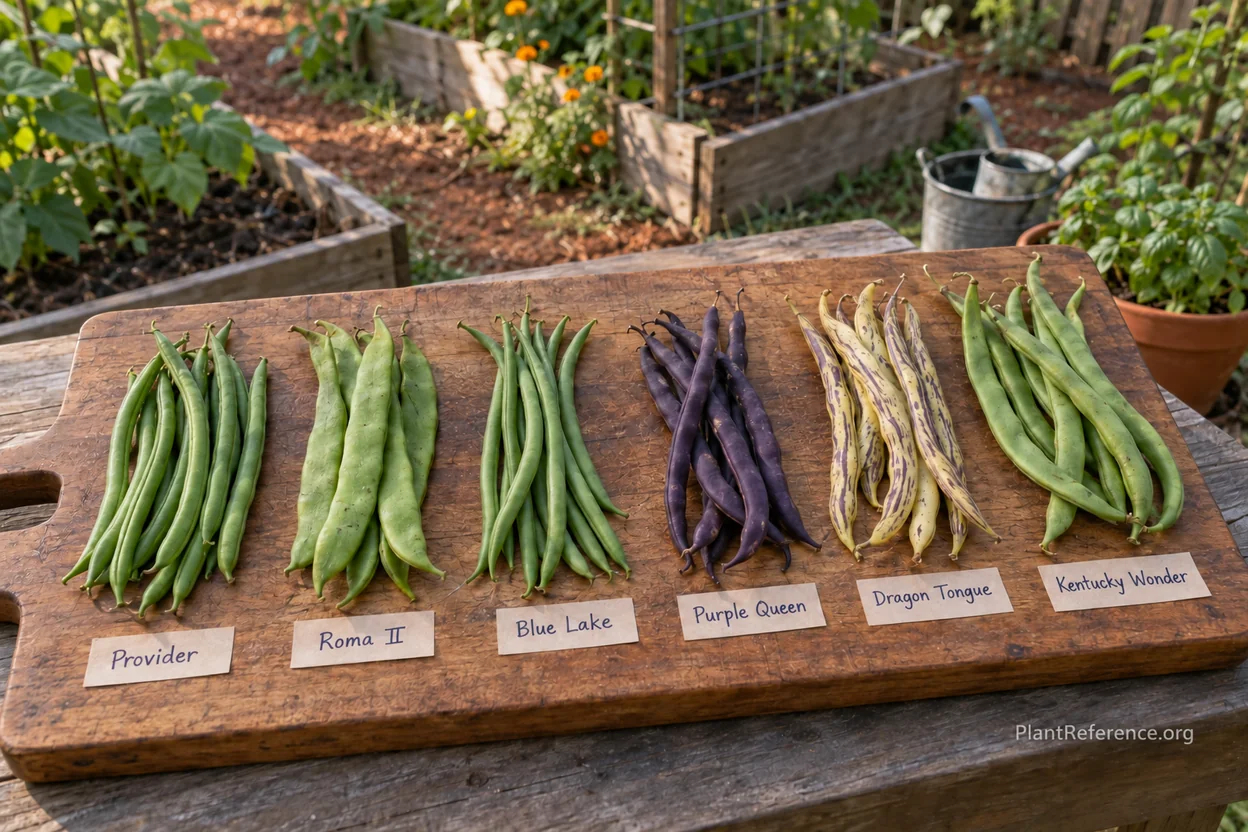
🌿Phaseolus vulgaris 'Provider' is the best variety to start your Richmond bean season. At 50-55 days to maturity, 🌿Phaseolus vulgaris 'Provider' germinates in cooler soil than most varieties—critical for late April sowings when the ground is still marginal. The determinate bush habit produces heavy flushes of straight, tender pods in a concentrated 10-14 day harvest window. Plant 🌿Phaseolus vulgaris 'Provider' at 4-inch (10 cm) spacing. The compact growth forms a living mulch that suppresses weeds between rows.
🌿Phaseolus vulgaris 'Roma II' is an outstanding flat Italian bean at 53-60 days. 🌿Phaseolus vulgaris 'Roma II' handles Richmond's summer humidity well and carries genetic resistance to common bean mosaic virus—a significant advantage in the mid-Atlantic where the virus persists in aphid populations. The broad, flat pods hold quality longer on the plant than round-podded types, giving you more harvest flexibility during busy summer weeks.
🌿Phaseolus vulgaris 'Blue Lake' is the gold standard at 55-65 days. 🌿Phaseolus vulgaris 'Blue Lake' produces the classic round, straight pods prized for canning and freezing. The vigorous bush habit needs 6-inch (15 cm) spacing—wider than compact bush types—but rewards with heavier yields per plant. Plant 🌿Phaseolus vulgaris 'Blue Lake' from May through July for main season production.
🌿Phaseolus vulgaris 'Purple Queen' matures in 55-60 days and offers genuine heat tolerance that makes it ideal for Richmond's June and July sowings. The deep purple pods turn green when cooked but stand out visually in the garden, making harvest faster when you can spot every pod against the foliage. 🌿Phaseolus vulgaris 'Purple Queen' handles the 90°F+ days of Richmond's midsummer better than most green varieties.
🌿Phaseolus vulgaris 'Dragon Tongue' is a specialty wax bean at 55-60 days with striking cream-and-purple streaked pods. 🌿Phaseolus vulgaris 'Dragon Tongue' serves double duty—harvest young for snap beans or let pods mature fully for dried shell beans. The vigorous bush habit needs 6-inch (15 cm) spacing and produces well in Richmond's warm conditions.
🌿Phaseolus vulgaris 'Kentucky Wonder' is the pole bean for Richmond gardens at 60-70 days. Unlike bush varieties that produce one concentrated flush, 🌿Phaseolus vulgaris 'Kentucky Wonder' produces continuously for 6-8 weeks once it starts bearing. The indeterminate vines reach 8-10 feet (2.4-3 m) and need sturdy support, but a single planting replaces multiple succession sowings of bush types. Plant at 6-inch (15 cm) spacing along a trellis installed before sowing. Raised Bed Vegetable Garden Layout: Planning for Maximum Production
Variety | Days to Maturity | Type | Best For Richmond | Notes for Zone 7b |
|---|---|---|---|---|
50-55 days | Bush | First spring crop | Cool-soil tolerance; plant late April; concentrated harvest | |
53-60 days | Bush | Succession planting | Mosaic virus resistant; holds quality on plant; flat Italian pod | |
55-65 days | Vigorous bush | Main season | Gold standard for canning and freezing; 6-inch spacing | |
55-60 days | Bush | Summer heat | Heat-tolerant; purple pods easy to spot; June-July sowings | |
55-60 days | Vigorous bush | Specialty harvest | Dual-purpose snap or shell bean; striking streaked pods | |
60-70 days | Pole | Continuous harvest | 6-8 weeks production from single planting; needs trellis |
Specific Planting Dates for Richmond
Richmond averages an April 15 last frost and October 25 first frost, giving you 193 frost-free days. Green beans need warm soil—60°F (16°C) minimum, 70°F (21°C) ideal—so your practical window starts about two weeks after the last frost date. The season is long enough for four to five bush bean succession plantings or a single pole bean planting that produces continuously.
First Sowing: Late April to Early May
Direct sow 🌿Phaseolus vulgaris 'Provider' starting late April once soil temperature reaches 60°F. 🌿Phaseolus vulgaris 'Provider' tolerates cooler soil better than other varieties, making it ideal for this first sowing. If spring is cool and wet, wait until the first week of May rather than risking seed rot. Seeds germinate in 7-10 days at 60°F but only 5-7 days at 70°F.
Succession Planting: May through Mid-August
Plant a new row of bush beans every 2-3 weeks from May through mid-August. Switch from 🌿Phaseolus vulgaris 'Provider' to 🌿Phaseolus vulgaris 'Blue Lake' and 🌿Phaseolus vulgaris 'Roma II' for May and June sowings when soil is thoroughly warm. Use 🌿Phaseolus vulgaris 'Purple Queen' for July sowings when heat tolerance matters most. Your last bush bean sowing in mid-August gives 55-60 day varieties enough time to mature before the October 25 first frost. Best Raised Bed Vegetables for Beginners: Top 10 Easy-Growing Crops
Pole Bean Timing: Mid-May
Plant 🌿Phaseolus vulgaris 'Kentucky Wonder' in mid-May when soil is reliably above 65°F and nighttime temperatures hold above 50°F. Pole beans need warm conditions for the sustained vine growth that drives continuous production. A single mid-May planting produces from July through September—eliminating the need for succession planting if you only want one planting to manage. Install the trellis or pole structure before sowing so you don't disturb germinating seeds.
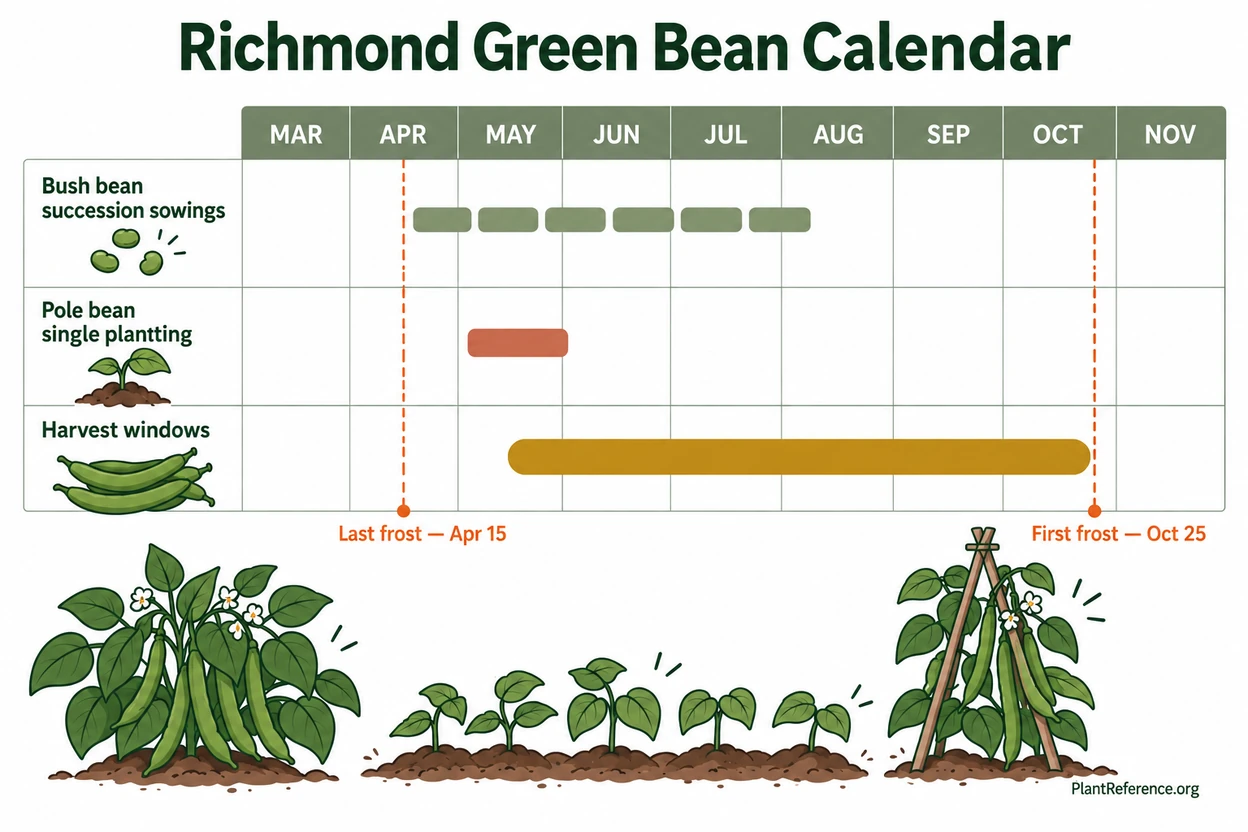
First sowing: Late April (Provider only, once soil reaches 60°F)
Main succession window: May through mid-August (every 2-3 weeks)
Pole bean planting: Mid-May (single planting, continuous harvest)
Summer peak: June through August (warmest soil, fastest germination)
Last bush sowing: Mid-August (55-60 day varieties only)
Season end: October 25 first frost terminates remaining plants
Complete Growing Guide for Richmond
Soil Preparation
Richmond's Piedmont red clay is fertile but drains poorly—a problem for beans, which need moisture but rot in waterlogged soil. Amend clay soil with 3-4 inches (8-10 cm) of compost worked into the top 8 inches (20 cm) before planting. This improves drainage while retaining enough moisture for steady growth. If you garden in raised beds, mix 60% quality topsoil with 30% compost and 10% perlite or coarse sand. Green beans prefer slightly acidic to neutral soil with pH 6.0-6.8—most Richmond soils fall naturally in this range. Best Soil for Raised Beds: 6 Commercial Mixes Tested and Compared
Phaseolus vulgaris is a legume that fixes atmospheric nitrogen through symbiotic bacteria in root nodules. This means beans need less nitrogen fertilizer than other vegetables—but they still benefit from adequate phosphorus and potassium for pod production. A soil test through Virginia Cooperative Extension tells you exactly what your Piedmont soil needs.
Planting Method
Direct sow all green bean varieties—they don't transplant well because the large cotyledons and tap root are easily damaged. Plant seeds 1 inch (2.5 cm) deep in rows spaced 18-24 inches (45-60 cm) apart. Space bush varieties (🌿Phaseolus vulgaris 'Provider', 🌿Phaseolus vulgaris 'Roma II', 🌿Phaseolus vulgaris 'Purple Queen') at 4 inches (10 cm) within the row. Space vigorous types (🌿Phaseolus vulgaris 'Blue Lake', 🌿Phaseolus vulgaris 'Dragon Tongue', 🌿Phaseolus vulgaris 'Kentucky Wonder') at 6 inches (15 cm). Press seeds firmly into moist soil and water gently. How to Build a Raised Garden Bed: Step-by-Step Construction Guide Alt text: Direct sowing green bean seeds in amended Richmond Piedmont clay raised bed garden Caption: Press seeds one inch deep in warm soil and space bush varieties four inches apart. Format: WebP Dimensions: 1248x832px (3:2 ratio) Target file size: Under 150KB AI Image Prompt: A photorealistic close-up photograph of green bean seeds being planted in rich amended soil in a Richmond Virginia raised bed garden. Hands pressing large bean seeds into dark soil with Piedmont red clay visible at bed edges. Seed packet and measuring stick nearby. Warm spring morning light. Mid-Atlantic garden aesthetic with dogwood blooms visible in blurred background. Shot from above at 45 degrees. Small watermark bottom right: "PlantReference.org" in sans-serif. 3:2 aspect ratio. [/IMAGE_3]
Watering
Green beans need 1 inch (2.5 cm) of water per week consistently. Richmond typically receives adequate rainfall through spring, but July and August often bring dry stretches that stress producing plants. Drip irrigation or soaker hoses deliver water at soil level without wetting foliage—important for reducing fungal disease in our humid summers. Water deeply 2-3 times per week rather than lightly every day. Avoid overhead watering, especially in the afternoon when wet foliage stays damp into the evening and invites rust and bacterial blight. Raised Bed Irrigation Systems: Watering Solutions for Consistent Growth
Fertilizing
Go easy on nitrogen. As a legume, Phaseolus vulgaris partners with Rhizobium bacteria to fix atmospheric nitrogen directly from the air. Excess nitrogen fertilizer produces lush foliage at the expense of pod production. Apply a low-nitrogen, high-phosphorus fertilizer (5-10-10 or similar) at planting. Side-dress with compost at flowering if plants look pale. After harvest, cut bean plants at soil level rather than pulling them—the nitrogen-rich root nodules decompose in place and feed your next crop. Nutrient Deficiencies in Raised Beds: Visual Diagnosis and Treatment
Mulching
Apply 2-3 inches (5-8 cm) of straw, shredded leaves, or pine straw after seedlings emerge and reach 4-6 inches tall. Mulch conserves soil moisture during Richmond's hot July and August days, suppresses weeds between rows, and prevents soil-borne disease spores from splashing onto lower foliage during summer thunderstorms. Pull mulch back 1-2 inches from stems to prevent crown rot. Bush beans planted at 4-inch spacing eventually form their own living mulch as canopies close, but mulch between rows remains beneficial all season. Raised Bed Weeds: Prevention Strategies and Control Methods
Trellising Pole Beans
🌿Phaseolus vulgaris 'Kentucky Wonder' vines reach 8-10 feet (2.4-3 m) and need sturdy support. A teepee of 8-foot bamboo poles tied at the top works for small plantings. For rows, install a strong trellis with posts every 6-8 feet and horizontal twine or netting at 12-inch intervals. The structure must be anchored well—a loaded pole bean trellis catches significant wind during Richmond's summer thunderstorms. Install the support structure before planting so you don't damage emerging seedlings.
Troubleshooting Richmond-Specific Problems
Mexican Bean Beetle
Richmond's number one bean pest. Adults are copper-colored with 16 black spots and look similar to beneficial lady beetles—don't confuse them. Larvae are bright yellow and spiny, feeding on leaf undersides and skeletonizing foliage. Hand-pick adults and larvae in small gardens. For larger plantings, apply neem oil or spinosad. Succession planting helps because you can remove heavily infested early plantings and start fresh with clean later sowings. Raised Bed Pest Problems: Identification and Organic Control Methods
Rust and Bacterial Blight
Richmond's humid summers create ideal conditions for bean rust (orange pustules on leaf undersides) and bacterial blight (brown spots with yellow halos). Both diseases spread by water splash—another reason to avoid overhead watering. Space rows wide enough for air circulation. Remove and dispose of infected foliage in trash, not compost. Rotate bean plantings to different bed locations each year. 🌿Phaseolus vulgaris 'Roma II' carries disease resistance that makes it particularly valuable in humid mid-Atlantic conditions.
Piedmont Clay Compaction
Heavy foot traffic between rows compacts Richmond's clay soil, reducing drainage and root penetration for subsequent succession plantings. Use permanent pathways between beds and never walk on planting areas when soil is wet. Adding compost annually improves clay structure over time. Raised beds eliminate compaction entirely by keeping foot traffic on pathways. Raised Bed Soil Settling and Compaction: Prevention and Solutions
Late Spring Cold Snaps
Richmond's April weather is notoriously unpredictable. A warm week in mid-April can push soil temperatures above 60°F, tempting an early sowing, followed by a late frost that kills emerging seedlings. Check both the 10-day forecast and actual soil temperature with a probe thermometer before your first sowing. A single lost planting costs you three weeks—the time to recognize failure plus resow and wait for germination. Raised Bed Too Hot in Summer: Protecting Plants from Heat Stress
Harvest & Storage
Harvest bush beans when pods are 4-6 inches (10-15 cm) long and seeds inside are still small—you should feel the pod snap crisply when bent. Pick every 2-3 days during peak production. Leaving mature pods on the plant signals Phaseolus vulgaris to stop flowering and slow production. Use two hands when picking—hold the stem with one hand and pull the pod with the other to avoid uprooting the shallow-rooted plant or breaking productive branches.
🌿Phaseolus vulgaris 'Kentucky Wonder' pole beans need even more frequent harvest—every 1-2 days during peak production. The continuous flowering habit means new pods develop alongside maturing ones, and over-mature pods reduce overall yield quickly.
Fresh green beans store 5-7 days refrigerated in a produce bag. For longer preservation, blanch in boiling water for 3 minutes, plunge into ice water, drain thoroughly, and freeze flat on baking sheets before transferring to freezer bags. Richmond gardens produce enough beans from four succession plantings to stock a freezer for winter. 🌿Phaseolus vulgaris 'Blue Lake' is the gold standard for freezing—pods hold texture and flavor exceptionally well through the process.
Frequently Asked Questions
Reading about plants and recognising them are different skills. These three build the second.
- Daily PlantIdentify the day’s mystery plant from a close-up photograph.
- Keyed OutWork a dichotomous key, lead by lead, to name a hidden specimen.
- Name That PlantName a specimen from botanical clues dealt hardest first.
Free to play, no account needed
Tagged with
Dot grew up on a small farm in rural Virginia and has maintained a vegetable garden for decades. After retiring from teaching elementary school, she became a Master Gardener volunteer and spends her time mentoring new gardeners at community garden plots in Richmond. She's especially knowledgeable about heirloom varieties, seed saving, and traditional growing methods passed down from her grandmother. Dot's no-nonsense advice comes from extensive trial and error—she's seen every tomato disease, pest problem, and weather disaster imaginable. Her biggest pet peeve is gardeners who overcomplicate simple tasks. "Plants want to grow," she often says. "Your job is to not get in their way."