Image 1 of 7
1 / 7
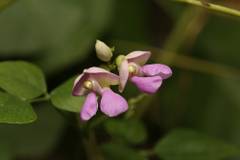
Species photo — your cultivar may vary
© photo prise par Isabelle Fragniere, some rights reserved (CC-BY-SA) · Wikimedia Commons
Phaseolus, Genus, vulgaris, Species, 'Dragon Tongue', Cultivar,
- Genus & species
- Cultivar
dragon tongue bean
Species native to Mexico and Guatemala with archaeological cultivation evidence over 8,000 years old across Mesoamerica; 'Dragon Tongue' cultivar is an open-pollinated heirloom of Dutch origin; commercially grown across temperate Europe, North America, Australia, and New Zealand
Overview
Phaseolus vulgaris 'Dragon Tongue' is a warm-season annual bush bean in the legume family (Fabaceae) reaching 18–24 inches (45–60 cm) tall and 12–18 inches (30–45 cm) wide in a determinate (bush) growth habit that requires no staking. The cultivar is an open-pollinated heirloom of Dutch origin and produces flat wide pods 5–6 inches (13–15 cm) long and 0.5–0.75 inch (1.3–2 cm) wide that are cream-yellow with purple-red streaks running the length of each pod — the purple streaking is the defining visual trait that distinguishes 'Dragon Tongue' from solid-color bean cultivars. Pods are dual-purpose: harvested as fresh snap beans at 50–55 days for tender eating, or left on the plant 65+ days to mature into shell beans (dried seeds for storage and winter cooking). The purple streaks fade to green during cooking — a constraint for color presentation in cooked dishes that requires the cultivar to be served raw, lightly blanched, or pickled when the streaking is the visual draw. Flowers are white to pale lavender pea-type (papilionaceous) 0.5 inch (12 mm) across, self-pollinating. Foliage is medium green trifoliate compound on upright bushy stems. Bush-type determinate growth produces a concentrated 2–3 week harvest window once the first pods mature, in contrast to indeterminate pole-type beans that produce continuous harvests across the growing season. Open-pollinated and seed-true; seed can be saved from one season's mature dried pods for next-season planting. Like all common beans, raw or undercooked seeds contain phytohemagglutinin lectins that cause severe gastric distress; cooking deactivates the lectins, and dry beans must be soaked and boiled before consumption. Not known to be toxic to pets or humans when properly cooked.
Native Range
The species Phaseolus vulgaris (common bean) is native to Mexico and Guatemala, with archaeological cultivation evidence going back over 8,000 years across the indigenous communities of Mesoamerica. The 'Dragon Tongue' cultivar is an open-pollinated heirloom of Dutch origin and is grown commercially across temperate Europe, North America, Australia, and New Zealand for fresh-market and home-garden snap-bean and shell-bean production.Suggested Uses
Grown in vegetable gardens, raised beds, container plantings (3+ gallon containers), and seed-saving gardens for culinary use as snap beans (fresh pods 5–6 inches eaten raw, lightly blanched, sautéed, or pickled — the purple streaking displays at peak when raw or quickly cooked), shell beans (dried seeds soaked and boiled in soups, stews, baked-bean preparations, and rice-and-bean dishes), and pickled wax-bean preparations where the purple streaking and the cream-yellow base color hold visual appeal. The dual-purpose snap-or-shell harvest gives a single planting flexibility across the growing season — pick early for tender snap beans or wait for mature dried beans for storage. The Dutch heritage pedigree and the open-pollinated reproductive habit make the cultivar a teaching example in heirloom bean preservation curricula. Bush-type determinate habit suits small gardens and raised beds where pole-type bean trellises are impractical. The purple streaks fading to green during cooking constrains color presentation in cooked dishes; raw, lightly blanched, or pickled preparations preserve the visual draw.How to Identify
Appearance
Size & Dimensions
Height1'6" - 2'
Width/Spread1' - 1'6"
Bloom Information
White to pale lavender pea-type (papilionaceous) flowers 0.5 inch (12 mm) across appear from June through August on upright bushy stems. The cultivar is self-pollinating; gentle physical disturbance and small bee activity improve fruit set when greenhouse-grown or where natural pollinator activity runs low. Pod development runs concentrated across a 2–3 week window once the first flowers set fruit, after which the plant senesces and dies — typical of determinate bush bean cultivars. Successive sowings every 2–3 weeks across the spring through midsummer extend the snap-bean harvest from late June through September.
Detailed Descriptions
Flower Description
White to pale lavender; pea-type (papilionaceous) 0.5 inch (12 mm); self-pollinating; June through AugustFoliage Description
Medium green; trifoliate compound leaves; on upright bushy stemsGrowing Conditions
Sun Requirements
Requires 6-10 hours of direct sunlight daily
• Full Sun: 6+ hours of direct sunlight
• Partial Shade: 3-6 hours of direct sunlight
• Full Shade: Less than 3 hours of direct sunlight
Care & Maintenance
Care Guide
Direct sow seeds 1 inch (2.5 cm) deep, 2 weeks after the last frost date when soil temperatures reach 60°F (16°C), spacing 3–4 inches (8–10 cm) apart in rows 18–24 inches (45–60 cm) apart. Beans resent transplanting and are sown directly in the garden rather than started indoors. Inoculate seeds with Rhizobium phaseoli bacterial inoculant before sowing — the inoculation introduces nitrogen-fixing rhizobia to the root system and reduces fertilizer requirements across the growing season. Grow in full sun with 6 or more hours of direct light in well-drained loamy soil at pH 6.0–7.0. Maintain consistent moisture during flowering and pod development; drought-stressed plants drop flowers without setting pods and produce smaller fewer pods. Days to maturity run 50–55 from direct sowing for snap beans, or 65+ days for shell beans (allowing pods to fully mature and dry on the plant). Pick pods at 5–6 inches for tender snap-bean eating; pods left longer become tough and stringy, but those allowed to fully mature on the plant become shell beans. Bush-type growth requires no staking. Successive sowings every 2–3 weeks extend the harvest. Common bean diseases (anthracnose, halo blight, bean common mosaic virus) can affect the cultivar; rotation away from previous bean plantings every 3–4 years reduces soil-borne disease pressure.Pruning
No horticultural pruning applies. Pick pods regularly at 5–6 inches (13–15 cm) for snap-bean use to encourage continued flower production across the 2–3 week harvest window. Pods left on the plant past the snap-bean stage develop into shell beans — leave them on the plant until the pod walls dry and rattle when shaken, then harvest the dried pods, shell out the seeds, and store the dried beans in airtight containers for winter cooking.Container Growing
Suitable for container growing
Minimum container size: 3 gallons
Toxicity
Non-toxicPlanting Guide
Planting Methods & Timing
Planting Method
direct sow
Indoor Start
2 weeks before last frost
Direct Sow Timing
After last frost when soil temperature reaches 60 degrees F (16 degrees C)+
Days to Maturity
50–65 days
Plant Spacing
6 inches