Image 1 of 7
1 / 7
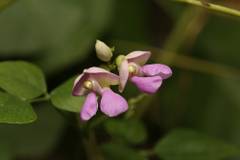
Species photo — your cultivar may vary
© photo prise par Isabelle Fragniere, some rights reserved (CC-BY-SA) · Wikimedia Commons
Phaseolus, Genus, vulgaris, Species, 'Purple Queen', Cultivar,
- Genus & species
- Cultivar
purple queen bean
Open-pollinated cultivar; the species P. vulgaris is native to Central America (Mexico, Guatemala)
Overview
Phaseolus vulgaris 'Purple Queen' is Purple Queen bean, a bush (determinate) annual growing 18-24 inches (45-60 cm) tall and 12-18 inches (30-45 cm) wide. Round purple pods 5-6 inches (13-15 cm) long — the purple color is from anthocyanin pigments. The purple pods turn green when cooked — the anthocyanin breaks down at cooking temperatures. The color change from purple to green is a built-in doneness indicator. White to pale lavender pea-type flowers. Green foliage with purple-tinged veins and stems. In the legume family (Fabaceae). Open-pollinated — seed can be saved. Bush type: no staking required. Direct-sow only — beans resent transplanting. Nitrogen-fixing: inoculate seed with Rhizobium bacteria. The purple pods disappearing when cooked is a limitation for gardeners seeking purple in cooked dishes. Concentrated harvest over 2-3 weeks — succession-sow for continuous supply. Raw beans contain lectins (phytohemagglutinin) — cook before eating. Not deer-resistant. Full sun. Tender annual. Growth rate is fast.
Native Range
Open-pollinated cultivar. The species P. vulgaris is native to Central America (Mexico, Guatemala).Suggested Uses
Grown in vegetable gardens, raised beds, and containers of at least 3 gallons (11 L). Purple-podded bush bean — turns green when cooked (doneness indicator). Open-pollinated. Direct-sow. Not deer-resistant. Tender annual.How to Identify
Appearance
Size & Dimensions
Height1'6" - 2'
Width/Spread1' - 1'6"
Bloom Information
Summer (June-August). White to pale lavender pea-type (papilionaceous) flowers. Self-pollinating. Pods 50-60 days from direct sow. Bush type: concentrated harvest.
Detailed Descriptions
Flower Description
White to pale lavender, pea-type (papilionaceous), 0.5 inch (12 mm)Foliage Description
Green with purple-tinged veins and stemsGrowing Conditions
Sun Requirements
Requires 6-10 hours of direct sunlight daily
• Full Sun: 6+ hours of direct sunlight
• Partial Shade: 3-6 hours of direct sunlight
• Full Shade: Less than 3 hours of direct sunlight
Care & Maintenance
Care Guide
Full sun (6+ hours). Well-drained soil pH 6.0-7.0. Direct-sow only. Inoculate with Rhizobium. Bush type — no staking. Pick pods at 5-6 inches (13-15 cm). Succession-sow every 2-3 weeks. Raw beans contain lectins — cook before eating. Not deer-resistant. Tender annual.Pruning
No pruning needed. Pick pods regularly at 5-6 inches (13-15 cm) to encourage continued production. Pods left too long become tough.Container Growing
Suitable for container growing
Minimum container size: 3 gallons
Toxicity
Non-toxicPlanting Guide
Planting Methods & Timing
Planting Method
direct sow
Indoor Start
2 weeks before last frost
Direct Sow Timing
After last frost when soil temperature reaches 60 degrees F (16 degrees C)+
Days to Maturity
50–60 days
Plant Spacing
6 inches
Companion Planting
Avoid Planting With