Image 1 of 2
1 / 2
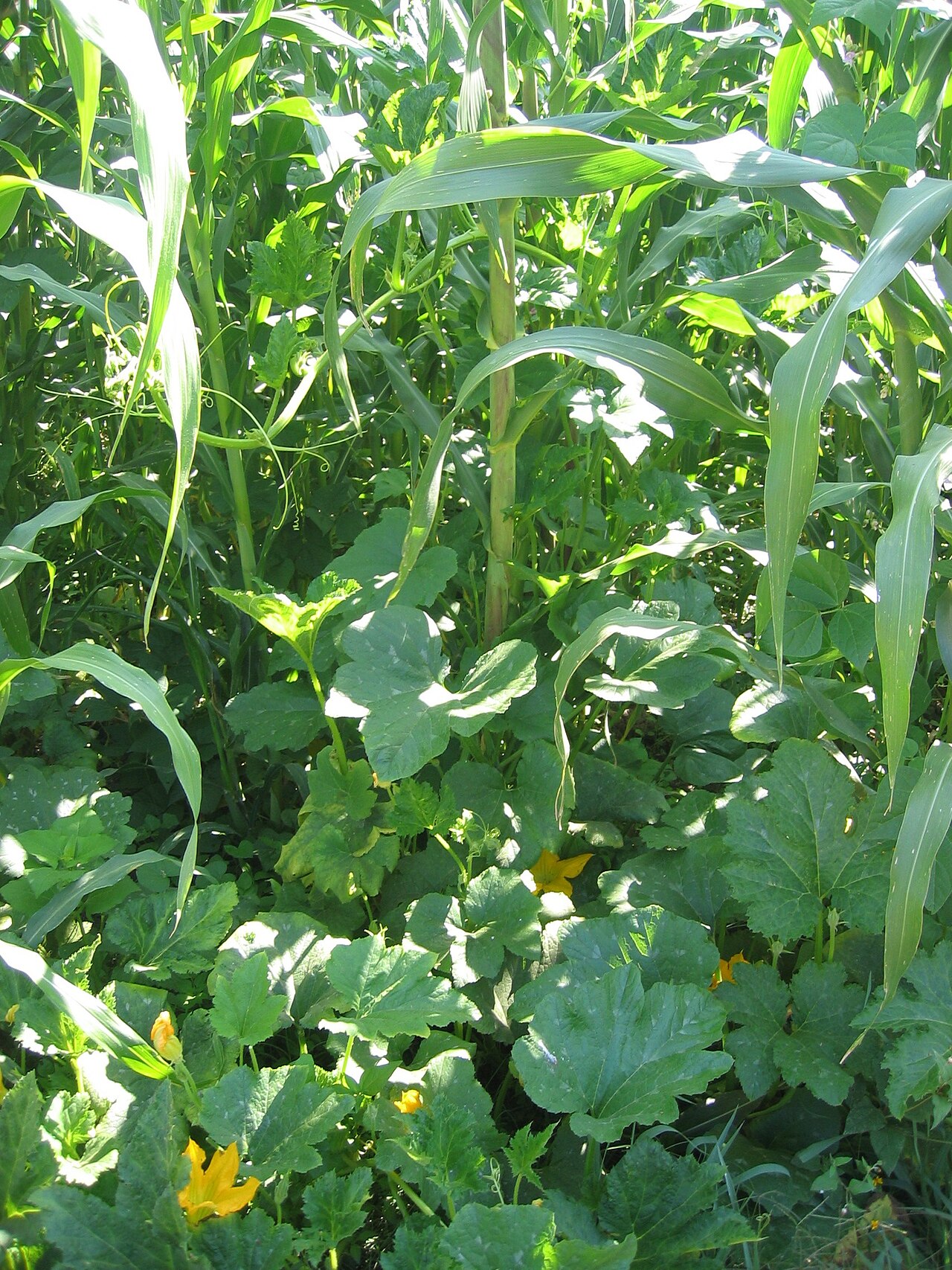
© photo prise par Isabelle Fragniere, some rights reserved (CC-BY-SA) · Wikimedia Commons
Phaseolus, Genus, spp., Multiple species,
- Genus
- Multiple species
beans
The Americas (Mexico, Central and South America)
Overview
The genus Phaseolus contains about 70 species of warm-season legumes native to the Americas, including several major food crops: the common bean (P. vulgaris), lima bean (P. lunatus), scarlet runner bean (P. coccineus), and tepary bean (P. acutifolius). Most species are herbaceous twining vines that climb 2-4 m (7-13 ft) by coiling their stems around supports, though cultivated bush forms stay compact at 0.3-0.6 m (1-2 ft). Leaves are trifoliate, each with three broad leaflets and a pair of stipules. The papilionaceous flowers, borne in axillary clusters, range from white through pink, lilac, and purple to scarlet, and develop into straight or curved pods 5-20 cm (2-8 in) long holding several seeds. As legumes, Phaseolus species fix nitrogen through root-nodule bacteria. The genus is frost-tender and warm-season: seeds germinate only in soil above about 16 C (60 F), and plants are killed by frost. Raw seeds of several species contain lectins, and lima beans contain cyanogenic compounds, both broken down by thorough cooking. Wild species occupy woodland edges, thickets, and disturbed ground from Mexico and the south-western United States through Central and South America.
Native Range
Phaseolus is native to the Americas, with its centre of diversity in Mexico and Central America and additional species through South America and the south-western United States. Several species were domesticated independently in Mesoamerica and the Andes.Suggested Uses
Phaseolus species are grown chiefly as vegetable crops for fresh pods or dried seeds. Climbing types double as fast summer screens on trellises and arches, and the scarlet runner is also planted for its red flowers, which draw bees and hummingbirds. Bush cultivars suit containers and small beds.How to Identify
Appearance
Size & Dimensions
Height1' - 13'
Width/Spread1' - 2'
Bloom Information
Flowering begins in early summer once plants are well grown and continues through the warm months until frost. Individual plants flower over six to ten weeks, with pods following two to three weeks after each flush. In cool climates the season ends with the first autumn frost.
Detailed Descriptions
Flower Description
white, pink, lilac, purple, or scarletFoliage Description
greenGrowing Conditions
Sun Requirements
Requires 6-10 hours of direct sunlight daily
• Full Sun: 6+ hours of direct sunlight
• Partial Shade: 3-6 hours of direct sunlight
• Full Shade: Less than 3 hours of direct sunlight
Water & Climate
Water Needs
Care & Maintenance
Care Guide
Plants grow in full sun and warm, well-drained loam at a pH of 6.0-7.5. Seeds are sown after the last spring frost, once soil has warmed to at least 16 C (60 F). Even moisture during flowering and pod set sustains yield, while drought at that stage reduces it. As nitrogen-fixing legumes, plants need little added nitrogen. Climbing types need a trellis, tepee, or other support 2 m (7 ft) or taller.Pruning
Routine pruning is not practised. Pinching the growing tip of climbing types limits height and promotes lower branching. Picking mature pods regularly extends the productive period for fresh-eating beans.Container Growing
Suitable for container growing
Minimum container size: 5 gallons