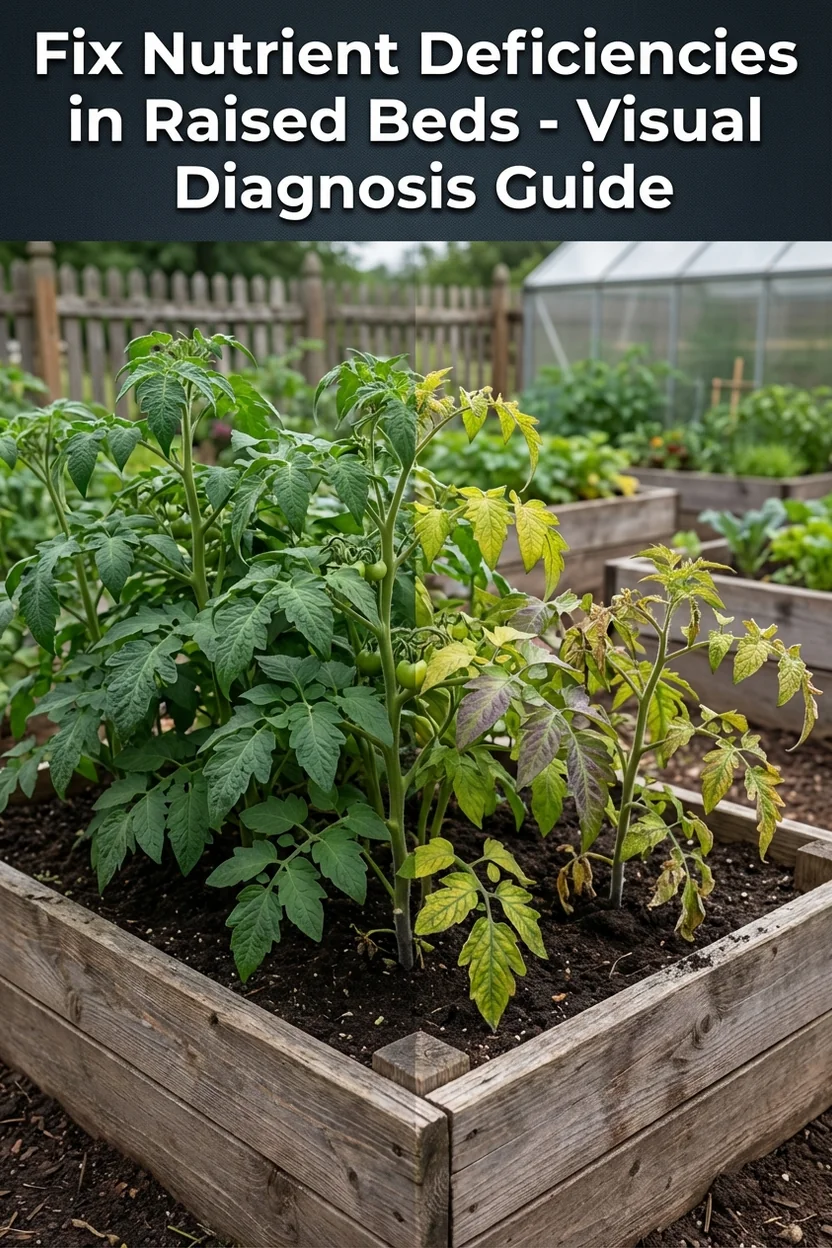
Nutrient Deficiencies in Raised Beds: Visual Diagnosis and Treatment
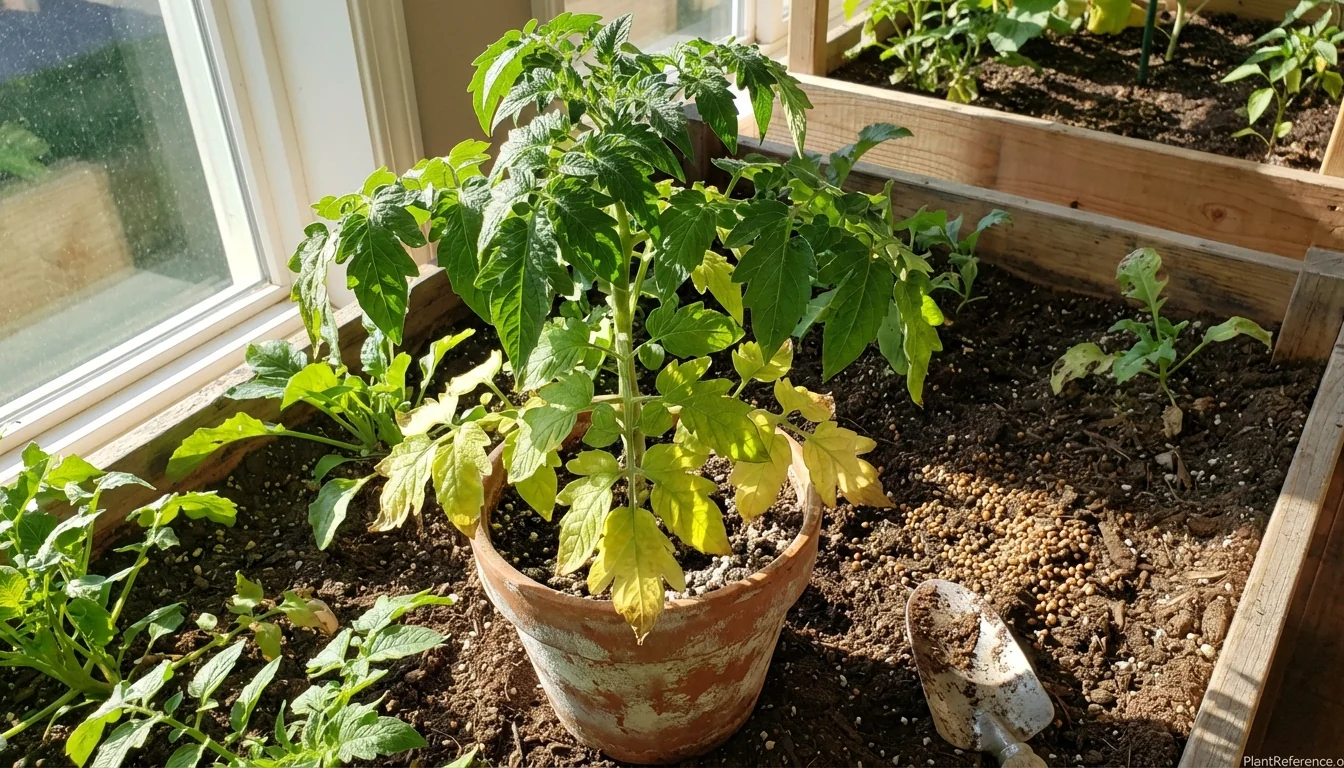
— Image © Plant Reference 2026
Staring at yellowing, stunted plants in your raised bed despite careful watering? Raised bed nutrient deficiency is more common than most gardeners realize. The same drainage that prevents root rot also accelerates nutrient loss, and that "premium" soil mix might be lacking essential elements your plants desperately need.
The key difference between raised beds and ground-level gardens is nutrient mobility. In raised beds, water—and dissolved nutrients—move through the soil profile faster, creating deficiencies that rarely occur in native soil gardens. Understanding this fundamental difference is crucial for maintaining healthy plants.
Understanding Nutrient Deficiencies in Raised Beds
Raised beds create a unique growing environment where nutrient deficiency symptoms appear faster and more dramatically than in traditional gardens. The elevated soil profile, improved drainage, and concentrated root zones accelerate both nutrient uptake and loss through leaching. When you understand Best Soil Mix for Raised Beds: Creating the Perfect Growing Medium, you'll recognize how soil composition directly impacts nutrient availability.
Plants require seventeen essential nutrients for healthy growth. The primary macronutrients—nitrogen (N), phosphorus (P), and potassium (K)—are needed in largest quantities and show the most obvious deficiency symptoms. Secondary nutrients include calcium, magnesium, and sulfur, while micronutrients encompass iron, manganese, zinc, and others needed in trace amounts.
In raised beds, the faster drainage that prevents waterlogging also carries away water-soluble nutrients like nitrogen and potassium more rapidly than in native soil. This is why plants in raised beds often require more frequent fertilization than those grown in ground-level gardens.
The concentrated root zone in raised beds means competition between plants is intense. When nutrients become limited, symptoms appear quickly across multiple plants simultaneously. This rapid onset actually helps with diagnosis—you'll see problems developing before they become severe. Additionally, understanding Raised Bed Soil Settling and Compaction: Prevention and Solutions helps explain why nutrient availability changes over the growing season.

Visual Diagnosis: Identifying the Big Three Deficiencies
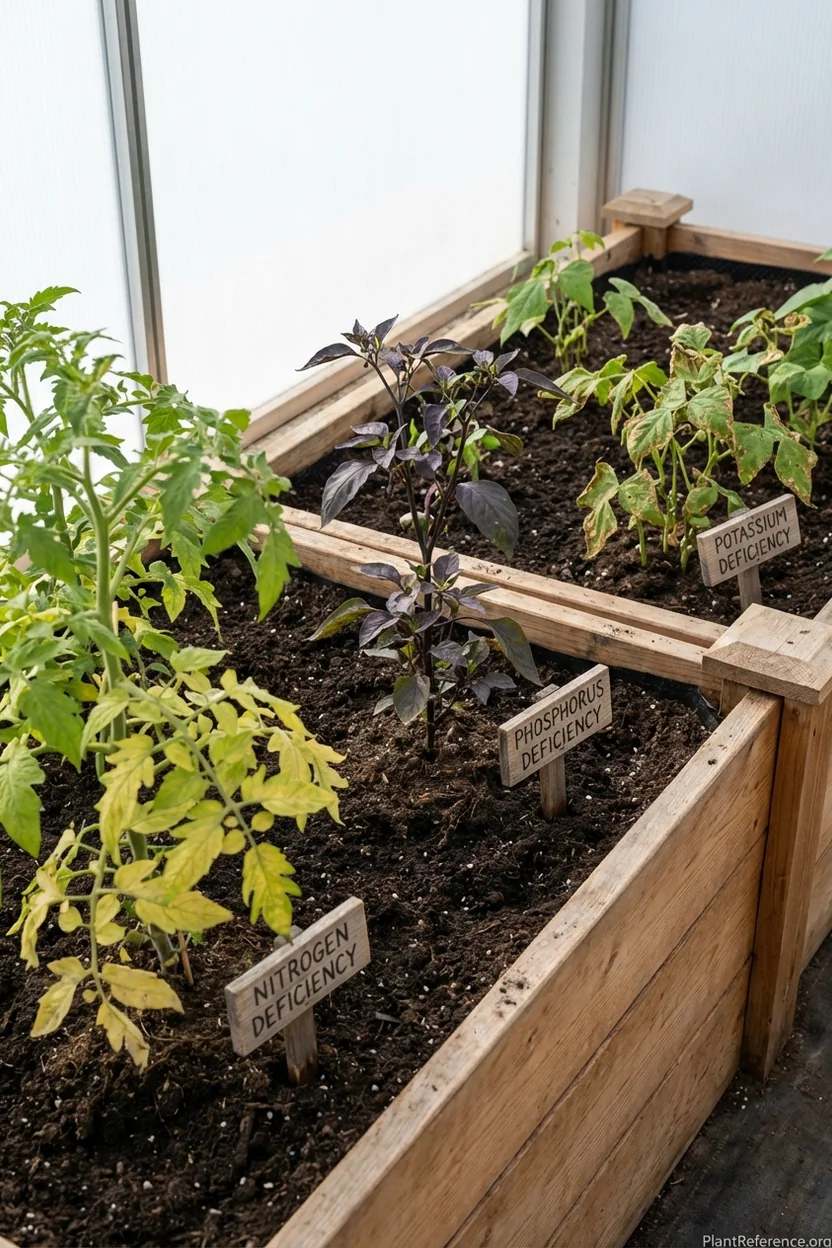
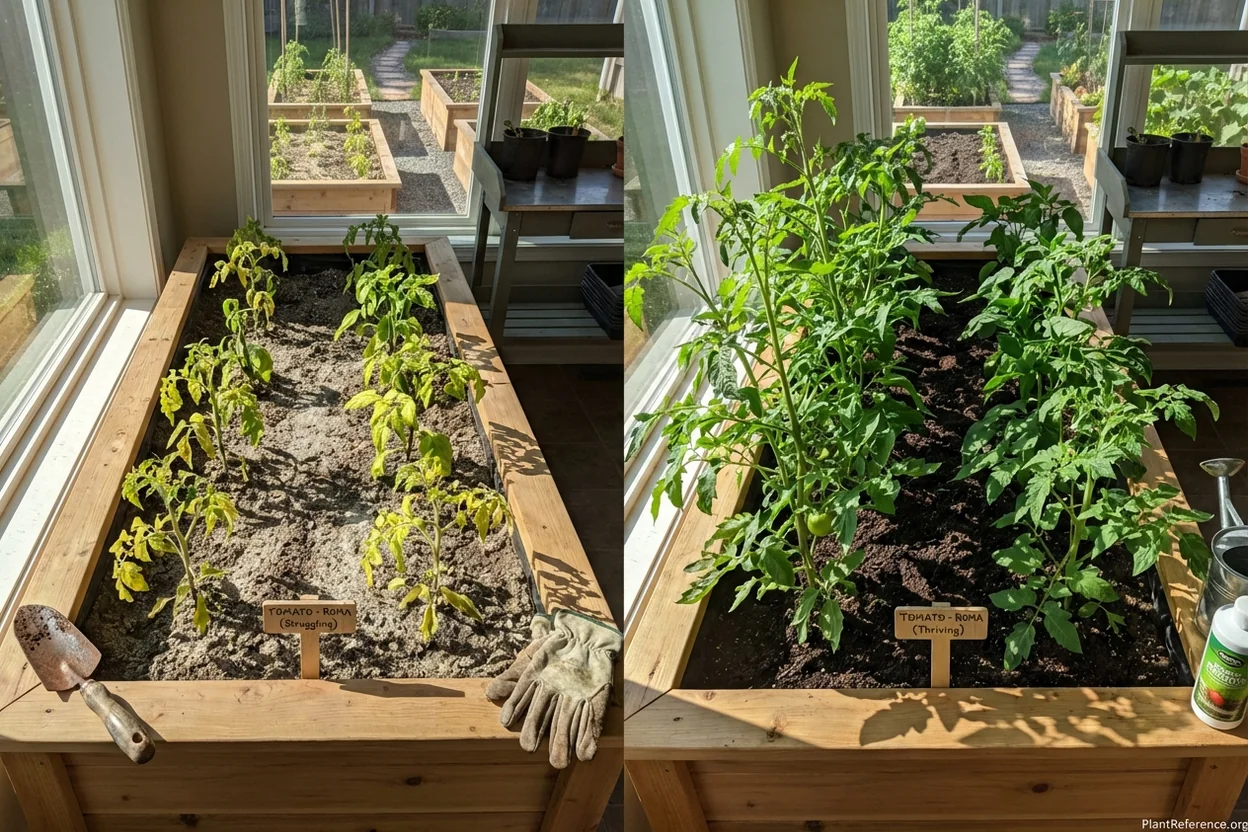
Nitrogen deficiency is the most common raised bed nutrient deficiency and creates the most recognizable symptoms. Plants systematically yellow from the bottom up as they relocate nitrogen from older leaves to support new growth. The pattern is unmistakable: lower leaves turn pale green, then yellow, while upper foliage remains dark green.
Nitrogen-deficient plants also show stunted growth, thin stems, and overall pale appearance. Vegetable crops like tomatoes and peppers will have reduced fruit production, while leafy greens become bitter and bolt prematurely. The yellowing progresses upward over 2-3 weeks if left untreated.
Phosphorus deficiency creates distinctly different visual cues. Leaves develop a dark blue-green color with purple or reddish stems and leaf veins. Unlike nitrogen deficiency, phosphorus problems affect the entire plant simultaneously rather than progressing from bottom to top. Plants appear stunted with poor root development and delayed maturity.
Phosphorus deficiency is particularly common in raised beds with pH above 7.5 or below 6.0, as phosphorus becomes chemically bound and unavailable at extreme pH levels. Cold soil temperatures also reduce phosphorus uptake, making early-season deficiency symptoms common in northern climates.
Potassium deficiency manifests as "marginal burn"—brown, crispy edges around leaf margins while the center remains green. This scorching pattern distinguishes it from heat stress or overwatering damage. Affected plants often show weak stems, increased disease susceptibility, and poor fruit quality in vegetables. Understanding Raised Bed Pest and Disease Management: Complete Control Guide helps you distinguish nutrient problems from pest or disease damage.
Potassium-deficient plants struggle with water regulation, making them more prone to wilting during hot afternoons even when soil moisture is adequate. Tomato plants may develop uneven ripening or soft spots on fruit.
Secondary Nutrients and Micronutrient Problems
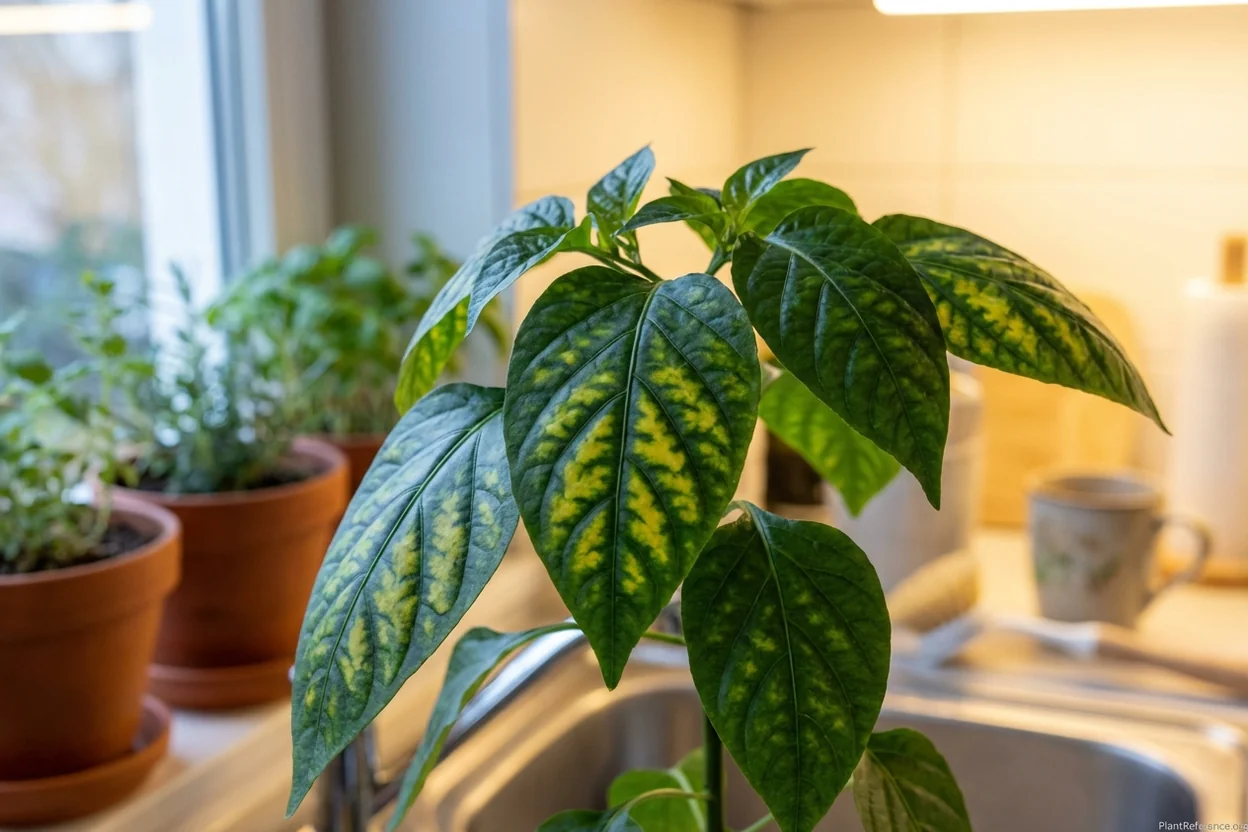
Magnesium deficiency creates interveinal chlorosis—yellowing between leaf veins while veins remain green, creating a Christmas tree pattern. This differs from iron deficiency, which causes similar patterns but affects youngest leaves first rather than older foliage.
Magnesium problems are common in raised beds filled with peat-based mixes or in areas with acidic water. The symptoms typically appear on older leaves first and progress upward, similar to nitrogen deficiency but with the distinctive vein pattern.
Calcium deficiency shows up as blossom end rot in tomatoes, peppers, and squash—dark, sunken spots on the fruit bottom. In leafy crops, calcium deficiency causes tip burn and stunted new growth. Despite adequate calcium in the soil, inconsistent watering often causes calcium deficiency by disrupting uptake. This is why Raised Bed Irrigation: Watering Systems and Schedules is critical for nutrient management.
Iron deficiency creates interveinal chlorosis on youngest leaves, appearing as bright yellow leaves with dark green veins. This is opposite to magnesium deficiency patterns and often indicates pH problems rather than actual iron shortage in the soil.
Micronutrient deficiencies are less common but create distinctive symptoms. Boron deficiency causes hollow stems and cracked fruit, while zinc deficiency creates small, narrow leaves with shortened internodes giving plants a rosette appearance.
These secondary and micronutrient problems often indicate pH imbalances rather than actual soil shortages. Before adding amendments, test your soil pH—many nutrients become unavailable when pH strays outside the 6.0-7.0 range optimal for most vegetables.
Soil Testing: The Foundation of Accurate Diagnosis
Before treating any suspected nutrient deficiency, test your soil pH and nutrient levels. Visual symptoms can be misleading—what appears to be nitrogen deficiency might actually be phosphorus unavailability caused by alkaline pH.
Home pH test kits provide immediate results using color-change strips or drops. Test multiple spots within your raised bed, as pH can vary significantly even within a small area. Most vegetables thrive in pH 6.0-7.0, where all nutrients remain available for plant uptake.
Digital pH meters offer more precise readings but require calibration and maintenance. For raised bed gardening, simple chemical test kits are sufficient and cost-effective for regular monitoring.
Complete soil testing through extension services or commercial labs provides detailed nutrient analysis including nitrogen, phosphorus, potassium, and micronutrients. These tests cost $15-40 but provide comprehensive baseline data for targeted treatment plans.
Collect soil samples from multiple locations at root depth (4-6 inches deep) rather than surface samples. Mix samples from different areas of the bed to get representative results. Avoid testing immediately after fertilizing or during extremely wet or dry conditions.
NPK test strips offer middle-ground option between pH testing and full lab analysis. These $15-25 kits test for the three primary nutrients and help confirm visual diagnosis before treatment.
Time your soil testing strategically. Test in early spring before planting to establish baseline levels, mid-season if problems appear, and fall after harvest to plan next year's amendments. Keep records to track trends over time. For detailed planning, consult Crop Rotation Planning for Raised Bed Gardens to understand how previous plantings affect nutrient depletion patterns.
Treatment Protocols for Each Nutrient Deficiency
Nitrogen deficiency treatment requires fast-acting amendments since nitrogen is mobile in soil and plants. Blood meal provides quick-release organic nitrogen, while fish emulsion offers gentle, immediate feeding that won't burn roots.
For immediate relief, apply liquid fertilizer (fish emulsion or compost tea) every 10 days until symptoms improve. Follow with slow-release amendments like compost or aged manure to provide sustained nitrogen through the growing season.
Synthetic options like ammonium sulfate or urea work faster but risk burning plants if over-applied. Apply at half the recommended rate initially, then increase if plants don't respond within two weeks.
Phosphorus deficiency treatment is more complex because phosphorus moves slowly through soil. Bone meal provides slow-release organic phosphorus, while rock phosphate offers long-term soil building but takes months to become available.
For immediate phosphorus needs, use liquid fertilizers high in phosphorus or triple superphosphate worked into the root zone. However, address pH issues first—phosphorus amendments won't help if pH prevents uptake.
Potassium deficiency responds well to kelp meal, wood ash, or muriate of potash. Kelp meal provides slow-release potassium plus trace minerals, while wood ash raises pH simultaneously—useful in acidic soils but problematic if pH is already high.
Liquid seaweed extract provides immediate potassium plus growth hormones that help plants recover from stress. Apply every two weeks during peak growing season for maintenance.
Organic vs Synthetic Amendment Options
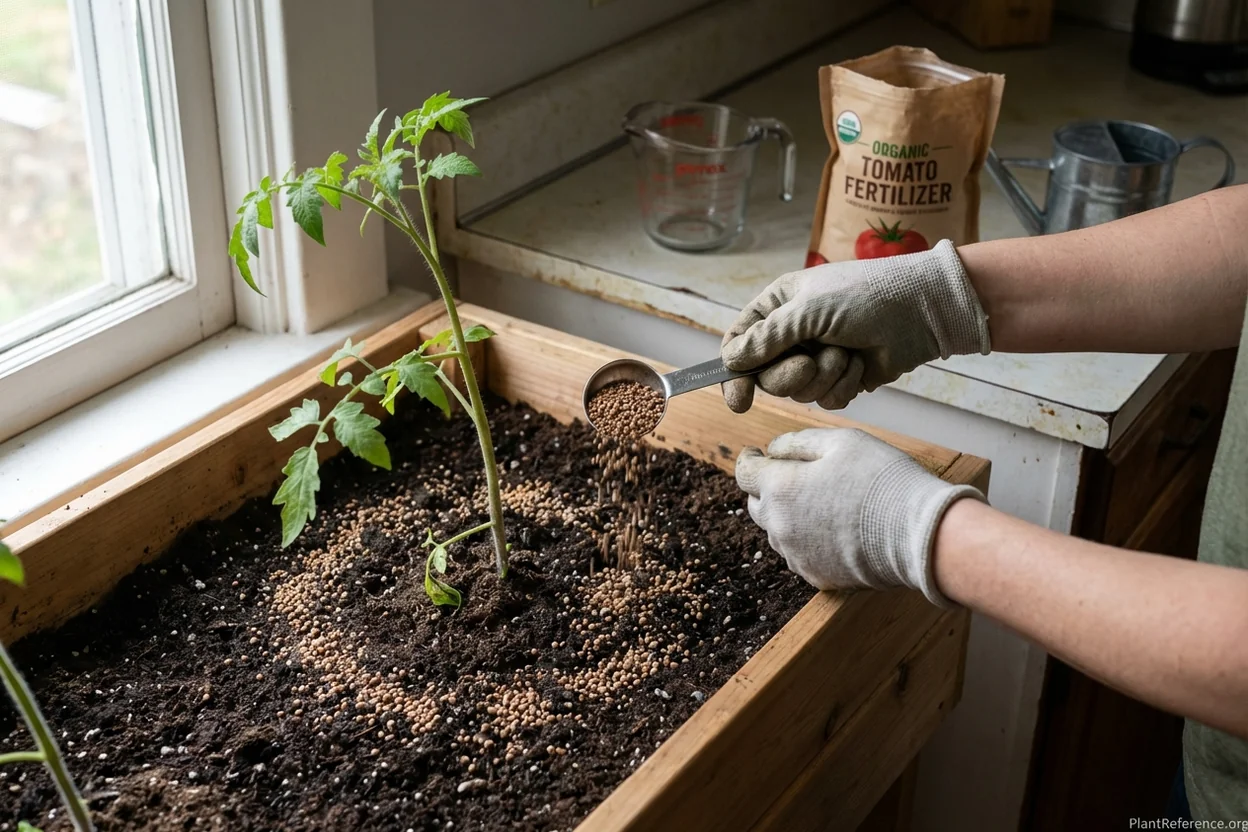
Organic amendments release nutrients slowly as soil microorganisms break them down, providing sustained feeding that reduces risk of over-fertilization. Compost, aged manure, and organic fertilizer blends improve soil structure while feeding plants. Understanding Composting Methods for Raised Beds: From Scraps to Gold helps you create your own nutrient-rich amendments cost-effectively.
Blood meal (12-0-0) provides quick nitrogen release, while bone meal (3-15-0) supplies slow phosphorus. Kelp meal (1-0.5-2.5) offers balanced nutrition plus trace elements often missing from synthetic fertilizers.
Organic options require soil biological activity to release nutrients, so they work slower in cold soil or sterilized growing media. Plan for 2-4 week response times compared to 1-2 weeks for synthetic fertilizers.
Synthetic fertilizers provide immediate nutrient availability and precise control over application rates. 10-10-10 balanced fertilizer addresses multiple deficiencies simultaneously, while single-nutrient fertilizers target specific problems.
Synthetic fertilizers risk salt buildup and root burn if over-applied, especially in raised beds where concentrated root zones increase uptake rates. Apply at half-strength initially and monitor plant response.
Liquid fertilizers offer fastest results for either organic or synthetic options. Fish emulsion, compost tea, or soluble synthetic fertilizers can reverse deficiency symptoms within days of application.
For raised bed nutrient deficiency prevention, combine both approaches: use organic amendments for soil building and sustained nutrition, with liquid fertilizers for quick corrections when problems appear.
Consider your water source when choosing amendments. Hard water already contains calcium and magnesium, making additional lime unnecessary. Soft water lacks these minerals, requiring supplementation for complete plant nutrition.
→ Espoma Organic Plant-tone All Purpose Plant Food ($12-15) - Slow-release organic blend perfect for preventing nutrient deficiencies
Bio-tone microbes enhance nutrient uptake and root development while providing 5-3-3 NPK ratio with essential trace elements. Made from feather meal, bone meal, and sulfate of potash for sustained 8-week feeding. Safe for all vegetables and won't burn roots even with direct contact. OMRI listed for organic gardening with no synthetic chemicals or fillers. Easy-to-use granular formula requires no mixing and works in all soil types for consistent plant nutrition.
Product link unavailable
Prevention: Maintaining Optimal Nutrient Levels
Annual soil testing is the foundation of raised bed nutrient deficiency prevention. Test in early spring to establish baseline levels and adjust fertilization plans based on results rather than guessing plant needs.
Develop a seasonal fertilization schedule based on your soil test results and plant requirements. Light feeders like herbs need minimal supplementation, while heavy feeders like tomatoes require regular feeding throughout the growing season.
Crop rotation helps prevent nutrient depletion by varying plant demands on soil. Follow nitrogen-fixing legumes with heavy-feeding brassicas or tomatoes to take advantage of residual nitrogen from bacterial nodules. For detailed planning, consult Crop Rotation Planning for Raised Bed Gardens to maximize nutrient cycling.
Compost additions provide slow-release nutrition while improving soil structure and water retention. Apply 1-2 inches of finished compost twice yearly—spring before planting and fall after harvest.
Mulching reduces nutrient loss by preventing erosion and reducing watering frequency. Organic mulches like straw or shredded leaves gradually decompose, adding nutrients while conserving existing ones. Learn more at Raised Bed Mulching Strategies: Materials and Application Methods.
Monitor pH drift in raised beds, which tends toward acidity over time due to organic matter decomposition and fertilizer applications. Test pH every six months and adjust with lime or sulfur as needed to maintain optimal nutrient availability. For comprehensive pH management, explore pH Management in Raised Beds: Testing and Adjustment.
Cover crops planted during off-seasons build soil organic matter and capture nutrients that would otherwise leach away during winter months. Crimson clover, winter rye, or buckwheat improve soil health while preventing nutrient loss.
Keep detailed garden records tracking fertilization dates, amounts applied, and plant performance. This historical data helps you identify patterns and adjust feeding schedules for optimal plant health year after year.
Timing and Application Methods for Maximum Effectiveness
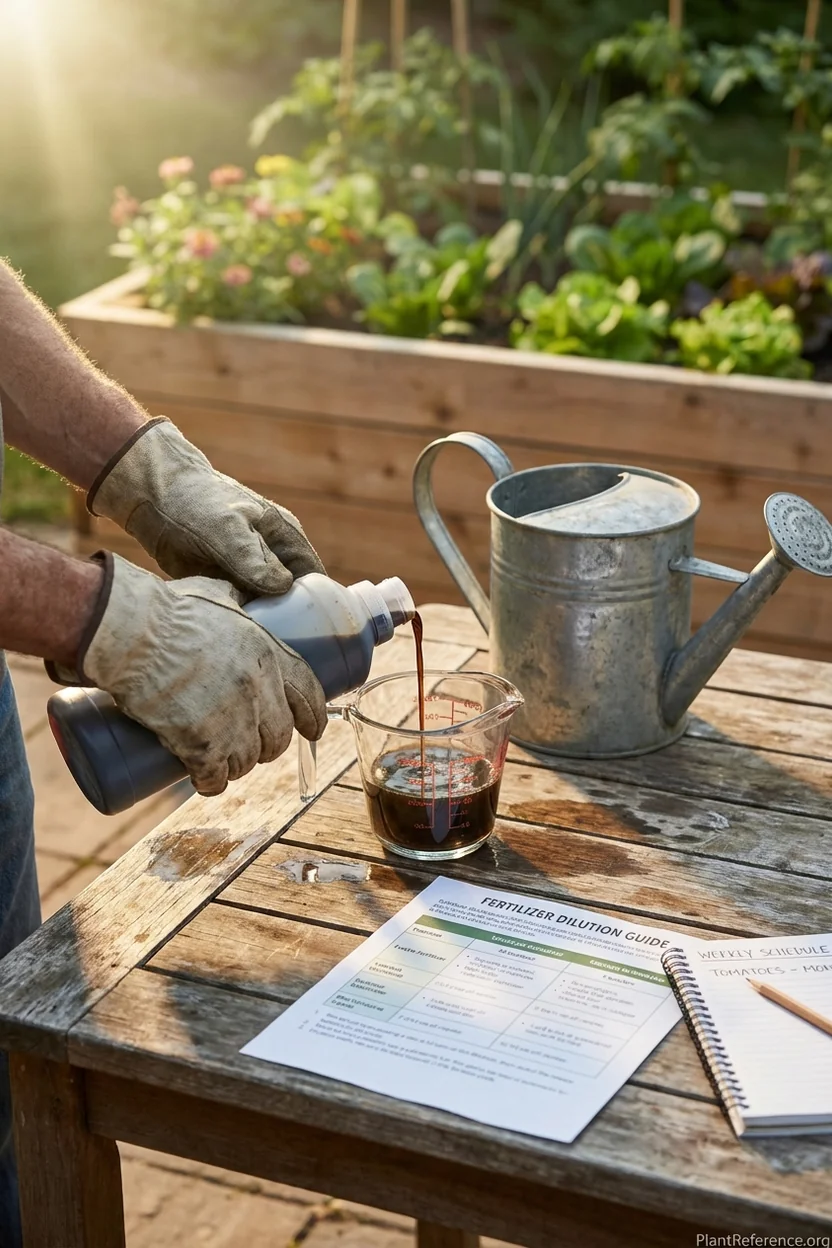
Early morning application of liquid fertilizers maximizes nutrient uptake when plants are actively photosynthesizing and stomata are open. Avoid fertilizing during hot afternoon hours when plants are conserving water and nutrients may burn foliage.
Soil moisture should be adequate but not saturated when applying amendments. Water lightly before granular fertilizer application to prevent root burn, then water again after application to carry nutrients into the root zone.
Application timing relative to growth stages affects effectiveness. Apply nitrogen before periods of active growth (early spring, after pruning), phosphorus before flowering, and potassium before fruit development and winter preparation.
Split applications work better than single large doses for water-soluble nutrients. Apply nitrogen in 3-4 smaller applications throughout the growing season rather than one heavy spring application that may leach away.
Incorporation methods affect nutrient availability. Work granular fertilizers into the top 2-4 inches of soil rather than surface broadcasting to reduce volatilization and improve root contact.
For raised bed nutrient deficiency correction, combine immediate liquid feeding with slow-release amendments. Apply liquid fertilizer for quick symptom relief, followed by granular organic amendments for sustained nutrition.
Temperature considerations affect both application and effectiveness. Organic amendments require soil temperatures above 50°F (10°C) for microbial activity, while synthetic fertilizers work in cooler conditions but risk salt damage.
Monitor application rates carefully in raised beds where root concentration is higher than in-ground gardens. Start with half-strength applications and increase gradually based on plant response rather than label recommendations designed for dispersed root systems.
The key to managing raised bed nutrient deficiency lies in understanding that these intensive growing systems require more attention to nutrition than traditional gardens. Regular monitoring, timely intervention, and preventive fertilization schedules keep plants healthy and productive throughout the growing season.
Remember that Best Soil Mix for Raised Beds: Creating the Perfect Growing Medium provides the foundation for good nutrition, while Raised Bed Soil Settling and Compaction: Prevention and Solutions addresses how settling affects nutrient availability over time.
Frequently Asked Questions

Reading about plants and recognising them are different skills. These three build the second.
- Daily PlantIdentify the day’s mystery plant from a close-up photograph.
- Keyed OutWork a dichotomous key, lead by lead, to name a hidden specimen.
- Name That PlantName a specimen from botanical clues dealt hardest first.
Free to play, no account needed
Priya is a soil scientist at an agricultural extension office who gardens on a quarter-acre suburban lot in Indianapolis. Her professional work focuses on soil health and nutrient management, which gives her a perspective most gardening writers don't have—she thinks about what's happening underground before worrying about what's happening above it. Priya maintains a large pollinator garden, grows herbs and vegetables, and is slowly converting her conventional lawn to a mix of native grasses and low-growing groundcovers. She writes about soil health, composting, fertilizer use, and building the kind of foundation that makes plants thrive without constant intervention.