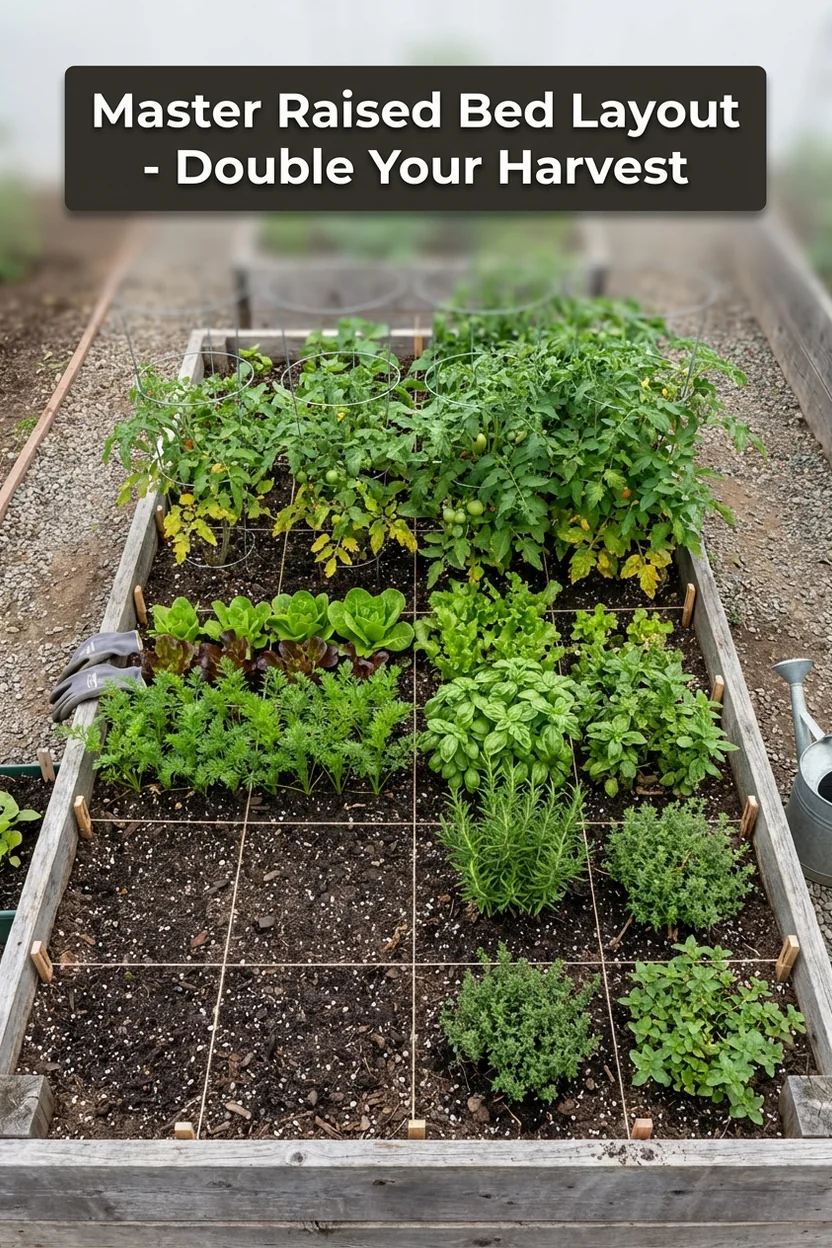
Raised Bed Vegetable Garden Layout: Planning for Maximum Production
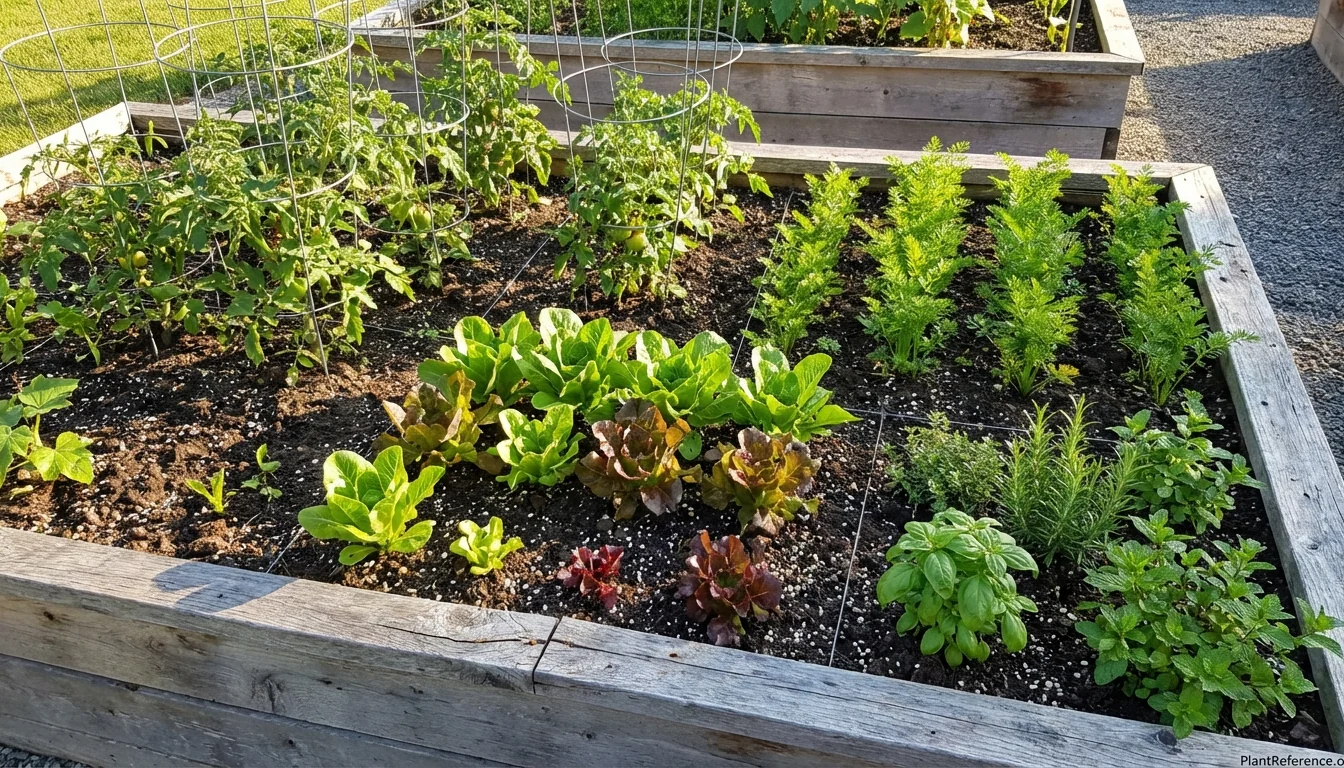
— Image © Plant Reference 2026
After forty years of vegetable gardening, I'll tell you the secret to a productive raised bed isn't just good soil—it's smart planning. Your raised bed vegetable garden layout determines whether you harvest bushels of vegetables or struggle with crowded, underperforming plants. Most beginners plant randomly and wonder why their beds disappoint. Let me show you how proper layout planning can double your harvest in the same space.
Understanding Raised Bed Layout Fundamentals
The beauty of raised bed gardening lies in intensive planting methods that simply don't work in traditional row gardens. With improved soil, better drainage, and defined boundaries, you can pack more vegetables into less space while maintaining healthy plant growth.
Key Layout Principles:
Your bed orientation affects everything. Position beds running north to south when possible, giving plants equal sun exposure throughout the day. East-west beds work if that's your only option, but place taller plants on the north side to prevent shading shorter crops.
Width matters more than length for accessibility. Keep beds 3-4 feet (90-120 cm) wide for access from both sides, or 2-2.5 feet (60-75 cm) wide against walls or fences. I've watched too many gardeners build beds they can't reach into comfortably—you'll compact soil and damage plants trying to tend the center.
Soil Depth Requirements by Crop Type:
Shallow roots (4-6 inches/10-15 cm): Lettuce, spinach, radishes, green onions, herbs
Medium roots (6-12 inches/15-30 cm): Bush beans, peas, carrots, beets, chard, kale
Deep roots (12+ inches/30+ cm): Tomatoes, peppers, eggplant, squash, melons, root vegetables like parsnips
Match your bed depth to your crop choices. A 6-inch (15 cm) bed works fine for salad greens, but tomatoes need 12-18 inches (30-45 cm) minimum for proper root development and stability.
Square Foot Gardening Method for Raised Beds
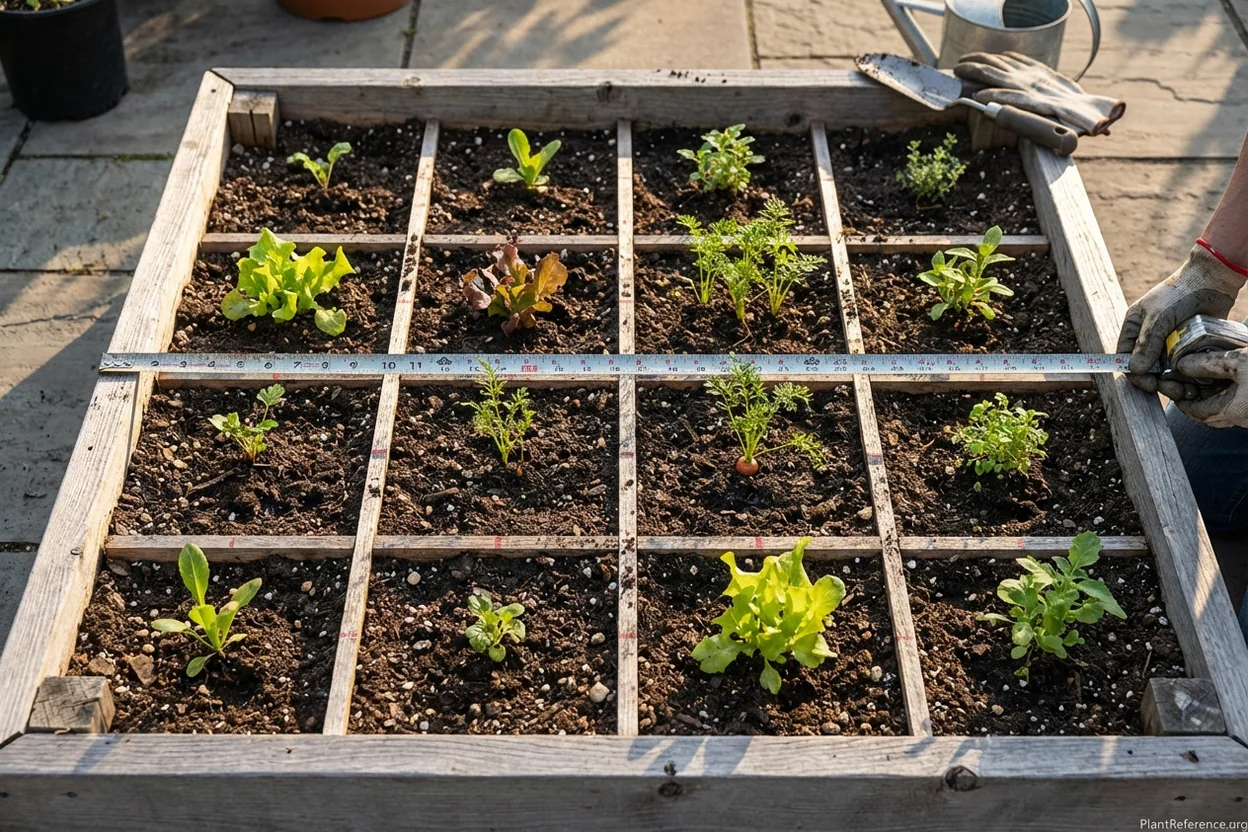
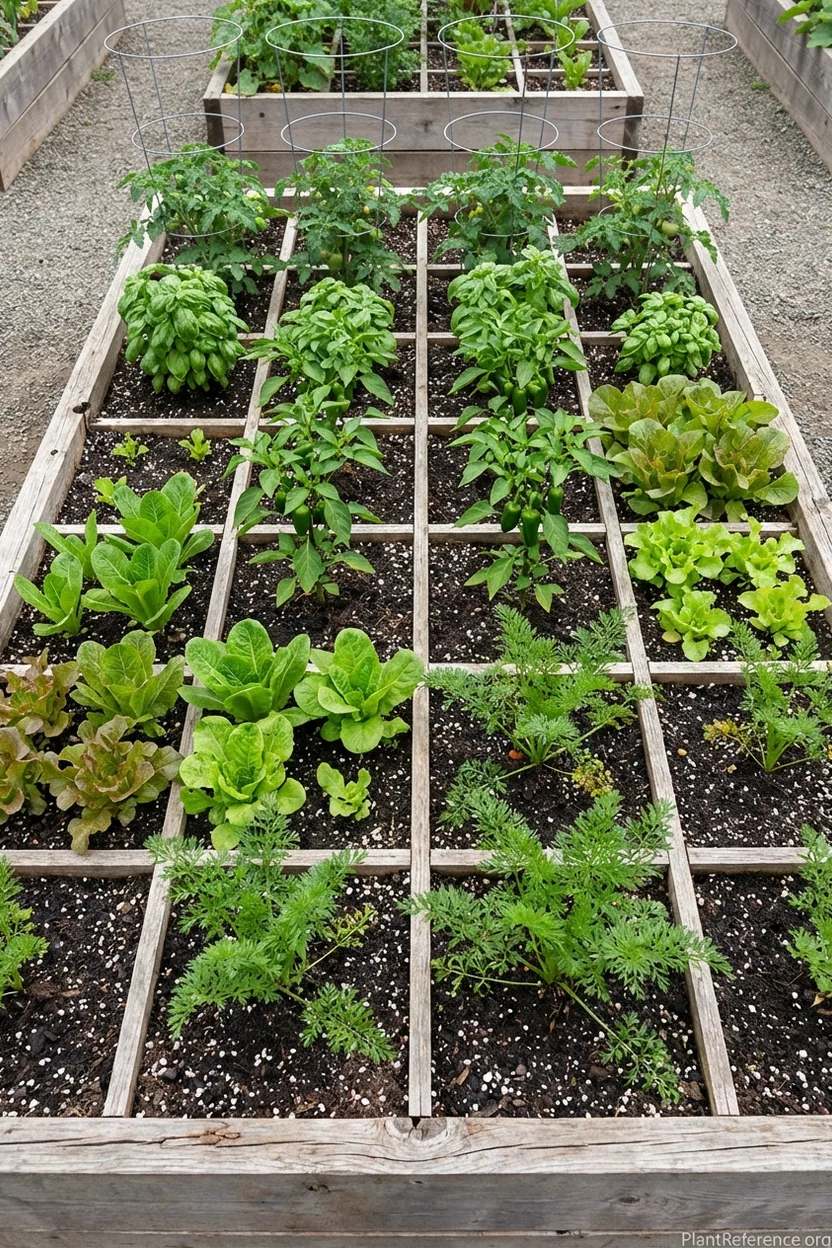
Mel Bartholomew's square foot gardening revolutionized raised bed layouts, and for good reason—it works. Instead of traditional rows with wasted space between them, you divide your bed into 12-inch (30 cm) squares and plant each according to the crop's space requirements.
Plants Per Square Foot:
1 plant per square: Tomatoes, peppers, eggplant, cabbage, broccoli, cauliflower
4 plants per square: Lettuce, chard, Asian greens, bush beans, marigolds
9 plants per square: Bush peas, spinach, turnips, beets (for greens)
16 plants per square: Carrots, radishes, green onions, chives
This intensive spacing works because raised bed soil stays loose and nutrient-rich. Plants don't compete for resources like they would in compacted ground. I've grown 32 carrot plants in two square feet (0.2 square meters) using this method—try that in a traditional garden row.
Create your grid using string, thin wooden strips, or even PVC pipes laid across the bed. Some gardeners install permanent grids, but I prefer removable ones that don't interfere with larger plants as they mature.
Succession Planting Within Squares:
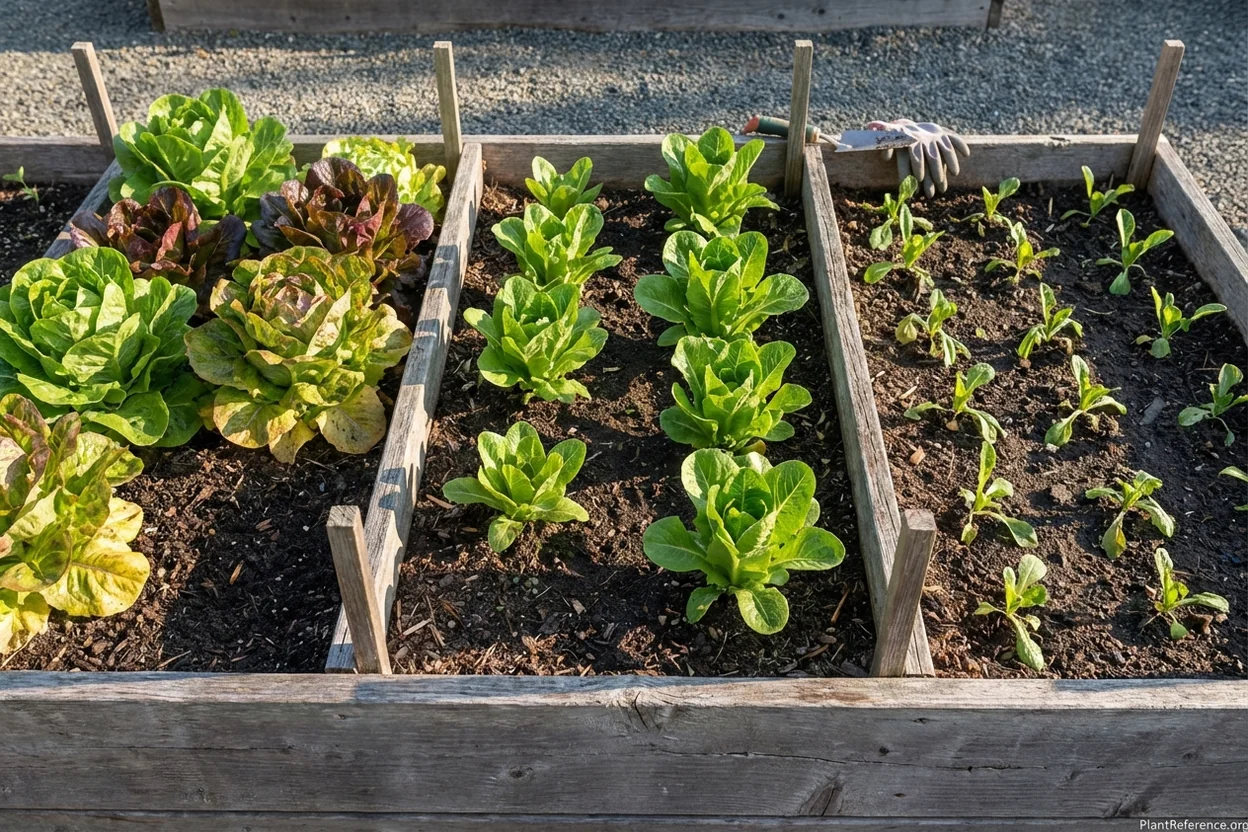
Plant lettuce every two weeks in different squares for continuous harvests. When spinach bolts in one square, replant immediately with heat-tolerant crops like Swiss chard. This rotation keeps every square productive throughout the growing season.
Plant Spacing and Height Arrangement Strategies
Height management prevents the classic beginner mistake of tall plants shading out shorter ones. I arrange plants like theater seating—shortest in front, tallest in back, with medium-height plants filling the middle.
Height Categories and Placement:
Tall Plants (4+ feet/1.2+ meters) - North Side:
Indeterminate tomatoes with cages or stakes
Pole beans on trellises
Cucumber vines on vertical supports
Tall sunflowers or corn (if space allows)
Medium Plants (2-4 feet/0.6-1.2 meters) - Center:
Bush tomatoes and peppers
Eggplant and okra
Kale and collard greens
Brussels sprouts
Short Plants (under 2 feet/0.6 meters) - South Side:
Lettuce, spinach, and other salad greens
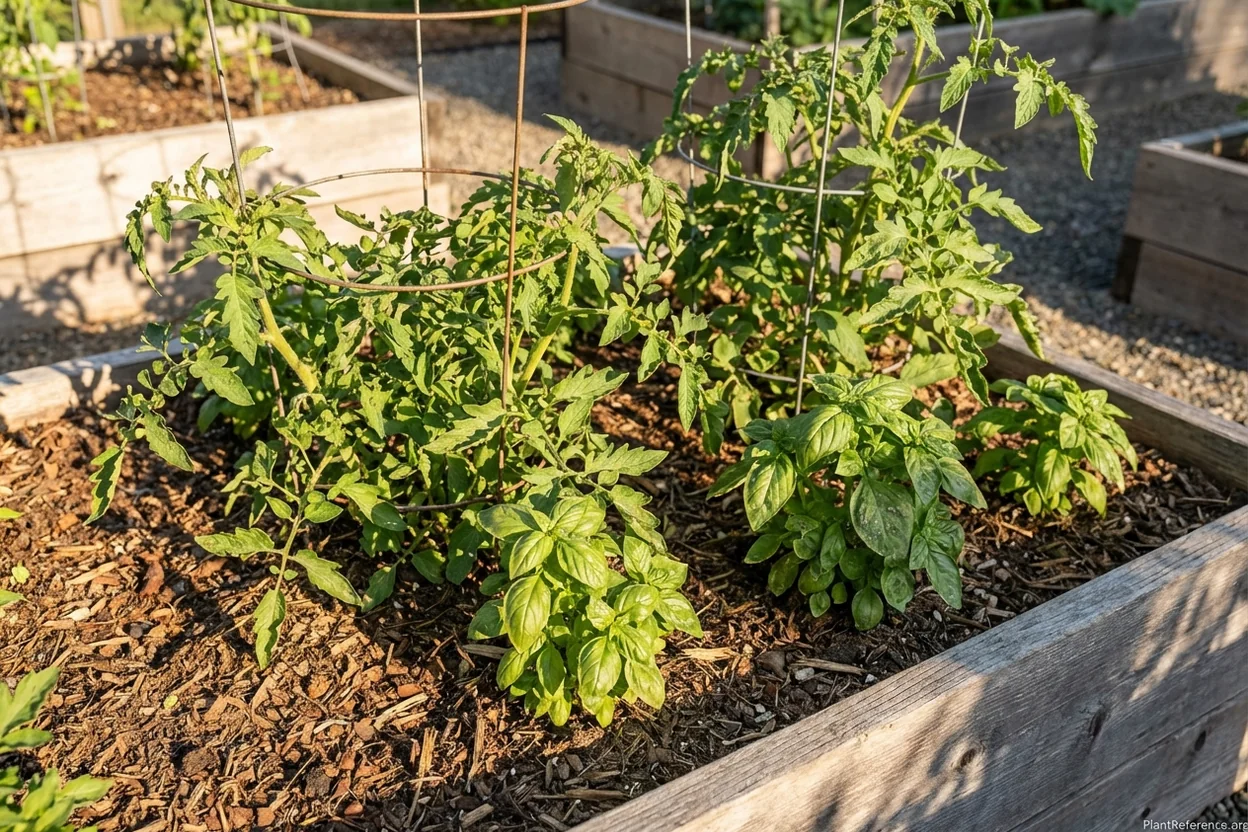
Herbs like basil, oregano, thyme
Root vegetables: carrots, radishes, beets
Bush beans and peas
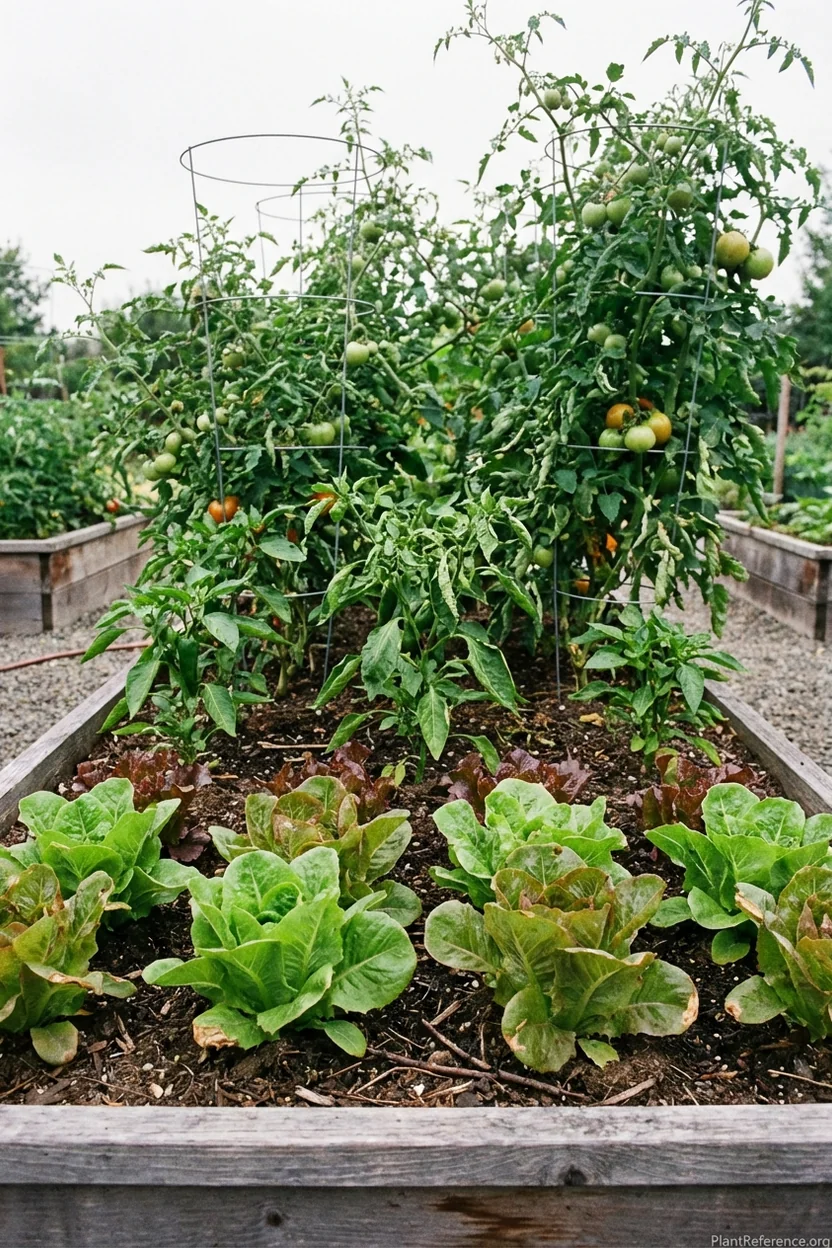
This arrangement ensures every plant receives adequate sunlight while maximizing your bed's productivity. Even with intensive spacing, proper height placement prevents competition and stress.
Companion Planting for Maximum Efficiency
Companion planting isn't garden folklore—it's practical space management combined with natural pest control. After decades of testing combinations, I know which plants truly help each other and which are just garden myths.
Proven Beneficial Combinations:
Tomatoes and Basil: More than just kitchen convenience, basil helps repel aphids and may improve tomato flavor. Plant one basil plant per two tomato plants for best results.
Carrots and Lettuce: Lettuce provides living mulch for carrots while carrots grow slowly enough not to compete. Harvest lettuce before carrot tops expand.
Three Sisters (Corn, Beans, Squash): Works in larger beds (8x4 feet/2.4x1.2 meters minimum). Corn provides bean poles, beans fix nitrogen, squash shades soil and deters pests with prickly stems.
Radishes and Slow Crops: Plant radishes between slow-germinating parsnips or carrots. Radishes break soil crust, mature quickly, and mark row locations.
Marigolds with tomatoes, peppers, and eggplant for aphid control
Nasturtiums as cucumber beetle traps (plant around bed perimeter)
Chives near carrots to confuse carrot rust flies
Dill with cabbage family plants to attract beneficial insects
Garlic around roses and fruit plants for aphid deterrence
Combinations to Avoid:
Not all plants make good neighbors. Keep these separated in your layout planning:
Walnut trees near tomatoes, peppers, potatoes (juglone toxicity)
Beans near onions or garlic (growth inhibition)
Carrots near dill (attracts carrot rust flies when flowering)
Cucumber near aromatic herbs like sage (growth reduction)
Tomatoes near black walnut, fennel, or brassicas (allelopathy concerns)
Succession Planting and Season Extension
Smart layout planning includes time management. Succession planting ensures continuous harvests while making maximum use of every square foot throughout the growing season.
Succession Planting Schedule:
Quick-Turn Crops (30-50 days):Plant new sections every 2-3 weeks
Lettuce and salad greens
Radishes and turnips
Bush beans
Spinach and arugula
Medium Crops (50-80 days):Plant every 3-4 weeks
Carrots and beets
Bush peas
Chard and kale
Asian greens like bok choy
Plan your layout with succession in mind. Divide lettuce space into thirds, planting one section every two weeks. By the time the first section needs harvesting, the second is half-grown and the third just sprouting.
Season Extension Strategies:
Spring Preparation: Start cold-hardy crops (peas, spinach, lettuce) 2-4 weeks before last frost. Use row covers for protection and faster growth.
Summer Transitions: As spring crops bolt in summer heat, immediately replant with heat-tolerant varieties. Replace lettuce with heat-tolerant alternatives like Malabar spinach or amaranth.
Fall Planting: Start cool-season crops in late summer for fall harvests. Count backwards from your first frost date using seed packet days-to-maturity information.
Winter Planning: In mild climates, grow cold-hardy vegetables under row covers or cold frames. Even in harsh climates, use this time for planning next year's layout and ordering seeds.
Vertical Growing Techniques in Raised Beds
When horizontal space fills up, grow vertically. Proper vertical supports can triple your growing capacity without expanding bed footprint.
Vertical Support Systems:
Trellises: Install along the north side of beds for climbing crops. Use sturdy materials—6-foot (1.8 meter) bean or pea vines can weigh 20+ pounds (9+ kg) when mature.
Cages: Tomato cages work for peppers, eggplants, and bush beans too. Choose cages at least 5 feet (1.5 meters) tall for indeterminate tomatoes.
Stakes: Individual plant stakes work for smaller crops. Drive 6-foot (1.8 meter) stakes 18 inches (45 cm) deep for stability.
A-Frame Structures: Build collapsible A-frames that span bed width. Perfect for beans, peas, and lightweight gourds.
Vertical Crops for Raised Beds:
Pole beans: Produce longer than bush varieties, use vertical space efficiently
Peas: Spring and fall crops, add nitrogen to soil
Cucumbers: Choose bush or compact vining varieties for bed-sized trellises
Small melons: Sugar Baby watermelons, cantaloupe with sling support
Vertical herbs: Train oregano, thyme, and trailing varieties up supports
Vining flowers: Morning glories, nasturtiums for pest control and beauty
Position supports during bed preparation, not after planting. Driving stakes through established root zones damages plants and creates maintenance headaches.
Sample Layout Plans for Different Bed Sizes
Here are proven layouts I've used successfully over decades of raised bed gardening. Adapt these templates to your specific Vegetable Gardening for Beginners|climate, preferences, and growing season.
4x4 Foot (1.2x1.2 meter) Bed Layout:
North to South arrangement:
Row 1 (North): 1 indeterminate tomato with cage, 1 basil plant
Row 2: 4 pepper plants or 2 eggplants
Row 3: 9 lettuce plants or mixed greens
Row 4 (South): 16 carrots or radishes
This compact layout feeds 2-3 people with salad vegetables and cooking basics.
4x8 Foot (1.2x2.4 meter) Bed Layout - Spring:
North Section (4x4):
2 tomato cages with basil underneath
4 pepper plants in remaining squares
8 lettuce plants for family salads
South Section (4x4):
16 carrots in two squares
9 spinach plants
16 radishes for quick harvest
4 bush bean plants
4x12 Foot (1.2x3.6 meter) Bed Layout - Full Season:
Perfect for serious vegetable production. Divide into three 4x4 sections:
Section 1 (North): Heavy feeders - tomatoes, peppers, eggplant with basil companions Section 2 (Center): Medium feeders - beans, peas, leafy greens Section 3 (South): Light feeders - root vegetables, herbs, flowers
This layout supports crop rotation principles while maintaining proper height arrangement.
Bed Layout for Different Seasons:
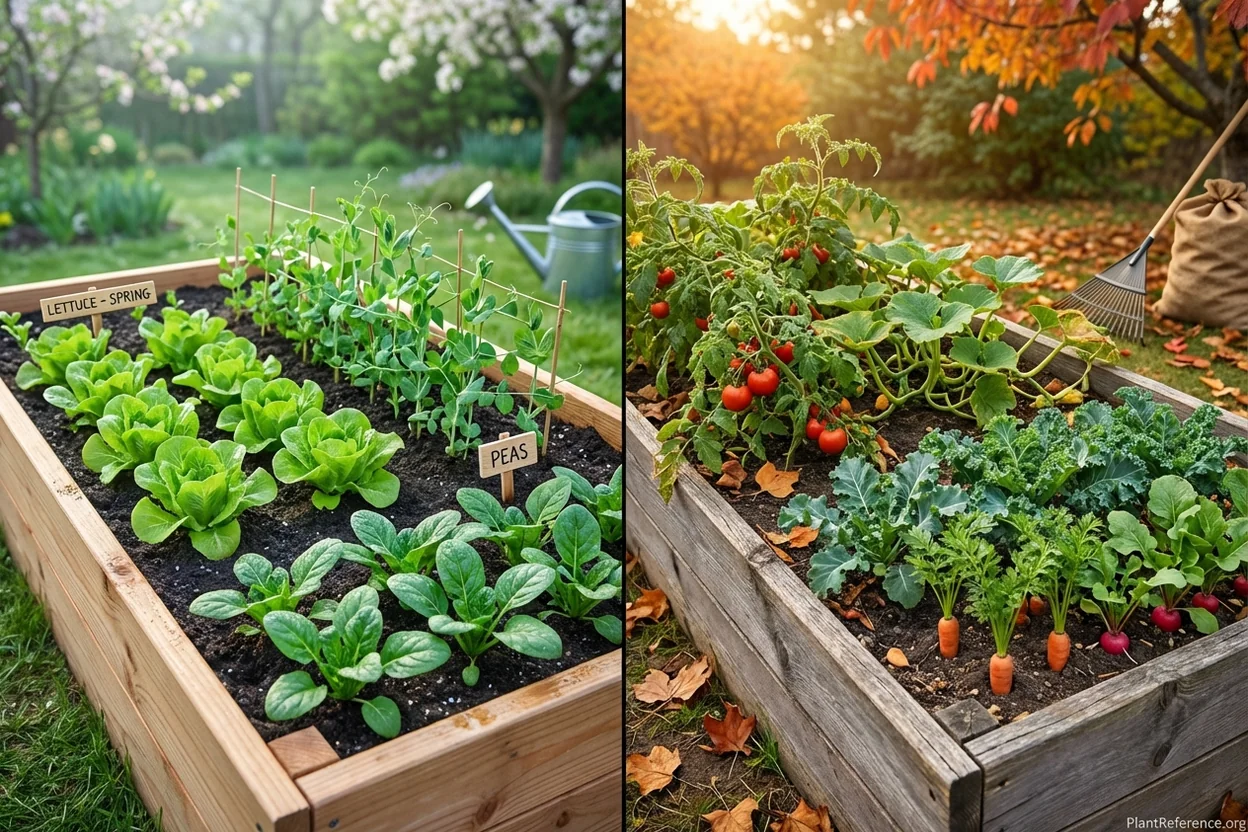
Spring Focus: Cool-season crops dominate - peas, lettuce, spinach, radishes, carrots Summer Adaptation: Heat-lovers take over - tomatoes, peppers, beans, cucumber, squash Fall Transition: Cool-season return - second lettuce plantings, fall carrots, winter herbs
Plan seasonal transitions during your initial layout design. Know which squares will turn over multiple times and which will house long-season crops like tomatoes. Consider starting with Herb Garden Design and Layout|companion herbs to support your vegetable layout strategy.
Crop Rotation Planning for Long-Term Success
Even in raised beds with premium soil, crop rotation prevents disease buildup and soil depletion. Plan rotation when designing your initial layout. Understanding Plant Families and Classification|plant families helps implement effective rotations.
Plant Families for Rotation:
Nightshades: Tomatoes, peppers, eggplants, potatoes - heavy feeders, disease-prone
Brassicas: Cabbage, broccoli, cauliflower, kale - moderate feeders, specific pest issues
Legumes: Beans, peas - nitrogen fixers, soil improvers
Root vegetables: Carrots, beets, radishes - light feeders, soil aerators
Cucurbits: Squash, melons, cucumbers - heavy feeders, space hogs
Simple 3-Year Rotation:
Year 1: Heavy feeders (nightshades, cucurbits) with compost addition Year 2: Light feeders (roots, herbs) to rest soil Year 3: Nitrogen fixers (legumes) to rebuild soil fertility
This rotation works within individual squares or across whole bed sections, depending on your layout style. Check Soil Management and Improvement|soil health annually to adjust fertilization.
Record Keeping for Rotation Success:
Keep simple records of what you plant where each season. I use a notebook with grid paper, drawing my bed layout and noting plant locations. After forty years, I still reference previous years' notes when planning new seasons. Learn more about Seasonal Vegetable Gardening|seasonal vegetable selections to inform your rotation planning.
Mark your calendar with rotation reminders. It's easy to forget what grew where when you're excited about spring planting three years later. Good Garden Tool Selection and Maintenance|record-keeping tools make tracking easier year after year.
Good raised bed vegetable garden layout planning sets you up for years of productive harvests. Start with these proven principles, adapt them to your space and preferences, and keep records for continuous improvement. Your future harvests will thank you for the careful planning you do today. For additional perspective, explore Container Vegetable Gardening|container growing methods which use similar spacing principles, and review Watering Systems and Irrigation|irrigation options to support your intensive planting layout.
Frequently Asked Questions

Reading about plants and recognising them are different skills. These three build the second.
- Daily PlantIdentify the day’s mystery plant from a close-up photograph.
- Keyed OutWork a dichotomous key, lead by lead, to name a hidden specimen.
- Name That PlantName a specimen from botanical clues dealt hardest first.
Free to play, no account needed
Dot grew up on a small farm in rural Virginia and has maintained a vegetable garden for decades. After retiring from teaching elementary school, she became a Master Gardener volunteer and spends her time mentoring new gardeners at community garden plots in Richmond. She's especially knowledgeable about heirloom varieties, seed saving, and traditional growing methods passed down from her grandmother. Dot's no-nonsense advice comes from extensive trial and error—she's seen every tomato disease, pest problem, and weather disaster imaginable. Her biggest pet peeve is gardeners who overcomplicate simple tasks. "Plants want to grow," she often says. "Your job is to not get in their way."