Image 1 of 3
1 / 3
Plant Reference
Solanum, Genus, melongena, Species, 'Rosa Bianca', Cultivar,
- Genus & species
- Cultivar
rosa bianca eggplant
Species native to India and Southeast Asia; 'Rosa Bianca' is an Italian heirloom cultivar from Sicily; commercially grown across the Mediterranean basin and warm-summer regions of North America
Overview
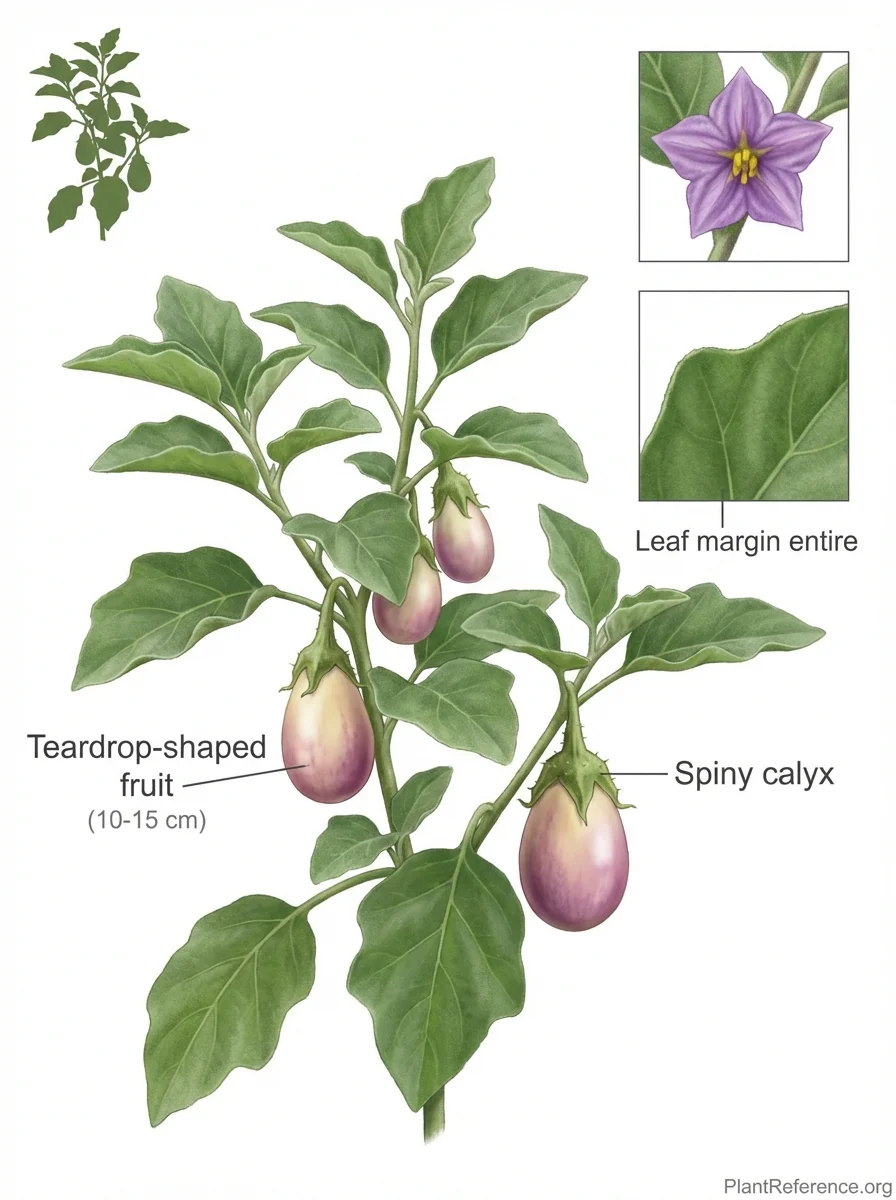
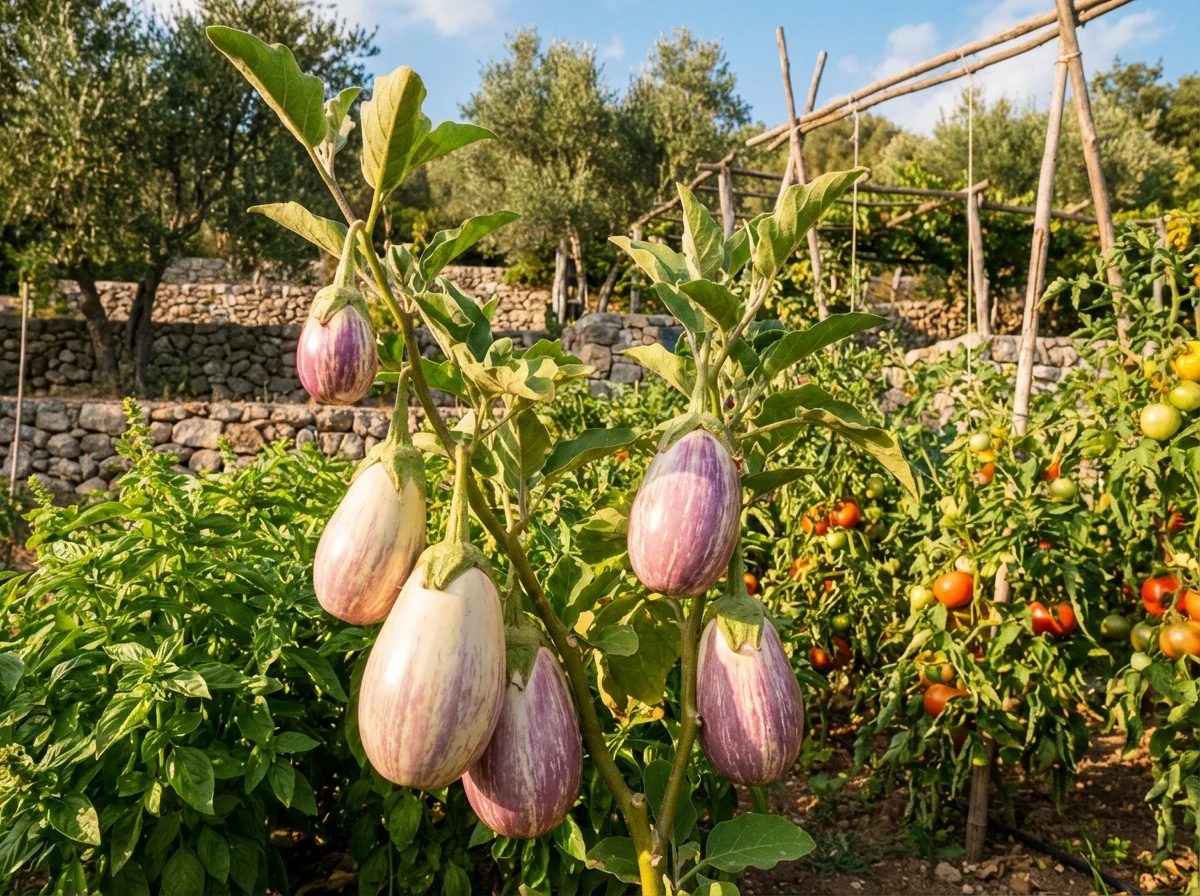
Solanum melongena 'Rosa Bianca' is a warm-season annual fruiting vegetable in the nightshade family (Solanaceae) reaching 24–36 inches (60–90 cm) tall and 24–30 inches (60–75 cm) wide in an upright bushy habit. The cultivar is an Italian heirloom from Sicily producing round to slightly teardrop-shaped fruits 5–7 inches (13–18 cm) in diameter weighing 12–16 ounces (340–450 g) per fruit. Skin carries a bicolor pattern of lavender to violet shading to white at the blossom end — a gradient effect that distinguishes the cultivar from solid-color eggplant cultivars. Flesh is creamy, dense, and virtually seedless with a mild sweet non-bitter flavor that runs among the mildest of the cultivated eggplant cultivars. Days to maturity run 75–85 from transplant — a longer growing season than 'Black Beauty' (60–75 days) or 'Ichiban' (50–65 days) — and the cultivar runs more heat-demanding than either of those, requiring sustained soil temperatures above 70°F (21°C) for productive fruit set. Fruit yields run lower than hybrid types at 3–6 mature fruits per plant — the cultivar trades quantity for fruit quality, dense seedless flesh, and heirloom flavor character. Plant parts including foliage and unripe fruits contain solanine alkaloids; toxic to pets if ingested. Ripe fruits are non-toxic and safe to eat.
Native Range
The species Solanum melongena originated in India and Southeast Asia and was cultivated across Asia and the Mediterranean basin for over 2,000 years before reaching the Americas. The 'Rosa Bianca' cultivar is an Italian heirloom from Sicily and is grown commercially across the Mediterranean basin (Italy, Greece, southern France) and in warm-summer continental positions in North America (California, the southeastern United States, and warm-summer pockets of the mid-Atlantic and lower Midwest).Suggested Uses
Grown in vegetable gardens, raised beds, and large container plantings (5+ gallon containers with cage or stake support) for culinary use across grilling halves with olive oil and salt, roasting whole or sliced, eggplant parmesan, Sicilian caponata, Middle Eastern baba ghanoush, and Italian melanzane preparations where the dense creamy seedless flesh and mild non-bitter flavor are the principal culinary draws. The bicolor lavender-to-white skin holds visual appeal in fresh-market and CSA presentations and the 12–16 ounce fruit size produces 2 generous servings per fruit in cooking applications. The cultivar is unsuitable for cool-summer climates such as the maritime Pacific Northwest west of the Cascades where summer heat does not reach the productive 70–85°F range — the fruit set runs minimal and the few fruits produced often fail to reach mature ripeness before the autumn cool-down. Lower productivity than hybrid eggplant cultivars (3–6 vs 15–20+ fruits per plant) means the cultivar is grown for fruit quality and heirloom character rather than for total seasonal yield.How to Identify
Appearance
Size & Dimensions
Height2' - 3'
Width/Spread2' - 2'6"
Bloom Information
Star-shaped lavender-purple flowers with yellow stamens appear from midsummer through early fall — typically July through September in temperate continental climates. The species is self-pollinating; bumblebee buzz pollination improves fruit set when temperatures are at the lower end of the productive range (70–75°F / 21–24°C). Flower production runs lower per plant than hybrid eggplant cultivars, which translates to the lower 3–6 fruits per plant yield characteristic of the cultivar.
Detailed Descriptions
Flower Description
Lavender-purple; star-shaped with yellow stamens; midsummer through early fallFoliage Description
Grey-green; large fuzzy leaves on purple-tinged stemsGrowing Conditions
Sun Requirements
Requires 8-12 hours of direct sunlight daily
• Full Sun: 6+ hours of direct sunlight
• Partial Shade: 3-6 hours of direct sunlight
• Full Shade: Less than 3 hours of direct sunlight
Care & Maintenance
Care Guide
Start seed indoors in warm conditions 8–10 weeks before the last frost date in cell trays at soil temperatures of 75–85°F (24–29°C) for germination. Transplant outdoors 2–3 weeks after the last frost date when night air temperatures stay above 55°F (13°C) and soil temperatures reach 70°F (21°C) — the cultivar runs more heat-demanding than 'Black Beauty' or 'Ichiban' and transplanting too early into cold soil produces stunted plants that never fully recover. Grow in full sun with 8 or more hours of direct light in rich well-drained loam at pH 5.5–6.5. The cultivar is a heavy feeder and benefits from compost incorporation at transplant and supplemental liquid feeding every 2–3 weeks across the growing season. Maintain consistent moisture — drought-stressed plants drop flowers without setting fruit and produce bitter undersized fruits. Days to maturity run 75–85 from transplant. Harvest when the lavender color reaches its full vivid intensity and the skin is glossy; the press test (skin springs back rather than holding a thumbprint) confirms ripeness. Overripe fruits develop brownish coloring and bitter flavor.Pruning
Remove suckers below the first stem fork to direct plant energy into the upper-stem fruiting branches. Stake or cage plants to support the heavy round fruits, which can break unstaked stems under the 12–16 ounce fruit weight. Harvest fruits promptly when ripe to encourage continued flower production and to prevent the plant from shifting metabolic resources from new flowers to ripening seeds in overripe fruits.Pruning Schedule
Prune: July–August
summer
Container Growing
Suitable for container growing
Minimum container size: 5 gallons
Toxicity Warning
Toxic to petsBotanical Flashcard