Image 1 of 2
1 / 2
Plant Reference
Solanum, Genus, lycopersicum, Species, 'Patio', Cultivar,
- Genus & species
- Cultivar
patio tomato
Parent species native to the Andes of western South America (Peru, Ecuador, northern Chile); domesticated in Mexico
Overview
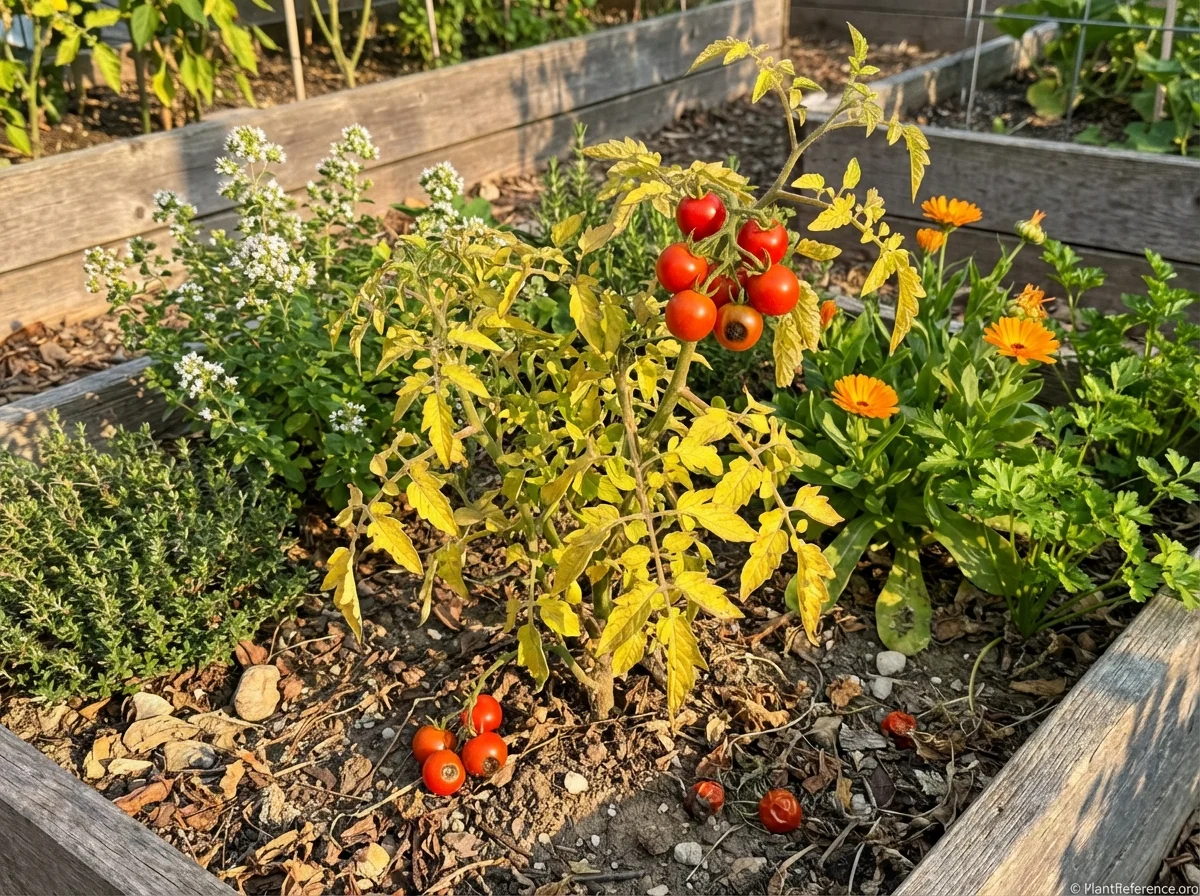
Solanum lycopersicum 'Patio' is Patio tomato, a compact determinate tomato cultivar bred for container gardening and small-space cultivation. The dwarf cultivar reaches 18–24 inches (45–60 cm) in height with a bushy mounding habit suited to patios, balconies, and window boxes. Plants carry dark green compound leaves with serrated leaflets typical of Solanum lycopersicum, and small clusters of yellow star-shaped flowers that develop into cherry-sized fruits. Fruit is bright red when fully ripe, 1–2 inches (2.5–5 cm) in diameter with a round to slightly flattened shape, and carries the standard tomato flavor at small fruit size — suitable for snacking, salads, and garnishes. The compact habit removes the need for extensive staking or caging, although light support is helpful when the plant is heavily loaded with fruit. Maturity is 65–75 days from transplant. Family Solanaceae.
Native Range
The parent species Solanum lycopersicum is native to western South America — particularly the Andes mountains of Peru, Ecuador, and northern Chile. The species was domesticated in Mexico and introduced to Europe in the 16th century.Suggested Uses
Grown in containers, hanging baskets, window boxes, and small garden spaces. The cultivar suits urban gardening, balcony gardens, and patio containers where space is limited. The manageable size and reliable production also suit beginning gardeners and children's gardens. The cherry-sized fruits are used for fresh eating, salads, and garnishes.How to Identify
Appearance
Size & Dimensions
Height1'6" - 2'
Width/Spread1'6" - 2'
Bloom Information
Flowers from late spring through early fall in cooler climates and continuously in frost-free conditions. Yellow 5-petaled star-shaped flowers in small clusters open in the leaf axils. Self-pollinating, with bee or hand vibration of the flower clusters increasing fruit set. Fruit matures 65–75 days from transplant.
Detailed Descriptions
Flower Description
Bright yellow; 5-petaled star-shaped; in small clusters in the leaf axilsFoliage Description
Dark green; compound with serrated leafletsGrowing Conditions
Sun Requirements
Requires 6-10 hours of direct sunlight daily
• Full Sun: 6+ hours of direct sunlight
• Partial Shade: 3-6 hours of direct sunlight
• Full Shade: Less than 3 hours of direct sunlight
Care & Maintenance
Care Guide
Container-grown plants dry out faster than ground plantings, so consistent watering is required to maintain evenly moist soil — typically deep watering when the top inch of soil feels dry, daily during hot weather. Feeding with a balanced fertilizer every 2–3 weeks supports vigorous growth, and switching to a lower-nitrogen, higher-phosphorus formulation once flowering begins encourages fruit production. Containers need adequate drainage holes and a high-quality potting mix enriched with compost. Aphids, whiteflies, and tomato hornworms are the primary pest concerns; good air circulation reduces fungal disease. Tender annual — the plant is killed by the first frost.Pruning
The cultivar requires minimal pruning because of the determinate compact habit. Suckers between the main stem and branches are removed when small, although this is less critical than with indeterminate cultivars. Lower leaves that touch the soil are removed to reduce disease, and any diseased or yellowing foliage is pinched off through the season. As fruit begins to ripen, some lower leaves are removed to improve air circulation and direct energy into fruit production.Container Growing
Suitable for container growing
Minimum container size: 3 gallons
Toxicity: Not assessed
The fruits of 'Patio' tomato are safe and edible when ripe. As with all members of the nightshade family, the leaves, stems, and unripe green fruits contain solanine and other alkaloids that can be toxic to humans and pets in quantity. The plant is kept out of reach of children and pets.Planting Guide
Planting Methods & Timing
Planting Method
both
Indoor Start
6 weeks before last frost
Direct Sow Timing
after last frost when soil temperature reaches 60°F
Days to Maturity
65–75 days
Plant Spacing
18 inches
Companion Planting
Avoid Planting With