Image 1 of 2
1 / 2
Plant Reference
Solanum, Genus, melongena, Species, 'Ichiban', Cultivar,
- Genus & species
- Cultivar
Ichiban eggplant
India / SE Asia (S. melongena; Ichiban Japanese hybrid; long slender; fastest eggplant; thin skin no-peel; fewest seeds; cooler fruit set; most productive)
Overview
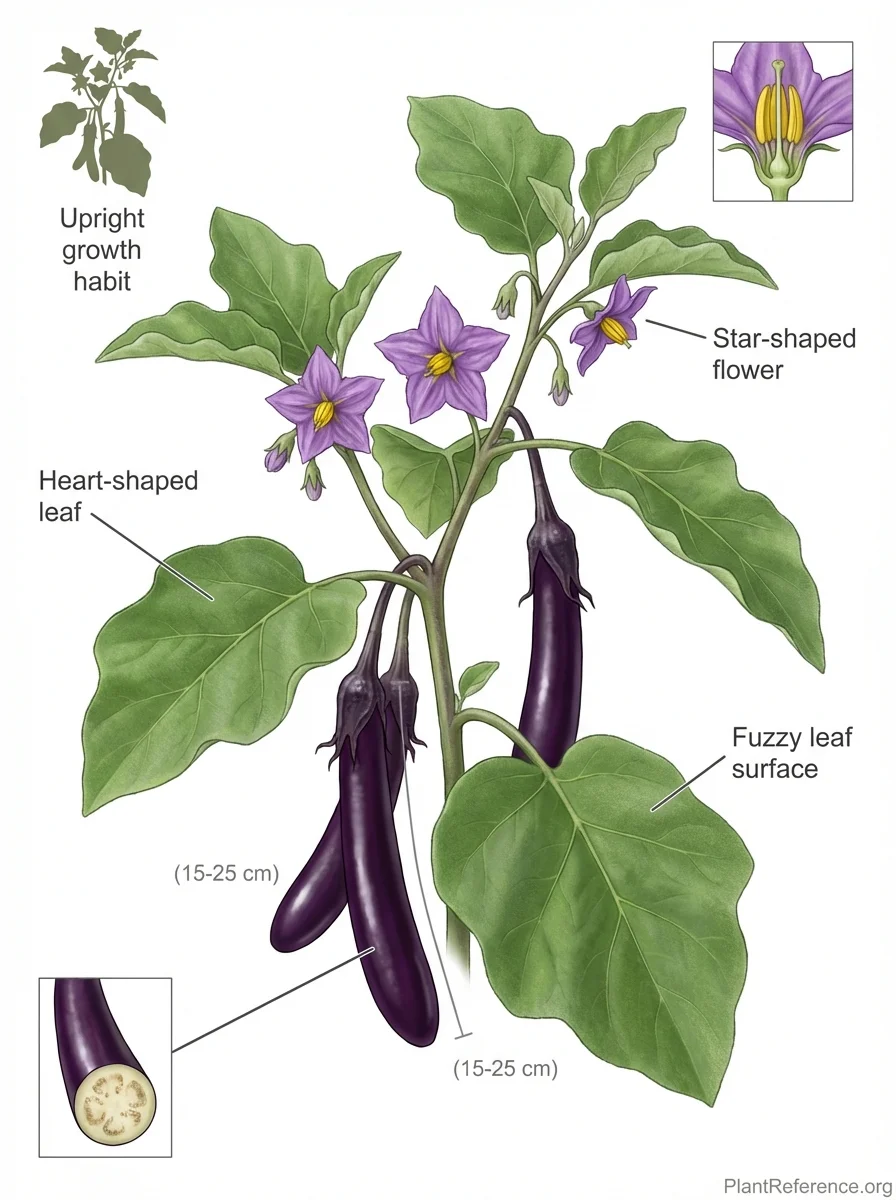
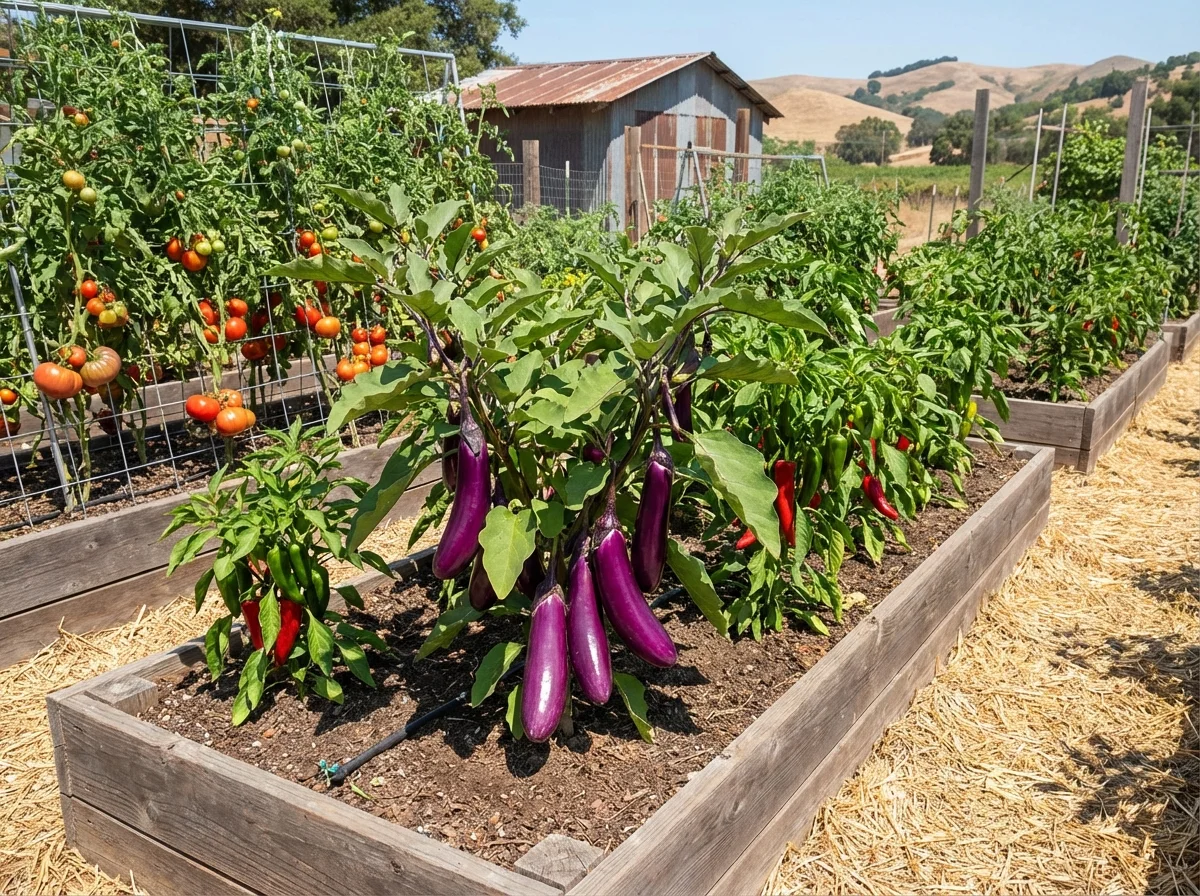
Solanum melongena 'Ichiban' is a warm-season annual reaching 30-36 inches (75-90 cm) tall with a spread of 18-24 inches (45-60 cm) and an upright, semi-open habit. A Japanese hybrid eggplant ('Ichiban' means 'number one' in Japanese), it produces long, slender fruits 10-12 inches (25-30 cm) long and 1.5-2 inches (4-5 cm) in diameter weighing 4-8 ounces (110-225 g) with glossy, dark purple skin and tender, creamy white flesh with few seeds. Thin skin does not require peeling. Days to maturity 55-65 from transplant—among the earliest eggplants. Growth rate is fast. More productive than globe types—continuous harvest of 15-20+ fruits per plant. Sets fruit at cooler temperatures than globe eggplants, expanding the growing range northward.
Native Range
Solanum melongena originated in India and Southeast Asia. 'Ichiban' is a Japanese hybrid.Suggested Uses
Grown in vegetable gardens or containers for culinary use—stir-fry, grilling, tempura, sautéing, Asian dishes. Long slender Japanese type. Thin skin—no peeling needed. Few seeds. Tender creamy flesh. Fastest eggplant 55-65 days. Most productive 15-20+ fruits/plant. Cooler-temperature fruit set. Not suitable for dishes requiring thick-walled globe shape (use Black Beauty). Thin skin bruises easily.How to Identify
Appearance
Size & Dimensions
Height2'6" - 3'
Width/Spread1'6" - 2'
Bloom Information
Detailed Descriptions
Flower Description
Lavender-purple; star-shaped with yellow stamensFoliage Description
Grey-green; large fuzzy; purple-tinged stems; semi-open habitGrowing Conditions
Sun Requirements
Requires 8-12 hours of direct sunlight daily
• Full Sun: 6+ hours of direct sunlight
• Partial Shade: 3-6 hours of direct sunlight
• Full Shade: Less than 3 hours of direct sunlight
Care & Maintenance
Care Guide
Start seed indoors 8-10 weeks before last frost. Transplant after frost danger when soil is warm 60-65°F (16-18°C)—tolerates slightly cooler soil than globe types. Full sun, rich, well-drained soil (pH 5.5-6.5). Consistent moisture. Days to maturity 55-65 from transplant. Harvest when 10-12 inches long and glossy. Support plants—slender fruits weigh down branches. Cut (do not pull) fruits.Pruning
Remove suckers below first fork. Stake to support fruit-laden branches. Harvest frequently—every 2-3 days at peak.Pruning Schedule
Prune: July–August
summer
Container Growing
Suitable for container growing
Minimum container size: 5 gallons
Toxicity Warning
Toxic to petsBotanical Flashcard