Best Raised Bed Vegetables for Beginners: Top 10 Easy-Growing Crops
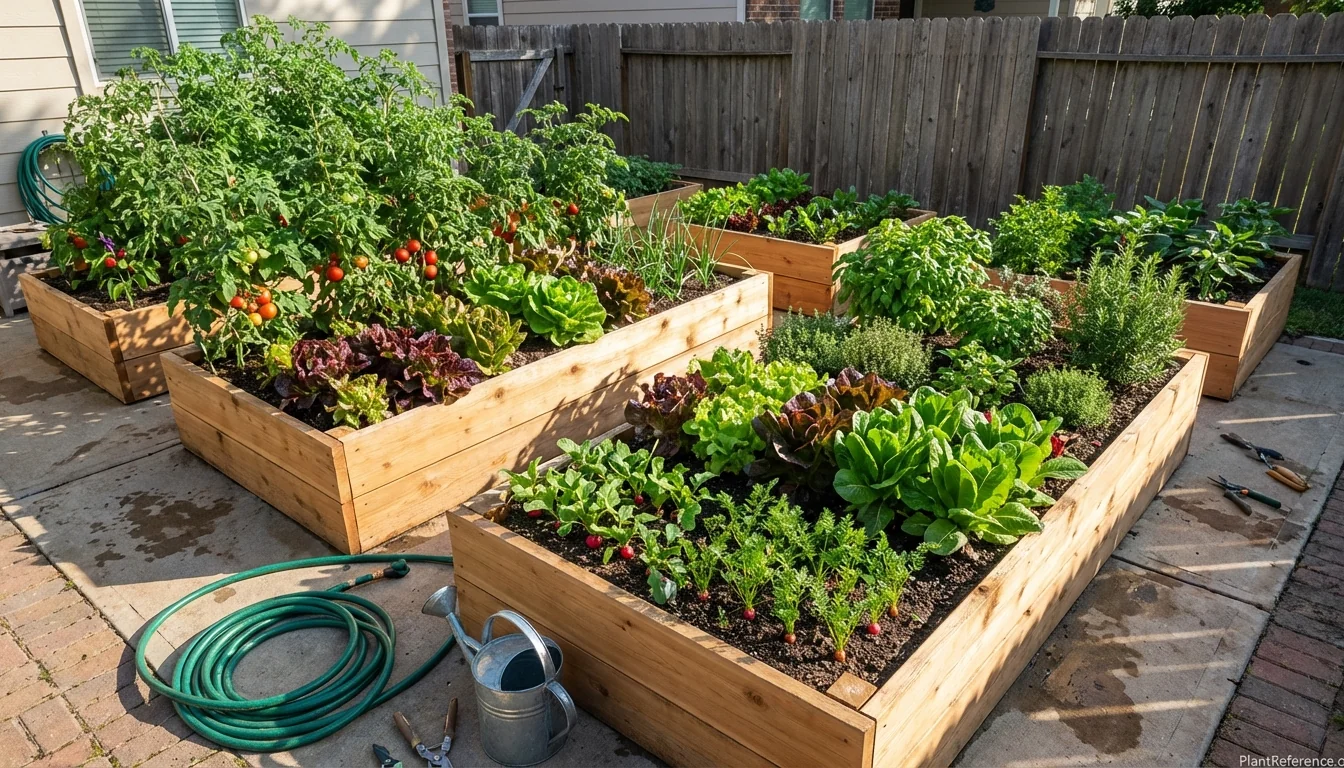
— Image © Plant Reference 2026
Starting your first raised bed vegetable garden can feel overwhelming with hundreds of varieties to choose from. The best vegetables for raised beds are those that thrive in well-draining soil, don't require excessive space, and forgive the inevitable beginner mistakes. After testing dozens of varieties over the past five seasons, I've identified ten crops that practically guarantee success for new gardeners.
These vegetables excel in raised beds because they adapt well to the controlled growing environment, produce reliable harvests, and offer quick gratification that keeps you motivated. Whether you have a single 4x8 foot (1.2x2.4 m) bed or multiple growing areas, these crops will maximize your space and minimize your frustration.
Why Raised Beds Are Perfect for Vegetable Growing
Raised beds create ideal growing conditions that help vegetables thrive compared to traditional in-ground gardens. The elevated design provides superior drainage, preventing the root rot that kills many container plants. You control the soil composition completely, starting with a perfect growing medium instead of amending existing soil for years.
The concentrated growing space makes maintenance easier—no kneeling on wet ground or struggling to reach plants in the center of wide rows. Pest management becomes simpler when you can inspect every plant quickly, and harvesting happens at a comfortable height.
Most importantly for beginners, raised beds warm up faster in spring, extending your growing season by 2-4 weeks. This head start can mean the difference between success and disappointment with heat-loving crops like tomatoes and peppers.
Top 10 Best Vegetables for Raised Beds
After growing over forty different vegetable varieties in raised beds, these ten consistently deliver abundant harvests with minimal fussing. Each offers unique advantages that make them ideal for the raised bed environment and forgiving enough for beginners to master quickly.
1. Lettuce - The Ultimate Beginner Crop
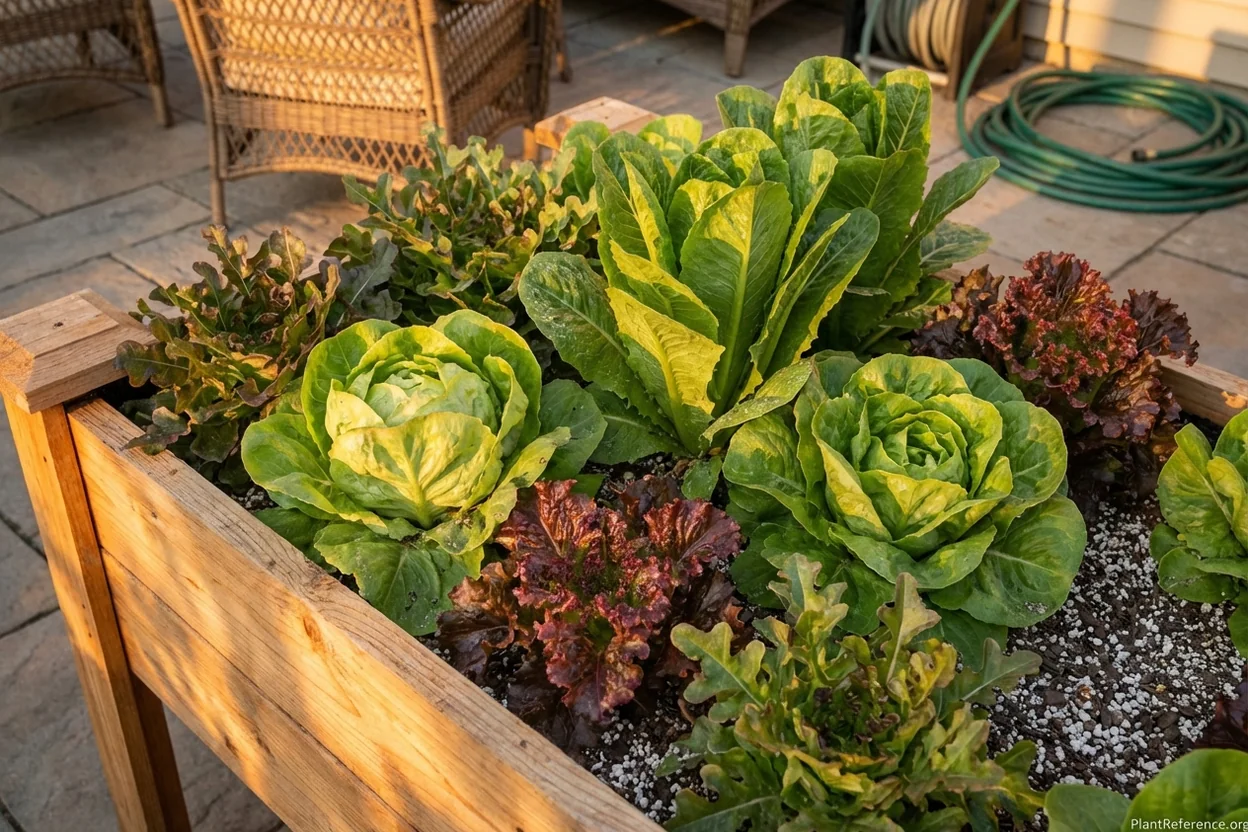
Lettuce tops every beginner list because it's nearly impossible to kill and provides harvests in just 30 days. The shallow roots (4-6 inches deep) make perfect use of raised bed space, and you can plant new seeds every two weeks for continuous harvests through fall.
Best Varieties for Raised Beds:
'Black Seeded Simpson': Heat-tolerant loose-leaf variety, slow to bolt
'Buttercrunch': Compact butterhead perfect for small spaces
'Red Sails': Burgundy leaf lettuce, beautiful and productive
'Paris Island Cos': Reliable romaine, stands upright in crowded beds
Space lettuce plants 4-6 inches (10-15 cm) apart in raised beds—closer than ground planting because the superior soil drainage prevents crowding problems. Harvest outer leaves while centers continue growing, or cut entire heads 1 inch (2.5 cm) above soil for second growth.
2. Radishes - Fast Results Build Confidence
Nothing builds gardening confidence like pulling perfect radishes 25 days after sowing seeds. These rapid growers break up soil as they develop, actually improving conditions for neighboring plants. Their deep taproot (6-8 inches) helps identify drainage problems early in the season.
Best Varieties for Raised Beds:
'Cherry Belle': Classic round red radish, never gets woody
'Easter Egg': Mixed colors add visual interest, mild flavor
'French Breakfast': Oblong shape, white tips, gourmet appearance
'Watermelon': Large (2-3 inches), sweet flesh, impressive harvests
Plant radish seeds directly in beds—they don't transplant well. Space seeds 1 inch (2.5 cm) apart and thin to 2 inches (5 cm) when seedlings emerge. The thinned seedlings make excellent microgreens for salads.
3. Bush Beans - Prolific and Self-Sufficient
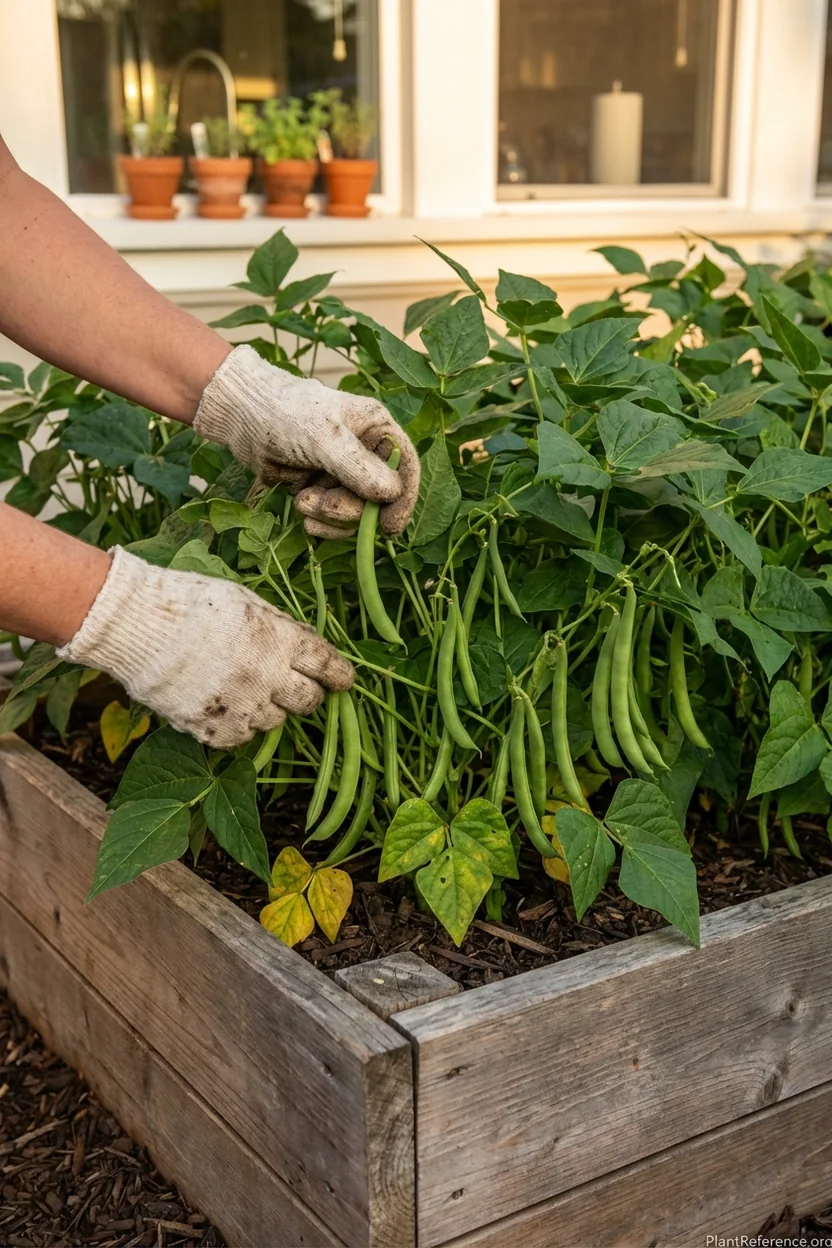
Bush beans produce heavily without requiring trellises or poles, making them perfect for beginning raised bed gardeners. Unlike pole beans, bush varieties stay compact (18-24 inches tall) but produce concentrated harvests over 3-4 weeks.
Best Varieties for Raised Beds:
'Provider': Cold-tolerant, early maturing, consistent producer
'Contender': Disease-resistant, excellent for humid climates
'Royal Purple': Purple pods turn green when cooked, kids love them
'Cherokee Trail of Tears': Heirloom variety, edible as snap or dried beans
Plant bush beans after soil warms to 60°F (15°C)—cold soil causes seeds to rot instead of germinating. Space plants 4-6 inches (10-15 cm) apart in raised beds. Harvest pods when pencil-thick for tender snap beans, or let some mature for dried bean storage.
4. Cherry Tomatoes - Foolproof and Productive
While large tomatoes can challenge beginners with cracking, splitting, and disease issues, cherry varieties forgive mistakes and produce abundantly. Their smaller size means faster ripening and less disappointment from weather damage or pest issues.
Best Varieties for Raised Beds:
'Stupice': Extra-early variety, perfect for short seasons
'Sun Gold': Sweet orange cherries, incredibly productive
'Black Cherry': Dark purple fruit with complex flavor
'Tumbling Tom': Compact determinate, ideal for small beds
Plant cherry tomatoes 18-24 inches (45-60 cm) apart in raised beds and provide support with cages or stakes. The key to raised bed success is consistent watering—use drip irrigation or soaker hoses to prevent the wet-dry cycles that cause problems.
5. Bell Peppers - Heat-Lovers That Deliver
Peppers thrive in the warm, well-draining environment of raised beds. They're much more forgiving than tomatoes and continue producing until frost. The compact plants (18-30 inches tall) fit easily in bed layouts without overwhelming neighboring crops.
Best Varieties for Raised Beds:
'California Wonder': Classic large bells, reliable producer
'Gourmet Gold': Bright yellow, sweet flavor, beautiful color
'Mini Belle': Compact plants perfect for small beds
'Chocolate Beauty': Dark brown bells, unique and productive
Space pepper plants 12-18 inches (30-45 cm) apart in raised beds. Start with transplants rather than seeds—the long growing season (75-90 days) makes direct seeding challenging in most climates. Harvest peppers at any size; picking regularly encourages continued production.
Essential Herbs for Every Raised Bed
Herbs deserve space in every raised bed because they're virtually maintenance-free and provide continuous harvests. Most herbs prefer the excellent drainage that raised beds provide, and their compact size makes them perfect gap-fillers between larger vegetables.
6. Basil - The Summer Essential
Basil produces continuously when harvested regularly, and the warm soil of raised beds promotes the vigorous growth this heat-lover craves. Pinch flowers as they form to keep leaves tender and flavorful.
Best Varieties for Raised Beds:
'Genovese': Classic Italian basil, perfect for pesto
'Purple Ruffles': Ornamental and edible, beautiful purple leaves
'Spicy Globe': Compact variety ideal for small beds
'Thai': Spicy variety with narrow leaves, excellent for Asian cooking
7. Parsley - The Reliable Workhorse
Flat-leaf parsley thrives in raised beds and provides harvests from spring through fall. The deep taproot (8-10 inches) helps break up compacted soil while providing steady harvests for cooking.
Plant parsley transplants 6-8 inches (15-20 cm) apart. Harvest outer stems regularly, leaving the center growing point intact. One plant provides enough parsley for most families throughout the growing season.
Quick-Harvest Crops (30-45 Days)
Fast-growing vegetables provide immediate gratification and help new gardeners build confidence quickly. These crops also make efficient use of space through succession planting—sow new seeds every 2-3 weeks for continuous harvests.
8. Spinach - Cool-Season Champion
Spinach excels in raised beds during cool weather (spring and fall) when other crops struggle. The shallow roots make efficient use of bed space, and you can harvest baby leaves in just 30 days or wait for full-size plants at 45 days.
Best Varieties for Raised Beds:
'Space': Compact variety perfect for intensive planting
'Bloomsdale Long Standing': Heat-tolerant, slow to bolt
'Red Kitten': Red-veined leaves add color to salads
'Winter Bloomsdale': Cold-hardy for fall and early spring growing
Plant spinach seeds 1 inch (2.5 cm) apart and thin to 3-4 inches (7.5-10 cm) when seedlings develop true leaves. Use thinned seedlings as microgreens. Harvest by cutting outer leaves or pulling entire plants.
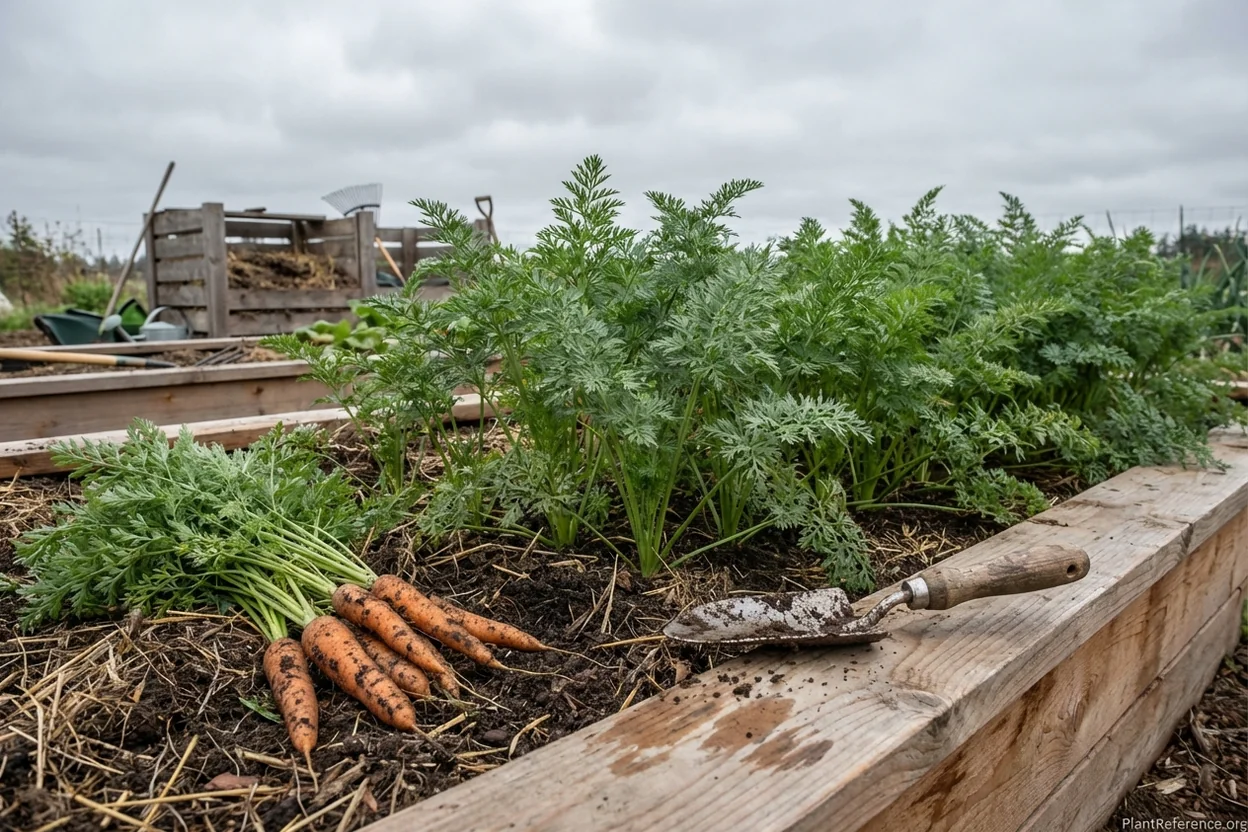
9. Carrots - Perfect Root Development
Raised beds solve the main challenge with growing carrots—compacted soil that causes twisted, stunted roots. The loose, well-draining soil mix allows carrots to develop perfectly straight roots that are easy to harvest.
Best Varieties for Raised Beds:
'Paris Market': Round carrots perfect for shallow beds or containers
'Danvers 126': Classic variety, 6-7 inches long, stores well
'Purple Haze': Purple exterior with orange interior, striking appearance
'Little Finger': Baby carrots ready in 50 days, perfect for snacking
Direct seed carrots in raised beds—they don't transplant well due to their taproot. Plant seeds ¼ inch (0.6 cm) deep and 1 inch (2.5 cm) apart, thinning to 2-3 inches (5-7.5 cm) when tops are 2 inches (5 cm) tall. Keep soil consistently moist during germination.
10. Peas - Early Season Producers
Peas get your raised bed producing food while it's still too cold for warm-season crops. These nitrogen-fixing legumes actually improve soil for crops planted after them, making them perfect rotation partners.
Best Varieties for Raised Beds:
'Sugar Ann': Snap pea that doesn't require trellising
'Oregon Sugar Pod': Flat snow peas, excellent in stir-fries
'Green Arrow': Reliable shelling pea, concentrated harvest
'Dwarf Gray Sugar': Purple flowers, ornamental and edible
Plant peas 4-6 weeks before last frost—they tolerate cold soil better than beans. Space plants 2-3 inches (5-7.5 cm) apart along bed edges or create double rows 6 inches (15 cm) apart. Harvest regularly to encourage continued production.
Planning Your First Raised Bed Layout
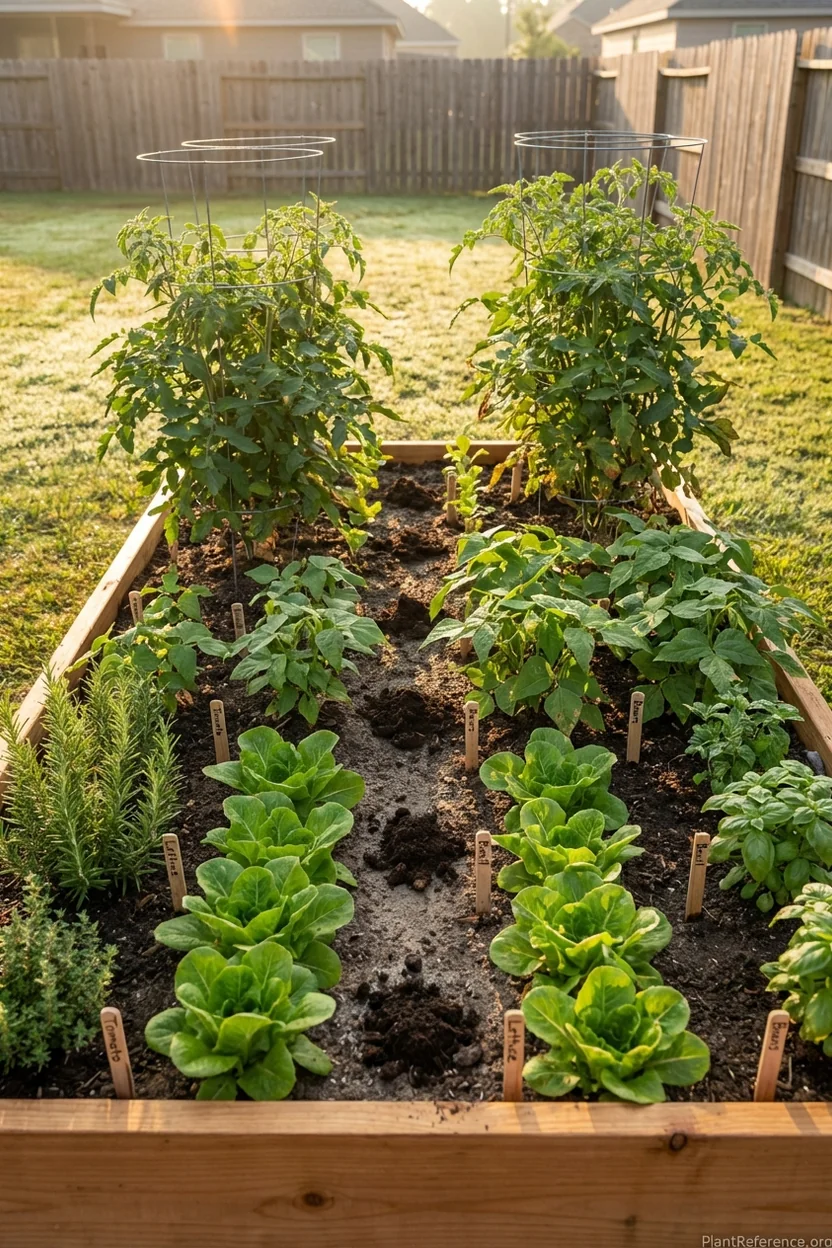
Strategic planning maximizes production from limited space while ensuring each crop receives appropriate growing conditions. Consider mature plant size, harvest timing, and companion planting benefits when designing your layout.
4x4 Foot (1.2x1.2 m) Bed Sample Layout:
Corner 1: 4 lettuce plants
Corner 2: 1 tomato plant with cage
Corner 3: 6 herb plants (basil, parsley, cilantro)
Corner 4: 9 radish plants
Center: 8 bush bean plants
Edges: 20 carrot seeds along two sides
4x8 Foot (1.2x2.4 m) Bed Sample Layout:
Section 1 (2x4): 2 tomato plants with supports
Section 2 (2x4): 16 lettuce plants in 4x4 grid
Long edges: Herbs and radishes as border plants
Between main crops: Bush beans and peas for succession planting
Plan for succession planting by dividing bed space into weekly sections. Plant lettuce in one section, then plant the next section seven days later for staggered harvests.
Common Beginner Mistakes to Avoid
Learning from others' mistakes saves time, money, and frustration. These five errors appear in nearly every first-year raised bed garden but are easily prevented with proper planning.
Overcrowding Plants
New gardeners often plant too densely, thinking raised beds can accommodate more plants than seed packets recommend. While raised beds do allow slightly closer spacing due to improved soil, overcrowding leads to poor air circulation, increased disease, and competition for nutrients.
Follow spacing recommendations on seed packets, then reduce by 10-20% maximum for raised bed growing. When in doubt, give plants more space rather than less.
Ignoring Succession Planting
Planting all lettuce seeds on the same day results in a huge harvest that spoils before you can eat it, followed by weeks without fresh greens. Plan successive plantings every 10-14 days for continuous harvests of quick-growing crops.
Keep a garden journal tracking planting dates and harvest windows. This data becomes invaluable for planning future seasons and timing succession crops perfectly.
Choosing the Wrong Varieties
Standard varieties bred for field production often perform poorly in raised beds. Look for varieties specifically recommended for container growing, compact habits, or raised bed production.
'Bush' varieties of traditionally vining crops (beans, cucumbers, squash) work better than their full-size counterparts. Determinate tomatoes require less space and support than indeterminate varieties.
Inconsistent Watering
Raised beds drain faster than ground-level gardens, making consistent moisture crucial for success. Hand-watering often leads to uneven moisture that stresses plants and reduces harvests.
Install drip irrigation or soaker hoses on timers for consistent, deep watering. Check soil moisture at root depth (2-4 inches) rather than just surface conditions.
Neglecting Soil Amendments
The contained environment of raised beds depletes nutrients faster than traditional gardens. Without regular amendments, soil becomes depleted by mid-season, causing poor growth and disappointing harvests.
Add 2-3 inches (5-7.5 cm) of compost to beds twice yearly—spring before planting and fall after harvest cleanup. This single habit prevents most nutrient deficiency problems and maintains soil structure.
Frequently Asked Questions

Reading about plants and recognising them are different skills. These three build the second.
- Daily PlantIdentify the day’s mystery plant from a close-up photograph.
- Keyed OutWork a dichotomous key, lead by lead, to name a hidden specimen.
- Name That PlantName a specimen from botanical clues dealt hardest first.
Free to play, no account needed
Dot grew up on a small farm in rural Virginia and has maintained a vegetable garden for decades. After retiring from teaching elementary school, she became a Master Gardener volunteer and spends her time mentoring new gardeners at community garden plots in Richmond. She's especially knowledgeable about heirloom varieties, seed saving, and traditional growing methods passed down from her grandmother. Dot's no-nonsense advice comes from extensive trial and error—she's seen every tomato disease, pest problem, and weather disaster imaginable. Her biggest pet peeve is gardeners who overcomplicate simple tasks. "Plants want to grow," she often says. "Your job is to not get in their way."