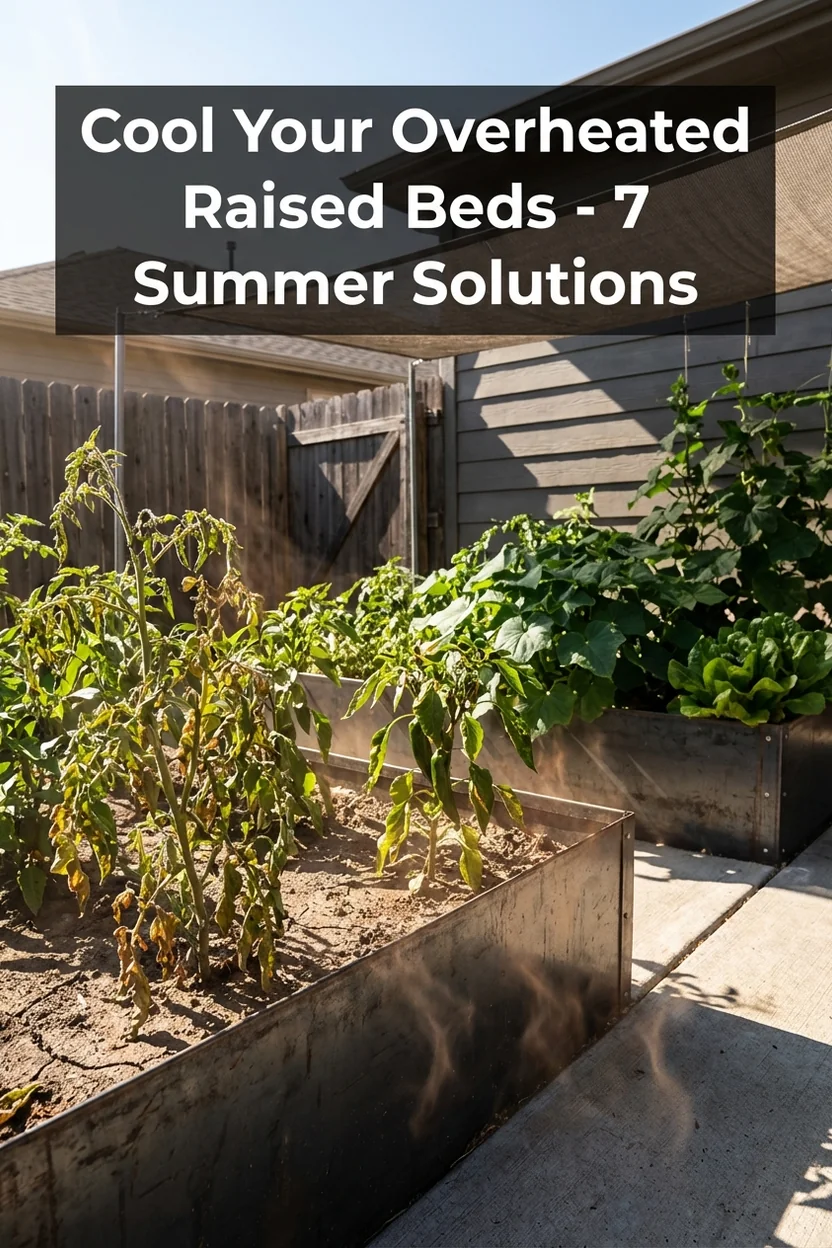
Raised Bed Too Hot in Summer: Protecting Plants from Heat Stress
— Image © Plant Reference 2026
Your raised bed vegetables are wilting despite daily watering, and you can't figure out why. Here's the truth: raised bed overheating is one of the most common summer problems gardeners face, especially with metal beds or dark-colored materials. When soil temperatures climb above 85°F (29°C), plant roots start shutting down, creating a cascade of problems that kills more vegetables than pests and diseases combined.
After growing vegetables in Arizona's brutal heat for over a decade, I've learned that raised beds create their own unique heat challenges—but they're completely solvable with the right strategies.
Why Raised Beds Overheat More Than Ground Gardens
Raised beds face heat challenges that ground-level gardens simply don't experience. The elevation exposes soil on all sides to air circulation, which sounds beneficial but actually increases heat absorption during peak summer temperatures.
Surface Area Exposure: Unlike ground gardens where only the top surface faces the sun, raised beds expose the sides to direct sunlight and hot air. A 4x8 foot raised bed has 64 square feet of top surface plus roughly 90 square feet of side exposure—nearly double the heat absorption area.
Thermal Mass Problems: Raised bed materials store and conduct heat differently than natural ground cover. Metal beds act like solar collectors, absorbing radiant heat during the day and transferring it directly to soil. Dark wood beds create similar problems through solar absorption.
Drainage Speed: The improved drainage that makes raised beds excellent for plant health becomes a liability in heat. Water drains through raised bed soil 2-3 times faster than ground gardens, eliminating the cooling effect of soil moisture during hot afternoons. Understanding Soil Drainage and Water Management helps optimize moisture retention during extreme heat events.
Wind Exposure: Elevation increases wind exposure, which dehydrates plants faster and strips moisture from soil surface. While gentle breezes help in moderate temperatures, hot winds above 85°F (29°C) act like a convection oven, accelerating water loss.
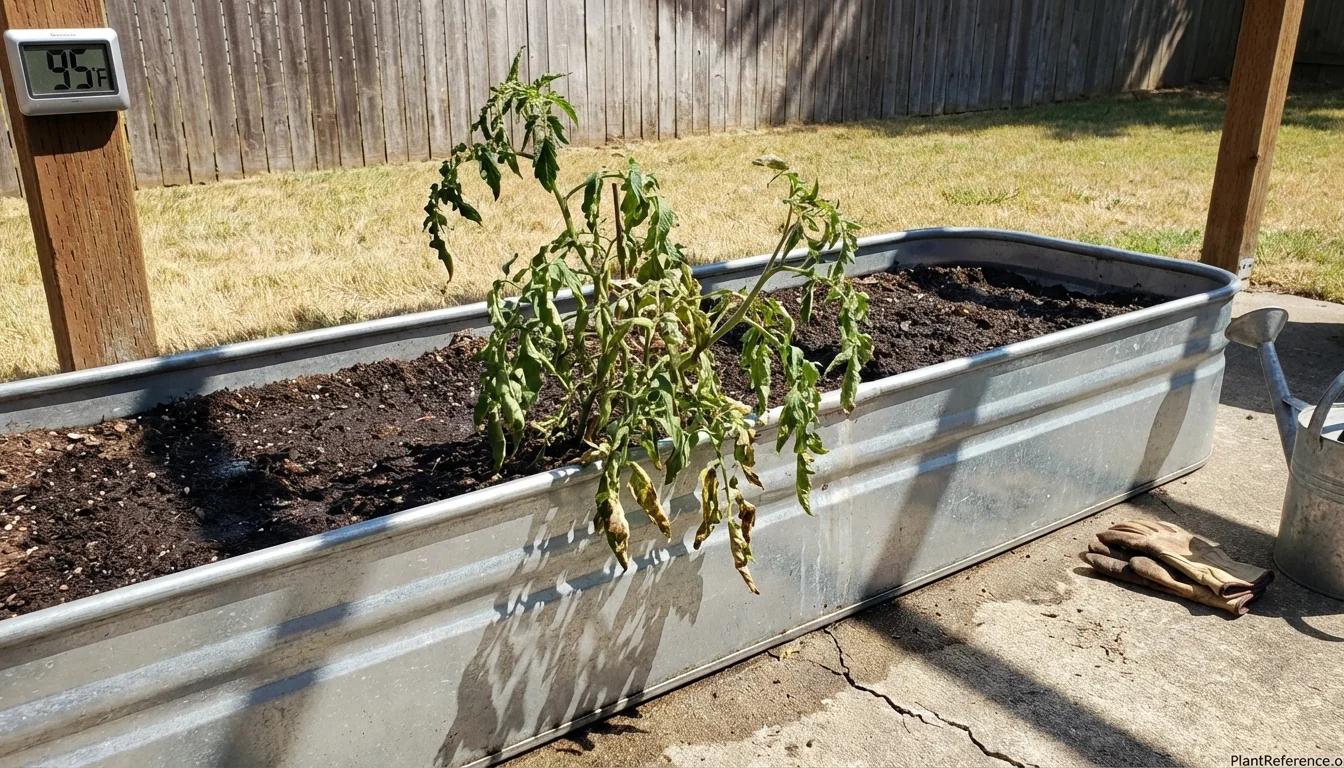
The combination of these factors can push raised bed soil temperatures 15-20°F higher than surrounding ground temperatures during peak afternoon heat. When ambient air hits 95°F (35°C), your raised bed soil can reach 110°F (43°C) or higher—well into the plant-killing range.
Signs Your Raised Bed Is Too Hot for Plants
Raised bed overheating symptoms develop quickly and often get misdiagnosed as watering problems. Here's how to identify heat stress versus other common issues:
Afternoon Wilting with Recovery: Plants wilt during peak afternoon heat (2-6 PM) but recover in evening, even with adequate soil moisture. This pattern indicates heat stress, not drought stress. Learning about Plant Wilting Prevention Techniques can help you distinguish between dehydration and thermal stress.
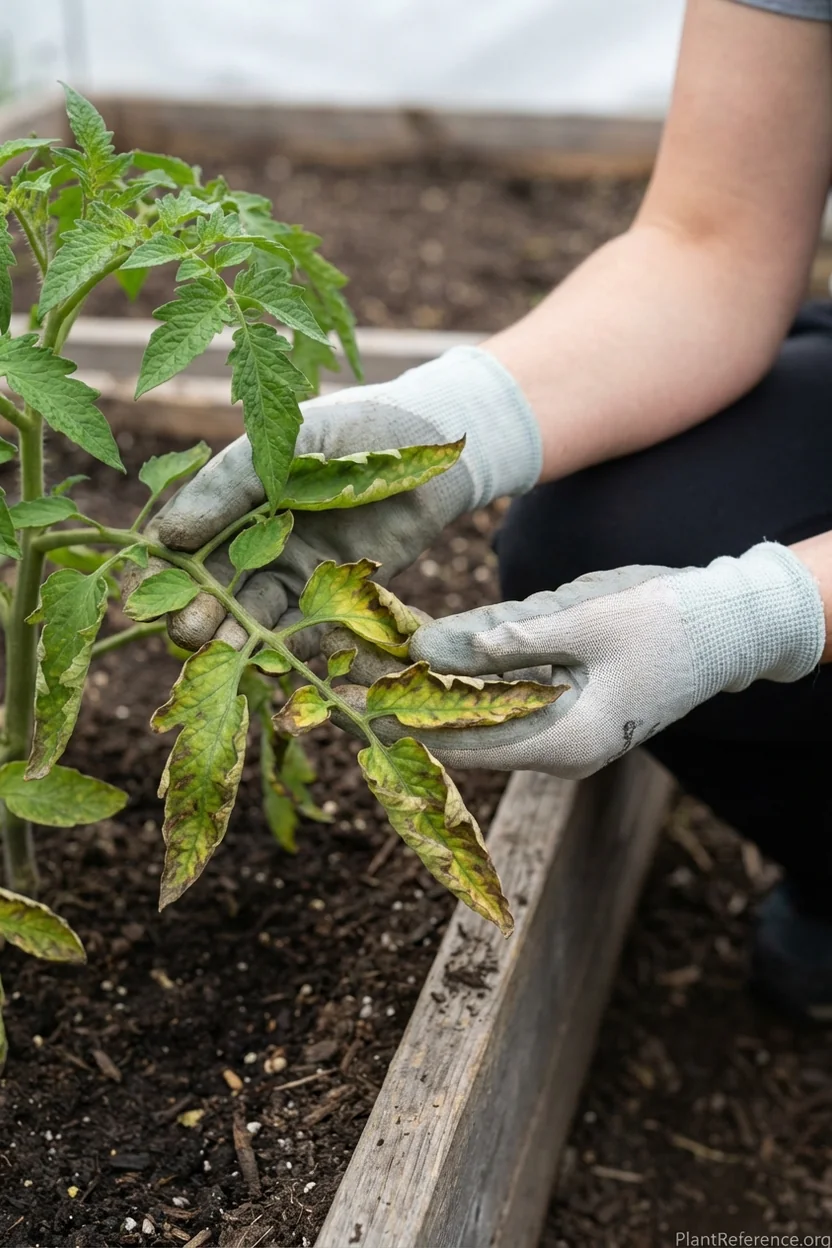
Leaf Curl and Scorch: Leaves curl downward or inward to minimize sun exposure. Edges turn brown and crispy, starting with older lower leaves. New growth may appear stunted or deformed.
Blossom End Rot Acceleration: Tomatoes, peppers, and squash develop dark, sunken spots on fruit bottoms. While technically a calcium deficiency, heat stress prevents calcium uptake even when soil levels are adequate.
Bolting and Premature Seeding: Cool-season crops like lettuce, spinach, and cilantro bolt (go to seed) weeks early when soil temperatures exceed their tolerance range.
Surface Root Development: Plants develop shallow root mats near the soil surface instead of deep taproots, seeking cooler soil layers that may not exist in overheated beds.
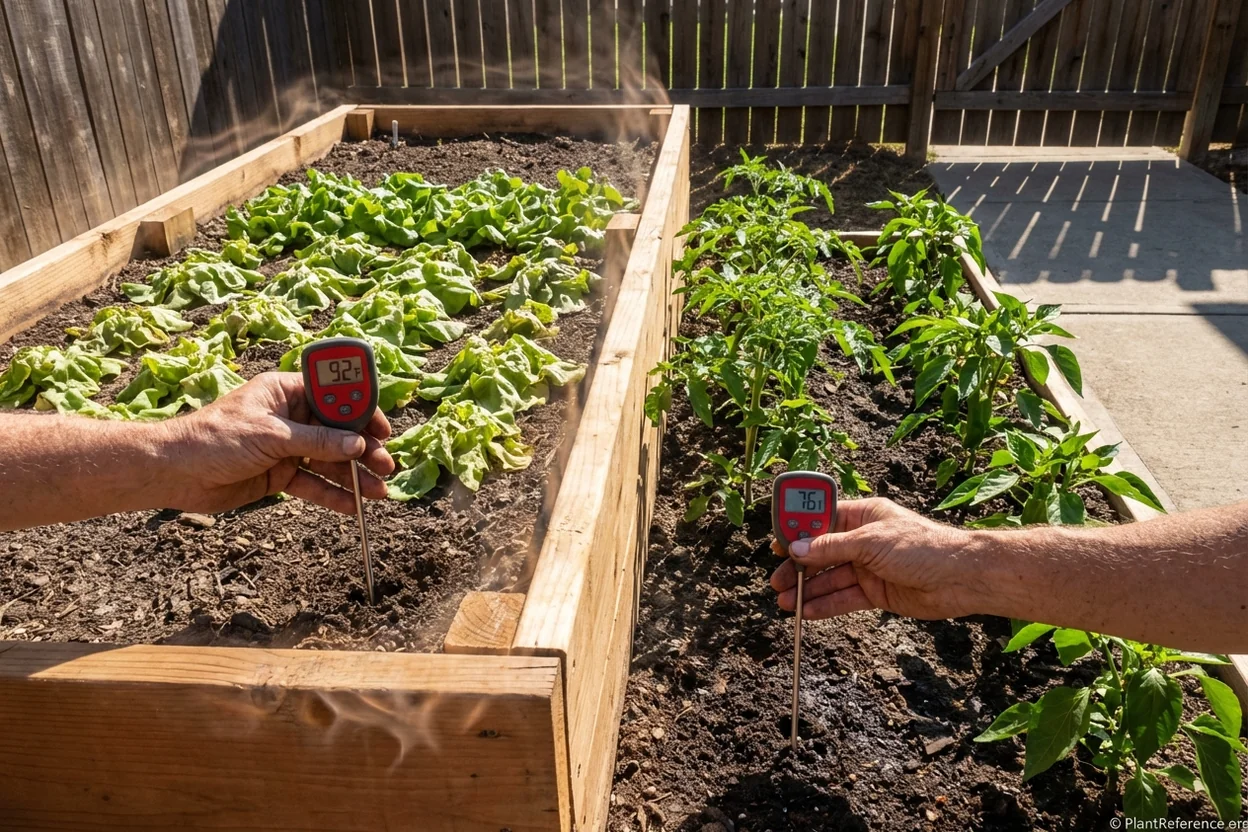
Test soil temperature 3-4 inches deep at 2 PM on a hot day. If readings consistently exceed 85°F (29°C), your bed is in the danger zone. Above 90°F (32°C), most vegetables suffer significant stress.
Materials That Make Overheating Worse
Not all raised bed materials handle summer heat equally. Some amplify heat problems while others provide natural cooling benefits.
Metal Beds (Worst Offenders): Galvanized steel and aluminum beds conduct heat directly from air to soil. Dark-colored metal beds can reach surface temperatures of 140°F+ (60°C) in direct sun, creating an oven effect around the soil perimeter.
Dark Wood (Heat Absorbers): Composite boards, painted dark colors, and naturally dark woods like black walnut absorb solar radiation throughout the day. Even cedar turns dark gray after weathering, increasing heat absorption over time.
Concrete and Stone (Thermal Mass): While durable, concrete blocks and stone retain heat long after sunset, preventing nighttime soil cooling. They create "heat island" effects that extend stress periods.
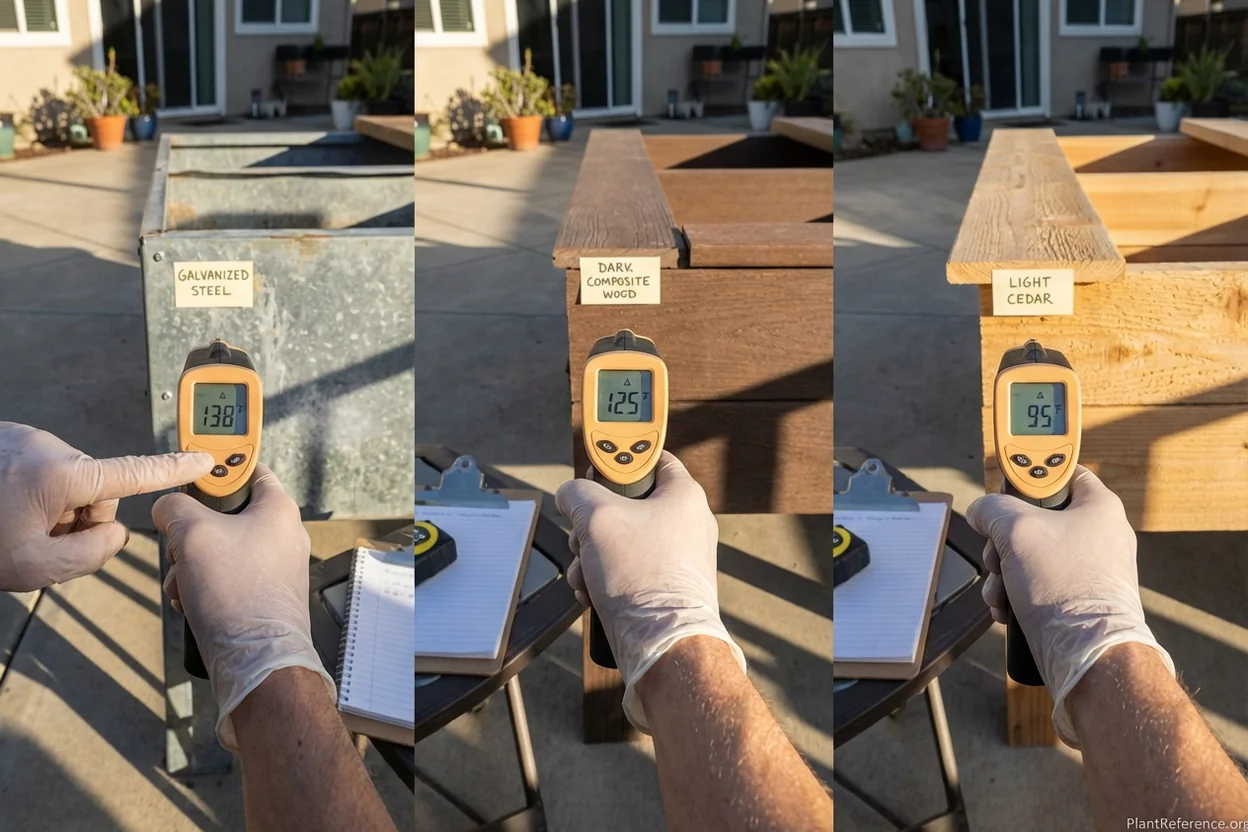
Better Material Choices: Light-colored cedar, pine, and composite materials in white or tan reflect more heat than they absorb. Double-wall designs with air gaps provide insulation. Fabric beds offer the best cooling through evaporation and breathability. Exploring Raised Bed Material Selection Guide helps you choose materials that resist heat absorption.
If you're stuck with heat-conducting materials, focus on the cooling strategies below rather than replacing the entire bed structure.
Immediate Cooling Solutions for Overheated Beds
When temperatures spike and plants start showing stress, these emergency cooling measures can save your harvest:
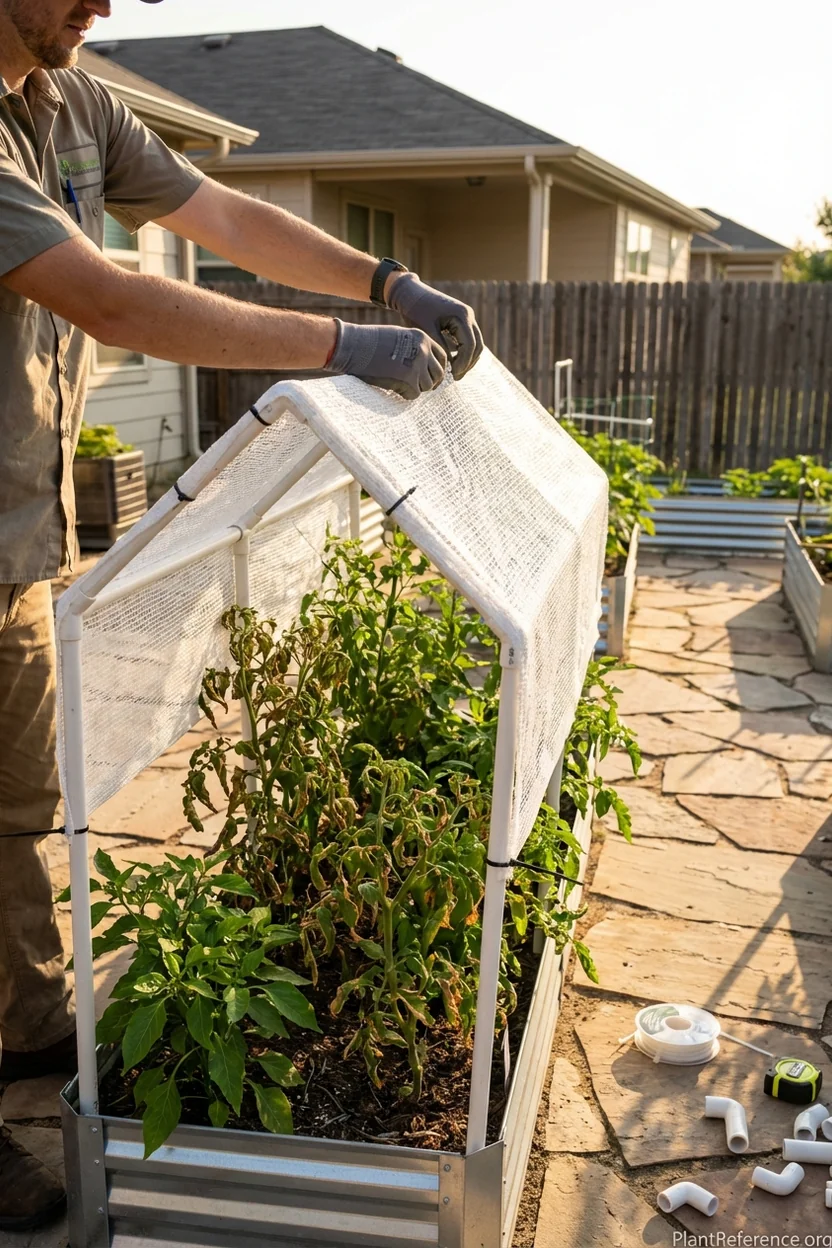
Shade Cloth Installation: Install 30-50% shade cloth 18-24 inches above bed level during peak heat hours (11 AM - 6 PM). Higher coverage percentages work for leafy greens, while tomatoes and peppers need lighter shading to maintain fruit production.
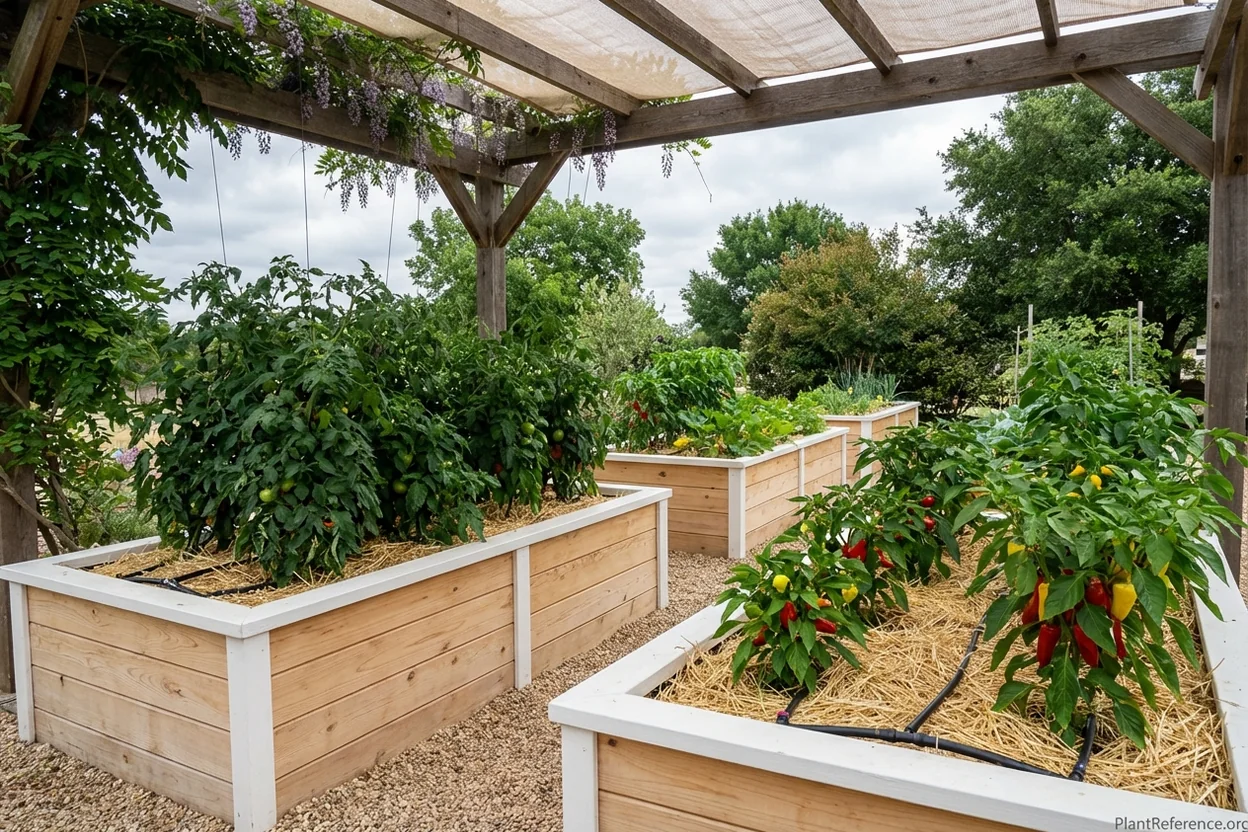
Deep Mulching: Apply 3-4 inches of light-colored organic mulch immediately around plants. Straw, shredded paper, and light-colored wood chips reflect heat while insulating soil. Understanding Mulching Techniques for Temperature Control ensures proper application depth and material selection for maximum cooling benefit.
Emergency Watering: Water deeply in early morning (5-7 AM) to maximize soil cooling before peak heat. Avoid afternoon watering, which creates steam and increases humidity around stressed plants.
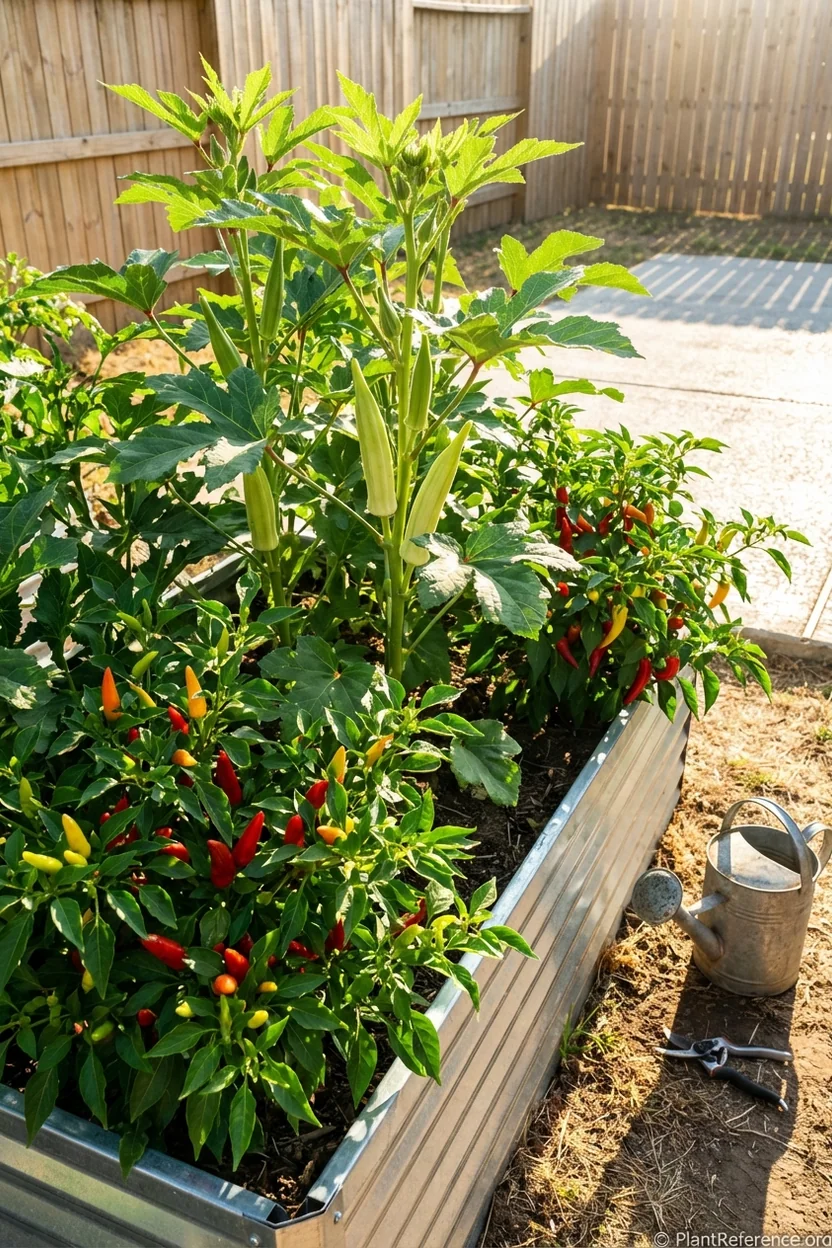
Companion Plant Screening: Plant tall, heat-tolerant crops like sunflowers, okra, or pole beans on the south and west sides of beds to create natural shade for sensitive plants during afternoon hours. Implementing Companion Planting Strategies for Shade provides dual benefits of protection and productivity.
Soil Surface Cooling: Spray soil surface lightly (not plants) with water at 10 AM and 3 PM to trigger evaporative cooling. This technique works best in dry climates but can increase humidity problems in humid regions.
Temporary Relocatable Shade: Use umbrellas, bedsheets, or portable awnings during extreme heat warnings (temperatures above 100°F/38°C). Even temporary afternoon shade prevents catastrophic plant loss during heat domes.
These emergency measures buy you time while implementing long-term cooling strategies for future seasons.
Long-Term Heat Prevention Strategies
Raised bed overheating problems are completely preventable with proper planning. These permanent solutions address the root causes of heat buildup:
Bed Orientation and Placement: Position beds to receive morning sun but afternoon shade from existing structures, trees, or fencing. East-west orientation provides more even heat distribution than north-south alignment in hot climates.
Insulation Installation: Line metal beds with 1-2 inch foam board insulation or create double-wall construction with air gaps. This prevents direct heat conduction from bed walls to soil. Reviewing Raised Bed Insulation Methods ensures proper installation for maximum thermal protection.
Color Modification: Paint dark beds with light-colored, heat-reflective paint designed for outdoor use. White, light gray, or tan colors can reduce surface temperatures by 20-30°F compared to dark materials.
Install permanent shade structures during cooler months
Plant deciduous trees for seasonal summer shade
Create windbreaks to reduce hot air circulation
Install misters or drip cooling systems
Use reflective materials around bed perimeters
Soil Volume Increase: Deeper beds (18-24 inches) maintain cooler temperatures in the root zone. Greater soil mass provides thermal stability and retains moisture longer during heat waves.
Drip Irrigation Integration: Install subsurface drip lines 3-4 inches deep to maintain consistent soil moisture without surface evaporation. Understanding Drip Irrigation System Installation enables you to deliver cool water directly to root zones where it prevents heat damage. Cool water flowing through soil provides continuous temperature regulation.
Living Mulch Systems: Plant heat-tolerant groundcovers between main crops to shade soil naturally. Low-growing herbs like thyme, oregano, and marjoram provide living mulch while producing harvest.
Planning these modifications during fall and winter ensures they're ready before next summer's heat arrives.
Best Plants for Hot Raised Beds
Some vegetables actually thrive in the elevated temperatures that stress cool-season crops. Focus your hottest beds on these heat-loving varieties:
Heat Champions: Okra, Armenian cucumber, yard-long beans, Malabar spinach, and New Zealand spinach handle soil temperatures that kill traditional vegetables. These crops often produce better in raised beds than ground gardens.
Adapted Varieties: Choose heat-tolerant cultivars of standard crops. 'Phoenix' lettuce, 'Everglades' tomatoes, and 'Thai Dragon' peppers are bred specifically for hot climate performance. Learning about Heat-Tolerant Vegetable Varieties helps you select cultivars proven for extreme temperature conditions.
Vertical Heat Escape: Train vining crops like cucumbers, melons, and pole beans up trellises to move foliage away from hot soil surface. Elevated plant parts experience cooler air temperatures.
Succession Planting Strategy: Plant cool-season crops in early spring and late summer, leaving beds partially empty during peak heat. Use the hottest months for heat-loving crops or soil improvement with cover crops.
Container Integration: Move portable containers with sensitive plants to shadier locations during extreme heat, then return them when temperatures moderate.
Match your crop selection to your cooling infrastructure. If you can't modify the bed environment, modify your plant choices instead.
Irrigation Adjustments for Summer Heat
Raised bed overheating demands completely different watering strategies than ground gardens. Standard recommendations often make heat problems worse:
Timing Changes: Water between 4-6 AM to allow maximum soil cooling before peak heat. Evening watering in hot climates can increase humidity and fungal problems. Mastering Summer Garden Watering Schedules prevents both heat stress and disease issues through optimal timing.
Deep, Less Frequent: Apply 1-2 inches of water twice weekly rather than daily light watering. Deep water cools the entire root zone and encourages deeper root development away from hot surface soil.
Temperature Considerations: Let water sit in hoses and containers overnight to reach ambient temperature. Cold water can shock heat-stressed plants, while hot water from sun-heated hoses adds additional heat stress.
Mulch Watering: Water under mulch rather than over it. Surface watering on hot mulch creates steam that can burn plant foliage.
Monitor soil moisture 4-6 inches deep during heat waves. Surface dryness doesn't indicate deep soil conditions, and overwatering hot soil creates root rot conditions.
Frequently Asked Questions
Reading about plants and recognising them are different skills. These three build the second.
- Daily PlantIdentify the day’s mystery plant from a close-up photograph.
- Keyed OutWork a dichotomous key, lead by lead, to name a hidden specimen.
- Name That PlantName a specimen from botanical clues dealt hardest first.
Free to play, no account needed
Carlos grew up helping his abuelos tend their backyard garden in San Antonio, Texas, but didn't get serious about growing his own food until he bought his first house in Austin. He works as an HVAC technician during the day and gardens in the early mornings and evenings. Carlos specializes in heat-tolerant vegetables and container growing—essential skills for Texas summers and his south-facing driveway that gets intense sun. He's learned through plenty of failures (multiple dead fig trees, countless bolted lettuce crops) and now helps neighbors troubleshoot their own gardens. His YouTube channel documenting his container tomato experiments has a small but dedicated following. Carlos is passionate about growing food on a budget, often sourcing free containers and building his own compost.