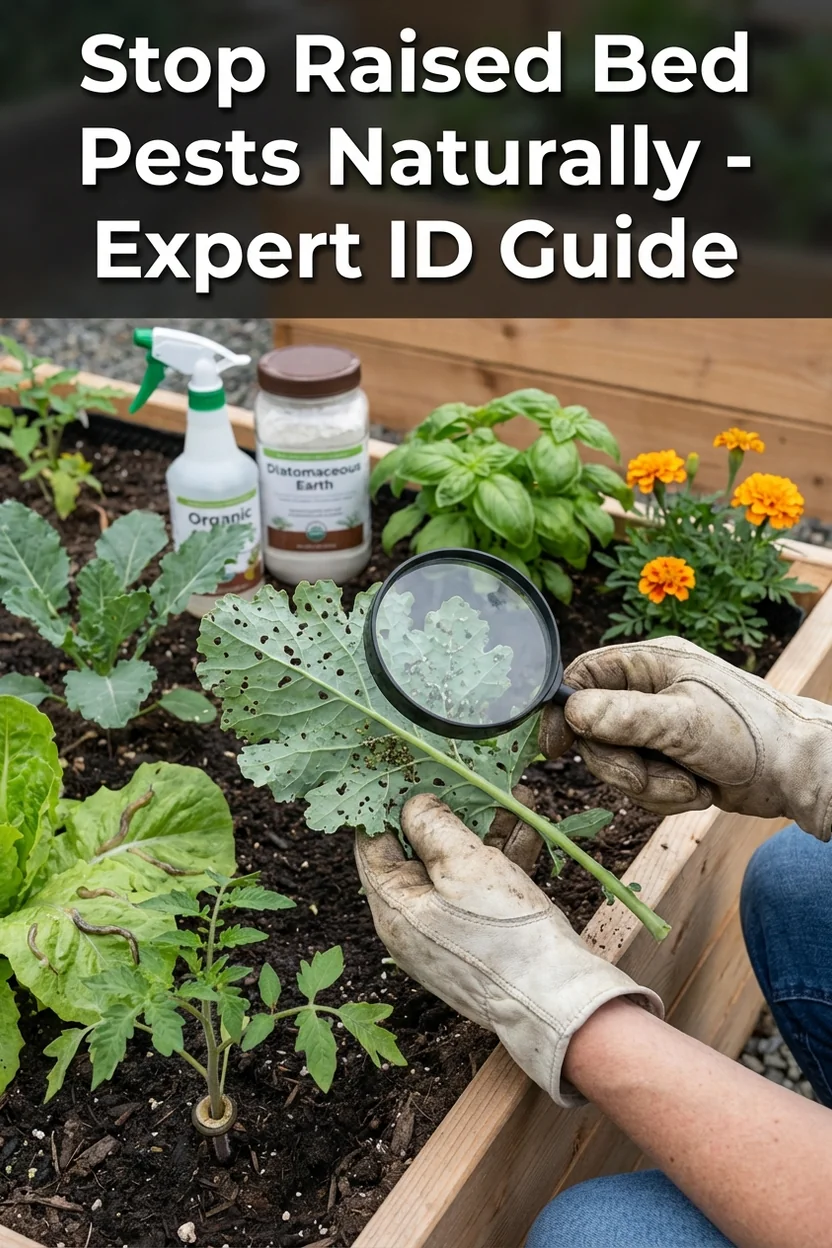
Raised Bed Pest Problems: Identification and Organic Control Methods
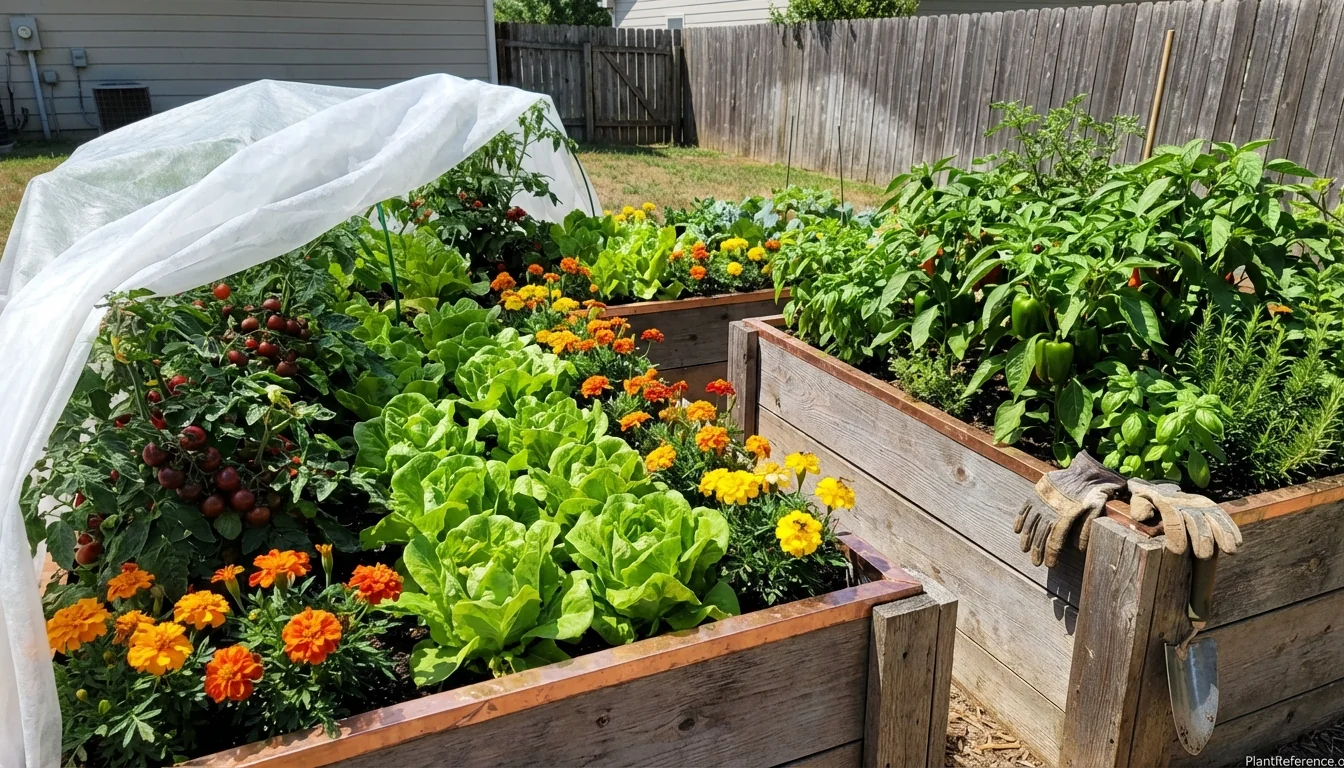
— Image © Plant Reference 2026
Let's be honest—if you've got pests in raised beds, you need solutions that work without turning your vegetables into chemical experiments. Your elevated growing space isn't immune to pest problems, and some common garden invaders actually prefer the concentrated plant buffet your raised bed provides.
The good news? Pests in raised beds respond better to organic control methods than you might expect. The contained environment makes targeted treatments more effective, and the improved soil drainage creates conditions that favor beneficial insects over many destructive pests.
Common Raised Bed Pests: What You're Dealing With
Raised beds attract specific pest types due to their elevated, well-draining environment and concentrated plant diversity. Here's what you're most likely to encounter:
Surface and Leaf Feeders:
Aphids: Small, soft-bodied insects clustering on stems and leaf undersides
Slugs and snails: Slimy mollusks leaving silver trails and irregular holes
Flea beetles: Tiny jumping beetles creating shot-hole patterns in leaves
Cucumber beetles: Striped or spotted beetles targeting cucurbits
Cabbage worms: Green caterpillars devouring brassica crops
Underground Threats:
Cutworms: Gray-brown caterpillars cutting plant stems at soil level
Root maggots: White larvae tunneling into roots and stems
Wireworms: Yellow-brown, hard-bodied larvae eating root systems
Voles and moles: Small mammals tunneling beneath beds
Why Raised Beds Attract Certain Pests:
The improved drainage and loose soil structure in raised beds creates ideal conditions for some pests while deterring others. Underground pests find the soft, workable soil easy to navigate, while the elevated position and concentrated plantings create visible targets for flying insects.
However, this same environment gives you advantages for organic control that ground-level gardens don't offer.
Above-Ground Pests: Identification and Damage Assessment
Aphids are your most common raised bed pest, appearing as tiny, pear-shaped insects in green, black, or gray colors. They cluster on stem tips and leaf undersides, literally sucking the life out of your plants.
Identification: Look for sticky honeydew residue on leaves, curling or yellowing foliage, and the insects themselves—often accompanied by ants farming them for their sweet secretions.
Damage Assessment: Light infestations cause minimal harm, but heavy populations stunt growth, spread viral diseases, and can kill young plants. Check weekly during warm weather.
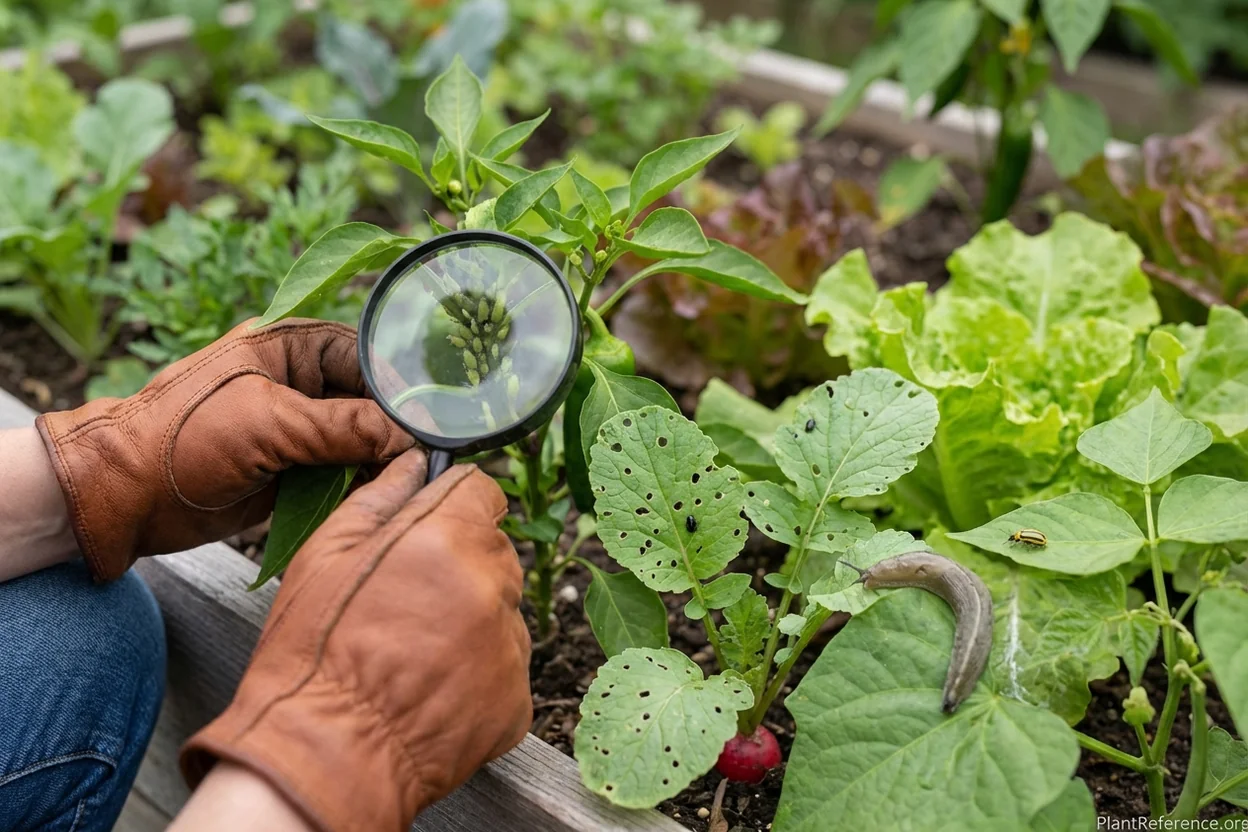
Slugs and Snails leave unmistakable calling cards: irregular holes in leaves, stems, and fruits, plus shiny silver trails marking their nighttime journeys.
Identification: These soft-bodied mollusks hide during the day under mulch, boards, or dense foliage. Look for them at night with a flashlight or find their hiding spots during morning inspections.
Damage Assessment: They can consume entire seedlings overnight and create entry points for bacterial and fungal diseases in mature plants.
Flea Beetles create distinctive shot-hole damage—tiny, perfectly round holes scattered across leaves like someone used a hole punch.
Identification: These tiny, dark beetles jump when disturbed (hence the "flea" name). They're most active in spring and early summer.
Damage Assessment: While rarely fatal to established plants, they can devastate seedlings and seriously weaken young transplants.
Underground Invaders: Root and Crown Feeders
Cutworms are the midnight assassins of raised bed gardening. These gray-brown caterpillars emerge at night to chop down seedlings and young transplants at soil level.
Identification: Find them by digging near severed plants during the day—they curl into a C-shape when disturbed and hide 1-2 inches (2.5-5 cm) below the surface.
Damage Pattern: Plants appear healthy one day, then topple over with clean cuts at the stem base. Unlike animal damage, the cut is surgical and the plant top is usually left behind.
Root Maggots target the root systems of brassicas (cabbage, broccoli, radishes) and alliums (onions, garlic), creating tunnels that weaken or kill plants.
Identification: Plants suddenly wilt despite adequate moisture, growth stops, and pulling gently reveals damaged, tunneled roots with small white larvae.
Prevention Focus: These pests are difficult to treat once established, making prevention through row covers and Building Healthy Raised Bed Soil From Scratch essential.
Voles and Pocket Gophers don't just eat your plants—they undermine the entire raised bed structure by tunneling beneath and around it.
Signs of Activity:
Surface runways through mulch leading to small holes
Plants disappearing overnight (voles pull them down from below)
Raised tunnels or mounds near bed perimeter
Gnawed bark on woody herb stems near soil level
Organic Prevention Strategies That Actually Work
Soil Health as Pest Prevention:
Healthy soil creates conditions that naturally suppress many pest problems. Pests in raised beds often indicate underlying soil imbalances that stress plants and make them more attractive to insects. Learn more about this in our Best Organic Fertilizers for Raised Beds resource.
Build Soil Biology:
Add 2-3 inches (5-7.5 cm) of compost annually to feed beneficial microorganisms
Avoid over-fertilizing with nitrogen, which creates tender growth that aphids prefer
Maintain soil pH between 6.0-7.0 for optimal plant health and pest resistance
Incorporate organic matter to support beneficial predator habitat
Timing and Placement:
Plant susceptible crops when pest pressure is naturally lower. Cool-season vegetables like lettuce and spinach grown in fall avoid summer aphid peaks, while warm-season crops planted after soil warms escape cutworm damage.
Diversity Disrupts Pest Cycles:
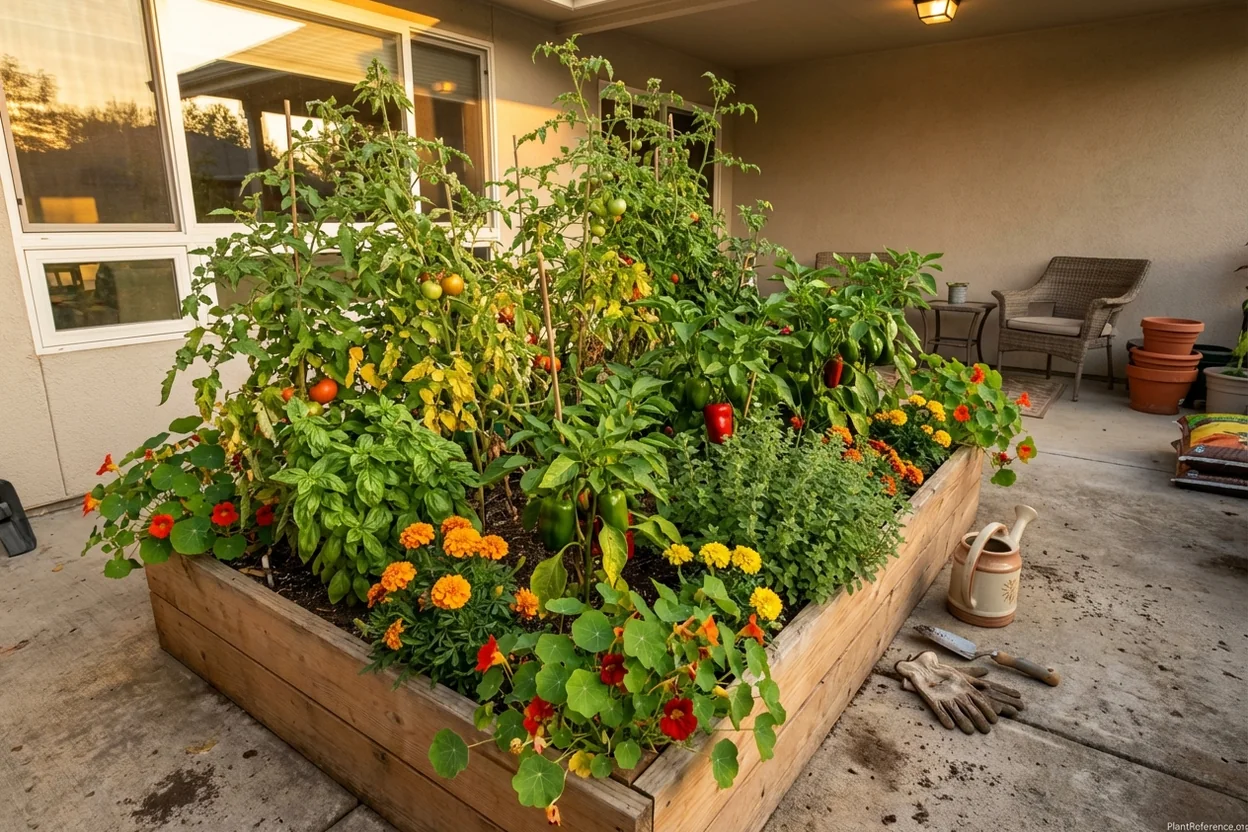
Monocultures invite pest explosions. Mix plant families throughout your raised beds to confuse pests and provide habitat for their natural enemies.
Physical Barriers and Row Covers for Protection
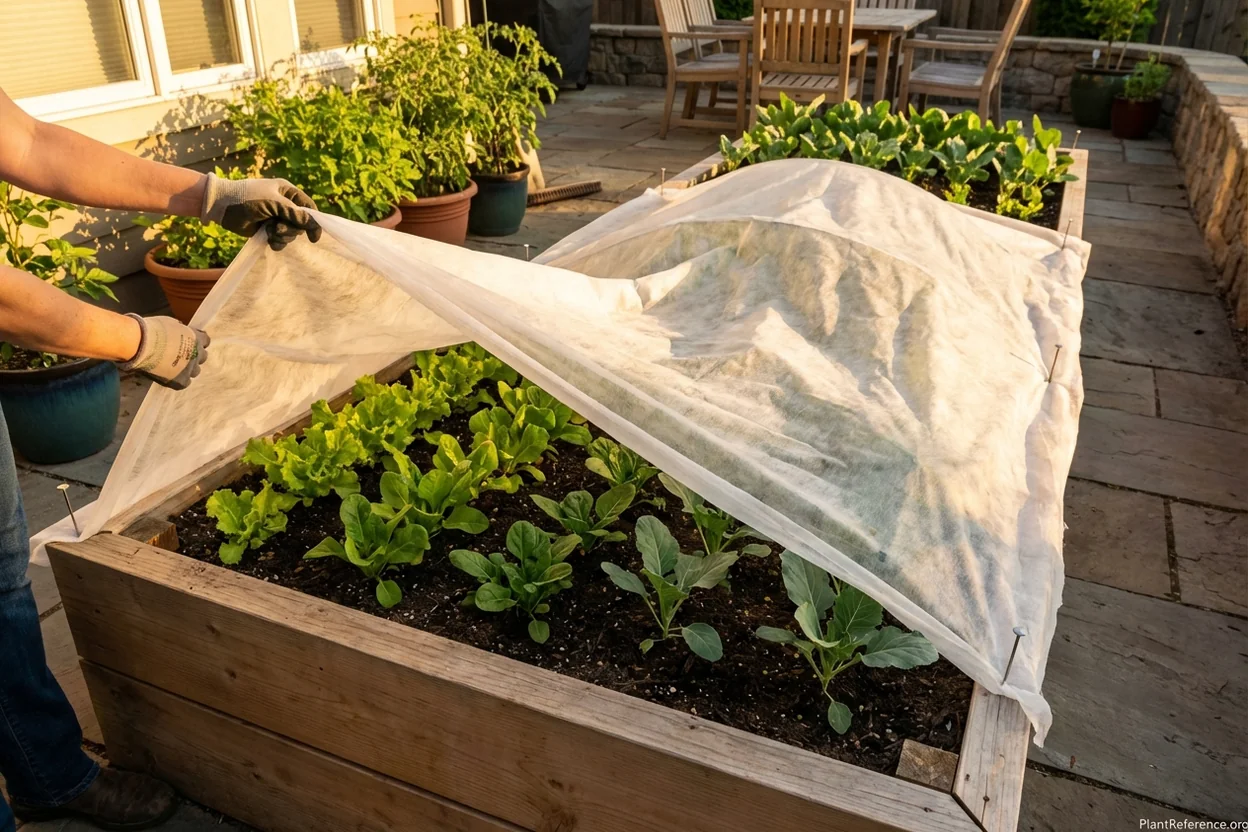
Floating Row Covers provide the most reliable organic pest control for vulnerable crops. These lightweight fabrics create a protective microclimate while allowing air, water, and light penetration.
When to Use Row Covers:
Immediately after transplanting to prevent cutworm damage
During peak aphid seasons (late spring and early fall)
Over brassicas to exclude cabbage worms and flea beetles
On cucurbits until flowering to prevent cucumber beetle damage
Application Technique: Drape covers loosely over plants with 6-8 inches (15-20 cm) of extra fabric. Secure edges with stones, sandbags, or landscape pins. Remove during flowering for crops requiring pollination. See our Season Extension Techniques for Raised Beds guide for detailed installation instructions.
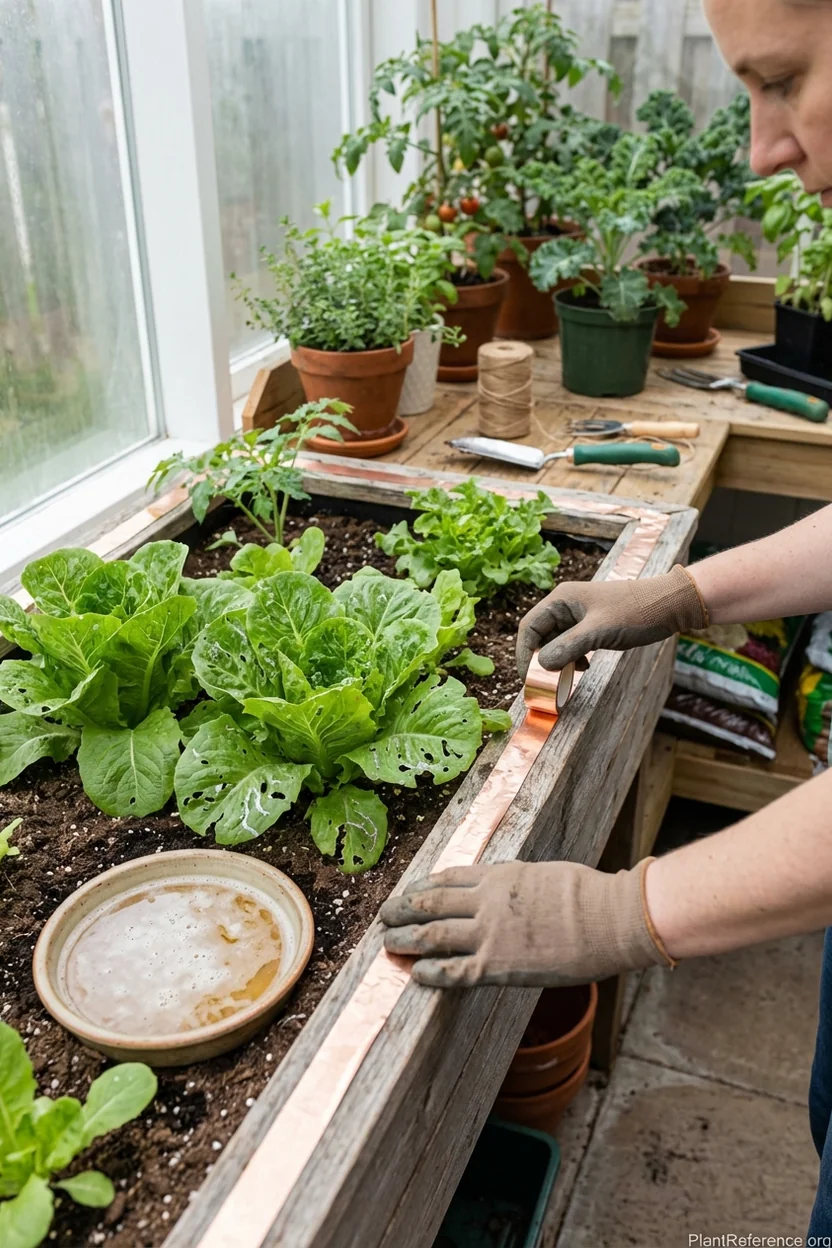
Copper Barriers create an effective slug and snail deterrent around raised bed perimeters. The metal reacts with slug slime to create an unpleasant electrical sensation.
Installation: Apply copper tape around the outside rim of raised beds, overlapping joints by 1 inch (2.5 cm). Keep vegetation trimmed away to prevent bridging, and replace when oxidation reduces effectiveness.
Collars and Stems Guards protect individual plants from cutworms and other stem-feeding pests.
DIY Options:
Toilet paper tubes pushed 1 inch (2.5 cm) into soil around transplants
Aluminum foil collars wrapped loosely around stems
Plastic cups with bottoms cut out pressed into soil
Beneficial Insects: Your Pest-Fighting Allies
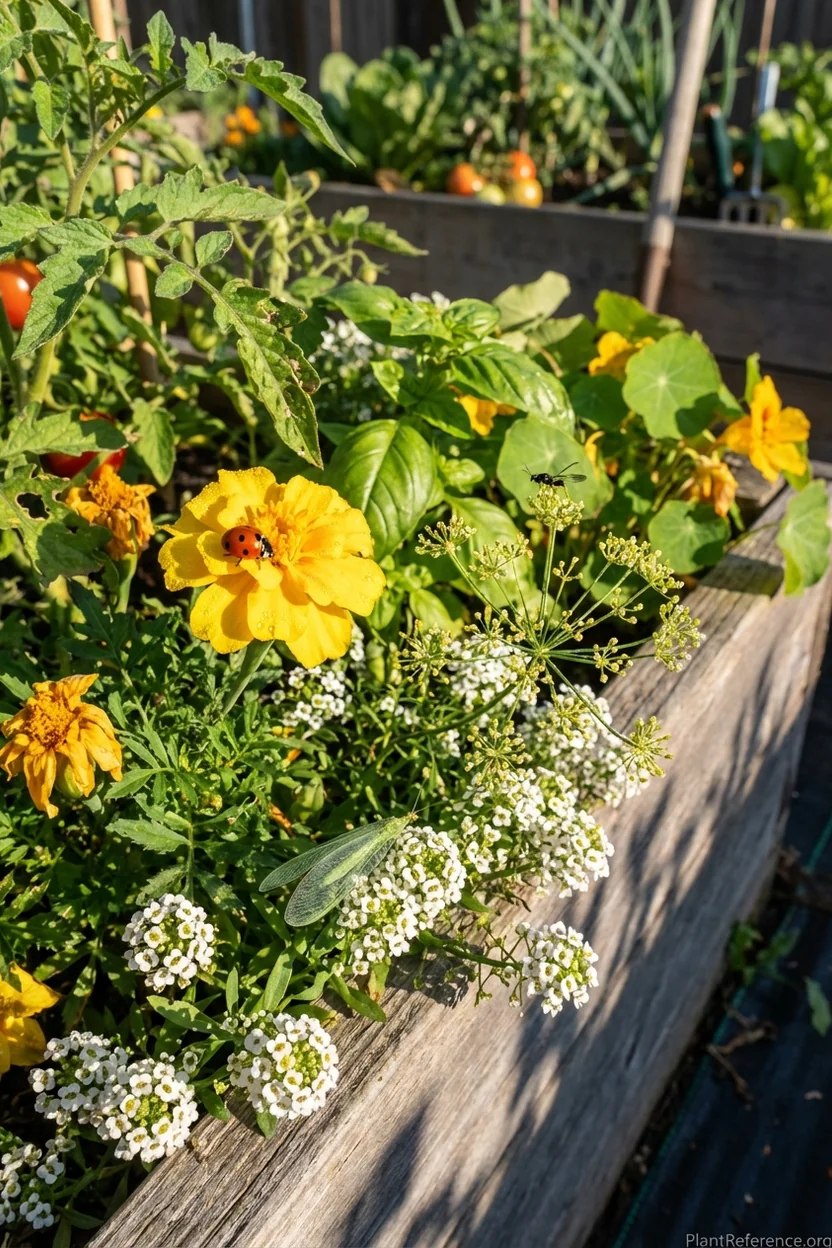
Attracting Natural Predators provides ongoing pest suppression without ongoing intervention. Your raised bed's concentrated plantings can support beneficial insect populations if you plan correctly. Explore more in our Creating Pollinator-Friendly Garden Spaces article.
Key Beneficial Insects:
Ladybugs and their larvae consume 50+ aphids daily
Lacewing larvae eat aphids, spider mites, and small caterpillars
Parasitic wasps lay eggs inside aphids and other soft-bodied pests
Ground beetles patrol at night, consuming cutworms and slug eggs
Creating Beneficial Habitat:
Plant flowers that provide nectar and pollen throughout the growing season. Small-flowered plants like sweet alyssum, dill, and yarrow support tiny beneficial insects, while larger flowers attract bigger predators.
Beneficial Insect Plants for Raised Beds:
Sweet alyssum: Compact, continuous blooms, attracts minute pirate bugs
Calendula: Easy from seed, supports beneficial wasps and hover flies
Cilantro/coriander: Dual-purpose herb with beneficial-attracting flowers
Marigolds: Traditional companion plants with proven aphid-repelling properties
Purchasing Beneficial Insects:
Release purchased beneficials during established infestations, not preventively. Time releases for evening when temperatures are moderate, and ensure adequate food sources are present.
Companion Planting for Natural Pest Control
Strategic Plant Combinations create natural pest deterrents while maximizing your raised bed space. Certain plants repel pests through scent, taste, or chemical compounds, while others act as trap crops drawing pests away from main crops. Check out our Herb Garden Companion Planting Guide for detailed strategies.
Proven Companion Planting Combinations:
Tomatoes + Basil: Beyond the culinary benefits, basil repels aphids, whiteflies, and hornworms while improving tomato flavor and growth.
Brassicas + Aromatic Herbs: Plant thyme, rosemary, or sage near cabbage, broccoli, and kale to confuse cabbage worms and flea beetles with strong scents.
Nasturtiums as Trap Crops: These edible flowers attract aphids, cucumber beetles, and squash bugs away from main crops. Plant along bed edges where they can spill over decoratively.
Radishes + Cucumbers: Fast-growing radishes planted with cucumber seeds deter cucumber beetles until the main crop establishes.
Interplanting Techniques:
Scatter aromatic herbs throughout beds rather than grouping them
Use succession planting to maintain continuous beneficial flower blooms
Choose compact varieties of companion plants to avoid overcrowding
Plant trap crops upwind from main crops when possible
The Raised Bed Vegetable Garden Layout: Planning for Maximum Production guide covers detailed spacing and timing for companion planting systems.
Emergency Organic Treatments for Active Infestations
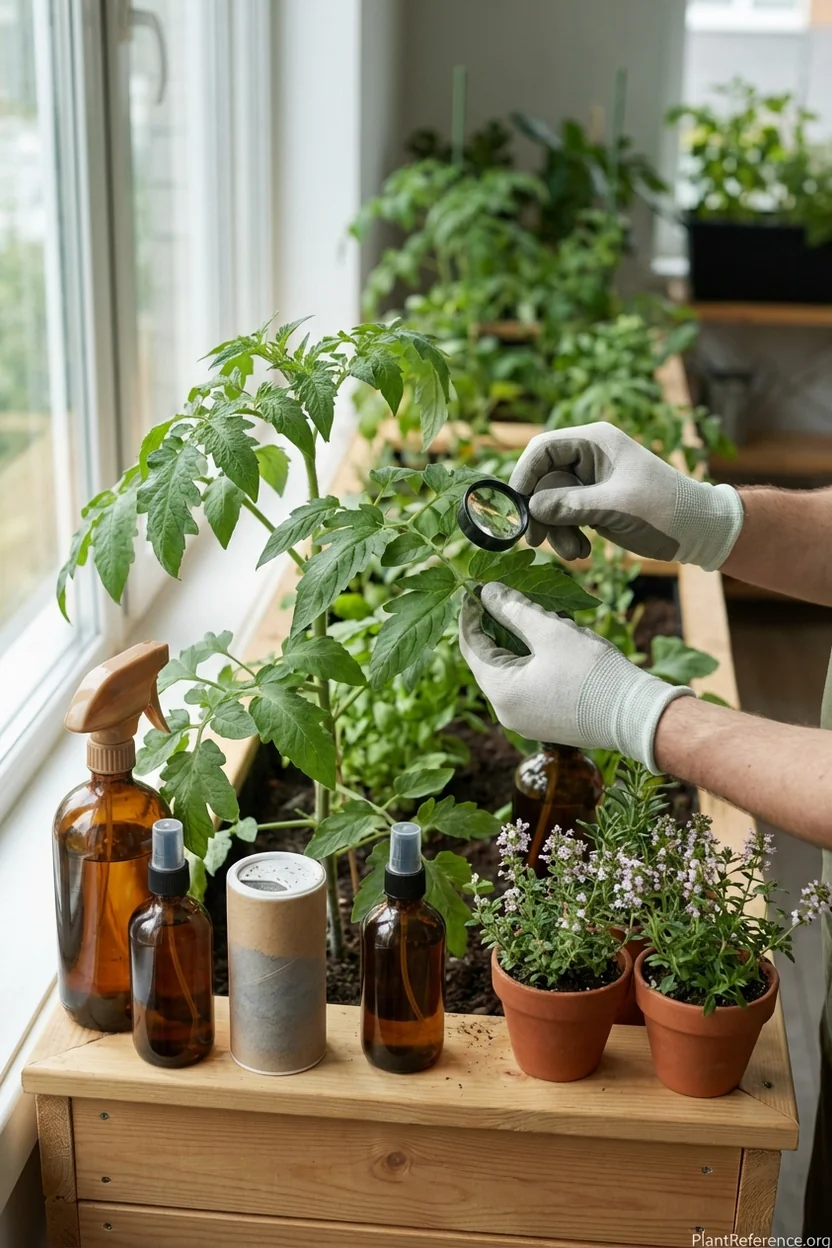
When Prevention Fails: Sometimes pests in raised beds establish faster than prevention methods can stop them. Our Organic Garden Pest Control Products Review provides detailed product recommendations. Here are proven organic treatments for active infestations:
Aphid Infestations:
Insecticidal Soap Spray: Mix 2 tablespoons (30ml) mild liquid soap per quart (1L) of water. Spray directly on aphids during cool morning or evening hours. Repeat every 3 days until populations collapse.
Strong Water Spray: Use garden hose to physically remove aphids from sturdy plants. This mechanical control works well for established tomatoes and peppers but avoid delicate seedlings.
Slug and Snail Management:
Beer Traps: Bury containers flush with soil surface and fill with beer. Slugs crawl in and drown. Empty and refill every few days during active infestations.
Hand Picking: Most effective control method. Hunt at night with flashlight or early morning when slugs are active. Drop collected pests into soapy water.
Cutworm Control:
Beneficial Nematodes: Apply these microscopic predators to soil around affected plants. They seek out and destroy cutworm larvae without harming plants or beneficial insects.
Diatomaceous Earth: Sprinkle food-grade DE around plant stems. The microscopic silica particles damage soft-bodied pests when they crawl over it.
Application Safety: Apply DE when beneficial insects are least active (early morning) and reapply after rain or irrigation.
Integrated Pest Management for Long-Term Success
Monitoring and Record Keeping:
Track pest populations weekly during growing season. Note which pests appear when, what control methods work best, and how weather affects infestations. This data helps you time preventive measures more effectively each year.
Threshold-Based Treatment:
Not every pest requires immediate action. Many plants tolerate light pest pressure without significant yield loss. Treat when:
Treatment Thresholds:
Aphids cover more than 25% of plant surfaces
Slugs create holes larger than a quarter (2.5cm) in leaves
More than 10% of plants show cutworm damage
Beneficial insects are outnumbered 10:1 by pests
Rotation and Cleanup:
Pests in raised beds often overwinter in garden debris and soil. Fall cleanup and crop rotation break pest cycles more effectively than treatments.
Seasonal Management:
Remove plant debris immediately after harvest
Rotate plant families to different bed locations annually
Allow beds to freeze deeply in northern climates to kill overwintering pests
Plan spring plantings to avoid known pest emergence timing
For persistent problems that organic methods can't resolve, consult your local cooperative extension office for regional pest management recommendations. Our Raised Bed Gardening Troubleshooting Guide also covers specific regional pest concerns and seasonal strategies.
Additional Resources: The The Complete Guide to Raised Bed Gardening for Beginners (2025) covers foundational practices that create naturally pest-resistant growing environments.
The key to managing pests in raised beds isn't eliminating every insect—it's creating a balanced ecosystem where beneficial insects keep pest populations below damaging levels. Focus on prevention, encourage beneficial habitat, and use targeted organic treatments only when necessary.
Your raised bed's contained environment gives you better control options than traditional ground-level gardens. Use this advantage to establish sustainable pest management practices that protect your harvest without compromising soil health or beneficial insect populations.
Frequently Asked Questions
Reading about plants and recognising them are different skills. These three build the second.
- Daily PlantIdentify the day’s mystery plant from a close-up photograph.
- Keyed OutWork a dichotomous key, lead by lead, to name a hidden specimen.
- Name That PlantName a specimen from botanical clues dealt hardest first.
Free to play, no account needed
Dot grew up on a small farm in rural Virginia and has maintained a vegetable garden for decades. After retiring from teaching elementary school, she became a Master Gardener volunteer and spends her time mentoring new gardeners at community garden plots in Richmond. She's especially knowledgeable about heirloom varieties, seed saving, and traditional growing methods passed down from her grandmother. Dot's no-nonsense advice comes from extensive trial and error—she's seen every tomato disease, pest problem, and weather disaster imaginable. Her biggest pet peeve is gardeners who overcomplicate simple tasks. "Plants want to grow," she often says. "Your job is to not get in their way."