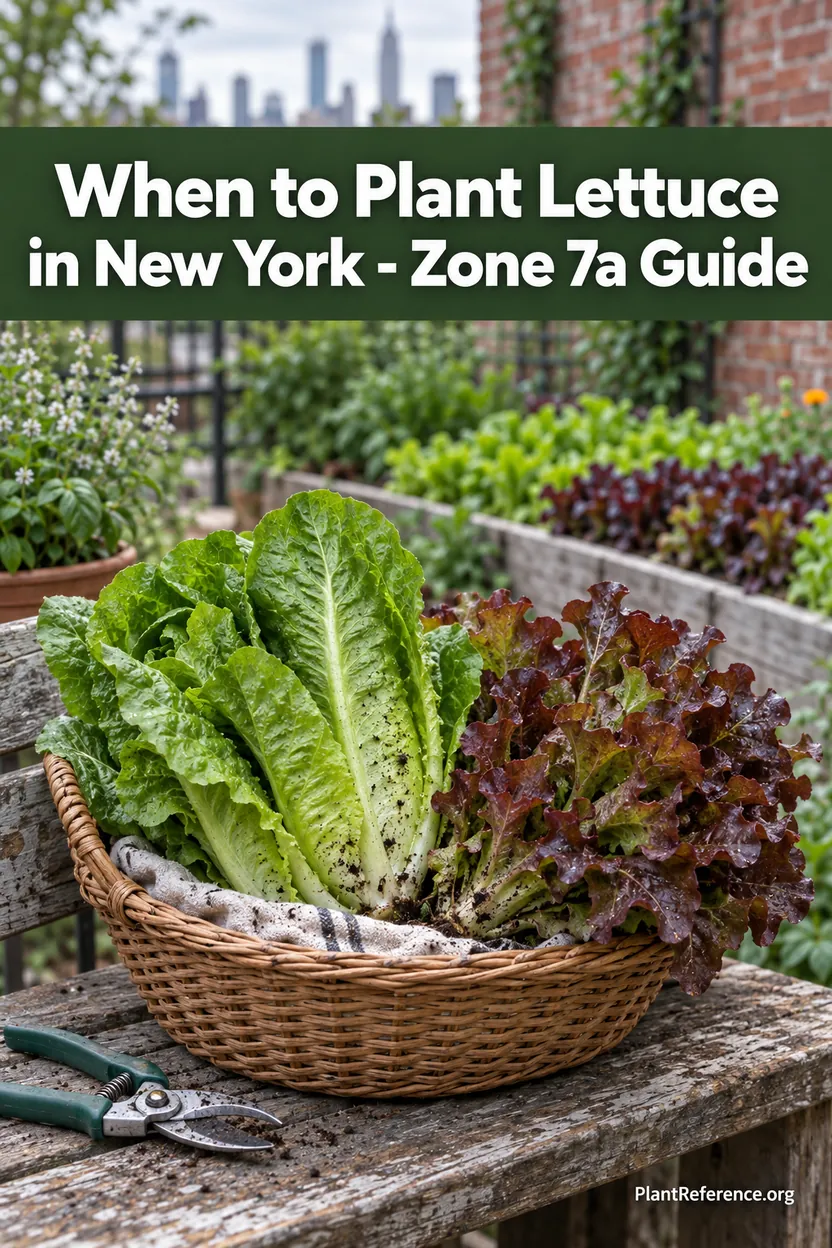
When to Plant Lettuce in New York: Zone 7a Dates + Varieties
Pets & Toxicity
Recorded toxicity for plants linked in this guide. An unknown status is not a safety assessment.
Lactuca sativa 'Parris Island Cos' — Toxicity
Non-toxicView Lactuca sativa 'Parris Island Cos' plant profile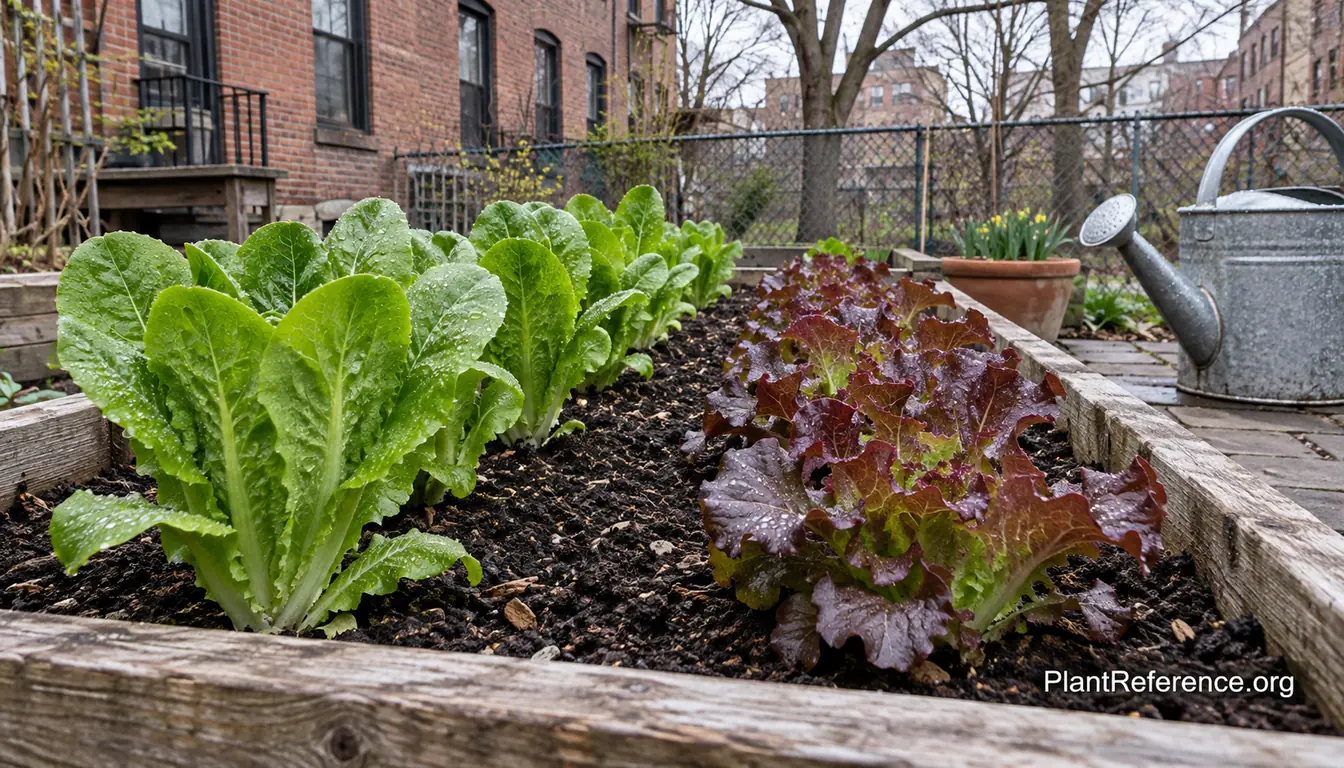
— Image © PlantReference.org 2026
Knowing when to plant lettuce in New York comes down to one rule I learned over 28 years working city plantings: lettuce is a cool-season crop, so you plant it on the shoulders of the year and stay out of the summer. New York's Zone 7a spring and fall are long and forgiving for greens, but our humid July and August will bolt a lettuce bed in a week. Get the timing right and lettuce is about the easiest, most productive thing you can grow here.
Best Lettuce Varieties for New York's Zone 7a Climate
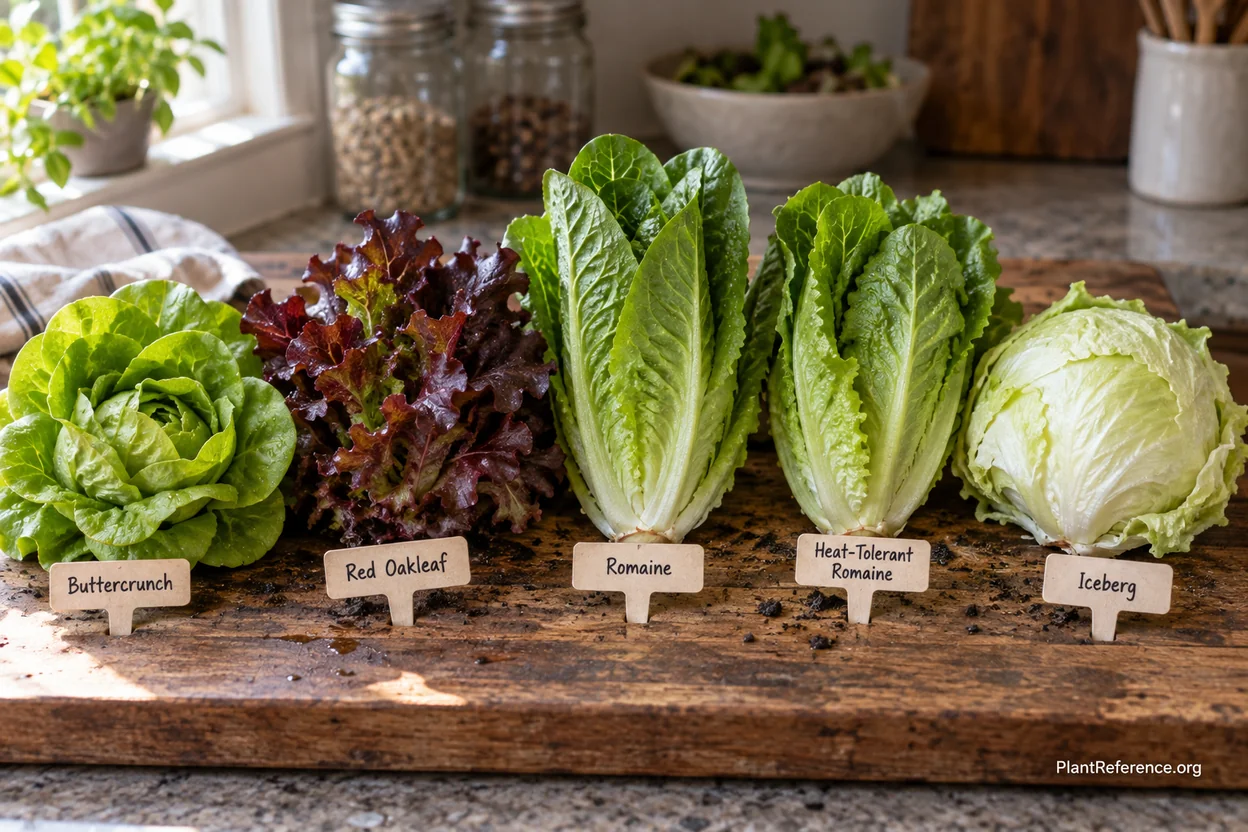
New York gardeners want lettuce that germinates in cool soil, tolerates a humid stretch, and resists bolting as spring days get longer. Lactuca sativa (lak-TOO-kuh sa-TEE-vuh) comes in several types, and after planting plenty of them over the years, my advice is simple: don't bet on one variety. Plant two or three and let the toughest ones carry the crop.
🌿Lactuca sativa 'Buttercrunch' is the variety I recommend first to anyone in the five boroughs. It's a butterhead bred at Cornell, an All-America Selection winner, and it holds sweet flavor and resists bolting better than most. It's proven, it's durable, and it doesn't need babying—exactly what I look for.
For looseleaf, 🌿Lactuca sativa 'Red Oak Leaf' matures in 45 to 55 days and colors up a deep burgundy in New York's cool weather. It's a cut-and-come-again type, so you harvest outer leaves and the plant keeps feeding you. It also resists tipburn better than the heading types, which matters in our humid summers.
🌿Lactuca sativa 'Parris Island Cos' is my romaine of choice. The upright habit moves air through the plant—important when New York humidity sits on a garden—and once acclimated it takes frost down to about 28°F (-2°C). That toughness makes it the best candidate for fall and overwintering under a low tunnel. For a spring crop that needs to push later into warm weather, 🌿Lactuca sativa 'Jericho' is a romaine bred in a hot climate to resist bolting.
If you want a crisphead, Lactuca sativa 'Great Lakes 659' is a durable iceberg, but I'll tell you straight: iceberg is the most demanding lettuce you can grow here. It needs a long cool run and does best as a fall crop maturing into the cooling days of October. When to Plant Lettuce in Philadelphia: Complete Guide + Best Varieties for Zone 7a
Variety | Days to Maturity | Type | Notes for New York |
|---|---|---|---|
55-65 days | Butterhead | Best all-around; proven bolt resistance for Zone 7a | |
45-55 days | Looseleaf | Fastest; cut-and-come-again, low tipburn risk | |
70-80 days | Romaine | Cold-hardy to 28°F; best for fall and overwintering | |
55-60 days | Romaine | Heat-bred; holds longer before bolting in late spring | |
Lactuca sativa 'Great Lakes 659' | 80-90 days | Crisphead | Demanding; reserve for the fall crop into cool weather |
Specific Planting Dates for New York
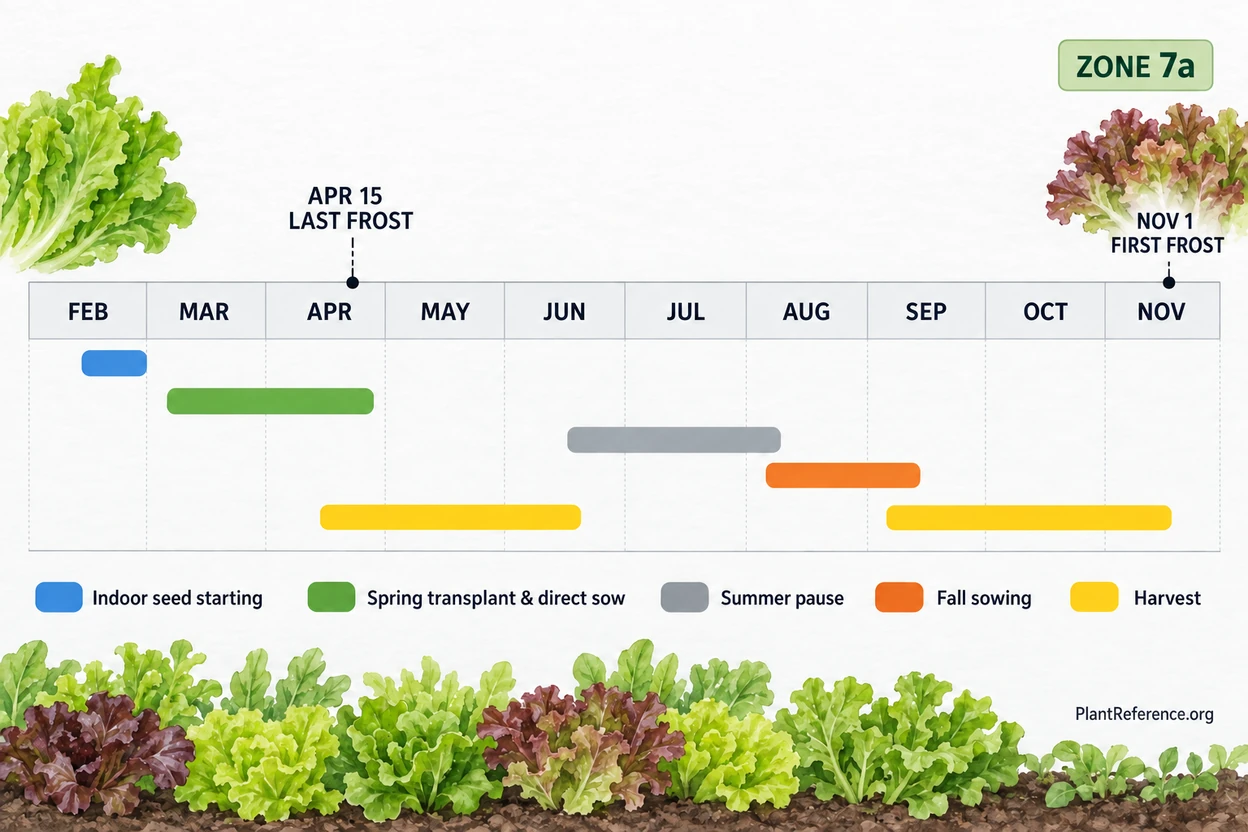
New York's April 15 average last frost and November 1 first frost give us a 200-day frost-free season—one of the longer windows in the Northeast. But lettuce works on heat, not frost dates. It shrugs off light frost, so we plant it well before the last frost and aim to harvest before summer heat shuts it down. When to Plant Carrots in New York: Zone 7a Dates + Best Varieties
Indoor Seed Starting
Start lettuce seeds indoors in late February (February 20-March 5) for your earliest spring transplants. Lettuce needs only 3-4 weeks indoors—far less than warm-season crops. Surface-sow and barely cover the seeds, since lettuce needs light to germinate, and hold the mix around 60-70°F (15-21°C). Expect seedlings in 5-10 days.
Don't jump the gun and start in January. Lettuce seedlings get leggy and root-bound quickly, and a stressed transplant bolts sooner once it's in the ground.
Transplanting Outdoors
Set hardened-off seedlings out March 18-April 1, two to four weeks ahead of our last frost. Acclimated lettuce handles temperatures down to 28°F (-2°C), so a late-March cold snap rarely hurts it. Harden seedlings over 7 days, plant them, and water them in. Soil reading 40°F (4°C) or warmer at a 2-inch (5 cm) depth is plenty for lettuce. When to Plant Cucumbers in New York: Complete Guide + Best Varieties for Zone 7a
Direct Sowing
Direct sow from mid-March through late April once soil hits 40°F (4°C). Sow seeds 1/4 inch (0.5 cm) deep, then thin looseleaf to 6 inches (15 cm) and heading types to 8-10 inches (20-25 cm). Direct-sown lettuce skips transplant shock and tends to grow vigorously in New York's cool spring soil. When to Plant Green Beans in New York: Complete Guide + Best Varieties for Zone 7a
Succession Planting and the Summer Pause
For a steady supply, sow a short row of looseleaf or 🌿Lactuca sativa 'Buttercrunch' every 10-14 days from mid-March through May. When mid-June arrives and daytime highs settle above 85°F (29°C), stop sowing. Outdoor germination falls off, and what does sprout turns bitter and bolts in New York's humid heat. Give that bed over to a warm-season crop until late summer. When to Plant Basil in New York: Complete Guide + Best Varieties for Zone 7a
Fall Planting
Fall is New York's strongest lettuce season, and our long Zone 7a autumn makes the most of it. Start seeds indoors in late July, or direct sow from August into early September using shade to cool the soil, then transplant out in late August. As plants mature into the cooling days of September and October, bolting stops and the leaves sweeten. A light frost actually improves flavor. With a low tunnel or row cover, cold-hardy romaine carries you well into November and can overwinter for an early-spring cut. When to Plant Kale in New York: Complete Guide + Best Varieties for Zone 7a
Key Date Summary
Indoor seed start (spring): February 20 - March 5
Transplant outdoors: March 18 - April 1 (soil 40°F/4°C or warmer)
Spring direct sow: mid-March through late April
Summer pause: mid-June through early August
Fall indoor start: late July; fall sow outdoors: August - early September
Fall harvest: September through November, extended with low tunnels
Complete Growing Guide for New York
Site Selection and Soil Preparation
Lettuce wants 4-6 hours of sun in New York, and in the warmest weeks a spot with afternoon shade is an advantage, not a problem. In a tight city garden, the shadow of a fence, wall, or taller crop in the afternoon keeps soil cooler and holds off bolting.
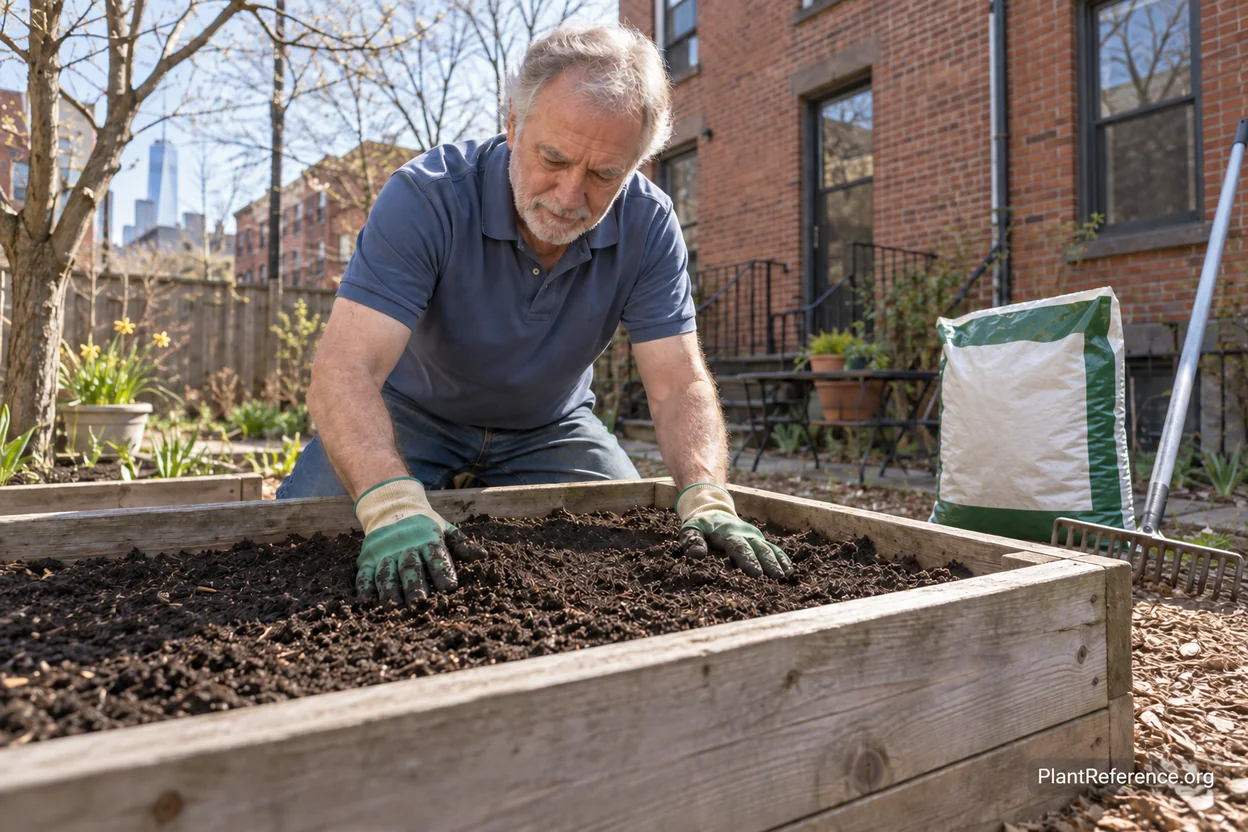
Lettuce roots are shallow and fibrous, so the top few inches of soil do the work. Mix in 2-3 inches (5-8 cm) of finished compost before planting. Best Soil for Raised Beds: 6 Commercial Mixes Tested and Compared A lot of New York ground is compacted urban fill or heavy clay that drains poorly, and lettuce hates wet feet. A raised bed fixes drainage fast and warms sooner in spring—it's the most durable solution I know. How to Build a Raised Garden Bed: Step-by-Step Construction Guide Target a soil pH of 6.0-6.8 and test before amending. Raised Bed Soil pH Problems: Testing, Adjusting, and Maintaining Balance
Watering for Steady, Sweet Growth
Consistent moisture is everything with lettuce. Those shallow roots dry out fast, and uneven watering brings on both bitterness and tipburn. Give beds 1-1.5 inches (2.5-3.8 cm) of water a week, more in warm spells, delivered at soil level. Drip or a soaker hose beats overhead watering—it keeps the leaves dry and cuts disease. Raised Bed Irrigation Systems: Watering Solutions for Consistent Growth Water in the morning so the surface dries by nightfall; wet ground after dark just feeds the slugs.
Mulch and Root-Zone Cooling
A light straw mulch around the plants holds moisture and cools the root zone. Cooler roots delay the trigger that sends lettuce into bolting, and in late spring that can buy you an extra week or two from a planting that would otherwise quit. Mulch also keeps soil from splashing onto the low leaves during New York's summer downpours, which cuts down on disease.
Shade Cloth for the Warm Shoulder
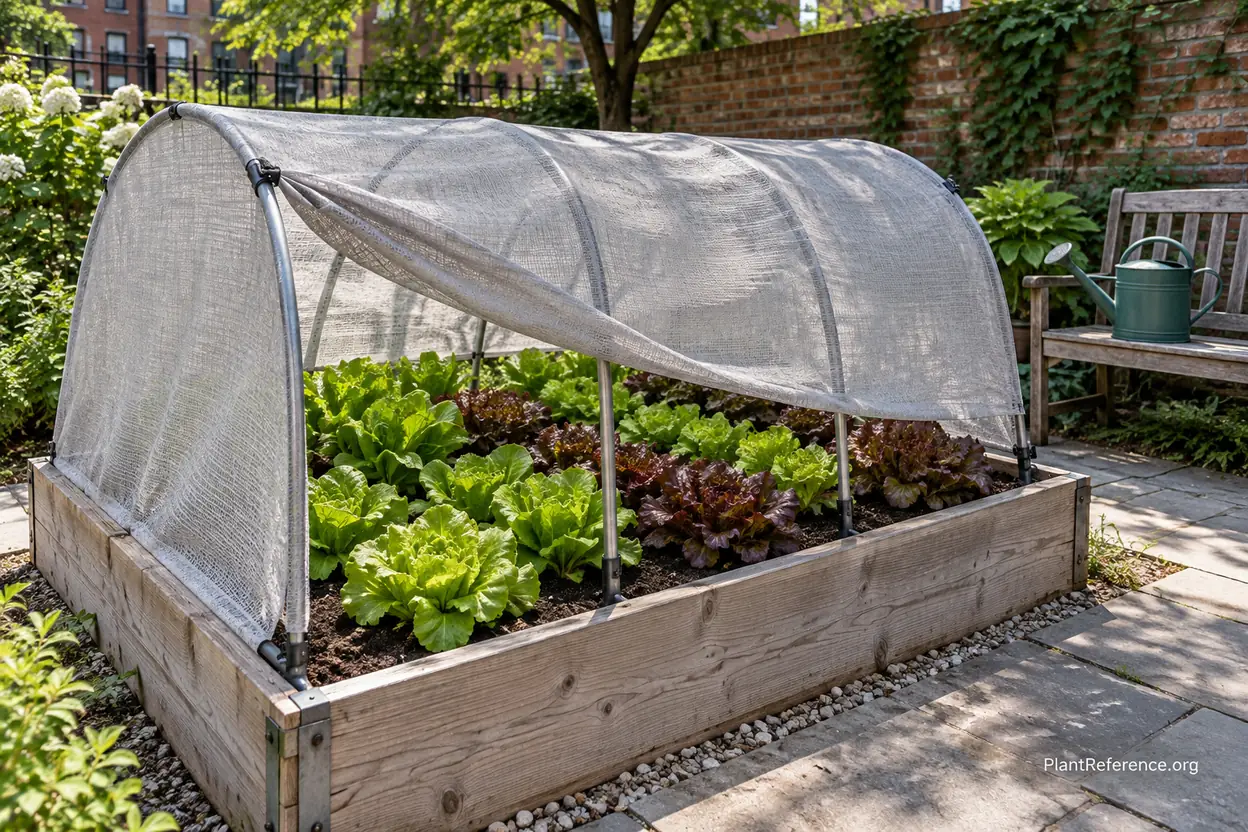
When late May and June heat up, 30-40% shade cloth over the bed is the most effective way to stretch the spring harvest. It drops the canopy temperature and cuts the solar load that drives bolting. Run it over simple hoops and you'll keep 🌿Lactuca sativa 'Buttercrunch' and 🌿Lactuca sativa 'Parris Island Cos' producing while unprotected plants throw flower stalks. Raised Bed Too Hot in Summer: Protecting Plants from Heat Stress
Feeding
Lettuce is a leaf crop, so it likes steady nitrogen—but don't overdo it. Work a balanced organic fertilizer in at planting, then feed with diluted fish emulsion or compost tea every 2-3 weeks. Heavy nitrogen pushes force fast growth spurts that actually make tipburn worse, so easy and steady wins here. Nutrient Deficiencies in Raised Beds: Visual Diagnosis and Treatment
Troubleshooting New York-Specific Problems
Bolting in Early-Summer Heat
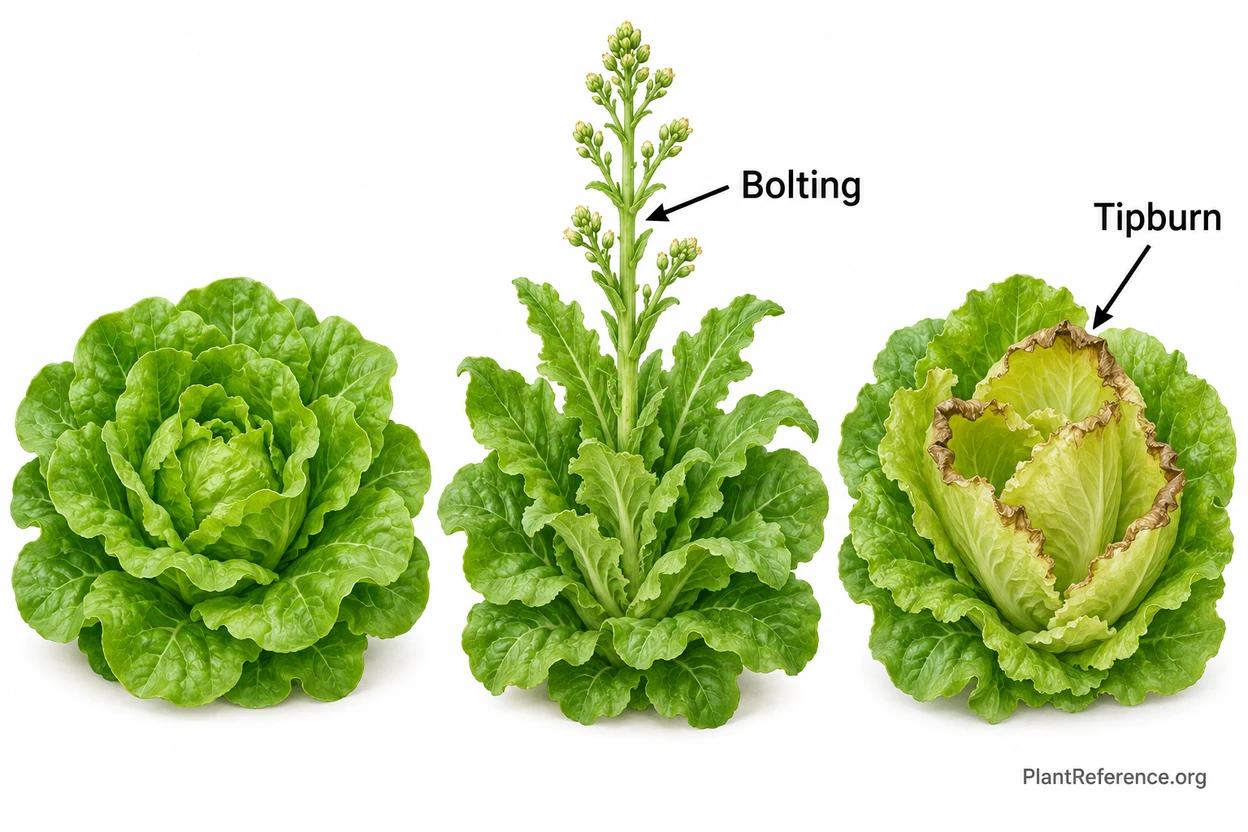
Bolting is the most common lettuce complaint I hear in New York. When temperatures hold above 80°F (27°C) and the days stretch toward the solstice, lettuce switches to flowering, the central stalk shoots up, and the leaves go bitter. You can't fight the calendar, but you can slow the trigger: plant bolt-resistant varieties like 🌿Lactuca sativa 'Buttercrunch' and 🌿Lactuca sativa 'Jericho', mulch to cool the roots, water consistently, and shade the bed in warm stretches. Once a plant bolts, cut it and move on—it won't recover.
Tipburn on Inner Leaves
Tipburn appears as brown, dead margins on the young inner leaves, and it's worst on heading types like Lactuca sativa 'Great Lakes 659'. It's not a soil deficiency—it's a calcium-transport failure caused by uneven watering or rapid growth in humid air. The fix is steady soil moisture so calcium keeps moving with the water, plus going easy on nitrogen. Looseleaf types like 🌿Lactuca sativa 'Red Oak Leaf' rarely show it.
Slugs in Humid, Wet Weather
Slugs thrive in New York's damp spring and fall, and they'll shred a lettuce bed overnight. They feed after dark and hide under debris by day. Water in the morning so the surface is dry by nightfall, clear hiding spots near the stems, and ring plants with diatomaceous earth or copper tape. Iron-phosphate baits like Sluggo are safe around pets and wildlife and outperform the old metaldehyde products. Raised Bed Pest Problems: Identification and Organic Control Methods
Poor Germination in Warm Soil
Sowing for fall in August means fighting hot soil, which can lock lettuce seed into thermodormancy so it won't sprout. Cool the soil by laying a board over the sown row until seedlings appear, or start seeds indoors where it's cooler and transplant out. Chilling seed on a damp paper towel in the refrigerator for a few days before sowing also breaks the dormancy. Best Raised Bed Vegetables for Beginners: Top 10 Easy-Growing Crops
Harvest & Storage
Start cutting as soon as leaves are big enough to use—you don't have to wait for a full head. For looseleaf like 🌿Lactuca sativa 'Red Oak Leaf', take the outer leaves and let the center keep growing; that cut-and-come-again habit stretches one planting for weeks. Harvest 🌿Lactuca sativa 'Buttercrunch' and 🌿Lactuca sativa 'Parris Island Cos' as whole heads once they firm up, cutting cleanly at the base. Raised Bed Vegetable Garden Layout: Planning for Maximum Production
Cut in the cool of early morning when the leaves are crisp and full of water. Lettuce picked in afternoon heat wilts fast and won't keep. If a plant starts to bolt, harvest it right away, before the bitterness sets in.
To store, rinse the leaves, spin or pat them dry, and keep them loosely wrapped in a damp towel in the crisper drawer. Most lettuce holds 7-10 days; Lactuca sativa 'Great Lakes 659' iceberg keeps the longest thanks to its dense head. Don't store lettuce next to apples or tomatoes—the ethylene gas they release triggers brown spotting on the leaves. When to Plant Lettuce in Boston: Complete Guide + Best Varieties for Zone 6b
Frequently Asked Questions
Reading about plants and recognising them are different skills. These three build the second.
- Daily PlantIdentify the day’s mystery plant from a close-up photograph.
- Keyed OutWork a dichotomous key, lead by lead, to name a hidden specimen.
- Name That PlantName a specimen from botanical clues dealt hardest first.
Free to play, no account needed
Tagged with
Frank retired from the city parks department after 28 years, the last fifteen as a grounds supervisor overseeing park plantings and maintenance crews. He now spends his time volunteering at a local historic garden, maintaining his own half-acre property in the Roxborough neighborhood, and writing about landscape maintenance, seasonal timing, and the practical side of keeping plants healthy through Mid-Atlantic winters and humid summers. Frank knows what works at scale and what's a waste of time—he's planted thousands of trees and shrubs and watched plenty of them fail. His advice tends toward what's proven and durable rather than what's trendy.