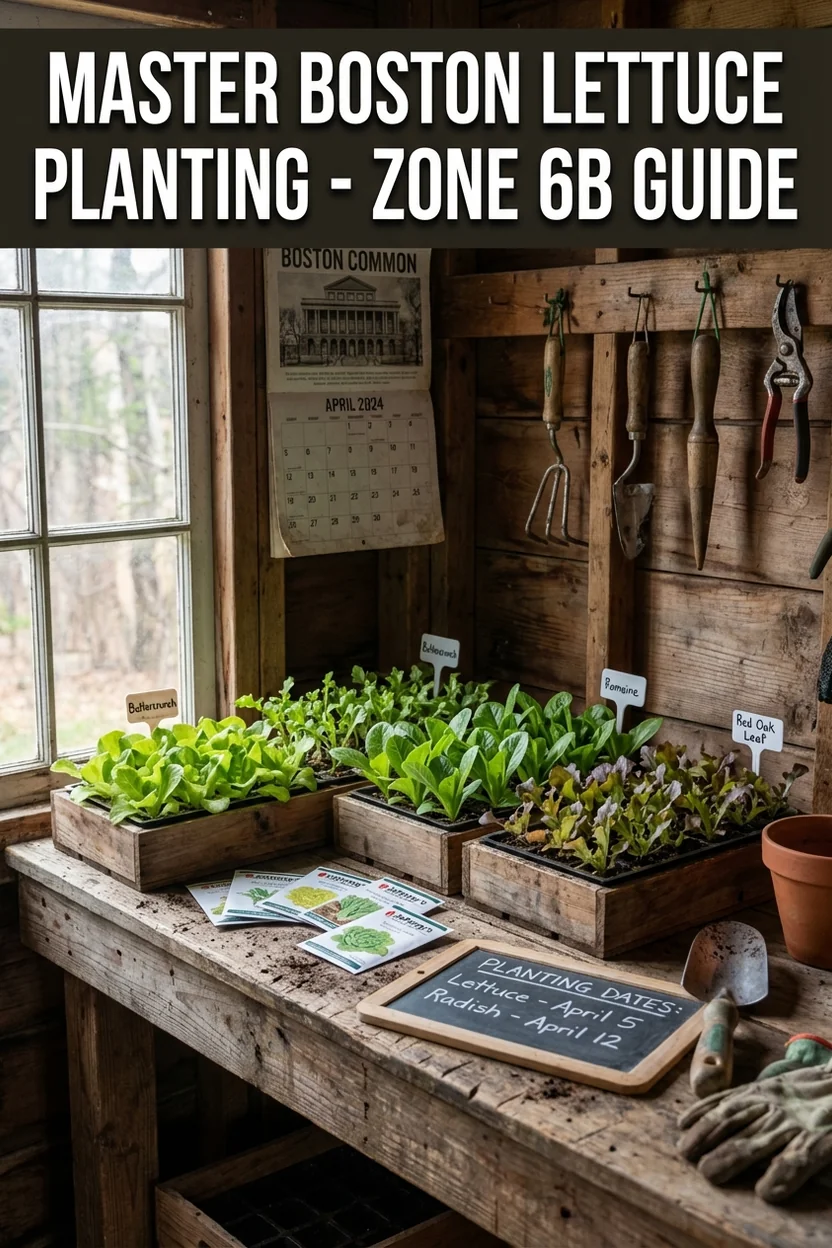
When to Plant Lettuce in Boston: Complete Guide + Best Varieties for Zone 6b
Pets & Toxicity
Recorded toxicity for plants linked in this guide. An unknown status is not a safety assessment.
No linked plant is recorded as toxicDetailsHide
— Image © Plant Reference 2026
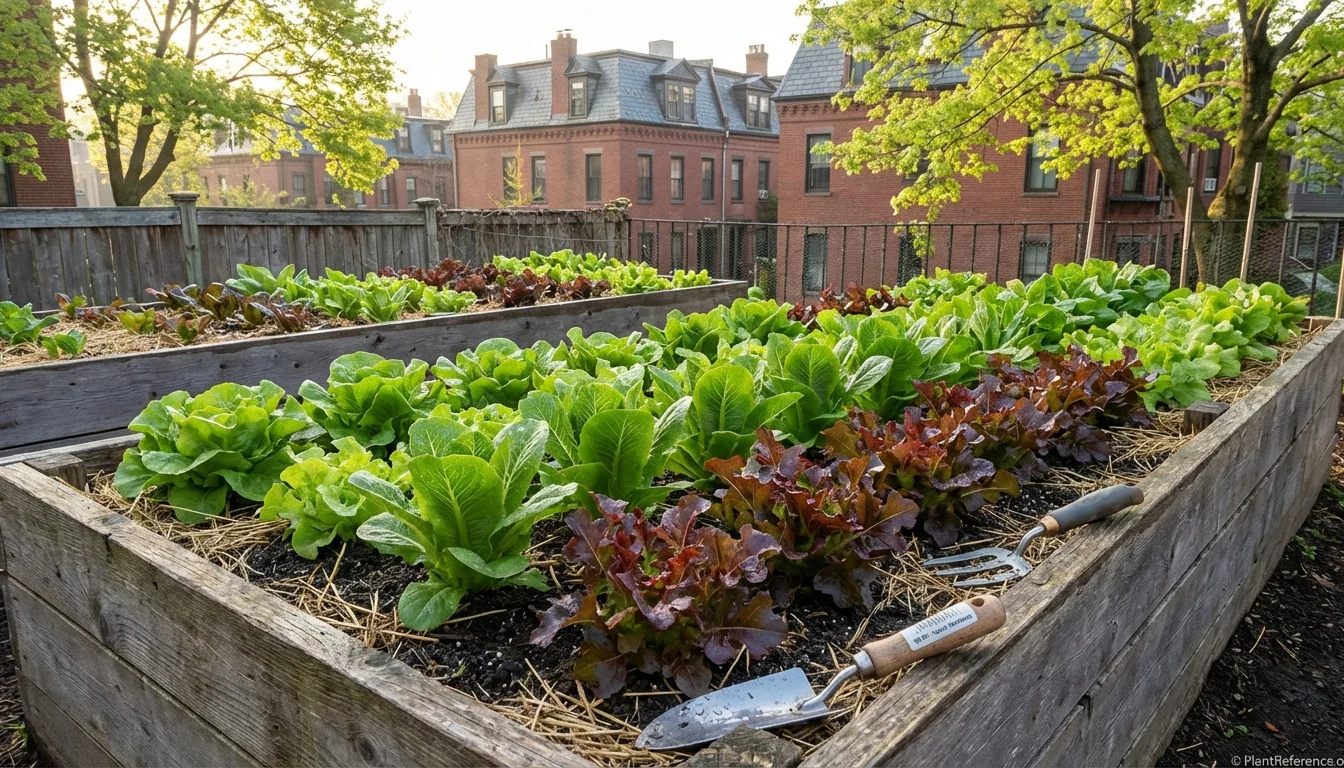
Growing lettuce in Boston means working with Zone 6b's distinct seasons and unpredictable spring weather. After forty years of vegetable gardening, I can tell you that timing is everything when it comes to lettuce in New England.
Boston's 183-day growing season from April 19 to October 19 provides excellent opportunities for both spring and fall lettuce crops. The key to success lies in understanding that lettuce 🌿Lactuca sativa 'Romaine' performs best in cool temperatures between 60-65°F, making it ideal for Boston's shoulder seasons while avoiding the hot summer months that trigger bolting.
Best Lettuce Varieties for Boston's Climate
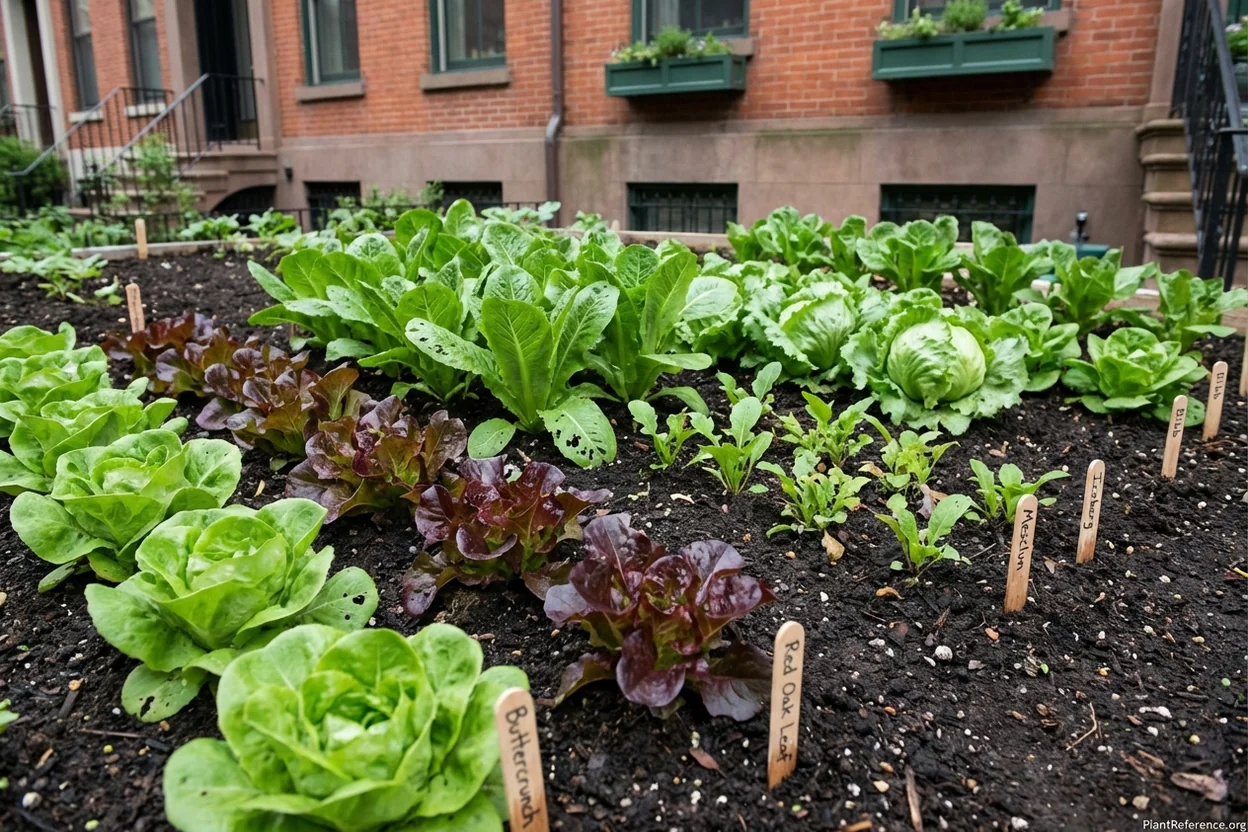
Boston gardeners need varieties that can handle sudden temperature swings and occasional late frosts. After testing dozens of varieties in New England gardens, these six consistently deliver the best results.
Variety | Days to Maturity | Best For Boston | Notes for Zone 6b |
|---|---|---|---|
55-65 days | Spring reliability | Excellent cold tolerance, handles late frosts | |
45-55 days | Quick harvests | Cut-and-come-again method extends season | |
70-80 days | Fall quality | Superior in cooling autumn temperatures | |
30-40 days | Succession planting | Harvest before heat stress occurs | |
80-90 days | Fall challenge crop | Requires precise timing for Boston climate | |
55-65 days | Protected growing | Best under row covers or cold frames |
🌿Lactuca sativa 'Buttercrunch' stands out as the most reliable variety for Boston gardens. This All-America Selection winner handles temperature fluctuations better than traditional butterhead types and maintains quality even during Boston's notorious late-season cold snaps.
🌿Lactuca sativa 'Red Oak Leaf' provides the fastest returns in our short seasons. The deeply lobed leaves develop beautiful burgundy coloration in Boston's cool fall weather, and the cut-and-come-again harvesting method allows continuous production from a single planting.
🌿Lactuca sativa 'Romaine' reaches peak quality during Boston's fall growing season. The upright growth habit promotes excellent air circulation, reducing disease pressure during humid New England autumns.
For continuous harvests, 🌿Lactuca sativa 'Mesclun Mix' offers unmatched flexibility. Plant every two weeks from early April through September for constant baby greens, harvesting before plants experience stress.
Specific Planting Dates for Boston
Boston's Zone 6b climate allows for strategic spring and fall plantings, with timing calculated precisely around the April 19 last frost date and October 19 first frost date.
Spring Planting Schedule
Indoor Seed Starting:
March 1-15: Start 🌿Lactuca sativa 'Romaine' and 🌿Lactuca sativa 'Iceberg' indoors (need longest season)
March 15-30: Start 🌿Lactuca sativa 'Buttercrunch' and 🌿Lactuca sativa 'Bibb' indoors
April 1-15: Start final indoor succession of all varieties
Direct Sowing:
April 5-12: First outdoor seeding of 🌿Lactuca sativa 'Mesclun Mix' and 🌿Lactuca sativa 'Red Oak Leaf' (soil temperature 40°F minimum)
April 15-30: Main spring planting window for all varieties
May 1-15: Final spring succession (harvest before summer heat)
Transplanting:
April 15-25: Transplant indoor-started seedlings after hardening off for 7 days
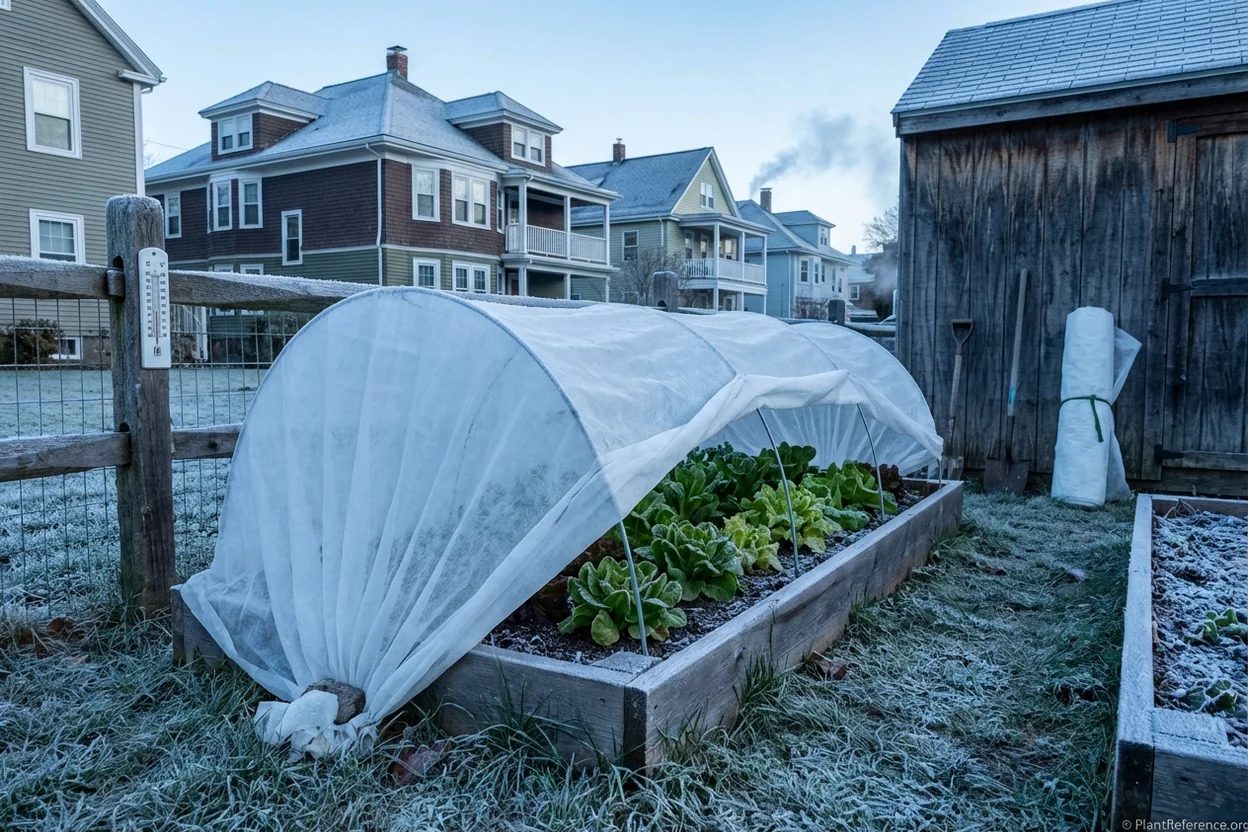
Use row covers if nighttime temperatures drop below 32°F
Fall Planting Schedule
Fall plantings consistently produce superior lettuce quality in Boston's cooling temperatures.
August Plantings:
August 15-22: Start 🌿Lactuca sativa 'Iceberg' and 🌿Lactuca sativa 'Romaine' for October harvest
August 20-30: Plant 🌿Lactuca sativa 'Buttercrunch' for late September harvest
September Plantings:
September 1-10: Final 🌿Lactuca sativa 'Red Oak Leaf' and 🌿Lactuca sativa 'Mesclun Mix' plantings
September 15-30: Last succession for harvest before first frost October 19
Calculate backwards from October 19 first frost date: plant 70 days earlier for 🌿Lactuca sativa 'Romaine' (August 10), 55 days for 🌿Lactuca sativa 'Buttercrunch' (August 25), and 45 days for 🌿Lactuca sativa 'Red Oak Leaf' (September 4).
Complete Growing Guide for Boston
Boston's maritime-influenced climate creates unique growing conditions that require specific management strategies.
Soil Preparation for New England Conditions
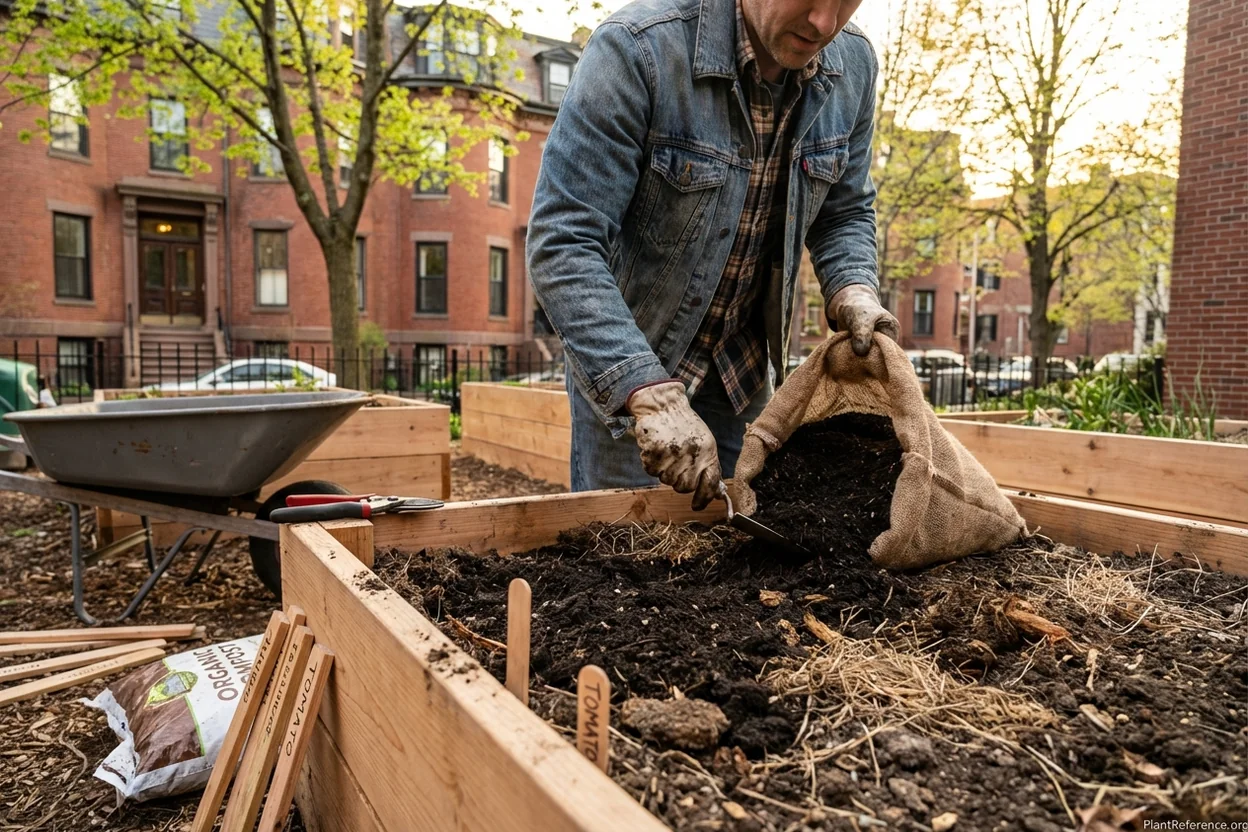
Boston's heavy clay soils need amendment for successful lettuce production. Work in 2-3 inches (5-7 cm) of compost and coarse sand to improve drainage—waterlogged roots spell disaster for lettuce during Boston's wet springs.
Raised beds warm faster than ground-level plantings, providing a 1-2 week advantage in Boston's short seasons. Build beds 6-8 inches (15-20 cm) high using cedar or composite materials to handle New England's freeze-thaw cycles.
Planting Techniques for Boston Climate
Succession Planting Strategy: Plant small amounts every 14 days rather than large single plantings. This provides continuous harvests and reduces risk from Boston's unpredictable weather events.
Row Cover Usage: Keep lightweight row covers handy for protection during Boston's late cold snaps. Even established lettuce can suffer damage when temperatures drop below 28°F (-2°C), which can occur through early May.
Watering Management: Boston receives approximately 43 inches of annual rainfall, but spring and early summer can have dry periods. Maintain consistent soil moisture through drip irrigation or soaker hoses—overhead watering encourages fungal diseases in New England's humid conditions.
Heat Protection During Boston Summers
While Boston stays cooler than many regions, temperatures above 80°F still trigger bolting. During heat waves:
Use 30% shade cloth over lettuce beds from late June through August. Position taller crops like tomatoes or trellised beans to provide natural shade for lettuce plantings.
Morning watering allows soil to moderate temperature throughout the day. Evening watering can create humid conditions that encourage slug activity—a significant problem in Boston's climate.
Troubleshooting Boston-Specific Problems
Boston gardeners face unique challenges due to the region's maritime climate, heavy soils, and variable spring weather.
Late Frost Damage
Boston's average last frost of April 19 can vary by 2-3 weeks in either direction. Protect emerging lettuce with:
Row Covers: Lightweight fabric adds 2-4 degrees of protection Cold Frames: Provide consistent microclimate control Wall of Water: Surround individual transplants for maximum protection
If frost damage occurs, trim damaged outer leaves immediately. 🌿Lactuca sativa 'Buttercrunch' and 🌿Lactuca sativa 'Red Oak Leaf' recover quickly from minor frost injury.
Slug Management in Humid Conditions
Boston's humid springs create ideal conditions for slugs, which can destroy lettuce plantings overnight.
Cultural Controls:
Water early morning instead of evening to dry surface before nightfall
Remove debris and hiding spots around lettuce beds
Install copper strip barriers around raised beds
Organic Control: Iron phosphate baits (Sluggo) work effectively in Boston's moist conditions without harm to pets or wildlife. Apply around bed perimeters before slug activity peaks in May and September.
Downy Mildew Prevention
Boston's combination of cool, humid weather creates perfect conditions for downy mildew on lettuce. Prevention strategies:
Air Circulation: Space plants according to package directions—overcrowding invites disease Drip Irrigation: Keep foliage dry during watering Variety Selection: 🌿Lactuca sativa 'Red Oak Leaf' shows better resistance than heading types
Clay Soil Drainage Issues
Boston's heavy clay soils retain water, leading to root rot during wet periods. Combat this by:
Permanent Raised Beds: Elevate planting surface 6-8 inches Organic Matter: Add compost annually to improve soil structure Coarse Sand: Mix builders sand (not fine sand) to improve drainage
Harvest & Storage
Boston's climate provides extended harvest windows when properly managed.
Optimal Harvest Timing
Harvest lettuce during cool parts of the day—early morning provides the crispest texture. In Boston's variable spring weather, harvest immediately when heads reach full size; waiting risks quality loss during sudden warm spells.
🌿Lactuca sativa 'Mesclun Mix':** Cut when leaves reach 3-4 inches (7-10 cm), allowing regrowth for second harvest 🌿Lactuca sativa 'Red Oak Leaf':** Harvest outer leaves continuously or cut entire plant at soil level 🌿Lactuca sativa 'Buttercrunch' and 🌿Lactuca sativa 'Bibb':** Harvest whole heads when hearts feel firm 🌿Lactuca sativa 'Romaine':** Cut when heads reach 6-8 inches (15-20 cm) tall 🌿Lactuca sativa 'Iceberg':** Harvest when heads feel solid and firm
Storage for Maximum Freshness
Boston's cool fall weather allows for extended field storage—leave mature plants in the garden until needed, protecting with row covers when temperatures approach 25°F (-4°C).
For harvested lettuce, wash immediately in cold water, dry thoroughly using salad spinner, and store in perforated plastic bags in the refrigerator. Properly handled Boston-grown fall lettuce stores for 10-14 days.
Frequently Asked Questions
Reading about plants and recognising them are different skills. These three build the second.
- Daily PlantIdentify the day’s mystery plant from a close-up photograph.
- Keyed OutWork a dichotomous key, lead by lead, to name a hidden specimen.
- Name That PlantName a specimen from botanical clues dealt hardest first.
Free to play, no account needed
Dot grew up on a small farm in rural Virginia and has maintained a vegetable garden for decades. After retiring from teaching elementary school, she became a Master Gardener volunteer and spends her time mentoring new gardeners at community garden plots in Richmond. She's especially knowledgeable about heirloom varieties, seed saving, and traditional growing methods passed down from her grandmother. Dot's no-nonsense advice comes from extensive trial and error—she's seen every tomato disease, pest problem, and weather disaster imaginable. Her biggest pet peeve is gardeners who overcomplicate simple tasks. "Plants want to grow," she often says. "Your job is to not get in their way."