Lactuca, Genus, sativa, Species, 'Romaine', Cultivar,
- Genus & species
- Cultivar
romaine lettuce
Cultivar group of garden origin (species derived from Lactuca serriola, native to Mediterranean/Middle East)
Overview
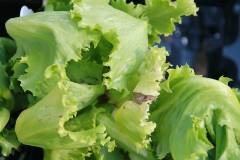
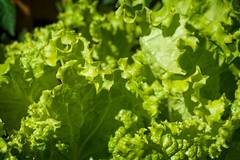
Lactuca sativa 'Romaine' is an upright, elongated-head annual in the daisy family (Asteraceae) reaching 10–16 inches (25–40 cm) tall with an 8–12 inch (20–30 cm) spread. This cultivar type produces a tall, cylindrical, loosely folded head of elongated leaves rather than the rounded heads of iceberg or the loose rosettes of leaf lettuce. Outer leaves are dark green, 8–12 inches (20–25 cm) long, with thick, crunchy, white midribs that provide the characteristic crisp texture. Inner leaves are pale yellow-green, more tightly folded. Milky latex (containing lactucarium, a mild sedative compound) exudes from cut stems — a trait shared with all Lactuca. The upright, elongated head shape and prominent crunchy midrib distinguish romaine from all other lettuce types. Bolts in response to heat above 80°F (27°C) and long day lengths above 14 hours. In the Pacific Northwest, the cool maritime climate extends the growing season compared to warmer inland regions. Open-pollinated romaine types are used in seed-saving education — Lactuca sativa is primarily self-pollinating with minimal isolation requirements.
Native Range
Lactuca sativa was domesticated from L. serriola (prickly lettuce) in the Middle East approximately 4,500 years ago. Romaine (cos) lettuce originated in the eastern Mediterranean, likely Egypt or Greece. The name 'cos' refers to the Greek island of Kos.Suggested Uses
Planted in vegetable gardens, salad gardens, raised beds, and containers (3+ gallon). The standard lettuce for Caesar salad and grilled lettuce preparations. The thick midribs hold dressings and provide crunch. Container-grown on balconies and patios. The self-pollinating habit and open-pollinated seed availability make romaine a primary seed-saving teaching lettuce — easier than cross-pollinating crops like beet or brassicas.How to Identify
Appearance
Size & Dimensions
Height10" - 1'4"
Width/Spread8" - 1'
Bloom Information
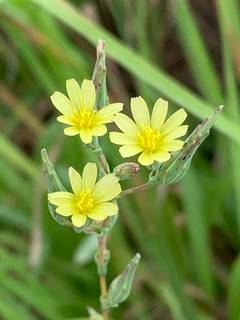
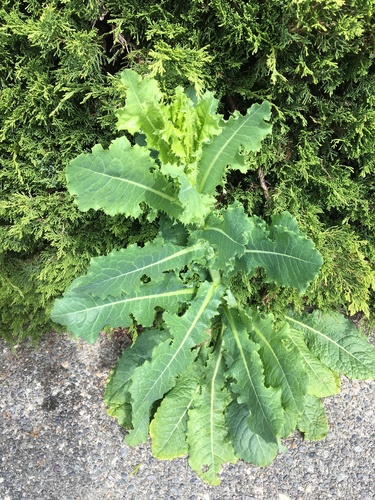
Bolts in response to heat above 80°F (27°C) and day lengths above 14 hours. The seed stalk elongates rapidly from the center of the head, reaching 36–48 inches (90–120 cm). Flowers are small, yellow, all-ligulate (typical Asteraceae-Cichorieae). Primarily self-pollinating; isolation of 10–25 feet (3–8 m) is sufficient for seed purity. Seeds mature 2–3 weeks after flowering.
Detailed Descriptions
Flower Description
Yellow (if allowed to bolt)Foliage Description
Medium to dark green, elongated, upright, with a thick, crunchy white midrib; outer leaves darker, inner leaves pale yellow-greenGrowing Conditions
Sun Requirements
Requires 3-8 hours of direct sunlight daily
• Full Sun: 6+ hours of direct sunlight
• Partial Shade: 3-6 hours of direct sunlight
• Full Shade: Less than 3 hours of direct sunlight
Care & Maintenance
Care Guide
Start seeds indoors 4 weeks before the last frost or direct sow 3–4 weeks before the last frost, 0.25 inch (6 mm) deep. Space 10 inches (25 cm) apart. Successive sowings every 2 weeks extend harvest. In the Pacific Northwest, sow from March through May for spring/summer harvest, and August–September for fall harvest. Consistent moisture prevents bitterness and premature bolting. Partial shade in warm weather extends the harvest. Harvest full heads at 60–75 days by cutting at the base, or harvest outer leaves progressively for cut-and-come-again use. The thick midribs are the primary texture component — harvest before bolting for the crispest, mildest leaves.Pruning
Harvest outer leaves at the base for cut-and-come-again use, or harvest the entire head by cutting at the soil line. Remove bolting stems promptly — once bolting begins, leaves become bitter due to increased lactucarium concentration.Container Growing
Suitable for container growing
Minimum container size: 3 gallons
Toxicity
Non-toxicPlanting Guide
Planting Methods & Timing
Planting Method
both
Indoor Start
4 weeks before last frost
Direct Sow Timing
3-4 weeks before last frost; successive sowings every 2 weeks through spring; resume in late summer
Days to Maturity
60–75 days
Plant Spacing
10 inches