Lactuca, Genus, sativa, Species, 'Buttercrunch', Cultivar,
- Genus & species
- Cultivar
buttercrunch lettuce
Cultivar developed in the United States and introduced in 1963 as an All-America Selections (AAS) winner; the species {L. sativa} is domesticated from {L. serriola} (prickly lettuce), native to the Mediterranean and western Asia, where the wild ancestor carries bitter compounds that 2,000+ years of cultivation have bred out of the domesticated lettuce gene pool; Buttercrunch ranks among the more widely cultivated butterhead (bibb) types in North American home vegetable gardens since the 1963 introduction
Overview
Lactuca sativa 'Buttercrunch' is a compact cool-season annual in the daisy family (Asteraceae) forming a loose rosette head 6-8 inches (15-20 cm) tall and wide. Thick buttery-textured medium green outer leaves transition to pale yellow-green inner leaves. The cultivar is a butterhead (bibb) type with a mild sweet flavor and was introduced in 1963 as an All-America Selections (AAS) winner, and has since held a stable place among the more widely grown butterhead cultivars in North American home vegetable gardens. Cool-season crop: plants bolt (send up a bitter flower stalk) when temperatures exceed 75°F (24°C) for extended periods. Sow in early spring (2-4 weeks before last frost) and again in late summer for a fall harvest. Tolerates light frost to 28°F (-2°C). Harvest the entire head at 55-65 days, or use cut-and-come-again on outer leaves starting at 30-35 days. The genus name Lactuca (Latin: milk) references the milky latex sap that exudes from cut stems. Slugs, aphids, and rabbits are the primary pests. Direct-sow or start indoors 4 weeks early. Not deer-resistant. Non-toxic (edible crop). Full sun to partial shade. Annual. Growth rate is fast.
Native Range
Cultivar developed in the United States and introduced in 1963 as an All-America Selections (AAS) winner. The species L. sativa is domesticated from L. serriola (prickly lettuce), native to the Mediterranean and western Asia.Suggested Uses
Grown in vegetable gardens, raised beds, and containers of at least 1 gallon (4 L) in cool-season spring and fall windows. Cut-and-come-again or full-head harvest. AAS 1963. Not deer-resistant. Non-toxic. Annual crop. Containers of 1 gallon minimum hold a single head; larger containers of 2-3 gallons hold 3-4 plants at 6 inch spacing for succession harvests.How to Identify
Appearance
Size & Dimensions
Height6" - 8"
Width/Spread6" - 8"
Bloom Information
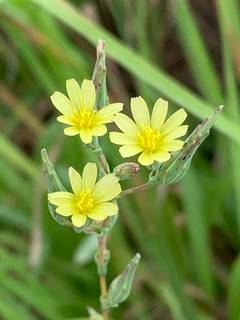
Plants bolt (flower) in sustained heat above 75°F (24°C) — small yellow composite flowers appear on an 18-24 inch (45-60 cm) stalk. Bolting turns the leaves bitter. Flowering is undesirable in a leaf crop, so the harvest goal is to pull the head before the bolting stalk emerges.
Detailed Descriptions
Flower Description
Small yellow composite flowers on a bolting stalk 18-24 inches (45-60 cm) tall that appear in sustained heat above 75°F (24°C) — bolting is undesirable in a leaf crop because the leaves turn bitter once flowering beginsFoliage Description
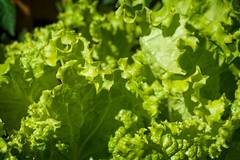
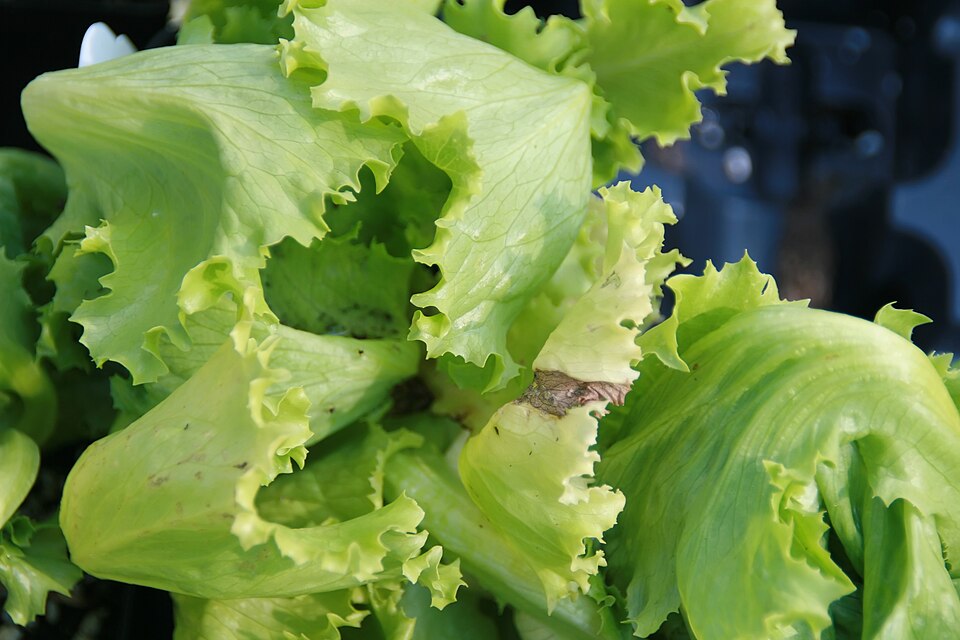
Medium green outer leaves transitioning to pale yellow-green inner leaves; smooth thick buttery-textured blades forming a loose rosette headGrowing Conditions
Sun Requirements
Requires 4-8 hours of direct sunlight daily
• Full Sun: 6+ hours of direct sunlight
• Partial Shade: 3-6 hours of direct sunlight
• Full Shade: Less than 3 hours of direct sunlight
Care & Maintenance
Care Guide
Grows in full sun to partial shade in moist rich soil at pH 6.0-7.0. Cool-season crop — plants bolt in heat above 75°F (24°C). Sow in spring and late summer for two harvest windows per year. Tolerates light frost to 28°F (-2°C). Slugs, aphids, and rabbits are the primary pests that affect yield. Non-toxic (edible crop). Annual, completing the life cycle within a single growing season in 55-65 days from seed to harvestable head.Pruning
Harvest the entire head at maturity (55-65 days) or harvest outer leaves by cut-and-come-again starting at 30-35 days. Remove the bolting stalk if it appears since the leaves turn bitter once flowering begins. Cut-and-come-again extends the productive window across 3-4 successive outer-leaf cuts before the plant bolts.Container Growing
Suitable for container growing
Minimum container size: 1 gallons
Toxicity
Non-toxicPlanting Guide
Planting Methods & Timing
Planting Method
both
Indoor Start
4 weeks before last frost
Direct Sow Timing
Early spring 2-4 weeks before last frost; again in late summer for fall harvest. Bolts in summer heat above 75 degrees F (24 degrees C).
Days to Maturity
55–65 days
Plant Spacing
8 inches
Companion Planting
Avoid Planting With