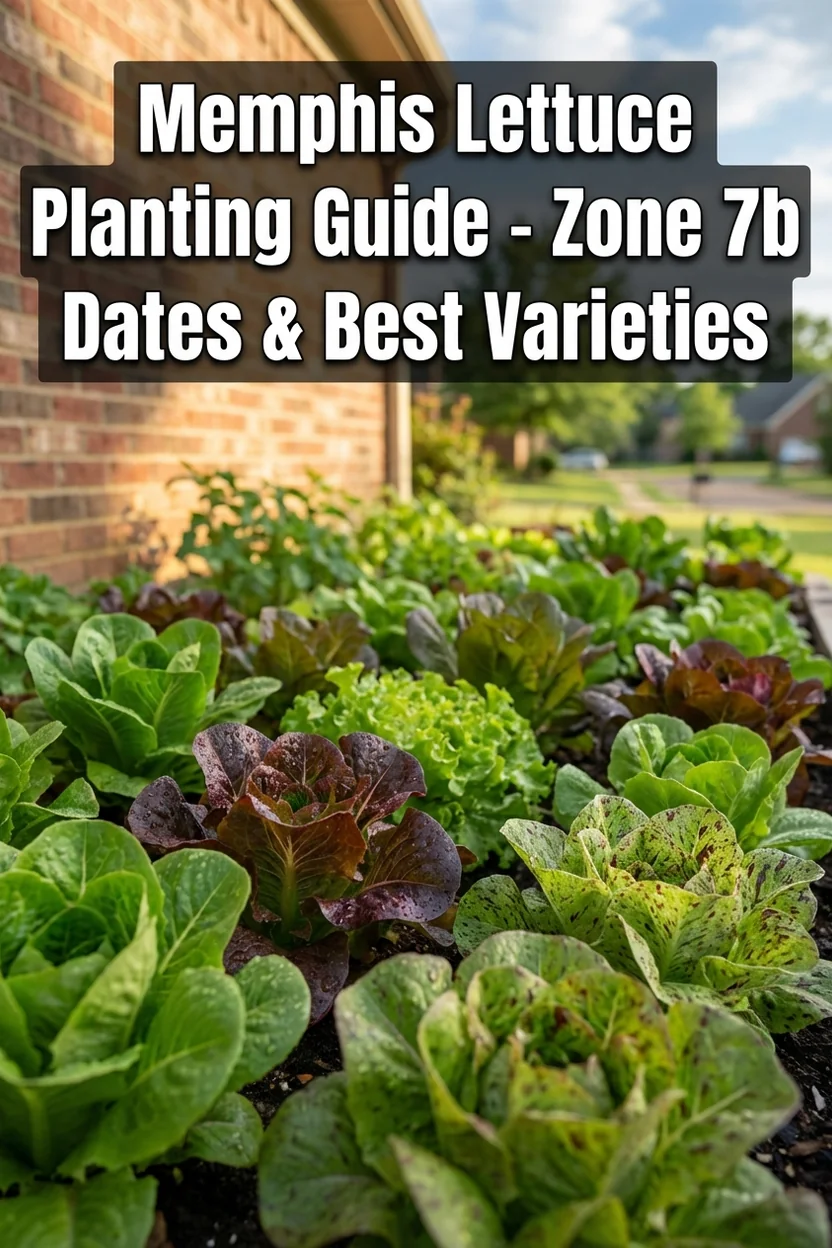
When to Plant Lettuce in Memphis: Complete Guide + Best Varieties for Zone 7b
Pets & Toxicity
Recorded toxicity for plants linked in this guide. An unknown status is not a safety assessment.
No linked plant is recorded as toxicDetailsHide
Lactuca sativa var. crispa — Toxicity: Not assessed
Lactuca sativa var. crispa is non-toxic and safe for human consumption. All parts of the plant are edible, though leaves are the primary harvest. Generally safe around pets, though large quantities may cause mild digestive upset in some animals.View Lactuca sativa var. crispa plant profile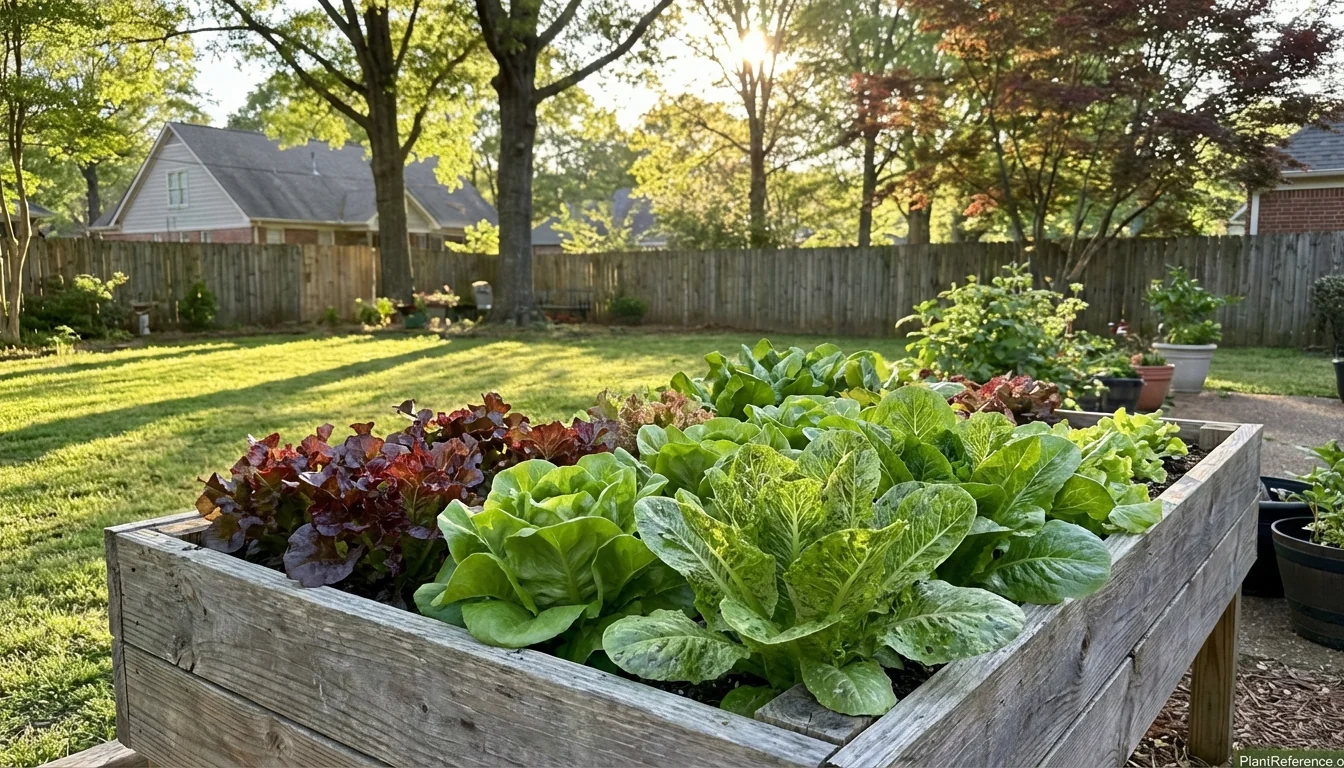
— Image © Plant Reference 2026
Memphis brings the Mississippi Delta to lettuce growing—and the Delta brings both extraordinary soil fertility and extraordinary humidity challenges. The Bluff City's Zone 7b climate delivers a 210-day frost-free season from early April through early November, but for lettuce, the real story is the humidity. Memphis's 75-85% humidity during the growing windows is the highest of any city in this guide, creating downy mildew pressure that exceeds Atlanta, the Carolinas, and every other Southern city. This humidity, combined with 90°F+ summer temperatures, creates a summer gap of 10-12 weeks from mid-May through early August—longer than the Carolinas' 8-10 weeks because Memphis's lower elevation and Mississippi River proximity keep conditions hotter and more humid than the Piedmont cities to the east. But the trade-off is magnificent soil. Memphis sits on Mississippi River alluvial deposits—deep, fertile, naturally productive soil that represents some of the finest growing medium in America. Where Atlanta battles Piedmont clay and Dallas fights alkaline Blackland Prairie, Memphis gardeners inherit soil that lettuce thrives in with minimal amendment. The spring window from March through mid-May is compressed by the early arrival of Delta heat, but the fall window from September through November is outstanding as declining temperatures and the fertile alluvial soil produce some of the best lettuce in the entire South. Memphis's food culture—from the Memphis Farmers Market to Cooper-Young's restaurant scene to the growing urban agriculture movement in Midtown and Binghampton—creates genuine demand for locally grown greens that the Delta's natural fertility uniquely supports. When to Plant Tomatoes in Memphis: Complete Guide + Best Varieties for Zone 7b
Best Lettuce Varieties for Memphis's Climate
Memphis sits in USDA Zone 7b with an April 5 last frost and November 1 first frost—210 frost-free days. Lettuce tolerates 28°F (-2°C) once established. Memphis's combination of extreme humidity and summer heat makes variety selection critical—disease resistance matters more here than in any other city in this guide.
Variety | Type | Days to Harvest | Heat Tolerance | Best For |
|---|---|---|---|---|
Butterhead | 55-65 days | High (for type) | Best all-around for Memphis | |
🌿Lactuca sativa var. crispa (Red Oak Leaf) | Looseleaf | 45-55 days | Moderate-High | Disease resistant, fast |
Mesclun Mix | Seedling mix | 30-40 days | Variable | Fastest harvest, essential |
🌿Lactuca sativa var. longifolia (Romaine) | Cos | 70-80 days | Moderate | Fall only |
Butterhead | 55-65 days | Low | Late fall only | |
🌿Lactuca sativa var. capitata (Iceberg) | Crisphead | 80-90 days | Low | Fall only, high-risk |
🌿Lactuca sativa 'Buttercrunch' leads for Memphis because its bolt resistance extends the compressed spring window and its thick, blistered leaves resist the downy mildew pressure that Memphis's extreme humidity creates. Buttercrunch maintains sweet flavor during the rapid spring-to-summer transition when Delta heat arrives faster than in Piedmont cities to the east.
🌿Lactuca sativa var. crispa (Red Oak Leaf) at 45-55 days is Memphis's best disease-resistant option. The open rosette form allows air circulation that reduces the foliar moisture that drives downy mildew in Memphis's humid conditions. Cut-and-come-again harvesting produces for 3-4 weeks per planting during the spring and fall windows.
Mesclun Mix at 30-40 days is essential for Memphis's compressed spring—the fastest path from seed to harvest before Delta heat arrives. Sow in early March, harvest by mid-April. The baby-leaf format is harvested before disease can establish.
🌿Lactuca sativa var. longifolia (Romaine) at 70-80 days is strictly a fall crop in Memphis—the 70-day maturity is too long for the compressed spring window. Fall Romaine maturing into cooling October-November temperatures produces dense, sweet hearts in Memphis's fertile alluvial soil.
🌿Lactuca sativa 'Bibb' is Memphis's most vulnerable variety to both heat and humidity. Restrict to the coolest late-fall weeks when temperatures stay consistently below 70°F.
🌿Lactuca sativa var. capitata (Iceberg) at 80-90 days is high-risk even as a fall crop because Memphis's humidity promotes the tipburn and basal rot that Iceberg is already susceptible to. When to Plant Peppers in Memphis: Complete Guide + Best Varieties for Zone 7b
Specific Planting Dates for Memphis Gardens
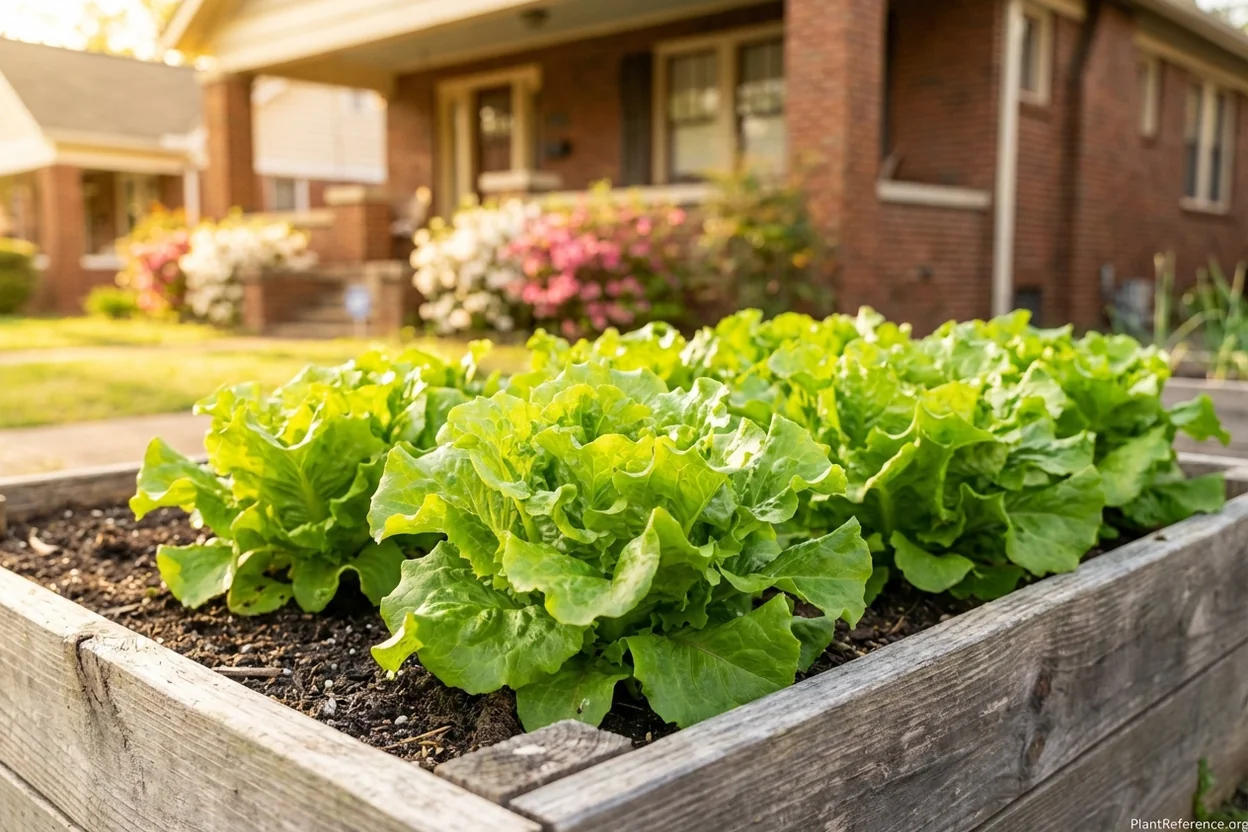
Memphis's lettuce calendar reflects the early arrival of Delta heat and the aggressive humidity management that defines Bluff City growing.
Indoor Seed Starting (Spring): February 10-25 (4-6 weeks before transplanting). Start at 60-70°F (15-21°C). Indoor starting maximizes the compressed spring window.
Direct Sow (Spring): March 1-15. Memphis soil reaches 40°F by early March. Succession sow every 10-14 days through late April only—stop by May 1 because lettuce sown later won't mature before mid-May heat.
Transplant Outdoors (Spring): March 15-April 5. Hardened transplants tolerate frost to 28°F. Memphis's warm spring enables rapid establishment.
Summer Gap (Mid-May through Early August): Memphis's gap runs 10-12 weeks—longer than Piedmont cities because Delta heat and humidity arrive earlier and sustain the bolting response around the clock with nighttime temperatures above 72°F. Accept this gap completely.
Fall Sowing: August 10-25. Start seeds indoors under AC—mandatory in Memphis where August soil routinely exceeds 85°F. Transplant outdoors by early September under shade cloth.
Fall Production Window: September through November. Memphis's premium lettuce season with declining temperatures and the rich alluvial soil producing outstanding quality.
Winter Growing (Zone 7b): Row covers extend harvest into December-January. Memphis's mild winters support cold-hardy Romaine with minimal protection. Raised Bed Vegetable Garden Layout: Planning for Maximum Production
Complete Growing Guide for Memphis
Mississippi River Alluvial Soil: Memphis's Hidden Advantage
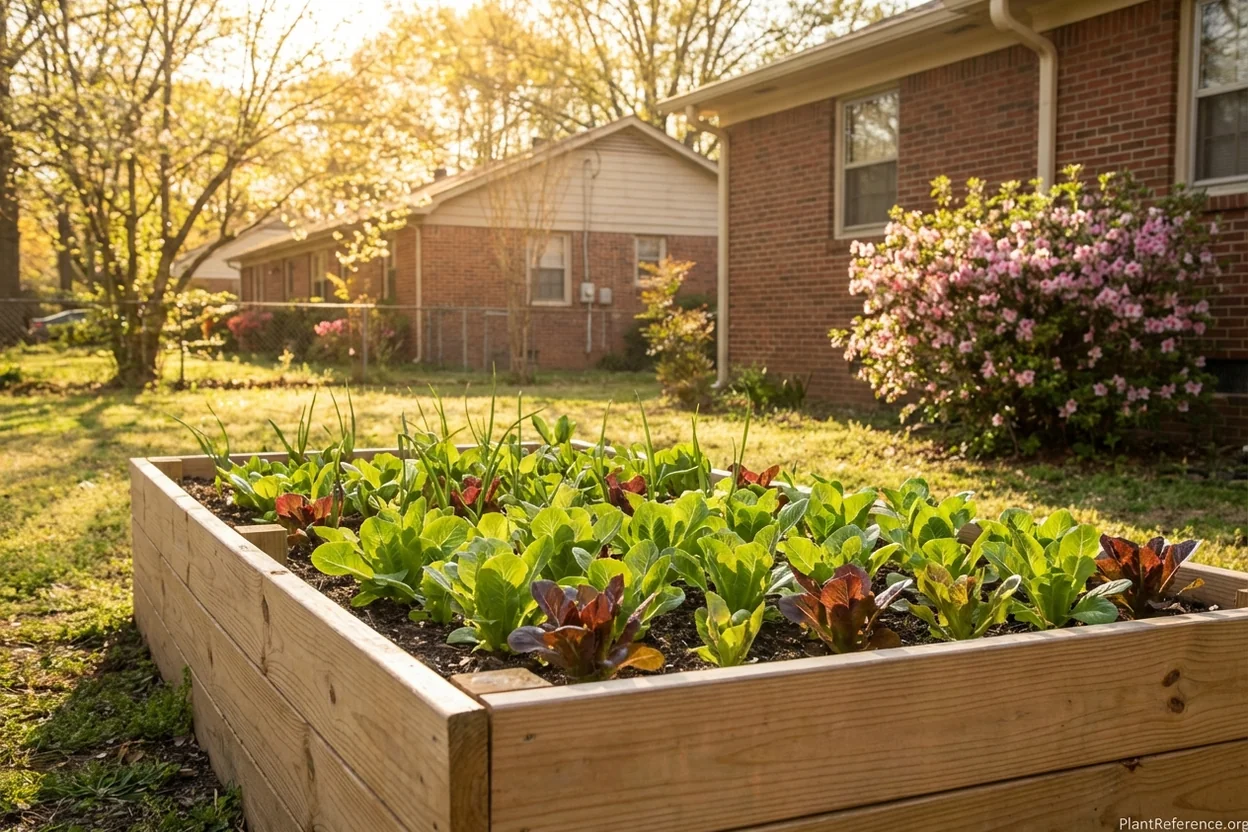
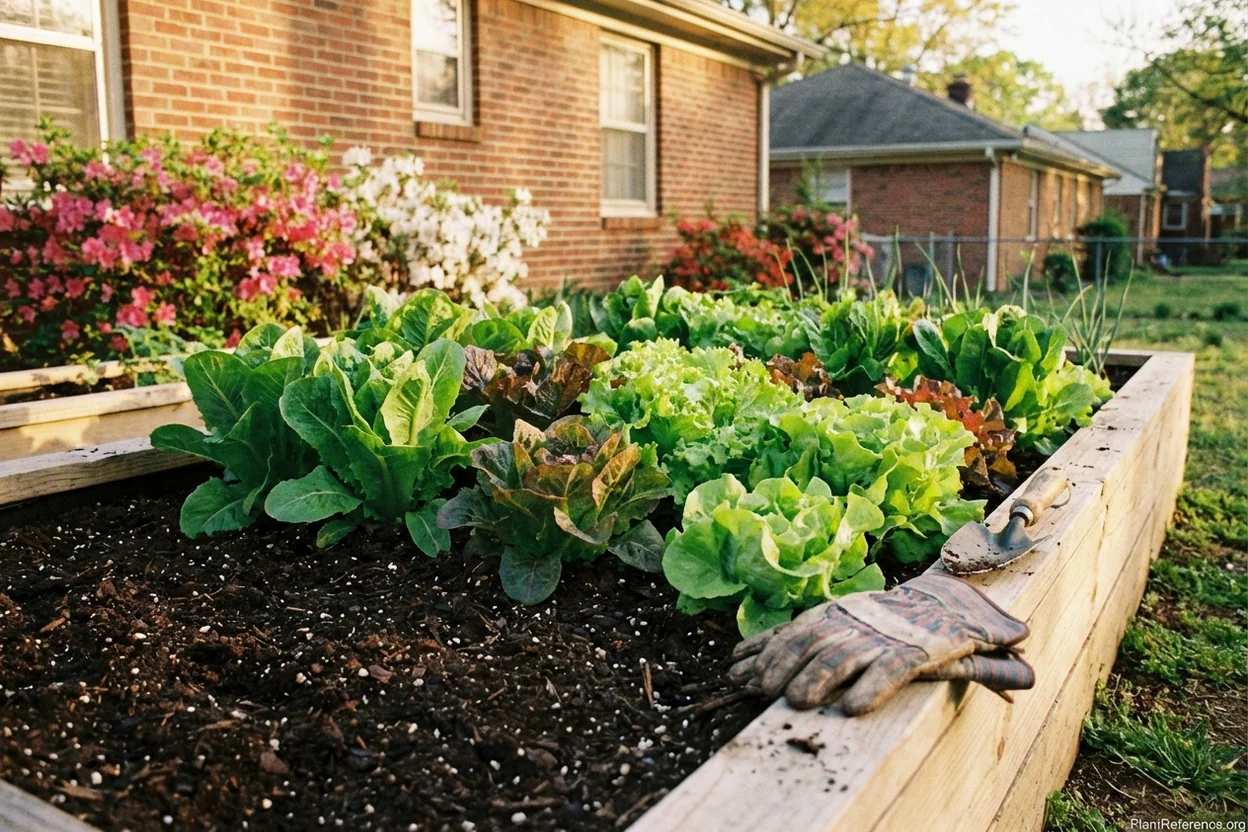
Memphis's soil is exceptional. The Mississippi River alluvial deposits that underlie the metro create deep, fertile, naturally productive growing medium that represents Memphis's greatest lettuce advantage over every other Southern city. Where Atlanta battles acidic Piedmont clay, Dallas fights alkaline Blackland Prairie, and Nashville manages limestone clay, Memphis gardeners inherit soil that lettuce thrives in with minimal amendment. The alluvial soil tests near-neutral pH (6.0-7.0)—within lettuce's preferred range without lime or sulfur correction. Work 1-2 inches (2.5-5 cm) of compost into the top 8 inches (20 cm) to improve structure. Raised beds are recommended primarily for drainage during Memphis's intense rain events rather than for soil quality improvement. Space heading types 8-12 inches (20-30 cm) and looseleaf 4-6 inches (10-15 cm). How to Build a Raised Garden Bed: Step-by-Step Construction Guide
Humidity Management: Memphis's Central Challenge
Memphis's 75-85% humidity during the spring and fall growing windows is the highest of any city in this guide. This humidity creates three compounding problems for lettuce: downy mildew thrives in the constantly moist air, slugs find ideal habitat in the damp conditions, and heading types trap moisture between leaves, promoting basal rot. Solutions: drip irrigation is absolutely mandatory—never use overhead watering in Memphis. Morning watering only so any residual moisture dries before evening. Spacing 12 inches minimum for all heading types to maximize airflow. Looseleaf and open-rosette varieties resist humidity damage better than tight-heading types. 5 Best Drip Irrigation Kits for Raised Beds (Tested for Easy Installation)
Shade Cloth for Summer Bridge
Shade cloth (40-50%) extends Memphis's spring window by 2-3 weeks and enables fall establishment. Install by early May over lettuce beds. Memphis's intense heat and humidity require heavier shade than Piedmont cities—40-50% rather than 30% because the Delta's lower elevation creates more intense conditions than elevated Piedmont locations. When to Plant Squash in Memphis: Complete Guide + Best Varieties for Zone 7b
Succession Planting in a Compressed Window
Memphis's spring window is among the most compressed in the South—3-4 successions from early March through late April. The fall window is more generous with 4-5 successions from late August through October. Stagger fast varieties for spring (mesclun 30 days, Red Oak Leaf 50 days) and add slower types for fall (Buttercrunch 60 days, Romaine 75 days) when the longer window accommodates them.
Feeding
Light feeder—fish emulsion every 3-4 weeks. Memphis's naturally fertile alluvial soil provides better baseline nutrition than any other city in this guide series—less supplementation is needed here than anywhere else. Avoid excess nitrogen that increases downy mildew susceptibility in Memphis's already-challenging humidity conditions. When to Plant Cucumbers in Memphis: Zone 7b Dates + Best Varieties
Memphis's Growing Community
Memphis's urban agriculture movement has expanded significantly in recent years, with community gardens from Binghampton to South Memphis and the Whitehaven area, the Memphis Farmers Market creating strong demand for locally grown greens, and the Cooper-Young neighborhood's farm-to-table restaurants valuing the quality that Memphis's fertile Delta soil uniquely delivers among Southern cities. The University of Tennessee Extension provides West Tennessee-specific growing guidance through the Shelby County Master Gardener program. When to Plant Kale in Memphis: Complete Guide + Best Varieties for Zone 7b
Troubleshooting Memphis-Specific Problems
Problem | Symptoms | Likely Cause | Quick Fix |
|---|---|---|---|
Downy Mildew | Yellow patches on upper surfaces; gray-white fuzz underneath; rapid spread | Extreme Delta humidity (75-85%) with constantly moist air | Drip irrigation only (never overhead); morning watering exclusively; 12-inch minimum spacing; looseleaf varieties; immediate removal of infected material |
Extended Summer Gap | No viable planting window mid-May through early August | Combination of 90°F+ daytime heat with 75-85% humidity and nighttime temps above 72°F sustaining bolting around the clock | Complete acceptance; no variety selection meaningfully reduces gap; focus on excellent fall window instead |
Slug Pressure | Holes in leaves; slime trails; visible slugs in damp areas | Extreme Delta humidity creates year-round ideal slug habitat | Morning watering so soil dries by evening; iron phosphate bait (Sluggo) applied monthly; debris removal; copper strips around raised bed edges |
Seed Germination Failure (Fall) | Seeds fail to germinate or rot in soil | August soil exceeds 85°F; thermoinhibition prevents germination at high temperatures | Indoor starting under AC mandatory; refrigerator-prime seeds before sowing; shade seedbeds aggressively; transplant to outdoor raised beds under shade cloth by early September |
Extreme Humidity and Downy Mildew
Memphis's defining lettuce challenge—75-85% humidity creates the worst downy mildew pressure of any city in this guide. Yellow patches on upper leaf surfaces with gray-white fuzz underneath spread rapidly in the constantly moist Delta air. Prevention: drip irrigation only (never overhead), morning watering exclusively, 12-inch minimum spacing for all heading types, looseleaf and open-rosette varieties, and immediate removal of infected material. 🌿Lactuca sativa var. crispa (Red Oak Leaf) resists downy mildew better than any heading type in Memphis's conditions. Raised Bed Too Hot in Summer: Protecting Plants from Heat Stress
Extended Summer Gap (10-12 Weeks)
Memphis's gap runs approximately 10-12 weeks from mid-May through early August—longer than the Carolinas' 8-10 weeks and comparable to Atlanta's 10-12 weeks. The gap is driven by the combination of 90°F+ daytime temperatures AND 75-85% humidity with nighttime temperatures above 72°F that sustain bolting around the clock. Memphis's Delta location at lower elevation creates more intense heat-humidity conditions than the elevated Piedmont cities to the east. No shade cloth or variety selection meaningfully reduces this gap. Focus energy on maximizing the excellent fall window when Memphis's fertile soil and cooling temperatures produce outstanding lettuce. Raised Bed Pest Problems: Identification and Organic Control Methods
Slug Pressure in Humid Delta Conditions
Memphis's constant humidity creates year-round slug habitat that's among the worst in the South. Prevention: morning watering so soil dries by evening, iron phosphate bait (Sluggo) applied monthly during production windows, debris removal, and copper strips around raised bed edges.
Thermoinhibition for Fall Starts
Memphis's August soil routinely exceeds 85°F—among the hottest in the South—making indoor starting under AC mandatory rather than merely recommended. Refrigerator-prime seeds before sowing and shade seedbeds aggressively. Wait until early September for outdoor transplanting under shade cloth when soil temperatures begin declining. Best Soil Mix for Raised Beds: Creating the Perfect Growing Medium
Harvest & Storage
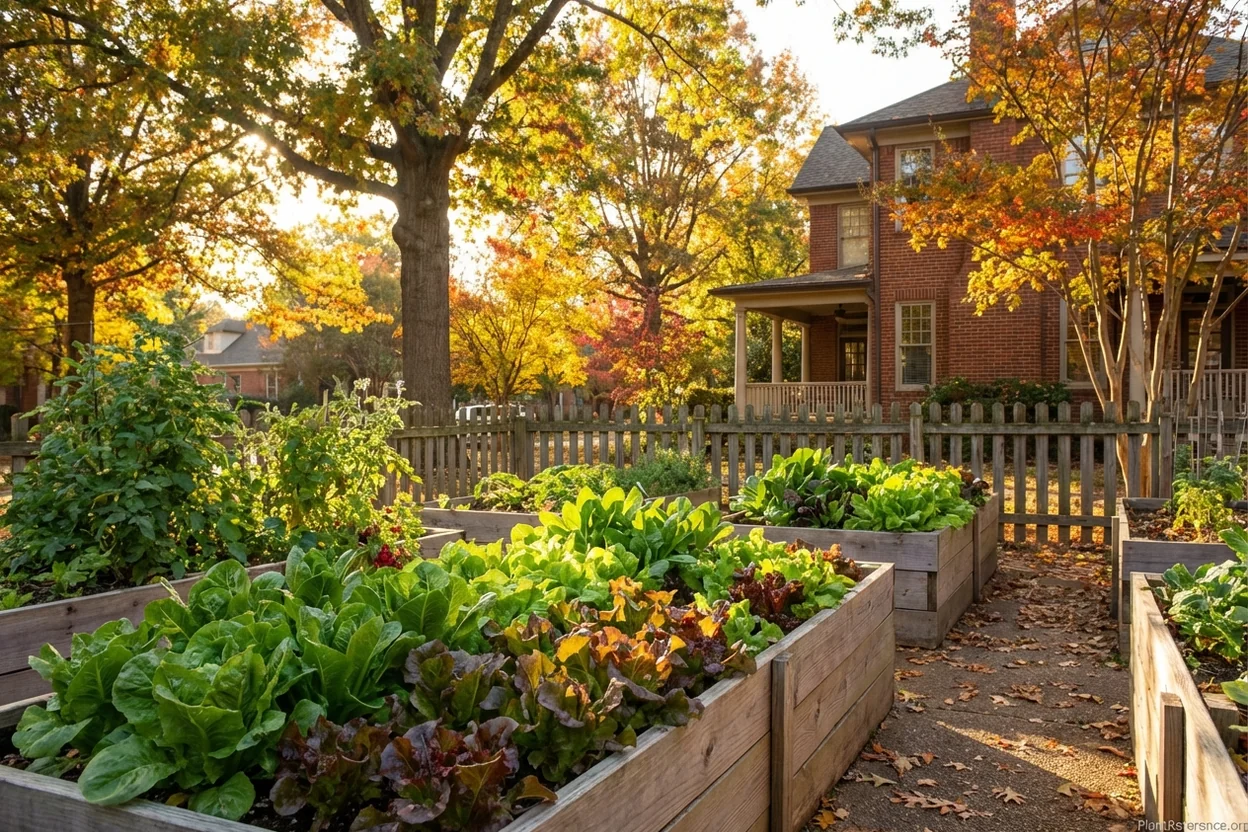
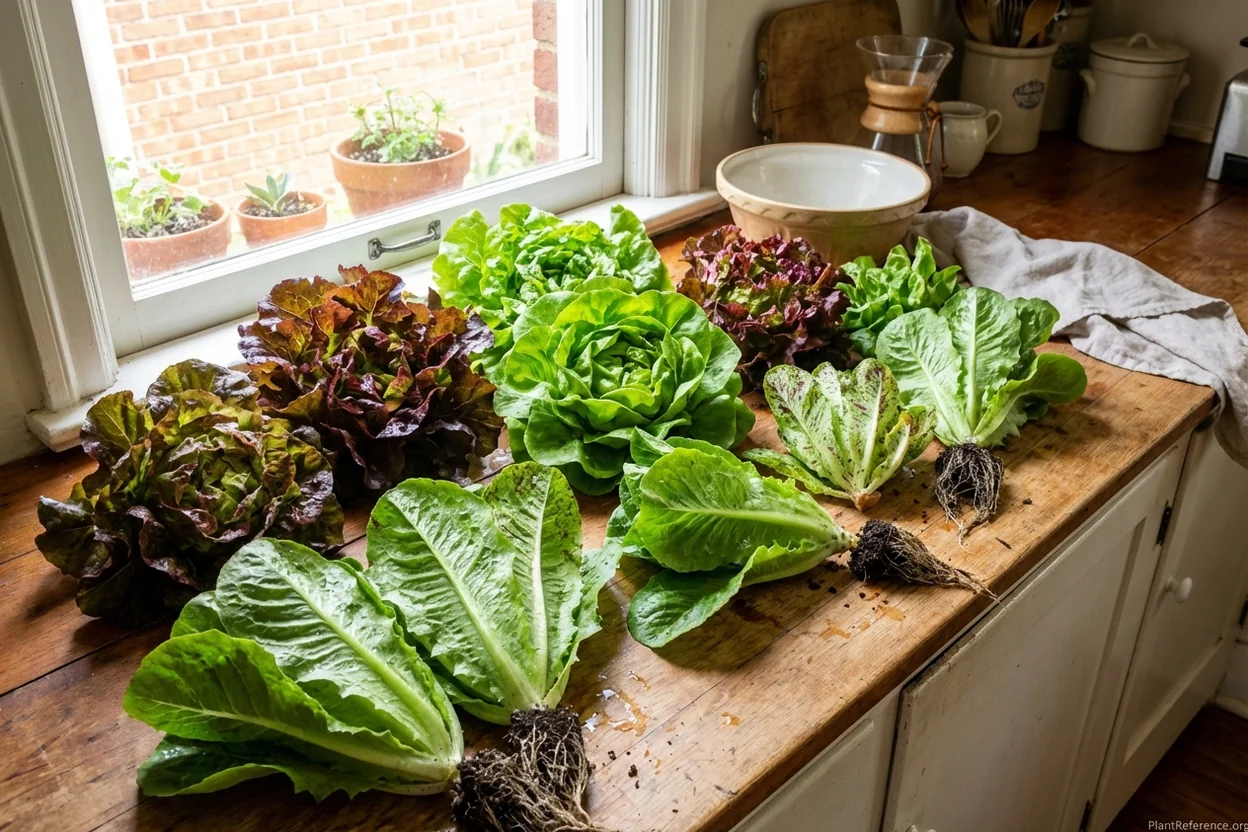
Harvest looseleaf types using cut-and-come-again—cut outer leaves 1 inch above the crown for 3-4 regrowth cycles. Memphis's warm conditions speed regrowth but also accelerate bolting, creating shorter cycles between cuts (2-3 weeks) than cooler cities. Harvest heading types by cutting entire heads at the base when firm. Morning harvest before 8 AM is critical in Memphis—heat builds faster here than in elevated Piedmont cities, concentrating bitter compounds rapidly after sunrise.
Memphis's fall lettuce benefits from light frost—temperatures in the 28-32°F range trigger starch-to-sugar conversion that sweetens leaves. The Delta's gradual fall cooling produces frost-sweetened lettuce through November. Zone 7b winters provide gentle frost events that sweeten without killing, and Memphis's fertile alluvial soil contributes a mineral richness to the lettuce flavor profile that other cities' heavily amended soils simply cannot replicate—this is the Delta's gift to home gardeners who manage the humidity challenge.
Store harvested lettuce refrigerated in damp paper towels inside a loose bag—keeps 7-10 days. Memphis's approximately eight-month effective lettuce window (March-November, extended into January with protection) provides fresh lettuce through most of the year despite the long summer gap. The Bluff City's combination of exceptional natural soil fertility, challenging humidity requiring disciplined management, and the rewarding fall window makes Memphis a city where lettuce growing demands expertise but delivers exceptional quality when the humidity challenge is managed properly through variety selection, drip irrigation, and aggressive spacing for airflow. The Complete Guide to Raised Bed Gardening for Beginners (2025)
Frequently Asked Questions
Reading about plants and recognising them are different skills. These three build the second.
- Daily PlantIdentify the day’s mystery plant from a close-up photograph.
- Keyed OutWork a dichotomous key, lead by lead, to name a hidden specimen.
- Name That PlantName a specimen from botanical clues dealt hardest first.
Free to play, no account needed
Tagged with
Marcus manages the grounds at a historic property in Memphis and runs a side business doing residential garden design. He grew up helping his grandfather maintain a large vegetable garden in the Mississippi Delta and carried that knowledge into formal training—he has a degree in landscape technology. Memphis sits in a sweet spot for growing: long warm seasons, decent rainfall, and mild enough winters that many marginally hardy plants survive. Marcus writes about Southern gardening traditions, ornamental garden design, and dealing with the humidity and heavy rainfall that define the Mid-South climate.