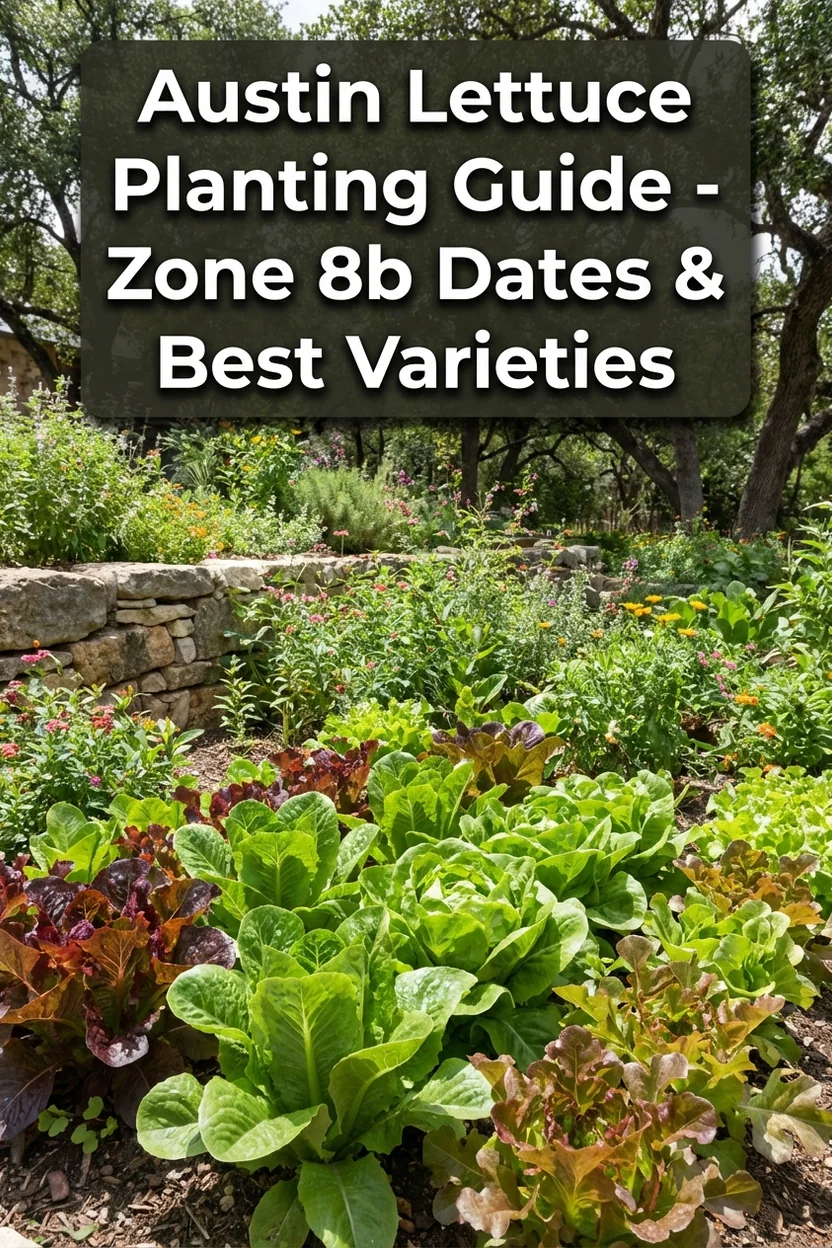
When to Plant Lettuce in Austin: Complete Guide + Best Varieties for Zone 8b
Pets & Toxicity
Recorded toxicity for plants linked in this guide. An unknown status is not a safety assessment.
No linked plant is recorded as toxicDetailsHide
Lactuca sativa var. crispa — Toxicity: Not assessed
Lactuca sativa var. crispa is non-toxic and safe for human consumption. All parts of the plant are edible, though leaves are the primary harvest. Generally safe around pets, though large quantities may cause mild digestive upset in some animals.View Lactuca sativa var. crispa plant profile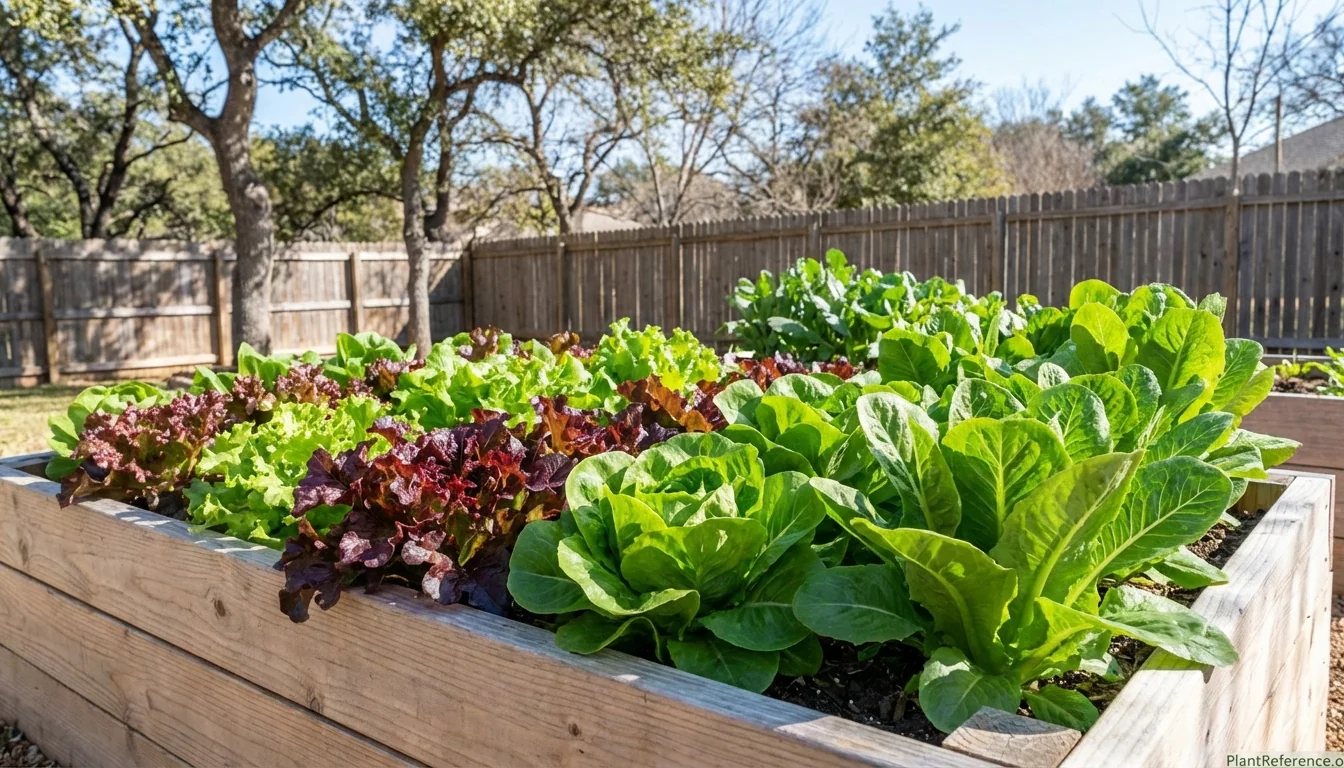
— Image © Plant Reference 2026
Austin brings Central Texas's inverted growing calendar to lettuce—here, winter is the primary production season, not an afterthought. The Hill Country's Zone 8b climate delivers mild winters with daytime temperatures of 55-68°F and overnight lows of 35-45°F that create ideal lettuce conditions from October through March, while the summer gap of 14-16 weeks from May through mid-August represents the longest unproductive period among Zone 8b cities because Central Texas heat arrives earlier and stays later than coastal or elevated locations. The 274-day frost-free season from early March through late November provides the formal framework, but Austin's lettuce calendar works opposite to Northern cities: the five-month continuous winter window (October through March) exceeds what most Northern cities achieve across both spring and fall windows combined. Austin's alkaline Hill Country limestone soil (pH 7.5-8.5) creates the same iron chlorosis challenges as Dallas—chelated iron spray rather than lime is the essential amendment. The Edwards Plateau limestone that underlies the Austin metro creates thin, rocky soil in the western Hill Country neighborhoods (Westlake, Bee Cave, Lakeway) while the eastern Blackland Prairie neighborhoods (East Austin, Manor, Pflugerville) have heavier clay—creating a soil gradient similar to Richmond's Piedmont-Tidewater transition. Austin's dry climate (34 inches annual rainfall, 55-65% humidity during growing windows) provides a genuine disease advantage over humid Gulf Coast cities—downy mildew pressure is dramatically lower than Houston's and similar to Dallas's dry conditions. Austin's extraordinary food culture—from the SFC Farmers Market to the farm-to-table restaurants across East Austin, South Congress, and the Rainey Street District—creates intense demand for locally grown lettuce that Austin's mild winter climate delivers with exceptional quality during the months when most American gardens are dormant. The city's gardening community has grown alongside its food culture, with community gardens from East Austin to South Lamar and the expanding network of urban farms that supply Austin's restaurants with the fresh, locally grown greens that define the city's culinary identity as one of America's most food-conscious metropolitan areas. When to Plant Tomatoes in Austin: Complete Guide + Best Varieties for Zone 8b
Best Lettuce Varieties for Austin's Climate
Austin sits in USDA Zone 8b with a March 1 last frost and November 30 first frost—274 frost-free days. Lettuce tolerates 28°F once established. Austin's mild winters support all lettuce types during the October-March window with variety selection emphasizing the inverted calendar approach.
Variety | Type | Days to Harvest | Heat Tolerance | Best For |
|---|---|---|---|---|
Butterhead | 55-65 days | High (for type) | Best all-around for Austin | |
🌿Lactuca sativa var. crispa (Red Oak Leaf) | Looseleaf | 45-55 days | Moderate-High | Cut-and-come-again |
🌿Lactuca sativa var. longifolia (Romaine) | Cos | 70-80 days | Moderate | Premium winter crop |
Mesclun Mix | Seedling mix | 30-40 days | Variable | Fastest harvest, succession |
Butterhead | 55-65 days | Low | Winter luxury | |
🌿Lactuca sativa var. capitata (Iceberg) | Crisphead | 80-90 days | Low | Winter only |
🌿Lactuca sativa 'Buttercrunch' leads for Austin because its bolt resistance extends the spring end of the window into April while maintaining quality through the mild Hill Country winter. Buttercrunch produces continuously from October through March with consistent sweet flavor that the moderate winter temperatures sustain.
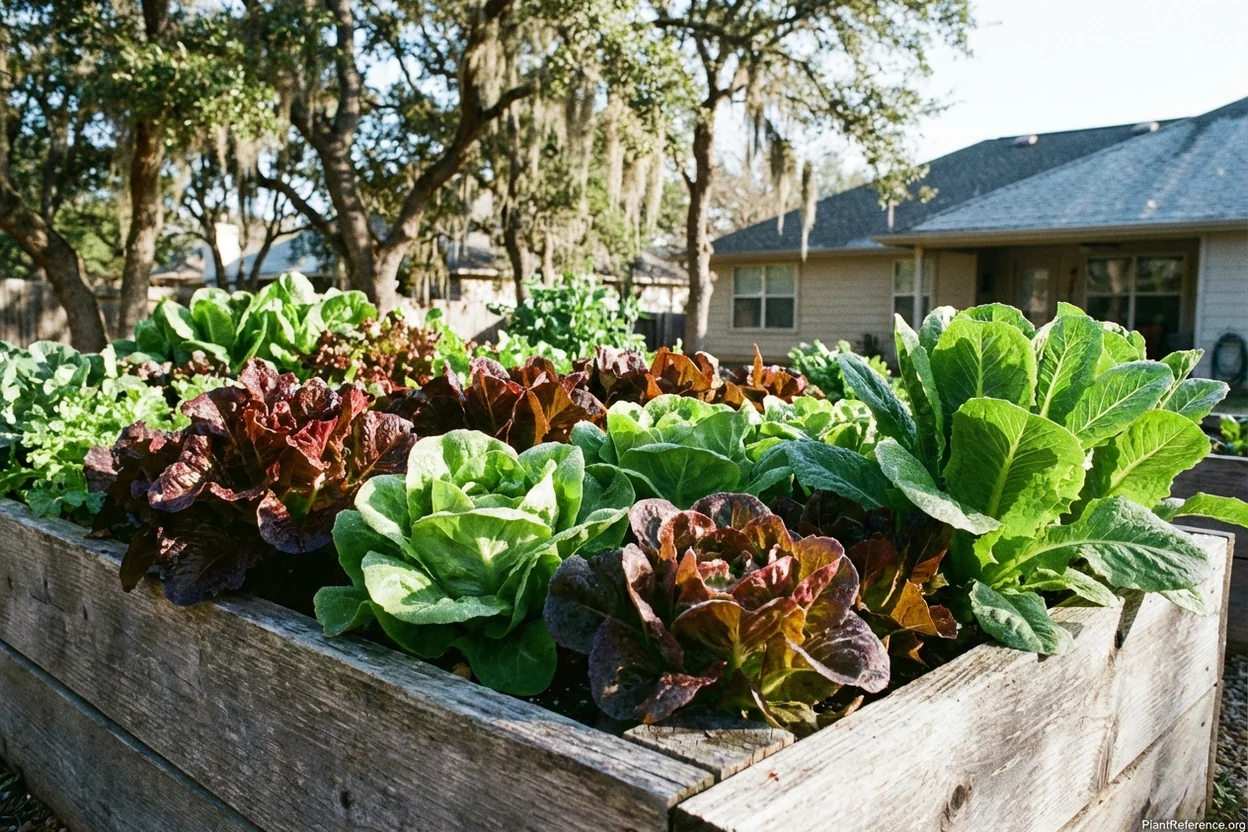
🌿Lactuca sativa var. crispa (Red Oak Leaf) at 45-55 days delivers vivid color during Austin's cool winter nights. The dramatic day-to-night temperature swings (often 25-30°F) stimulate intense anthocyanin production in the burgundy-tipped leaves. Cut-and-come-again harvesting extends each planting across 6-8 weeks during the mild winter.
🌿Lactuca sativa var. longifolia (Romaine) at 70-80 days is Austin's premium winter crop. The long maturation aligns perfectly with the steady November-February temperatures that produce dense, sweet hearts. Romaine tolerates frost to 20°F, extending harvest well past any frost events.
Mesclun Mix at 30-40 days enables maximum succession planting across the five-month window—potentially 10-12 sowings from October through March.
🌿Lactuca sativa 'Bibb' produces Austin's most delicate winter lettuce in the gentle 55-65°F conditions—ideal for this refined variety.
🌿Lactuca sativa var. capitata (Iceberg) at 80-90 days succeeds during Austin's mild winter—one of the few Texas cities where the long, moderate winter provides Iceberg's demanding maturation window. When to Plant Peppers in Austin: Complete Guide + Best Varieties for Zone 8b
Specific Planting Dates for Austin Gardens
Austin's lettuce calendar follows the inverted Southern pattern—winter IS the primary season, with spring and fall as transitions.
Fall Sowing (Season Start): October 1-15. Direct sow or transplant into cooling Central Texas conditions. Succession sow every 10-14 days through January.
Peak Winter Production: November through February. Austin's premium lettuce window—daytime temperatures of 55-68°F with overnight lows of 35-45°F. Growth is steady and disease-free in the dry Hill Country air.
Spring Extension: March-April. Production continues as temperatures warm. Stop new sowings by March 15 because lettuce planted later won't mature before May heat. 🌿Lactuca sativa 'Buttercrunch' under shade cloth produces into mid-April.
Summer Gap (May through Mid-August): Austin's gap runs 14-16 weeks when temperatures exceed 95-100°F with Central Texas intensity. Accept completely.
Fall Restart: August 15-September 1. Start seeds indoors under AC—Austin's August soil exceeds 85°F. Transplant outdoors by late September under shade cloth.
Succession Planting: 8-10 succession plantings from October through February. Each planting produces for 6-8 weeks in the mild conditions. Raised Bed Vegetable Garden Layout: Planning for Maximum Production
Complete Growing Guide for Austin
Hill Country Limestone Soil
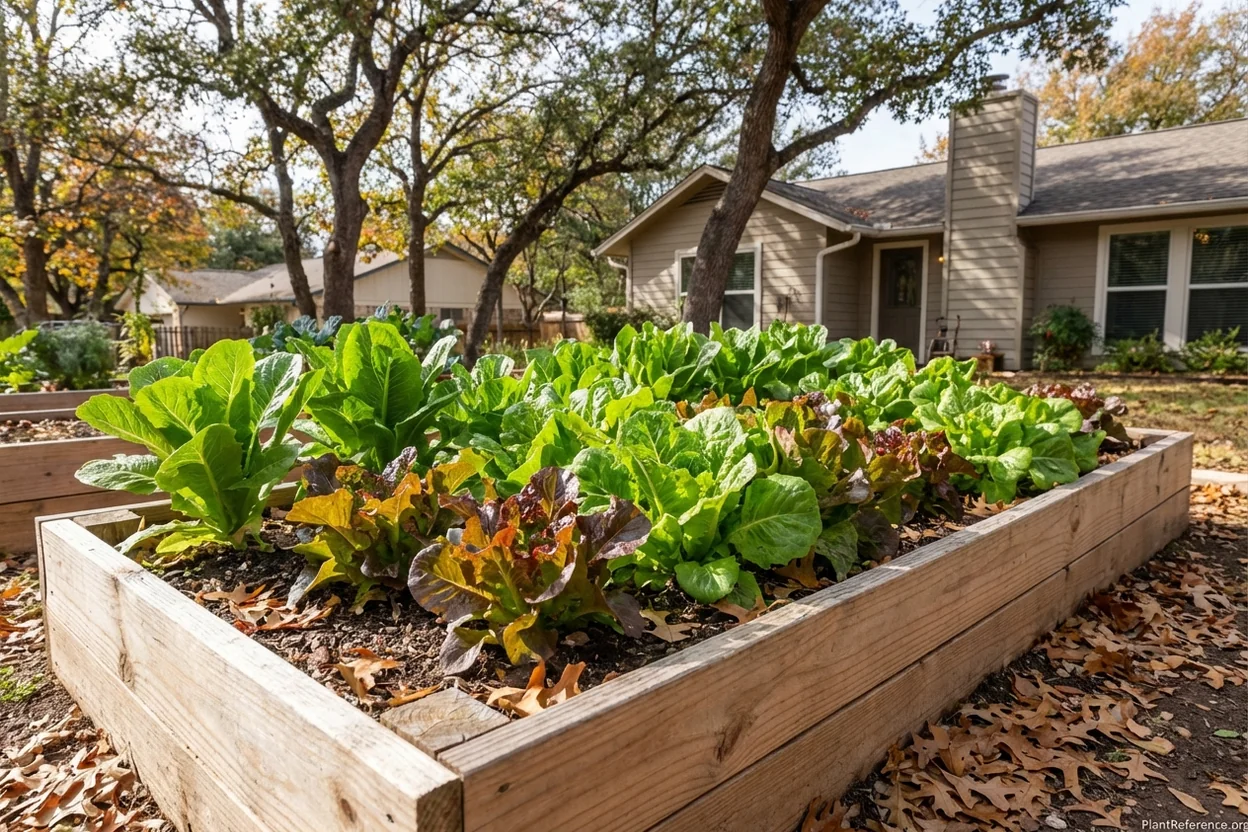
Austin's western neighborhoods sit on Edwards Plateau limestone—thin, rocky, alkaline soil (pH 7.5-8.5) with caliche layers that restrict root growth and make in-ground planting extremely difficult. Eastern neighborhoods trend toward Blackland Prairie clay—heavy, alkaline, poorly draining, and prone to the same cracking and compaction issues that Dallas gardeners face. Both zones test alkaline and both require raised beds with controlled soil mix for productive lettuce growing. Both test alkaline. Do not add lime. Raised beds with controlled soil mix are strongly recommended across the entire metro. Fill with 50% topsoil, 30% compost, and 20% expanded shale (the Texas standard for drainage amendment). Chelated iron spray every 2-3 weeks prevents the iron chlorosis that Austin's alkaline conditions cause. Compost naturally lowers pH over time. Space heading types 8-12 inches (20-30 cm) and looseleaf 4-6 inches (10-15 cm). How to Build a Raised Garden Bed: Step-by-Step Construction Guide
Watering in Austin's Dry Climate
Austin receives about 34 inches (86 cm) of annual rainfall—adequate during the wettest months but with dry stretches common during the fall and spring growing windows that coincide with lettuce production. Drip irrigation is the standard approach for Central Texas lettuce because it delivers water efficiently to the shallow root zone without wetting foliage. Water 1-1.5 inches (2.5-4 cm) per week consistently throughout the cool-season window. Austin's dry air (55-65% humidity) reduces downy mildew risk dramatically compared to Gulf Coast cities but still requires consistent moisture for lettuce's shallow root system. Mulch 2-3 inches (5-8 cm) to retain moisture against the dry Hill Country wind. 5 Best Drip Irrigation Kits for Raised Beds (Tested for Easy Installation)
Austin's Dry Climate Advantage
Austin's moderate humidity (55-65% during growing windows) provides a genuine disease advantage over Houston (70-80%) and the Gulf Coast. Downy mildew is uncommon in Austin's dry Hill Country air, slug pressure is minimal, and basal rot in heading types is rare because foliage dries rapidly in the low humidity. This dry climate advantage makes Austin's winter lettuce production noticeably cleaner and more reliable than any Gulf Coast city, requiring less disease management infrastructure and fewer fungicide applications across the entire production window. Austin gardeners can focus on variety selection and succession timing rather than the humidity-driven disease prevention strategies that dominate lettuce growing in Houston and the Southeast. When to Plant Squash in Austin: Complete Guide + Best Varieties for Zone 8b
Winter Frost Management
Austin experiences 5-10 frost events per winter when overnight temperatures drop to 28-35°F—events that benefit lettuce through frost-sweetening rather than threatening it. Established lettuce tolerates these events without any protection because the cold exposure triggers starch-to-sugar conversion that produces sweeter, more complex flavors. Occasional hard freezes below 25°F occur 1-3 times per winter—row covers provide sufficient protection during these brief overnight events that typically resolve within 12-18 hours as Central Texas daytime temperatures recover rapidly. When to Plant Cucumbers in Austin: Zone 8b Dates + Best Varieties
Succession Planting Across the Inverted Calendar
Austin's five-month window supports 8-10 succession plantings from October through February. Stagger varieties: mesclun (30 days), Red Oak Leaf (50 days), Buttercrunch (60 days), Romaine (75 days), and Iceberg (85 days) for overlapping harvests sustaining continuous production from late October through April.
Feeding
Light feeder—fish emulsion every 3-4 weeks. Austin's alkaline limestone soils require chelated iron spray every 2-3 weeks. Use sulfur-based amendments to gradually lower pH. Expanded shale improves drainage in both Hill Country rock and Blackland Prairie clay. When to Plant Kale in Austin: Complete Guide + Best Varieties for Zone 8b
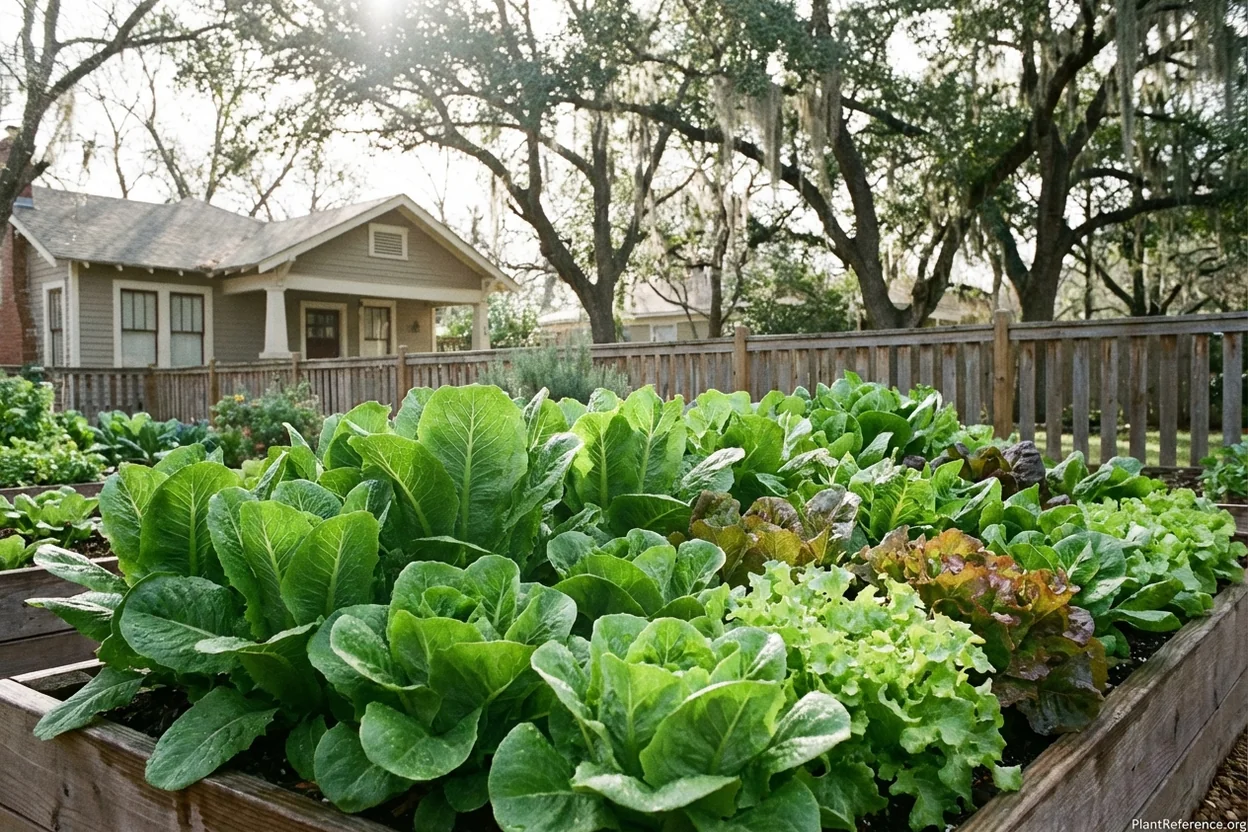
Troubleshooting Austin-Specific Problems
Summer Gap (14-16 Weeks)
Austin's primary lettuce challenge from May through mid-August when temperatures exceed 95-100°F. Prevention: complete acceptance. Central Texas summer heat overwhelms any shade cloth or variety selection. Focus on maximizing the excellent October-March window. Raised Bed Too Hot in Summer: Protecting Plants from Heat Stress
Alkaline Hill Country Soil
Austin's limestone and clay both test pH 7.5-8.5. Prevention: raised beds with controlled soil mix, chelated iron spray every 2-3 weeks, sulfur amendments, and heavy compost. Do not add lime. This mirrors Dallas, Nashville, and Oklahoma City alkaline soil strategies. Raised Bed Pest Problems: Identification and Organic Control Methods
Thermoinhibition for Fall Starts
Austin's August soil exceeds 85°F. Prevention: mandatory indoor starting under AC, refrigerator-priming seeds, and waiting until late September for outdoor transplanting when soil temperatures moderate.
Occasional Hard Freezes
Austin experiences 1-3 hard freezes per winter below 25°F. Prevention: row covers over lettuce beds during freeze warnings. Hard freezes are brief (overnight only) with rapid daytime recovery. Established lettuce tolerates most Central Texas frost without protection. Best Soil Mix for Raised Beds: Creating the Perfect Growing Medium
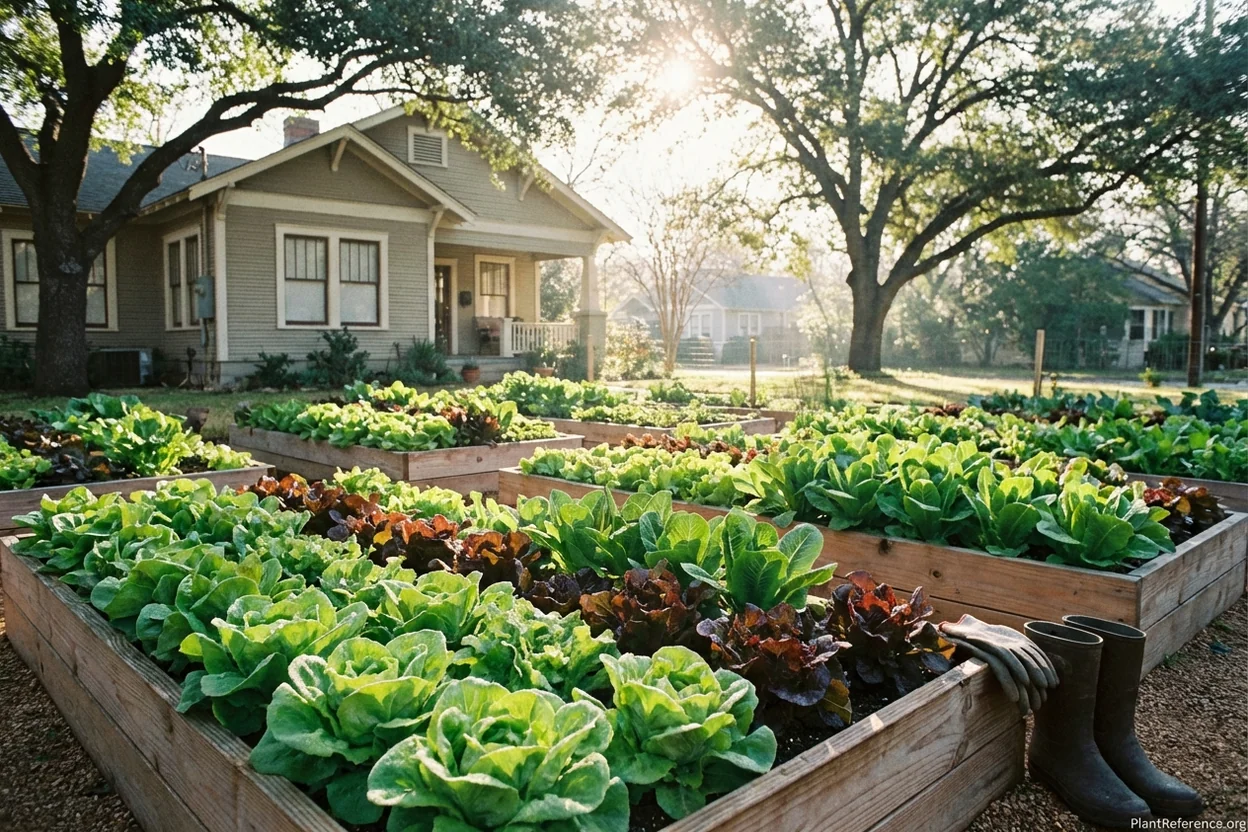
Harvest & Storage
Harvest looseleaf types using cut-and-come-again—cut outer leaves 1 inch above the crown for 4-6 regrowth cycles over 6-8 weeks. Austin's mild winter temperatures produce steady, extended cycles. Harvest heading types by cutting entire heads at the base when firm. Morning harvest captures peak crispness.
Austin's winter lettuce benefits from repeated frost-sweetening across the December-February window. The dramatic day-to-night temperature swings (often 25-30°F between afternoon and overnight) trigger continuous starch-to-sugar conversion that produces some of the sweetest lettuce in Texas. The dry Hill Country air contributes a crisp, clean flavor that humid Gulf Coast lettuce cannot match.
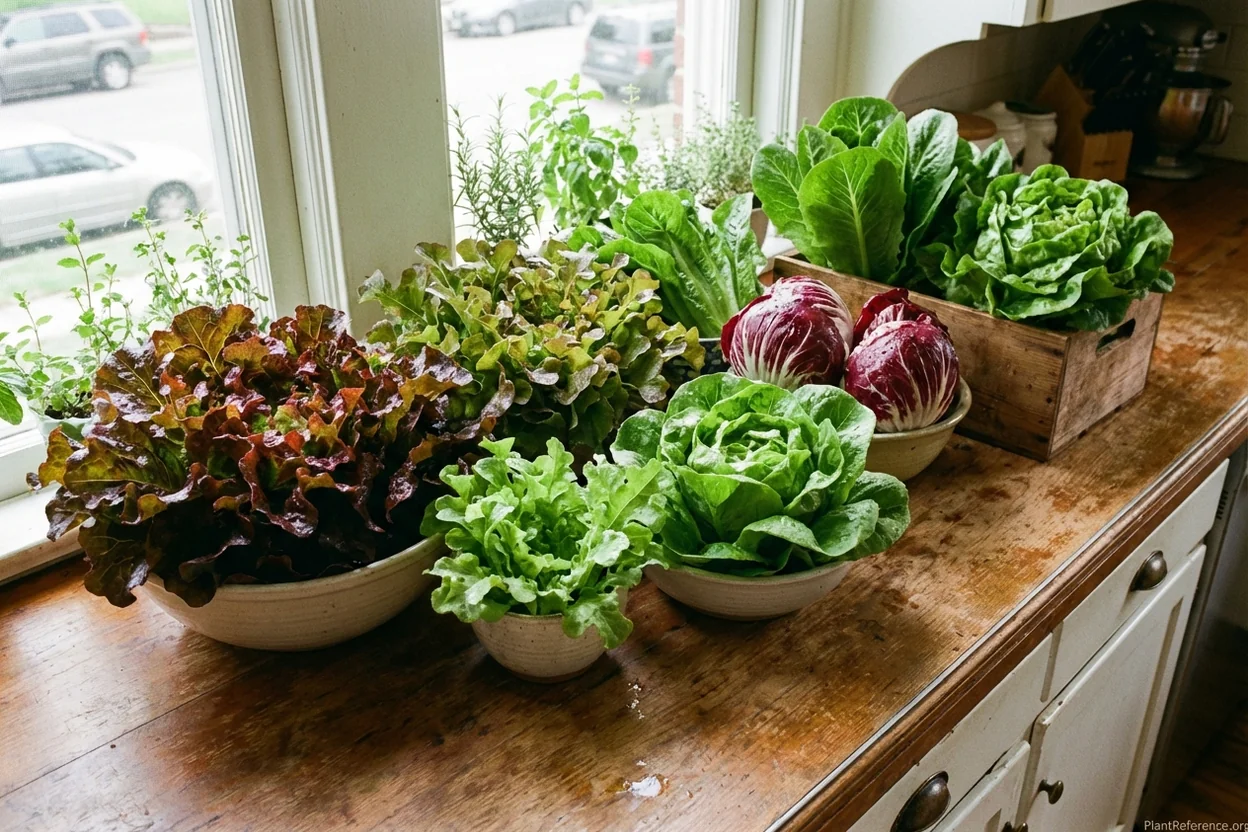
Store harvested lettuce refrigerated in damp paper towels inside a loose bag—keeps 7-10 days. Austin's five-month effective lettuce window (October-March, extended into April with shade cloth and bolt-resistant varieties) provides fresh lettuce through the entire cooler half of the year. The city's extraordinary food culture—from the SFC Farmers Market to the East Austin farm-to-table scene to the South Congress restaurants and food trucks that define Austin's culinary identity—values the fresh, locally grown lettuce that Central Texas's mild winters and dry Hill Country air uniquely produce. Austin's combination of inverted calendar producing five months of continuous winter lettuce, dry Hill Country climate advantage reducing disease pressure dramatically compared to Gulf Coast cities, alkaline soil management rewarding gardeners who invest in raised beds and iron supplementation, and the passionate food culture that makes locally grown lettuce genuinely valued across the city's restaurants and farmers markets makes it one of the most rewarding lettuce cities in Texas for gardeners who embrace the winter-growing approach that defines Southern lettuce production at its best. The Complete Guide to Raised Bed Gardening for Beginners (2025)
Frequently Asked Questions
Reading about plants and recognising them are different skills. These three build the second.
- Daily PlantIdentify the day’s mystery plant from a close-up photograph.
- Keyed OutWork a dichotomous key, lead by lead, to name a hidden specimen.
- Name That PlantName a specimen from botanical clues dealt hardest first.
Free to play, no account needed
Tagged with
Carlos grew up helping his abuelos tend their backyard garden in San Antonio, Texas, but didn't get serious about growing his own food until he bought his first house in Austin. He works as an HVAC technician during the day and gardens in the early mornings and evenings. Carlos specializes in heat-tolerant vegetables and container growing—essential skills for Texas summers and his south-facing driveway that gets intense sun. He's learned through plenty of failures (multiple dead fig trees, countless bolted lettuce crops) and now helps neighbors troubleshoot their own gardens. His YouTube channel documenting his container tomato experiments has a small but dedicated following. Carlos is passionate about growing food on a budget, often sourcing free containers and building his own compost.