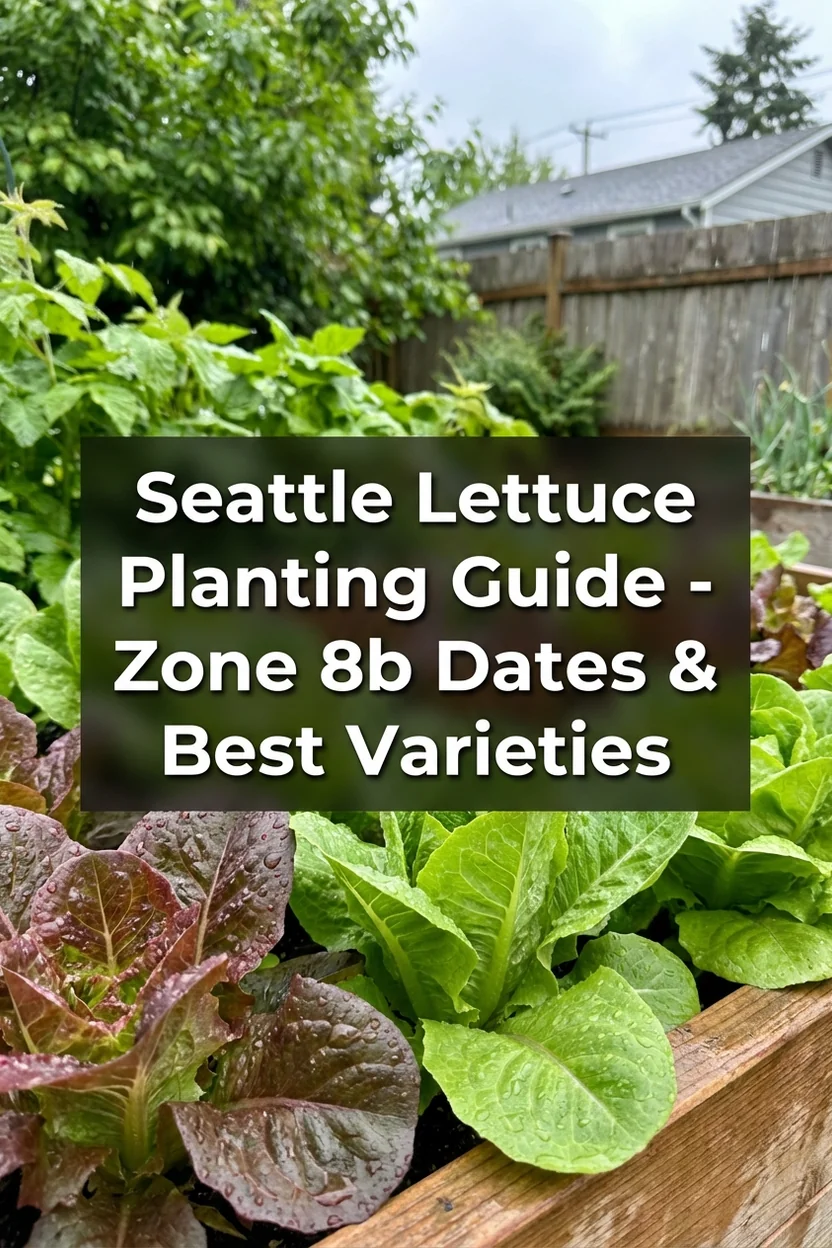
When to Plant Lettuce in Seattle: Complete Guide + Best Varieties for Zone 8b
Pets & Toxicity
Recorded toxicity for plants linked in this guide. An unknown status is not a safety assessment.
No linked plant is recorded as toxicDetailsHide
Lactuca sativa var. crispa — Toxicity: Not assessed
Lactuca sativa var. crispa is non-toxic and safe for human consumption. All parts of the plant are edible, though leaves are the primary harvest. Generally safe around pets, though large quantities may cause mild digestive upset in some animals.View Lactuca sativa var. crispa plant profile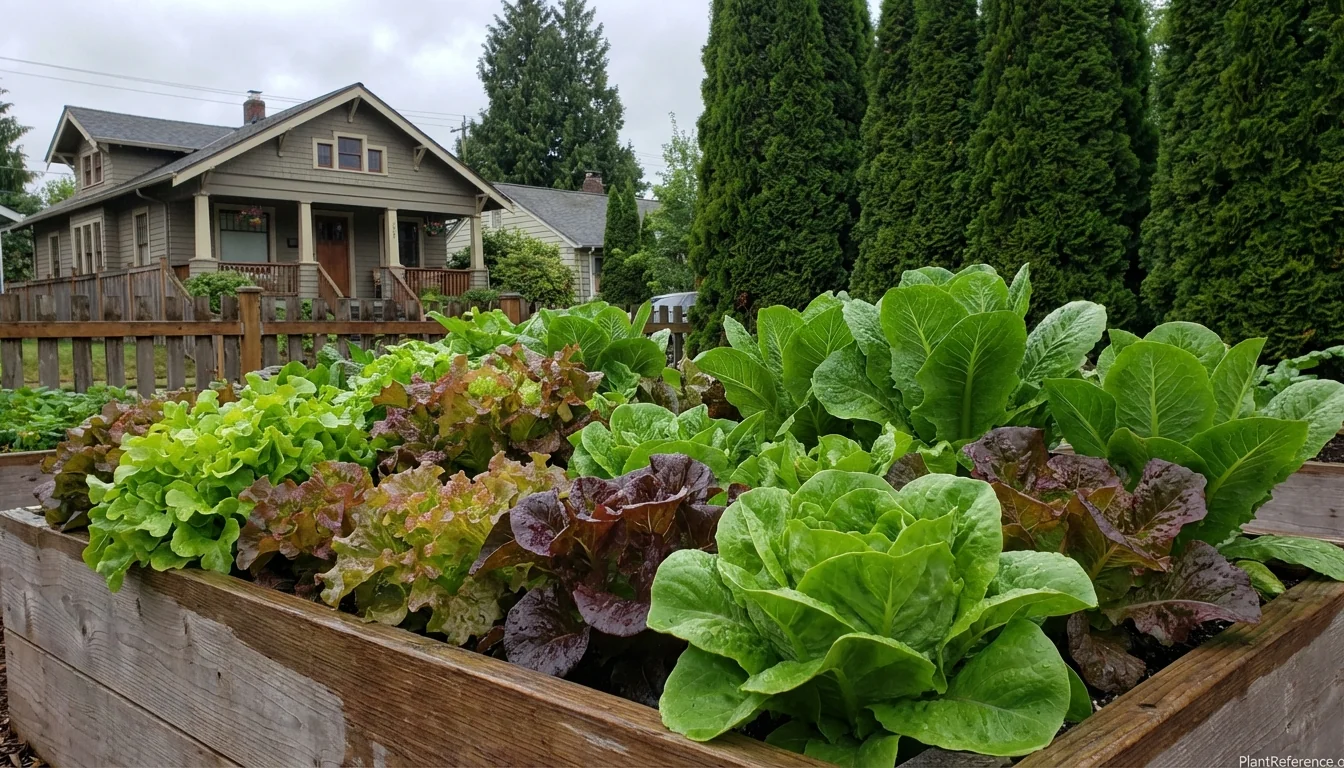
— Image © Plant Reference 2026
Seattle is the best lettuce city in America—and it's not particularly close. The Pacific Northwest's cool maritime climate delivers exactly what 🌿Lactuca sativa 'Romaine' evolved for: mild temperatures that rarely trigger bolting, consistent moisture, and a growing season that extends from February through December with minimal protection. While every other city in this guide series battles a summer gap of 6-12 weeks when heat shuts down lettuce production, Seattle's summer gap is typically only 3-4 weeks during the brief July-August period when temperatures occasionally exceed 85°F—and many years the gap barely exists at all. The 245-day frost-free season from mid-March through mid-November provides the formal framework, but lettuce's cold tolerance and Seattle's mild Zone 8b winters extend effective production to 10-11 months. The Puget Sound's massive thermal mass keeps temperatures remarkably stable: summer highs averaging 75-80°F (well within lettuce's comfort zone) and winter lows rarely dropping below 30°F. This stability eliminates the dramatic spring-to-summer bolting race that defines lettuce growing in every other climate zone. Seattle gardeners can grow all six major lettuce types successfully, from fast mesclun to challenging Iceberg, because the cool maritime conditions that most cities can only create artificially with shade cloth are Seattle's natural state. The trade-off is unique: instead of fighting heat, Seattle lettuce growers fight slugs and winter moisture. When to Plant Tomatoes in Seattle: Complete Guide + Best Varieties for Zone 8b
Best Lettuce Varieties for Seattle's Climate
Seattle sits in USDA Zone 8b with a March 15 last frost and November 15 first frost—245 frost-free days. But Seattle's mild winters mean lettuce can grow year-round with minimal protection. The cool maritime climate supports all lettuce types with variety selection driven by seasonal timing and rain management rather than heat survival.
Variety | Type | Days to Harvest | Seattle Performance | Best For |
|---|---|---|---|---|
Butterhead | 55-65 days | Excellent year-round | Best all-around for Seattle | |
🌿Lactuca sativa var. crispa (Red Oak Leaf) | Looseleaf | 45-55 days | Excellent year-round | Cut-and-come-again, color |
🌿Lactuca sativa var. longifolia (Romaine) | Cos | 70-80 days | Excellent, overwinters | Fall/winter production |
Mesclun Mix | Seedling mix | 30-40 days | Excellent year-round | Succession, fast harvest |
🌿Lactuca sativa var. capitata (Iceberg) | Crisphead | 80-90 days | Good (rare for any city) | Summer planting possible |
Butterhead | 55-65 days | Excellent year-round | Farmers market quality |
🌿Lactuca sativa 'Buttercrunch' leads for Seattle because its year-round performance is unmatched. In Seattle's maritime climate, Buttercrunch produces from March through November without the bolting interruption that every other US city experiences. Even during the brief warm period, Buttercrunch's bolt resistance carries it through what passes for summer heat in the Pacific Northwest. The compact rosettes with buttery hearts are a staple at Seattle's legendary farmers markets from Pike Place to Ballard and the University District.
🌿Lactuca sativa var. crispa (Red Oak Leaf) at 45-55 days produces the most vivid color in Seattle's cool conditions. The anthocyanin-driven burgundy deepens throughout the long fall and winter growing periods when most US cities have ended production entirely. Cut-and-come-again harvesting extends each planting across 6-8 weeks—longer than warmer cities achieve because cool temperatures slow bolting.
🌿Lactuca sativa var. longifolia (Romaine) is Seattle's year-round workhorse. The 70-80 day maturity that limits Romaine to fall-only in Midwest cities works across the entire Seattle calendar. Romaine planted in September produces through winter under a simple cloche, goes semi-dormant in December-January, and resumes growth in February as day length increases. Cold tolerance to 20°F (-7°C) means Romaine overwinters outdoors in Seattle's mild Zone 8b without any protection in most years.
Mesclun Mix at 30-40 days enables the most frequent succession planting of any city—potentially 15-20 sowings per year across Seattle's extended growing calendar. The rapid cycle means baby greens are always available somewhere in the succession pipeline.
🌿Lactuca sativa var. capitata (Iceberg) at 80-90 days is actually feasible in Seattle—one of the few US cities where summer temperatures stay cool enough for Iceberg production. Plant in May for August harvest when maritime temperatures average 75-80°F rather than the 90°F+ that makes Iceberg impossible elsewhere.
🌿Lactuca sativa 'Bibb' thrives in Seattle's gentle climate. The delicate variety that bolts within days of heat exposure in Midwest and Southern cities produces through most of Seattle's year, creating the refined, soft-textured heads that command premium prices at the city's farmers markets. When to Plant Peppers in Seattle: Complete Guide + Best Varieties for Zone 8b
Specific Planting Dates for Seattle Gardens
Seattle's maritime calendar is fundamentally different from every other city in this guide because heat is not the limiting factor—light and rain are.
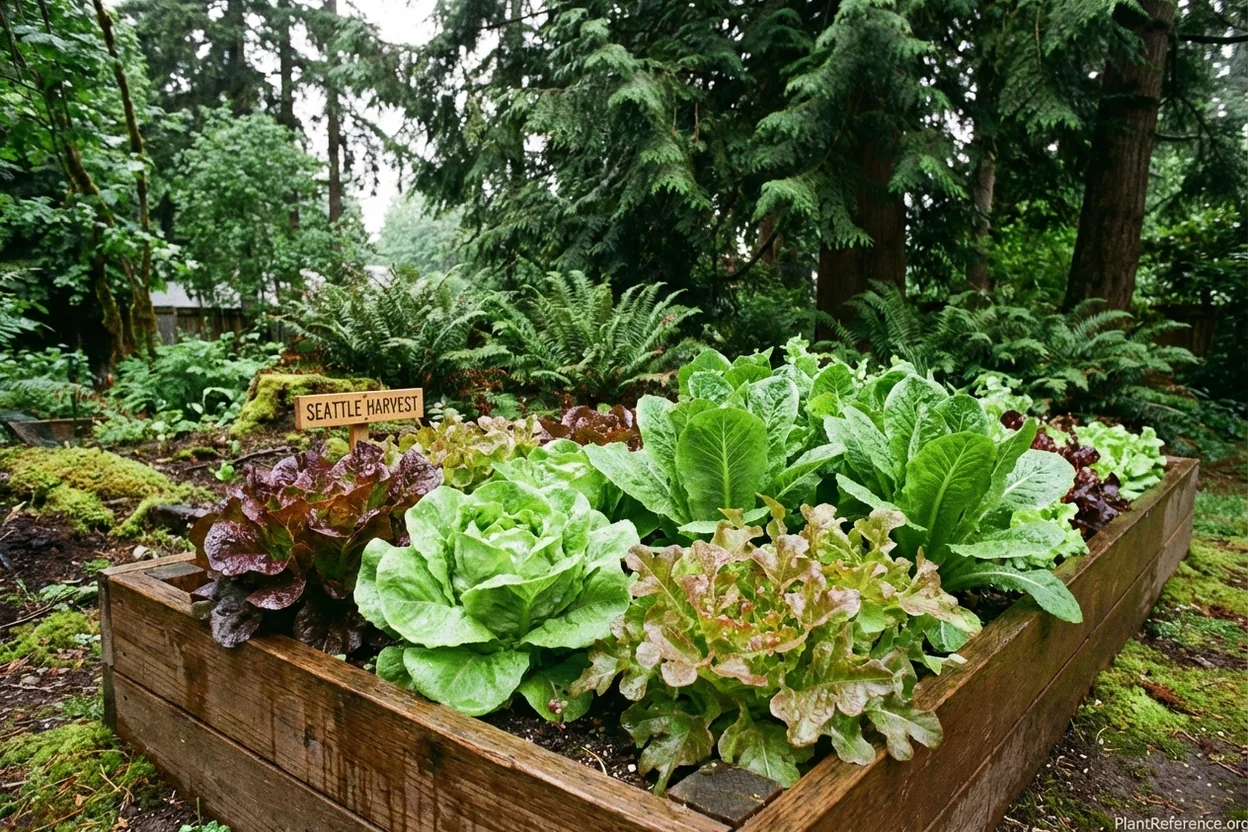
Indoor Seed Starting (Late Winter): February 1-15 (4-6 weeks before outdoor transplanting). Start at 60-70°F (15-21°C). Lettuce germinates in 5-10 days. Indoor starting gets plants ahead of Seattle's cool, slow spring soil temperatures.
Direct Sow (Spring): February 15-March 1. Seattle soil reaches 40°F by mid-February in most years. Lettuce germinates slowly in cool soil (10-14 days) but grows steadily through Seattle's gradual spring warming. Succession sow every 10-14 days from March through October—the longest succession window of any US city.
Transplant Outdoors (Spring): March 1-15. Hardened transplants tolerate Seattle's occasional late frost. Row covers provide insurance through March.
Brief Summer Peak (July-August): Seattle's "gap" is the shortest in the country—3-4 weeks when temperatures occasionally exceed 85°F. Many years, no meaningful gap occurs at all. With shade cloth or afternoon shade from structures, production continues uninterrupted through Seattle's mild summer.
Fall/Winter Sowing: Succession sow through October. For winter production, sow by September 15 under cloches or in high tunnels. Plants established before October's declining day length produce through winter, though growth slows dramatically from December through January.
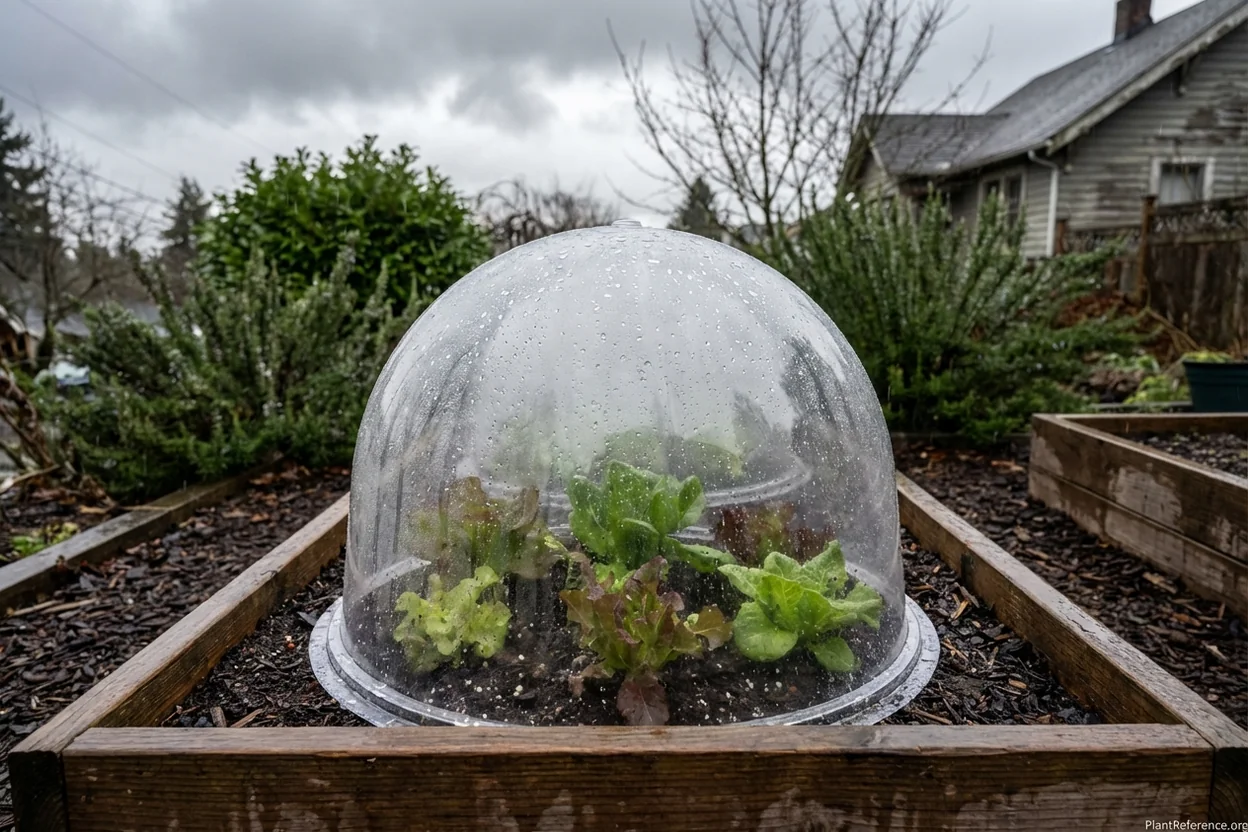
Winter Production: 🌿Lactuca sativa var. longifolia (Romaine) and cold-hardy looseleaf types overwinter under cloches in Seattle's mild Zone 8b. Growth resumes in February as day length increases. The primary winter challenge is keeping foliage dry—rain, not cold, is what damages winter lettuce.
Year-Round Succession: Seattle gardeners can maintain 15-20 succession plantings per year—the highest count of any city in this guide—because the maritime climate supports sowing in every month except possibly January. Raised Bed Vegetable Garden Layout: Planning for Maximum Production
Complete Growing Guide for Seattle
Rain Management: Seattle's Central Challenge
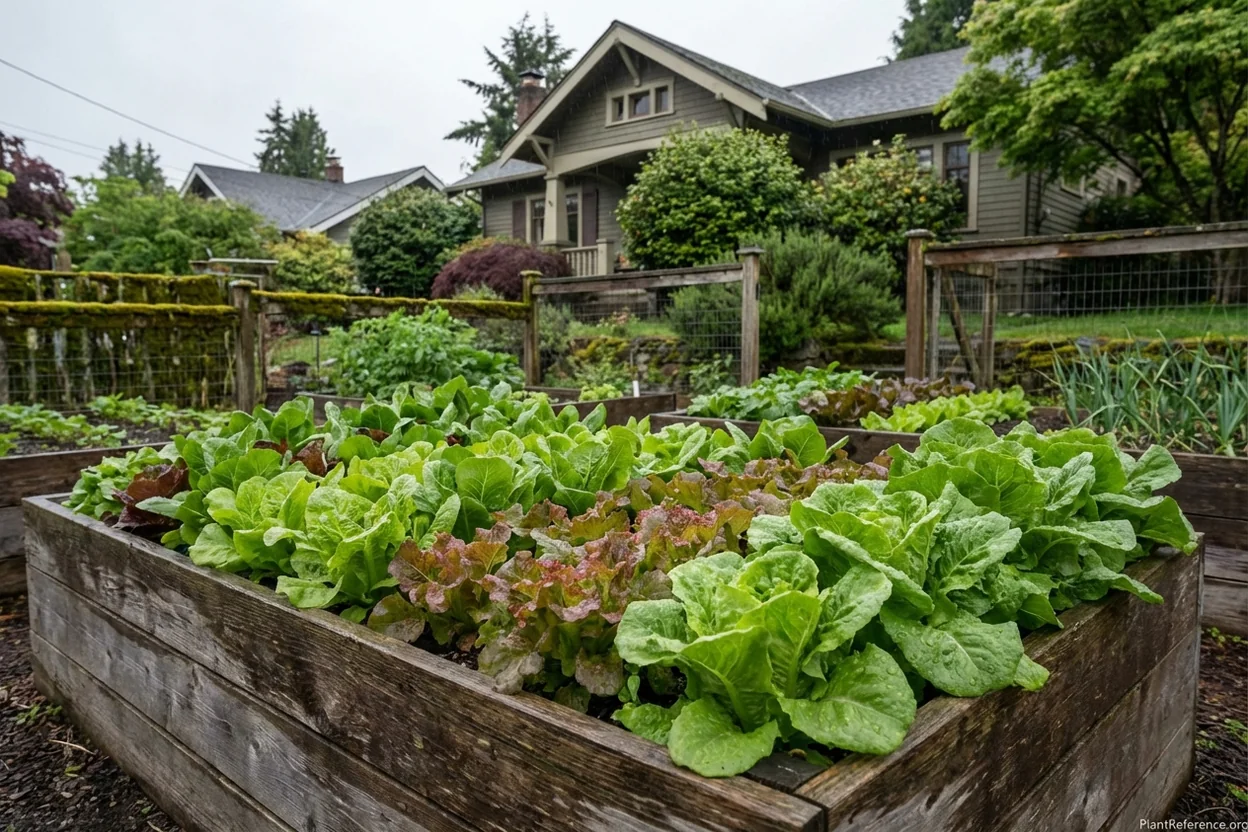
Where every other city in this guide focuses on heat management, Seattle lettuce growers focus on moisture management. The Pacific Northwest receives about 37 inches (94 cm) of annual rainfall—but almost all falls from October through May, exactly when lettuce is most actively growing. Wet foliage promotes downy mildew, basal rot, and slug habitat. Solutions: high tunnels or cloches keep rain off foliage during the wet months while providing light frost protection. Drip irrigation rather than overhead watering during dry summer months. Morning watering when supplemental irrigation is needed so foliage dries before evening. Excellent drainage in raised beds prevents the waterlogging that Seattle's clay-heavy glacial soils create when saturated by winter rain. How to Build a Raised Garden Bed: Step-by-Step Construction Guide
Seattle's Unique Soils
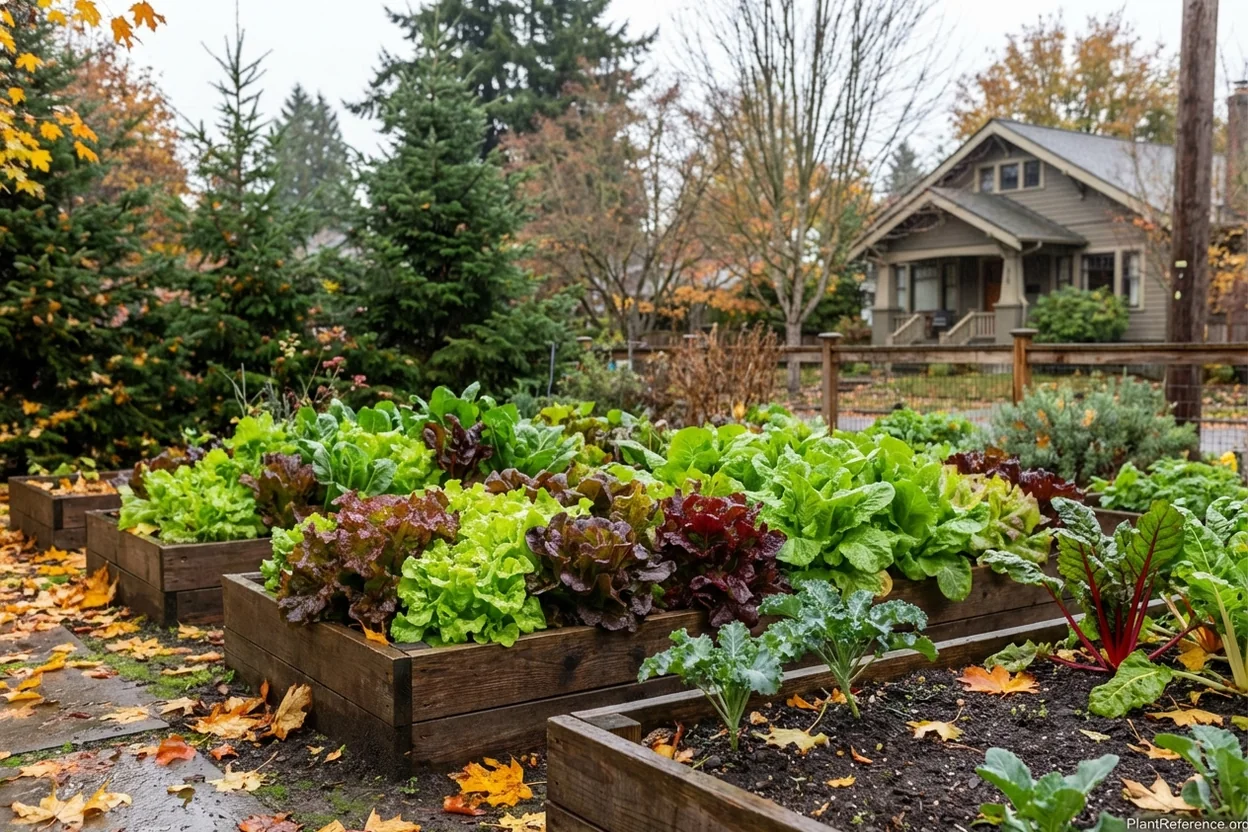
Puget Sound glacial soils range from heavy, poorly draining clay to rocky glacial till. Most Seattle garden soils benefit significantly from 2-3 inches (5-8 cm) of compost worked into the top 8 inches (20 cm). The naturally acidic Pacific Northwest soils (pH 5.5-6.5) are actually closer to lettuce's preferred range than many cities—often requiring no pH adjustment. Raised beds are the standard approach in Seattle because they solve the drainage problems that native clay soils create during the rainy season. Space heading types 8-12 inches (20-30 cm) and looseleaf 4-6 inches (10-15 cm). 5 Best Drip Irrigation Kits for Raised Beds (Tested for Easy Installation)
Cloches and High Tunnels for Winter Production
A simple cloche or low tunnel extends Seattle lettuce production from a 10-month season to a genuine 12-month year-round operation. The primary function isn't warmth—Seattle's mild winters provide adequate temperatures for lettuce survival—but rain protection. Keeping foliage dry prevents the downy mildew, basal rot, and slug damage that wet Pacific Northwest winters inflict on unprotected lettuce. A $50 PVC-and-plastic low tunnel over a 4x8 raised bed transforms winter lettuce growing from marginal to reliable. When to Plant Squash in Seattle: Complete Guide + Best Varieties for Zone 8b
Succession Planting: Seattle's Superpower
Seattle's greatest lettuce advantage is the longest succession planting window of any US city. Sow every 10-14 days from February through October for continuous production. The cool maritime climate means each planting produces for 6-8 weeks before replacement—longer than warmer cities where heat shortens each planting's lifespan. Stagger varieties by maturity: mesclun (30 days), Red Oak Leaf (50 days), Buttercrunch (60 days), and Romaine (75 days) planted simultaneously produce overlapping harvests that sustain continuous salad availability.
Feeding
Light feeder—fish emulsion every 3-4 weeks sustains production. Seattle's naturally acidic, organic-rich soils provide good baseline nutrition. The heavy winter rainfall leaches nutrients faster than in drier climates—increase feeding frequency to every 2-3 weeks during the rainy season for winter production. When to Plant Cucumbers in Seattle: Zone 8b Dates + Best Varieties
Day Length and Winter Growth
Seattle's latitude (47.6°N) creates significant day length variation—from 16 hours in June to 8.5 hours in December. This matters for winter lettuce because growth rate is directly tied to light hours. Plants established before October's declining light produce through winter, but new sowings after mid-October grow very slowly until February's increasing day length restarts vigorous growth. Plan winter lettuce around establishment timing rather than sowing dates. When to Plant Kale in Seattle: Complete Guide + Best Varieties for Zone 8b
Troubleshooting Seattle-Specific Problems
Slugs: Seattle's Primary Lettuce Pest
Slugs are the number one lettuce pest in the Pacific Northwest—far more damaging than in any other US region. Seattle's cool, moist climate creates ideal slug habitat year-round. The native banana slug and introduced European slugs feed nocturnally on lettuce, leaving irregular holes and slime trails. Prevention: water in the morning so soil surface dries by evening, remove daytime hiding spots (debris, large mulch chunks), iron phosphate bait (Sluggo) is highly effective and safe for pets, copper strips around raised bed edges create galvanic barriers. Beer traps work but require constant maintenance. The most effective strategy is combining multiple methods—no single approach eliminates Seattle's persistent slug pressure. Raised Bed Too Hot in Summer: Protecting Plants from Heat Stress
Downy Mildew in Wet Conditions
Seattle's wet fall-through-spring creates downy mildew conditions that rival humid Eastern cities—but through moisture rather than heat. Yellow patches on upper leaf surfaces with gray-white fuzz underneath. Prevention: cloches and high tunnels keeping foliage dry during the rainy season, adequate spacing for airflow (12 inches minimum for heading types), morning watering only when supplemental irrigation is needed, and immediate removal of infected leaves. Raised Bed Pest Problems: Identification and Organic Control Methods
Winter Light Limitation
Seattle's northern latitude (47.6°N) reduces winter day length to 8.5 hours in December—insufficient for vigorous growth. Prevention: establish winter lettuce plants by September 15 while day length still supports growth. Winter production relies on plants that are already mature or near-mature, not on growing new plants from seed. New sowings from mid-October through January grow extremely slowly until February's increasing light restarts the growth cycle.
Brief Summer Heat Events
Seattle occasionally experiences 85-90°F heat waves during July-August that can trigger bolting in sensitive varieties. Prevention: shade cloth during heat events, harvesting 🌿Lactuca sativa 'Bibb' and other heat-sensitive varieties before the warm period, and relying on bolt-resistant 🌿Lactuca sativa 'Buttercrunch' and 🌿Lactuca sativa var. crispa (Red Oak Leaf) to carry production through the brief warm period. Seattle's heat events rarely last more than a week. Best Soil Mix for Raised Beds: Creating the Perfect Growing Medium
Harvest & Storage
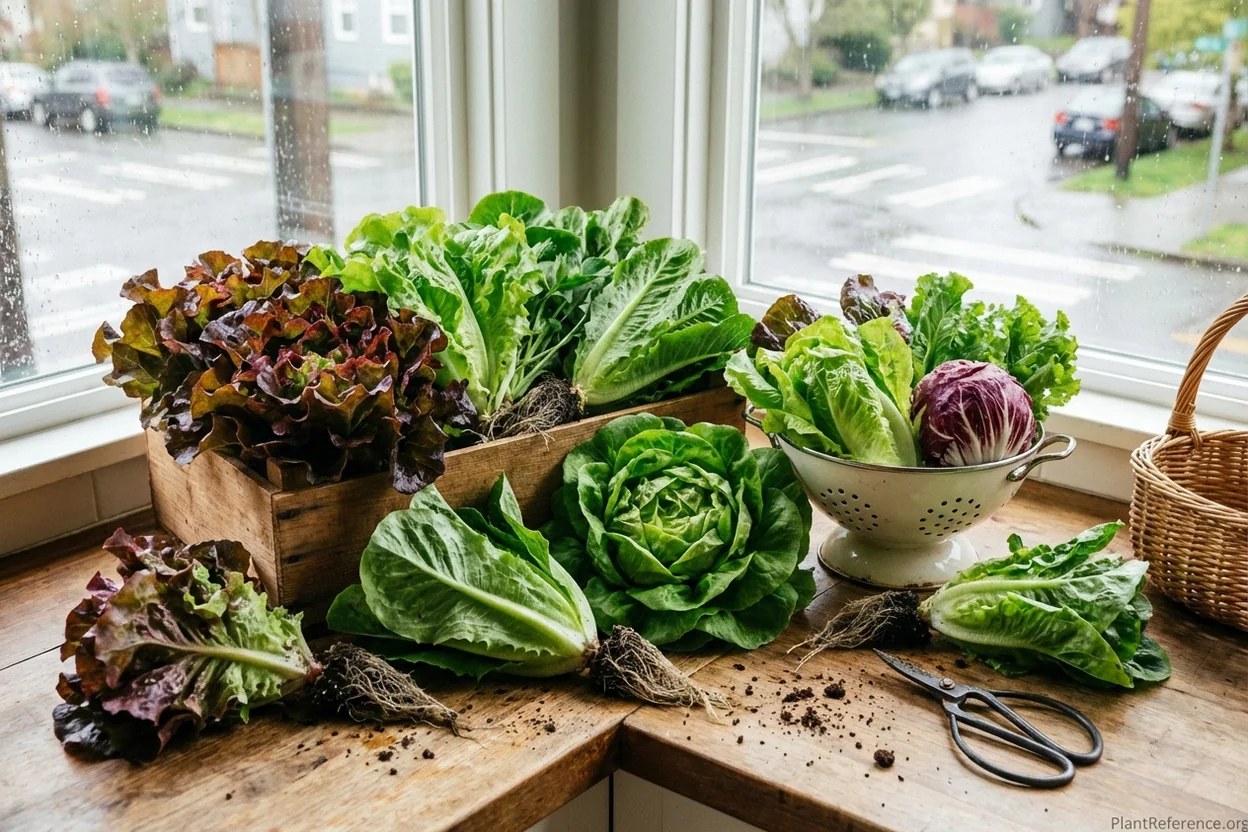
Harvest looseleaf types using cut-and-come-again—cut outer leaves 1 inch above the crown for 4-6 regrowth cycles over 6-8 weeks (longer than any other city because cool temperatures delay bolting). Harvest heading types by cutting entire heads at the base when firm. Morning harvest captures peak crispness.
Seattle's fall and winter lettuce benefits from the same frost-sweetening that other cities experience—temperatures in the 28-32°F range trigger starch-to-sugar conversion. But Seattle's unique advantage is that this sweetening occurs across a longer period (November through February) because the mild marine climate produces gentle, repeated frost events rather than the hard killing freezes that end the season in colder zones.
Store harvested lettuce refrigerated in damp paper towels inside a loose bag—keeps 7-10 days. Plan harvests to match consumption. Seattle's near year-round production means fresh lettuce is available in every month, reducing the need for any preservation strategy. The city's farmers market culture—from Pike Place Market's year-round vendors to the seasonal neighborhood markets across Capitol Hill, Fremont, and Columbia City—demonstrates the demand for fresh, locally grown lettuce that Seattle's extraordinary climate uniquely delivers among major US cities. The Complete Guide to Raised Bed Gardening for Beginners (2025)
Frequently Asked Questions
Reading about plants and recognising them are different skills. These three build the second.
- Daily PlantIdentify the day’s mystery plant from a close-up photograph.
- Keyed OutWork a dichotomous key, lead by lead, to name a hidden specimen.
- Name That PlantName a specimen from botanical clues dealt hardest first.
Free to play, no account needed
Tagged with
Aisha manages a small tropical nursery on the east side of Houston, specializing in plants that can handle the Gulf Coast's humidity, heat, and unpredictable flooding. She studied horticulture in college and worked at a wholesale grower before opening her own operation. Growing up, her parents kept a kitchen garden with okra, bitter gourd, and curry leaf plants—a tradition she's continued. Houston's subtropical climate lets her grow things most of the country can't, but it also means dealing with fungal issues, standing water, and summers where it's too hot for even tomatoes. Aisha writes about tropical and subtropical plant care, humidity management, and working with heavy clay soils.