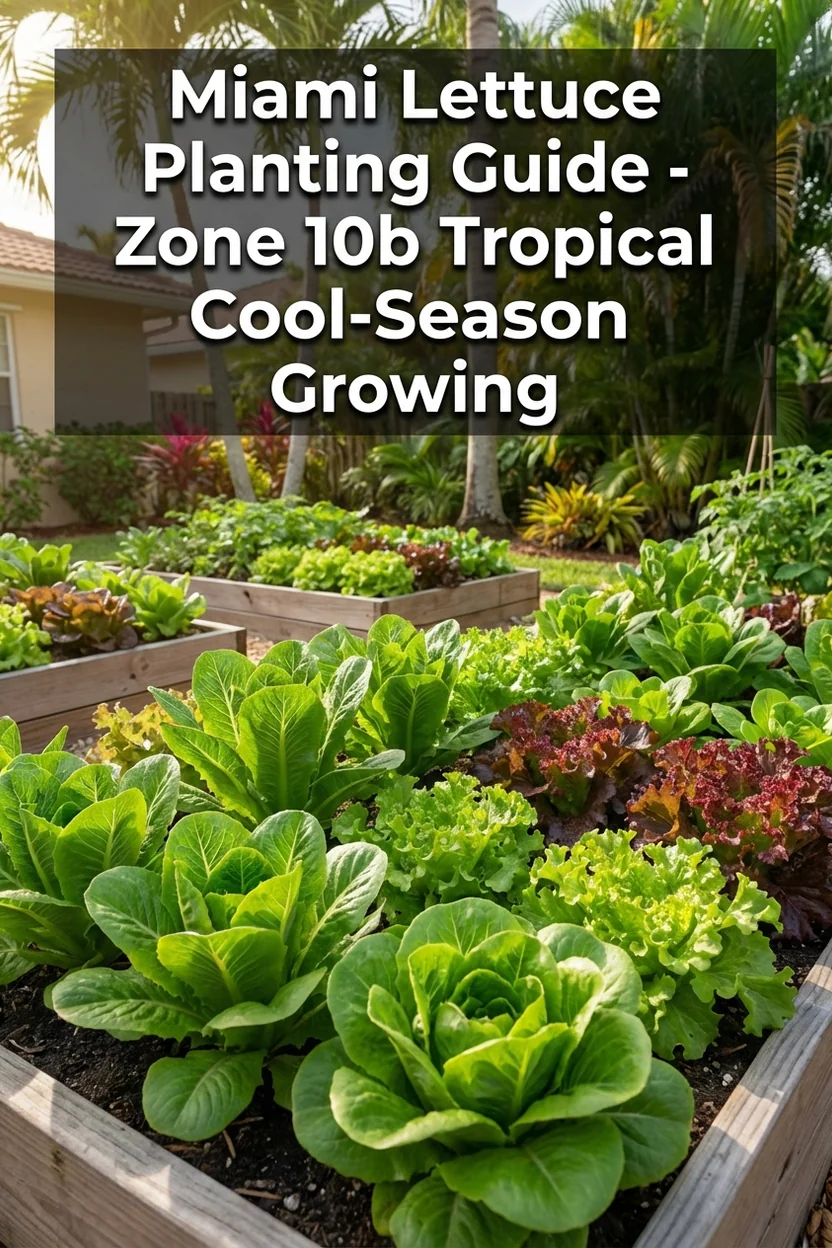
When to Plant Lettuce in Miami: Complete Guide + Best Varieties for Zone 10b
Pets & Toxicity
Recorded toxicity for plants linked in this guide. An unknown status is not a safety assessment.
No linked plant is recorded as toxicDetailsHide
Lactuca sativa var. crispa — Toxicity: Not assessed
Lactuca sativa var. crispa is non-toxic and safe for human consumption. All parts of the plant are edible, though leaves are the primary harvest. Generally safe around pets, though large quantities may cause mild digestive upset in some animals.View Lactuca sativa var. crispa plant profile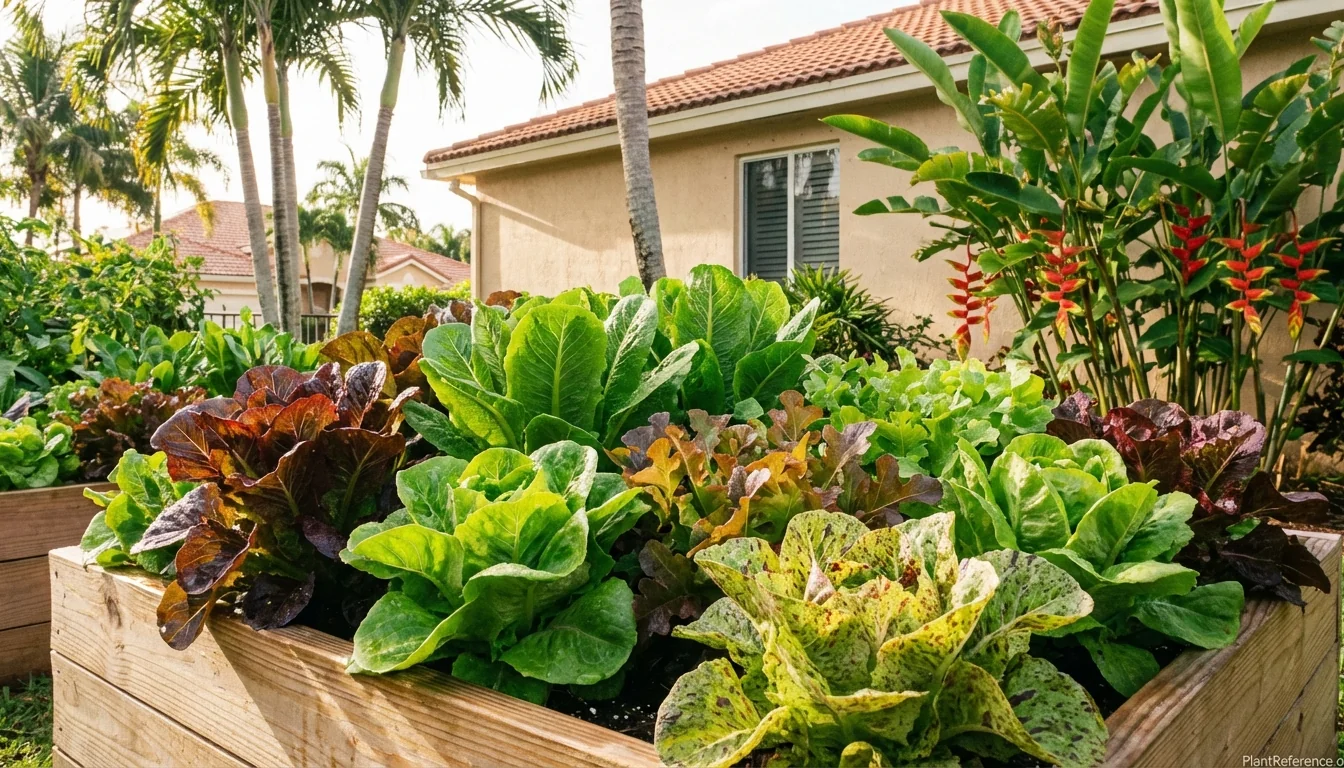
— Image © Plant Reference 2026
Miami is the most challenging city for lettuce in this entire 30-city guide—not because of cold (Miami never freezes) or drought (Miami receives 62 inches of annual rainfall) but because of humidity. South Florida's tropical climate delivers 80-90% humidity year-round, creating the most intense downy mildew pressure of any city and making the disease management strategies that other cities treat as precautionary into absolute necessities in Miami. The summer gap runs 20+ weeks from April through mid-October—the longest east of Phoenix—driven by the devastating combination of 90°F+ temperatures with tropical humidity that sustains bolting and disease around the clock. But the cool-season window from November through March is genuinely productive when humidity management is prioritized. Miami's tropical winter delivers daytime temperatures of 75-82°F with overnight lows of 60-68°F—warmer than ideal for lettuce but workable with the right variety selection. The critical advantage is that Miami never freezes: this is the only city in the guide where frost damage is literally impossible, meaning lettuce faces zero cold risk during the entire cool-season window. The trade-off is that even during winter, Miami's humidity rarely drops below 65-75%—higher than Memphis's peak growing-season humidity—creating persistent downy mildew conditions that no other winter-growing city experiences. Miami's food culture—from the Coconut Grove Farmers Market to Wynwood's vibrant restaurant scene to the farm-to-table movement across Coral Gables and the Design District—values locally grown greens, and South Florida's agricultural heritage (the Homestead/Redland area south of Miami is one of America's most productive winter vegetable regions) provides the expertise and variety selection that makes tropical lettuce growing feasible despite the humidity challenge. When to Plant Tomatoes in Miami: Complete Guide + Best Varieties for Zone 10b
Best Lettuce Varieties for Miami's Climate
Miami sits in USDA Zone 10b with no meaningful frost dates—the only truly frost-free city in this guide. For lettuce, variety selection prioritizes disease resistance above all else because Miami's humidity challenges every variety even during the cool season.
Variety | Type | Days to Harvest | Disease Resistance | Best For |
|---|---|---|---|---|
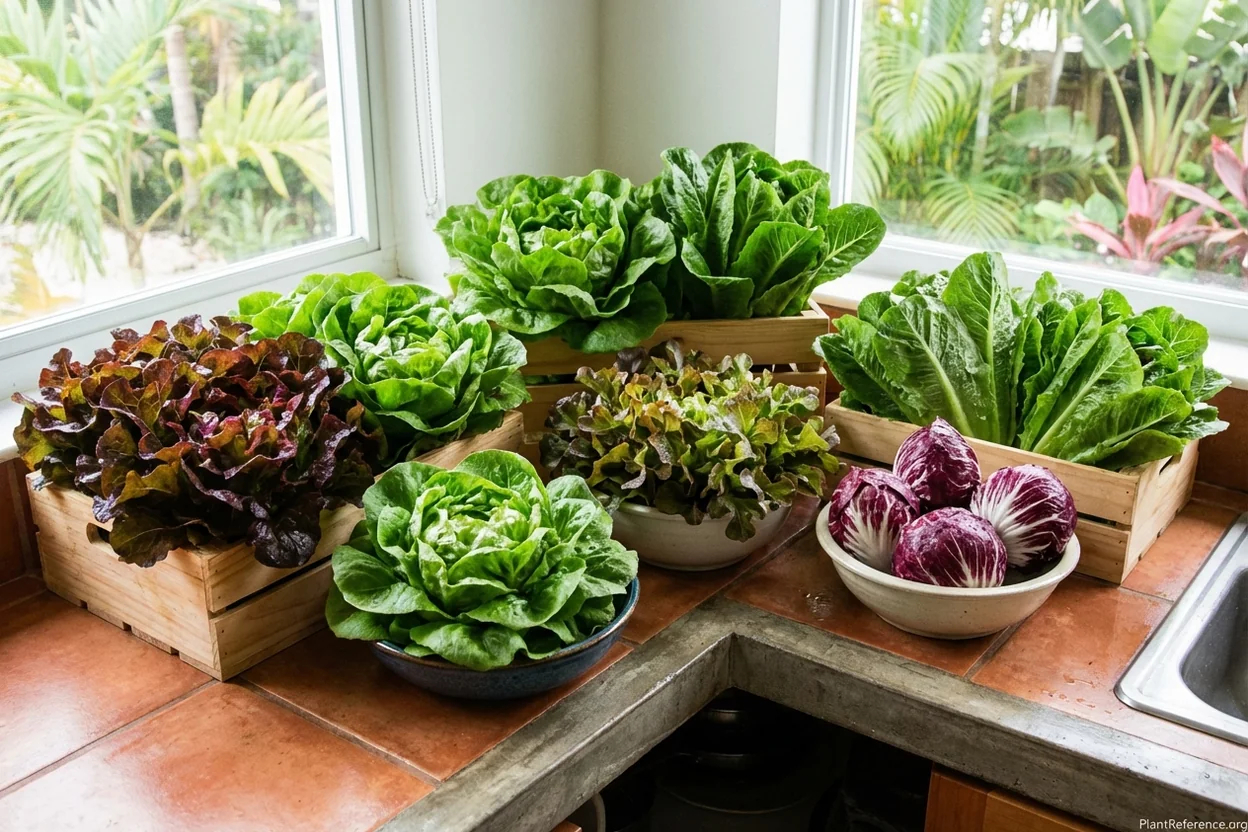
Butterhead | 55-65 days | Good | Best all-around for Miami | |
🌿Lactuca sativa var. crispa (Red Oak Leaf) | Looseleaf | 45-55 days | Best | Disease resistant, fast |
Mesclun Mix | Seedling mix | 30-40 days | Good (harvested early) | Fastest harvest, essential |
🌿Lactuca sativa var. longifolia (Romaine) | Cos | 70-80 days | Moderate | Winter only, tight timing |
Butterhead | 55-65 days | Poor | High-risk, winter only | |
🌿Lactuca sativa var. capitata (Iceberg) | Crisphead | 80-90 days | Poor | Not recommended for Miami |
🌿Lactuca sativa 'Buttercrunch' leads for Miami because its thick, blistered leaves provide the best humidity resistance among butterhead types. The compact rosettes allow airflow around the base that reduces the trapped moisture promoting basal rot in tight-heading varieties. Buttercrunch maintains acceptable flavor in Miami's warm winter conditions that push other varieties toward premature bitterness.
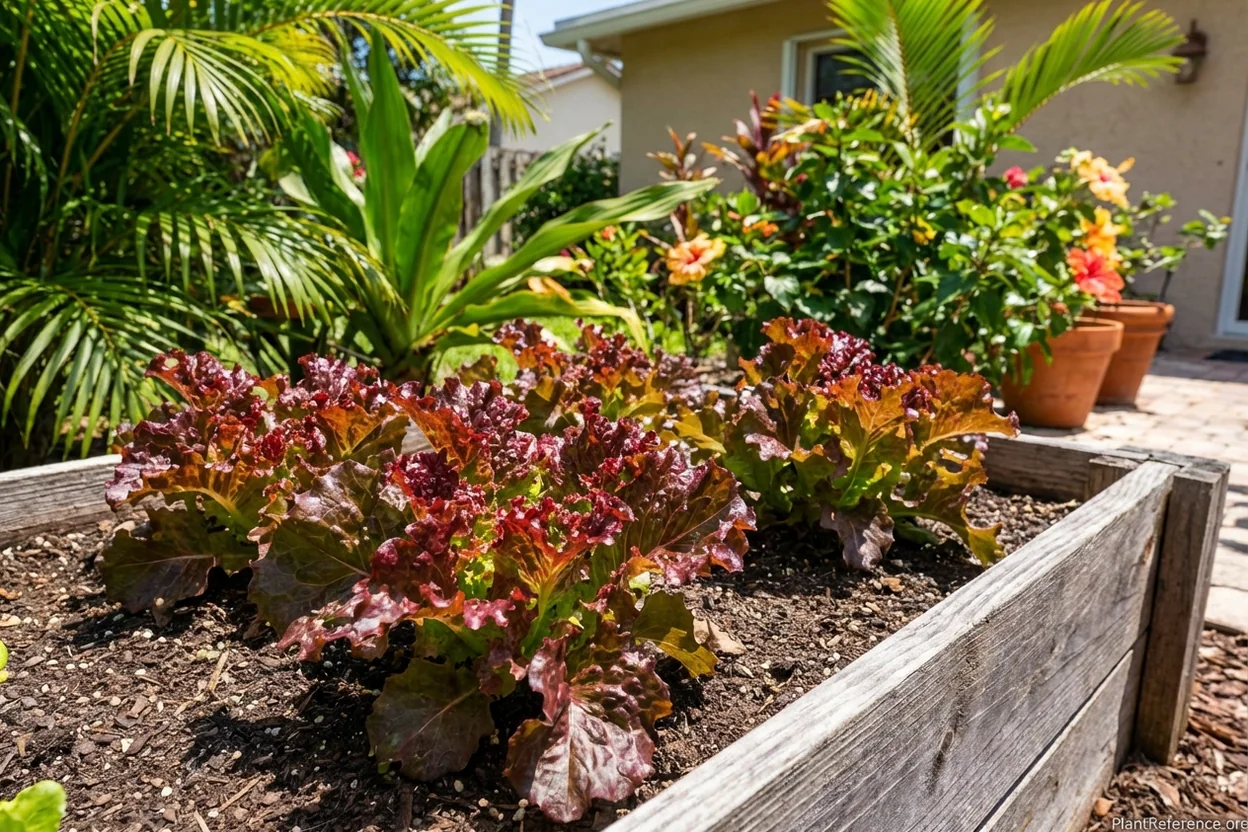
🌿Lactuca sativa var. crispa (Red Oak Leaf) at 45-55 days is Miami's most disease-resistant option—the open rosette form eliminates the trapped moisture that drives downy mildew and basal rot in heading types. This is the single best variety for Miami's extreme humidity conditions. Cut-and-come-again harvesting produces for 3-4 weeks per planting.
Mesclun Mix at 30-40 days is essential for Miami because the baby-leaf format is harvested before disease can establish. The rapid cycle means mesclun is consumed before Miami's humidity degrades quality.
🌿Lactuca sativa var. longifolia (Romaine) at 70-80 days is feasible during Miami's coolest months (December-February only) but the tight heading traps moisture in humid conditions, increasing disease risk.
🌿Lactuca sativa 'Bibb' is high-risk in Miami—the delicate leaves and tight heads are extremely vulnerable to the humidity-driven diseases that define South Florida growing.
🌿Lactuca sativa var. capitata (Iceberg) at 80-90 days is not recommended for Miami—the tight heading, long maturation, and extreme moisture sensitivity make it impractical in tropical humidity. When to Plant Peppers in Miami: Complete Guide + Best Varieties for Zone 10b
Specific Planting Dates for Miami Gardens
Miami's lettuce calendar is the most restricted in the eastern United States—only five months of practical production in the most challenging humidity conditions of any city.
Fall Sowing (Season Start): October 15-November 1. Start seeds indoors under AC to bypass thermoinhibition from soil that remains above 80°F through most of October. Transplant outdoors by early November when temperatures begin moderating.
Peak Winter Production: December through February. Miami's best lettuce months—the coolest temperatures (75-80°F days, 60-65°F nights) with the lowest humidity of the year (65-75%, still higher than most cities' peak). This three-month window is when Miami lettuce genuinely succeeds.
Late Season: March. Production continues but quality declines rapidly as temperatures climb above 82°F and humidity increases toward the summer monsoon pattern. Harvest remaining heads by late March.
Summer Gap (April through Mid-October): Miami's extended gap—20+ weeks when 90°F+ temperatures combine with 80-90% tropical humidity and intense afternoon thunderstorms. No lettuce variety survives meaningful production during South Florida's long, brutal summer. The gap is comparable to Phoenix's in duration but driven by humidity rather than dry heat.
Year-Round Succession: Miami supports 6-8 succession plantings from late October through February—fewer than most cities because the window is shorter and each planting requires more intensive disease management. Raised Bed Vegetable Garden Layout: Planning for Maximum Production
Complete Growing Guide for Miami
South Florida Limestone Soil
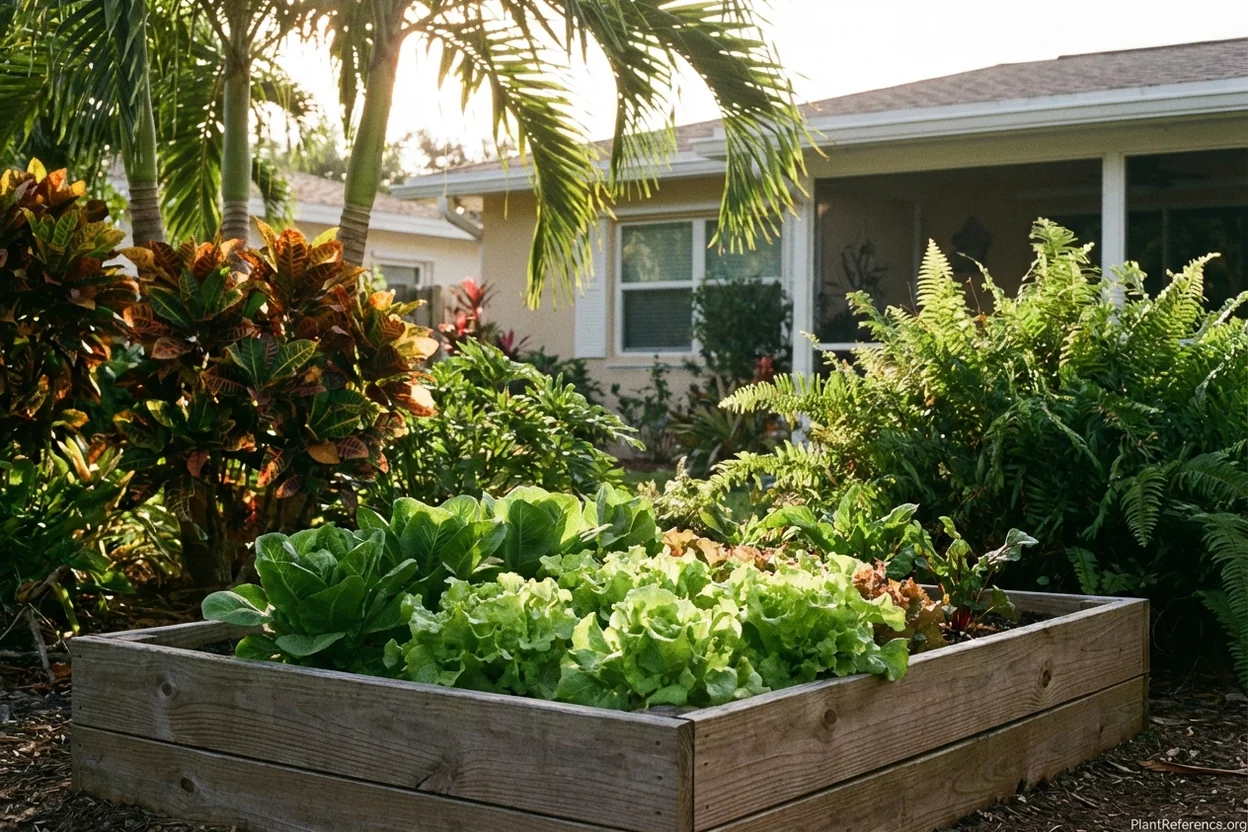
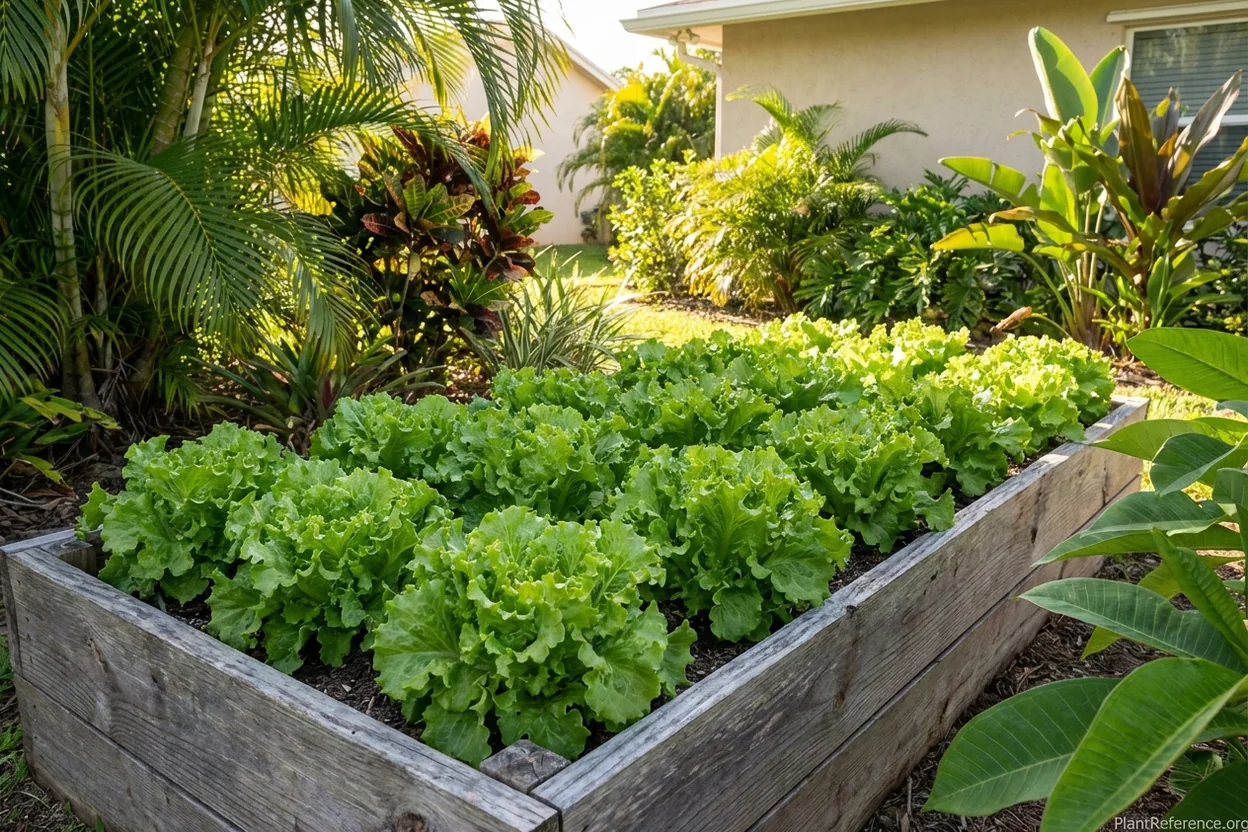
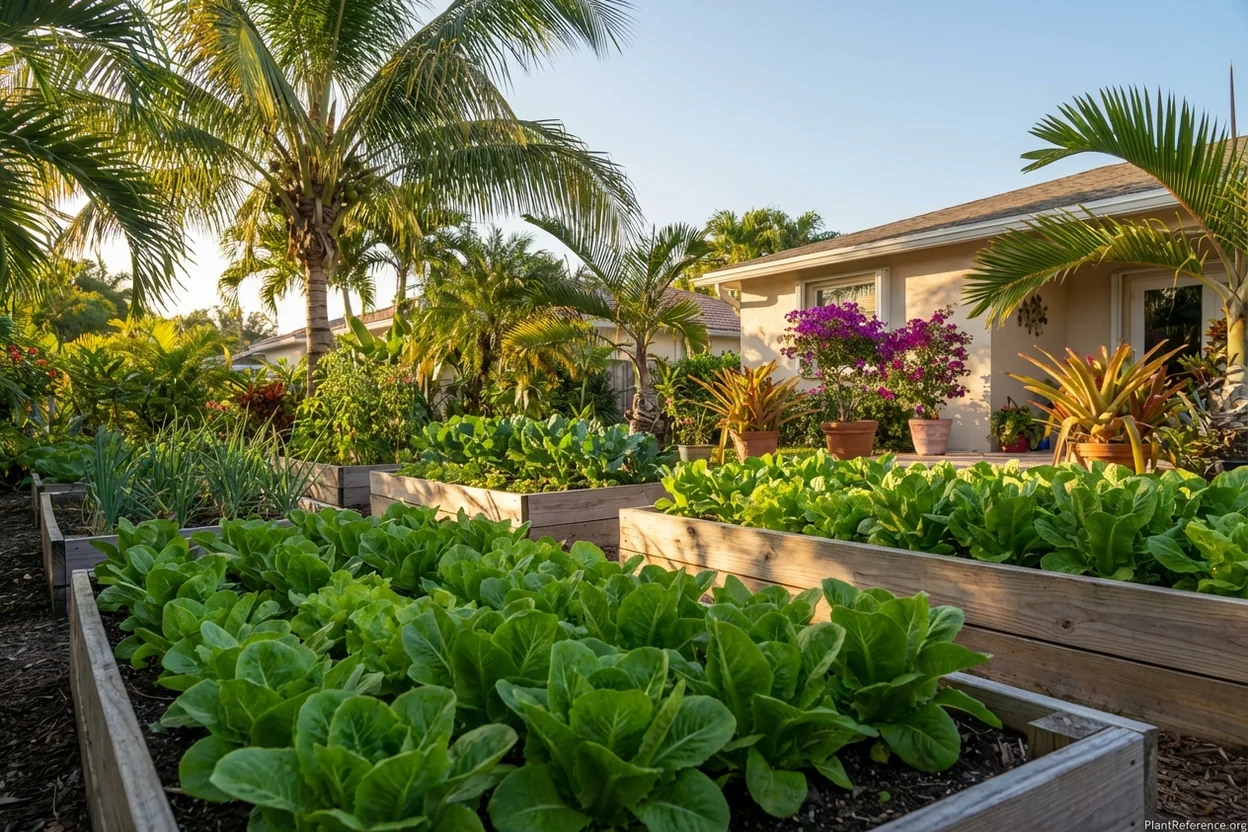
Miami sits on oolitic limestone—porous, alkaline (pH 7.5-8.5) rock that creates unique growing conditions. Native Miami soil is essentially crusite rock with a thin organic layer. Raised beds with imported soil mix are mandatory—not because of clay drainage issues like Piedmont cities but because native Miami "soil" is rock. Fill raised beds with 50% topsoil, 30% compost, and 20% perlite. Chelated iron spray every 2-3 weeks prevents the chlorosis that Miami's extreme alkalinity causes. The porous limestone actually provides excellent drainage—the opposite of clay cities' waterlogging problems—but retains almost no moisture or nutrients. Space heading types 12-15 inches (30-38 cm)—wider than other cities—because airflow between plants is the single most important disease prevention strategy in Miami. Looseleaf types 6-8 inches (15-20 cm). How to Build a Raised Garden Bed: Step-by-Step Construction Guide
Humidity Management: Miami's Defining Challenge
Miami's humidity (65-90% year-round) creates the most intense disease pressure of any city in this guide—worse than Memphis (75-85%), worse than Atlanta (70-80%), worse than any other city during any season. Solutions: drip irrigation is absolutely mandatory—never use overhead watering under any circumstances. Morning watering only so any residual moisture dries before humid evening conditions promote disease. Extra-wide spacing (12-15 inches for heading types) maximizes airflow. Looseleaf and open-rosette varieties resist humidity damage dramatically better than heading types. Remove any leaf showing disease symptoms immediately—delay allows rapid spread in Miami's constant moisture. 5 Best Drip Irrigation Kits for Raised Beds (Tested for Easy Installation)
Shade Cloth for Fall Establishment
Shade cloth (40-50%) is essential during the October-November establishment period when temperatures still exceed 85°F. Remove by December when cooler temperatures and lower sun angle create ideal growing conditions. Shade cloth is counterproductive during peak winter because Miami's already-warm temperatures don't need further protection and the reduced airflow increases humidity around plants. When to Plant Squash in Miami: Complete Guide + Best Varieties for Zone 10b
Succession Planting in a Restricted Window
Miami's five-month window supports 6-8 succession plantings from late October through February. Emphasize fast varieties: mesclun (30 days), Red Oak Leaf (50 days), and Buttercrunch (60 days). Romaine (75 days) is feasible only during the December-February peak. Each planting requires vigilant disease monitoring that less humid cities don't demand. When to Plant Cucumbers in Miami: Zone 10b Dates + Best Varieties
Feeding
Light feeder—fish emulsion every 3-4 weeks. Miami's alkaline limestone requires chelated iron spray every 2-3 weeks. The porous limestone retains almost no nutrients—more frequent feeding is needed than in cities with nutrient-retaining clay soils. Avoid excess nitrogen that increases the lush growth susceptible to downy mildew in Miami's humid conditions. When to Plant Kale in Miami: Complete Guide + Best Varieties for Zone 10b
Miami's Agricultural Heritage
South Florida's Homestead/Redland area just south of Miami is one of America's most productive winter vegetable regions, growing lettuce commercially in the same tropical conditions that home gardeners face. This agricultural heritage means Miami nurseries stock humidity-resistant varieties, and the Miami-Dade Extension provides tropical-specific growing guidance unavailable in temperate climate extension offices.
Troubleshooting Miami-Specific Problems
Extreme Tropical Humidity and Downy Mildew
Miami's defining lettuce challenge—80-90% summer humidity dropping to only 65-75% during the "dry" winter growing season creates the worst downy mildew conditions of any city in this guide. Prevention: looseleaf and open-rosette varieties only (🌿Lactuca sativa var. crispa Red Oak Leaf is the best choice), mandatory drip irrigation, 12-15 inch spacing, morning watering exclusively, and immediate removal of infected material. Even with perfect management, some disease pressure is unavoidable in Miami—accept occasional losses as part of tropical lettuce growing. Raised Bed Too Hot in Summer: Protecting Plants from Heat Stress
Extended Summer Gap (20+ Weeks)
Miami's gap rivals Phoenix as the longest in this guide—driven by the combination of 90°F+ heat with 80-90% humidity and intense afternoon thunderstorms from April through mid-October. Prevention: complete acceptance. Miami's summer is even more hostile to lettuce than Phoenix's because the humidity sustains disease conditions that dry heat does not. Raised Bed Pest Problems: Identification and Organic Control Methods
Warm Winter Temperatures
Miami's coolest months (December-February) still produce daytime temperatures of 75-82°F—warmer than the ideal 60-70°F range for lettuce and warmer than any other city's winter growing window. Prevention: heat-tolerant varieties (🌿Lactuca sativa 'Buttercrunch', Red Oak Leaf), morning harvest before 9 AM when quality peaks, and acceptance that Miami lettuce will have slightly more bitter undertones than lettuce grown in cooler climates.
Limestone Soil Nutrient Leaching
Miami's porous limestone retains almost no nutrients—fertilizer leaches through rapidly. Prevention: frequent light feeding (fish emulsion every 2-3 weeks rather than monthly), heavy compost amendment retaining nutrients, and chelated iron spray every 2-3 weeks for the severe alkalinity. Best Soil Mix for Raised Beds: Creating the Perfect Growing Medium
Harvest & Storage
Harvest looseleaf types using cut-and-come-again—cut outer leaves 1 inch above the crown for 2-3 regrowth cycles. Miami's warm conditions produce faster regrowth but also faster quality decline than cooler cities—harvest more frequently in smaller quantities for the best flavor. Harvest heading types by cutting entire heads at the base when firm. Morning harvest before 9 AM is critical in Miami because the tropical heat builds rapidly and concentrates bitter compounds faster than in any other city.
Miami lettuce never experiences frost-sweetening because frost never occurs. The quality advantage in Miami is freshness—the ability to harvest lettuce in January when Northern cities are frozen provides value that no amount of shipping from commercial operations can replicate. Homegrown Miami winter lettuce, consumed within hours of harvest, delivers a quality experience that compensates for the humidity-driven challenges that make growing it more difficult than in temperate climates.
Store harvested lettuce refrigerated in damp paper towels inside a loose bag—keeps 5-7 days (shorter than cooler climates because Miami lettuce tends toward higher water content from the humid growing conditions). Miami's five-month effective lettuce window (November-March) provides fresh lettuce through the winter months when the tropical climate cooperates with cool-season crops. The city's food culture—from the Coconut Grove Farmers Market to Wynwood's restaurants to the Coral Gables farm-to-table scene—values the freshness that locally grown winter lettuce uniquely delivers in a tropical city where most vegetables must be imported during the summer months when local production is impossible. The Complete Guide to Raised Bed Gardening for Beginners (2025)
Frequently Asked Questions
Reading about plants and recognising them are different skills. These three build the second.
- Daily PlantIdentify the day’s mystery plant from a close-up photograph.
- Keyed OutWork a dichotomous key, lead by lead, to name a hidden specimen.
- Name That PlantName a specimen from botanical clues dealt hardest first.
Free to play, no account needed
Tagged with
Maria is a tropical plant grower in Miami who maintains a half-acre property packed with palms, fruit trees, and tropical ornamentals. She grew up in Puerto Rico surrounded by tropical plants and moved to South Florida for college, earning a biology degree. Maria worked at a major tropical botanic garden for several years before transitioning to freelance writing and consulting. She specializes in tropical fruit growing, hurricane-resilient landscaping, and the particular challenges of gardening in South Florida—salt air, limestone soil, intense rain, and the threat of tropical storms. Maria's practical about the realities of tropical gardening: it's not paradise if you don't understand what you're dealing with.