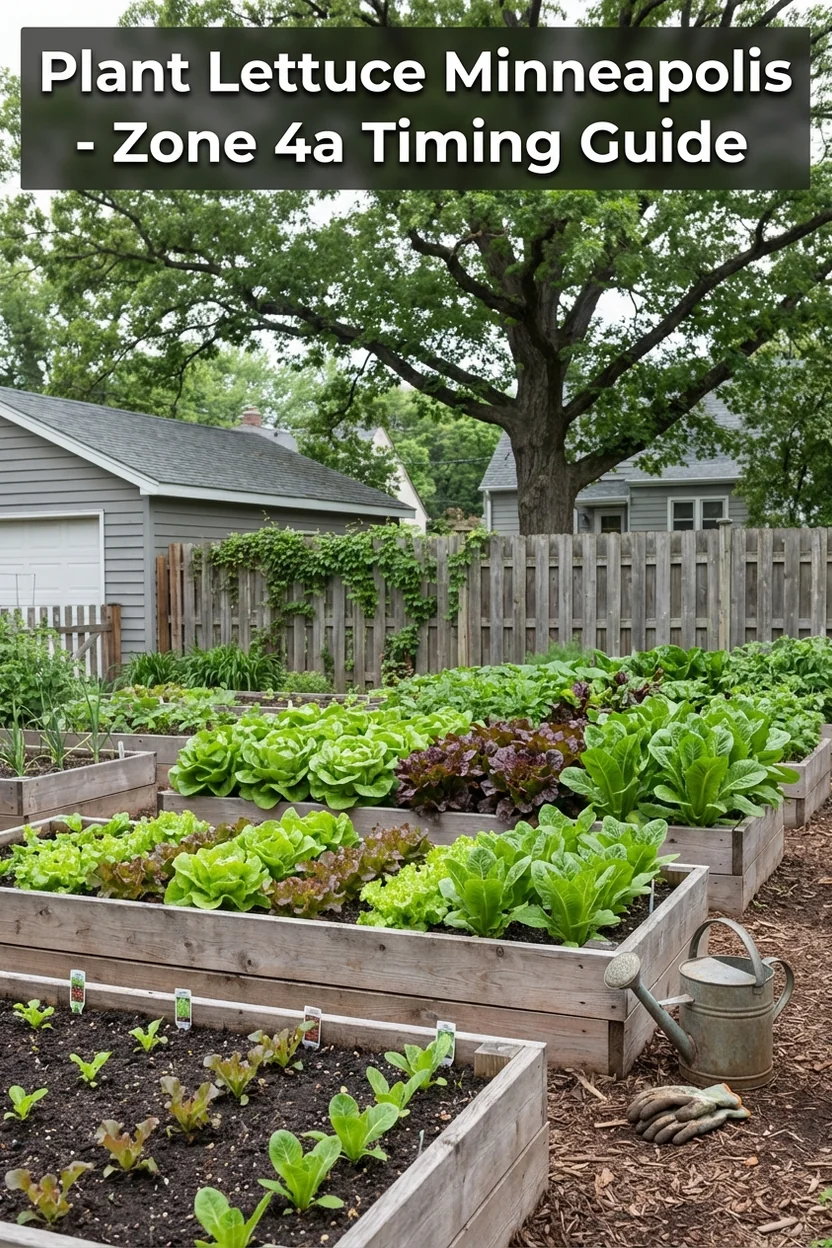
When to Plant Lettuce in Minneapolis: Complete Guide + Best Varieties for Zone 4a
Pets & Toxicity
Recorded toxicity for plants linked in this guide. An unknown status is not a safety assessment.
No linked plant is recorded as toxicDetailsHide
Lactuca sativa 'Black Seeded Simpson' — Toxicity
Non-toxicView Lactuca sativa 'Black Seeded Simpson' plant profileLactuca sativa 'Parris Island Cos' — Toxicity
Non-toxicView Lactuca sativa 'Parris Island Cos' plant profile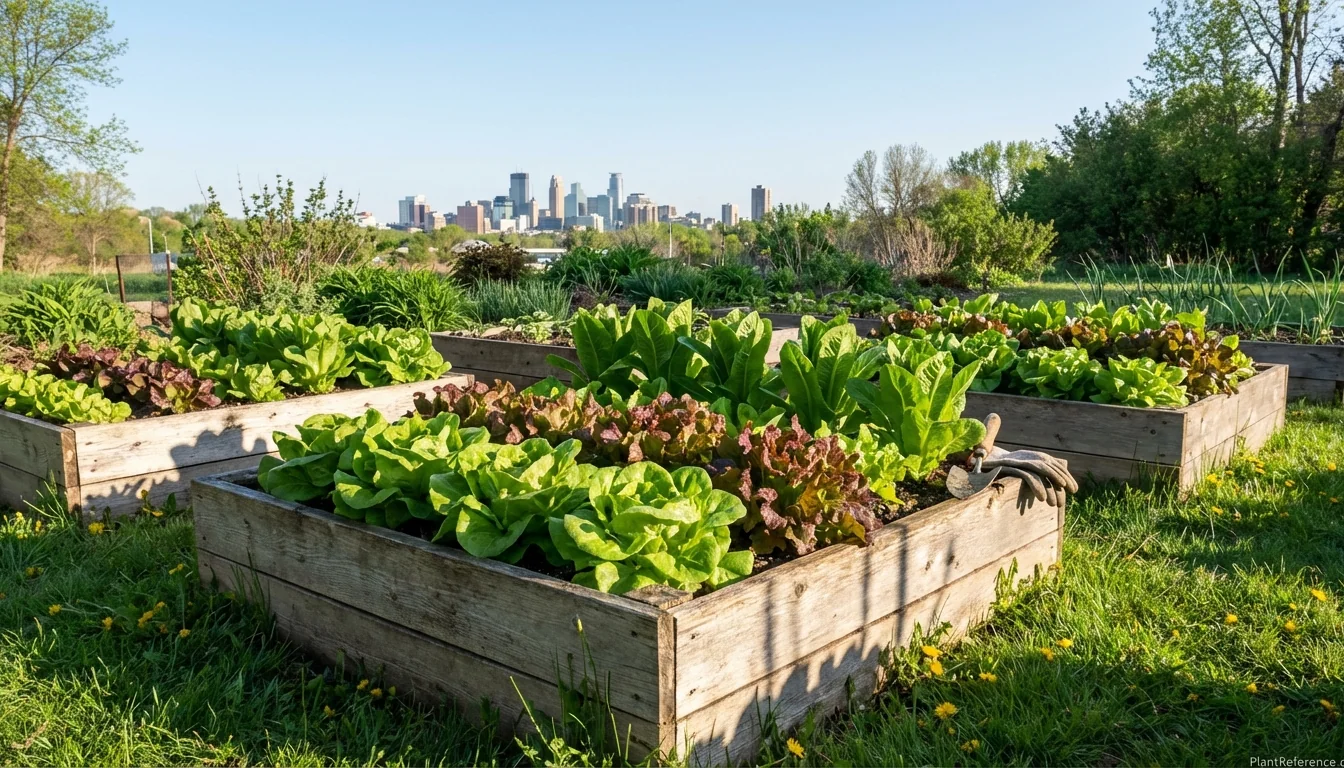
— Image © Plant Reference 2026
Planning your lettuce garden in Minneapolis means working within Zone 4a's challenging 138-day growing season. With our last frost hitting around May 14 and first frost arriving September 29, successful lettuce cultivation requires precise timing and smart variety selection.
Minneapolis gardeners face unique challenges that gardeners in milder zones simply don't encounter. Our short season means every day counts, and choosing the wrong variety or planting dates can mean the difference between a successful harvest and watching your crop bolt in the heat or freeze before maturity. After forty years of gardening in Minnesota, I've learned exactly which varieties thrive here and when to plant them for maximum success.
Best Lettuce Varieties for Minneapolis's Zone 4a Climate
Not all lettuce varieties are created equal when it comes to Minneapolis's challenging growing conditions. The key is selecting cultivars that can handle cool spring soil, mature quickly enough to beat the summer heat, and provide the flexibility for both spring and fall plantings.
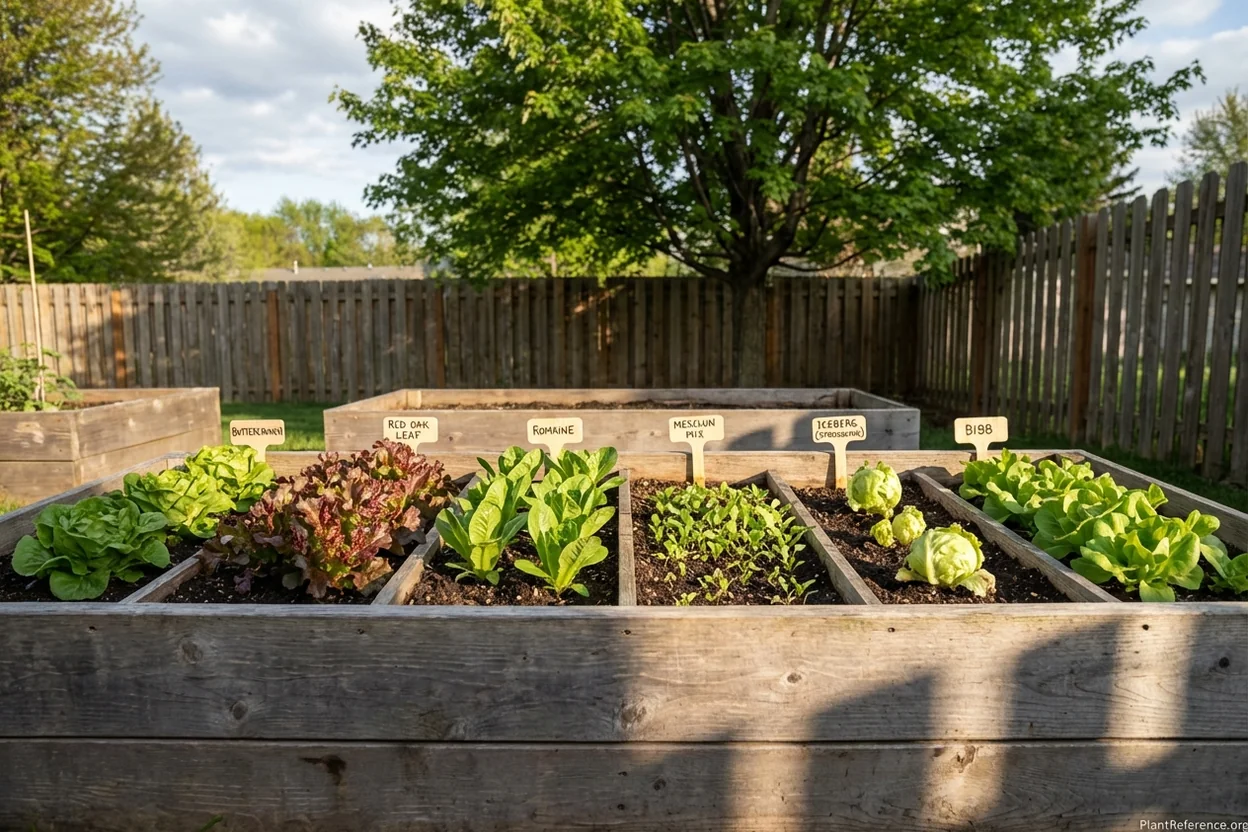
The varieties that excel in Minneapolis share common traits: quick maturation, bolt resistance, and tolerance for temperature fluctuations. Here's what works best in our Zone 4a conditions:
Top Performers for Minneapolis:
🌿Lactuca sativa 'Buttercrunch' - This All-America Selection winner matures in just 55-65 days and handles spring temperature swings better than traditional Bibb types
🌿Lactuca sativa 'Red Oak Leaf' - Fast-growing at 45-55 days, with excellent bolt resistance and natural cold hardiness that intensifies its burgundy coloring
🌿Lactuca sativa 'Black Seeded Simpson' - A reliable looseleaf variety that's been grown in Minnesota gardens since the 1800s, maturing in 40-50 days
🌿Lactuca sativa 'Arctic King' - Specifically bred for northern climates, this butterhead type withstands light frosts and matures in 60 days
Mesclun Mix varieties - Harvest in 30-35 days, perfect for succession planting throughout our short season
Varieties to Avoid in Minneapolis:
Large, slow-growing heading types like 🌿Lactuca sativa 'Iceberg' and 🌿Lactuca sativa 'Great Lakes' rarely succeed here. They require 80-90 days to mature, which means starting them indoors in March and protecting them from both late spring frosts and early fall freezes. Unless you're committed to season extension with row covers and cold frames, stick with the faster varieties.
Variety | Days to Maturity | Best For | Notes for Minneapolis |
|---|---|---|---|
55-65 days | Spring/Fall | Excellent cold tolerance, compact size | |
45-55 days | Continuous harvest | Cut-and-come-again harvesting extends season | |
60 days | Fall planting | Bred for northern climates, frost tolerant | |
40-50 days | Quick succession | Historical Minnesota variety, proven reliable | |
68-75 days | Heat tolerance | Best Romaine for Minneapolis summers | |
Mesclun Mix | 30-35 days | Maximum efficiency | Multiple harvests per season possible |
The secret to success in Minneapolis is understanding that we're essentially growing two separate lettuce crops: cool-weather spring varieties that race against rising temperatures, and fall varieties that mature into declining temperatures for optimal quality.
Heat-Tolerant Options for Summer Growing
While most lettuce struggles in Minneapolis summers, a few varieties can handle the heat if given afternoon shade and consistent moisture:
🌿Lactuca sativa 'Jericho' is a Romaine variety specifically bred for heat tolerance, maturing in 60-65 days. 🌿Lactuca sativa 'Nevada' and 🌿Lactuca sativa 'Summertime' are Iceberg types that resist bolting in temperatures up to 85°F (29°C). However, even these varieties benefit from 30% shade cloth during July and August.
Specific Planting Dates for Minneapolis Gardeners
Timing is everything when you're working with Minneapolis's short growing season. Miss your planting window by two weeks, and you might miss your entire harvest. Here are the specific dates that work in Zone 4a:
Spring Planting Schedule
Indoor Seed Starting (March 1-20): For heading varieties like 🌿Lactuca sativa 'Buttercrunch' and 🌿Lactuca sativa 'Parris Island Cos', start seeds indoors 8-10 weeks before the last frost date. In Minneapolis, this means sowing seeds between March 1-20 for transplanting around May 1-14.
Direct Sowing Timeline: -
April 15-30: First outdoor sowings of cold-hardy varieties when soil temperature reaches 40°F (4°C) -
May 1-14: Plant transplants started indoors; continue direct sowing -
May 15-June 1: Final spring plantings before summer heat arrives -
June 1-July 15: Summer growing requires shade cloth and heat-tolerant varieties only
Critical Temperature Thresholds: Lettuce seeds germinate slowly below 50°F (10°C) and stop germinating entirely above 80°F (27°C). In Minneapolis, this means checking soil temperature with a thermometer rather than relying on air temperature or calendar dates.
Fall Planting Strategy
Fall lettuce often produces better quality than spring crops because plants mature into cooler temperatures rather than warming conditions. The challenge in Minneapolis is timing plantings to mature before our first frost on September 29.
Optimal Fall Planting Window: -
July 15-25: Plant varieties requiring 65-75 days to maturity -
July 25-August 5: Plant varieties requiring 55-65 days to maturity -
August 5-15: Final planting window for 45-day varieties like
🌿Lactuca sativa 'Red Oak Leaf' -
August 15: Absolute cutoff for any lettuce plantings in Minneapolis
Succession Planting for Continuous Harvest
With Minneapolis's limited growing season, succession planting every 10-14 days is essential for continuous harvest. However, adjust your intervals based on the season:
Spring Succession (April 15-June 1): Plant every 10 days as growth accelerates with warming soil Fall Succession (July 15-August 15): Plant every 7-10 days as cooler temperatures slow growth
The key is calculating backwards from our first frost date. A variety that needs 60 days to mature must be planted by July 30 to harvest by September 29.
Complete Growing Guide for Minneapolis Conditions
Success with lettuce in Minneapolis requires adapting standard growing advice to our specific climate challenges. Our clay-heavy soil, spring temperature swings, and short season demand modified techniques.
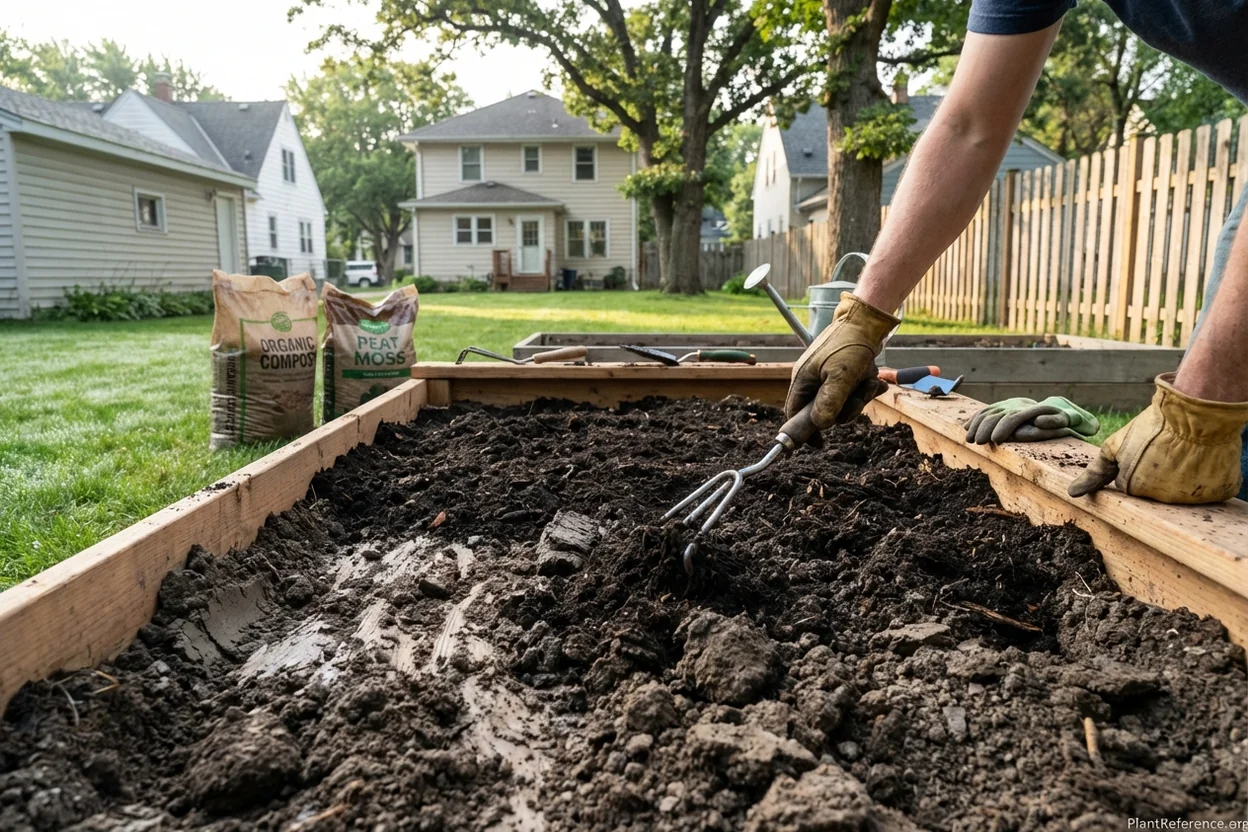
Soil Preparation for Minneapolis Gardens
Minneapolis's heavy clay soil presents drainage challenges that can kill lettuce faster than any frost. The clay retains too much moisture in spring, leading to seed rot and root diseases, yet it can crack and become hydrophobic during hot, dry summers.
Essential Soil Amendments:
Work 2-3 inches of compost into the top 8 inches of soil each spring
Add coarse sand (not fine sand) to improve drainage - about 1 inch per square foot
Create raised beds 4-6 inches high to improve drainage and warm soil faster
Test soil pH - lettuce prefers 6.0-7.0, and Minneapolis soil tends to be alkaline
Timing Soil Preparation: Work the soil when it passes the "squeeze test" - a handful of soil should crumble when squeezed, not form a mud ball. In Minneapolis, this typically occurs in mid-to-late April, but can vary by 2-3 weeks depending on spring weather patterns.
Seed Starting Techniques for Cold Conditions
Indoor Starting Setup: Minneapolis's unpredictable spring weather makes indoor seed starting essential for reliable lettuce production. Use a seed starting mix rather than garden soil, maintain temperatures between 65-70°F (18-21°C), and provide 14-16 hours of light daily using fluorescent or LED grow lights.
Hardening Off Process: This step is critical in Minneapolis where a warm April day can be followed by a near-freezing night. Begin hardening off transplants 7-10 days before planting by placing them outside during warm afternoons and bringing them in at night. Gradually extend their outdoor time until they can handle overnight temperatures above 35°F (2°C).
Watering Strategies for Minneapolis's Variable Weather
Minneapolis receives about 30 inches of annual precipitation, but it's unevenly distributed. Spring can be soggy while summer brings periods of drought. Lettuce needs consistent moisture - about 1 inch per week.
Irrigation Timing: Water early morning to allow foliage to dry before evening, reducing disease pressure. During Minneapolis's humid summers, wet foliage combined with warm nights creates ideal conditions for downy mildew and bacterial soft rot.
Mulching Considerations: Apply 1-2 inches of organic mulch around plants once soil warms to 60°F (16°C), typically late May in Minneapolis. Earlier mulching can keep soil too cool and slow growth.
Season Extension Techniques
Row Covers and Cold Frames: Lightweight floating row covers can extend the season 2-3 weeks on both ends. In Minneapolis, this means starting lettuce outdoors in early April and harvesting into mid-October.
Succession Planting Strategy: Plant three varieties with different maturation dates simultaneously: Mesclun (35 days), 🌿Lactuca sativa 'Red Oak Leaf' (50 days), and 🌿Lactuca sativa 'Buttercrunch' (60 days). This staggers harvest over 4-5 weeks from a single planting.
Troubleshooting Minneapolis-Specific Lettuce Problems
Growing lettuce in Minneapolis presents unique challenges that gardeners in milder climates rarely encounter. Understanding these problems and their solutions is essential for consistent success.
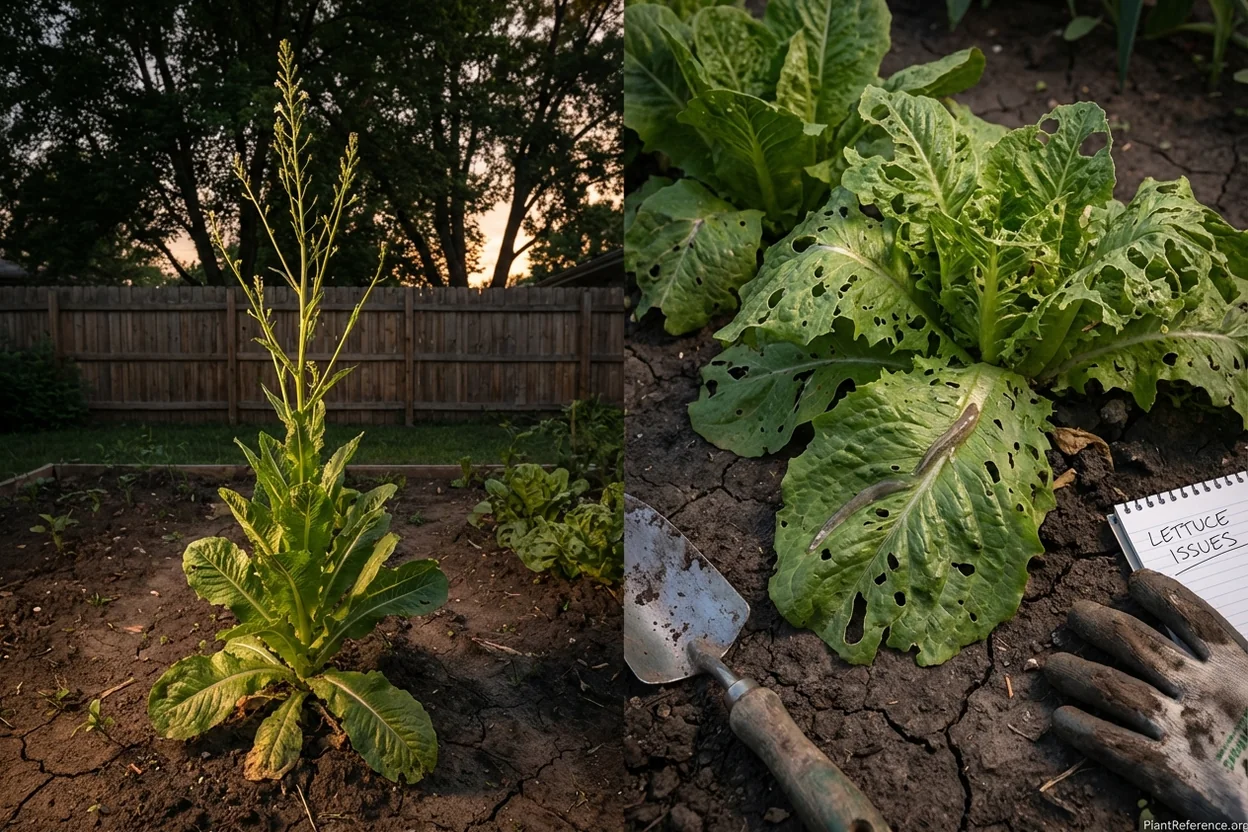
Temperature-Related Issues
Slow Germination in Cool Soil Minneapolis gardeners often see poor germination rates because our soil stays cold longer than air temperatures suggest. Even when air temperatures reach 70°F (21°C) in May, soil temperatures may still be in the 40s.
Solution: Use black plastic mulch or clear row covers to warm soil 2-3 weeks before planting. Remove covers once plants emerge to prevent overheating.
Premature Bolting Minneapolis's erratic spring weather - warm days followed by cold nights - can trigger stress responses that cause early bolting, especially in susceptible varieties like Iceberg.
Solution: Choose bolt-resistant varieties like 🌿Lactuca sativa 'Buttercrunch' and 🌿Lactuca sativa 'Red Oak Leaf'. Maintain consistent soil moisture and use shade cloth when temperatures exceed 80°F (27°C).
Disease Pressure from Humidity
Downy Mildew Minneapolis's high humidity, especially during summer nights, creates ideal conditions for downy mildew (Peronospora effusa). This fungal disease appears as yellow patches on upper leaf surfaces with gray, fuzzy growth underneath.
Prevention: Ensure good air circulation by proper plant spacing (6-8 inches apart). Water at soil level using drip irrigation or soaker hoses. Choose resistant varieties when available.
Bacterial Soft Rot Common during Minneapolis's hot, humid summers, especially following periods of heavy rain. Affects the crown and base of heading lettuces.
Management: Improve soil drainage with raised beds. Avoid overhead watering during hot weather. Remove affected plants immediately to prevent spread.
Pest Management in Zone 4a
Cutworms Particularly problematic for spring transplants in Minneapolis, as cutworms emerge from overwintering sites just as gardeners are setting out young plants.
Control: Create collar barriers around transplants using cardboard tubes or aluminum foil extending 2 inches above and below soil level. Remove after plants develop woody stems (about 3 weeks).
Slugs and Snails Minneapolis's cool, moist springs create ideal slug habitat. Particularly damaging to young seedlings and tender leaves.
Organic Management: Apply iron phosphate baits (Sluggo) around beds in early spring before damage appears. Hand-pick slugs during evening hours. Encourage natural predators by maintaining habitat for ground beetles and frogs.
Soil-Related Challenges
Clay Soil Compaction Minneapolis's heavy clay soil compacts easily, especially when worked too wet in spring. Compacted soil prevents proper root development and drainage.
Prevention: Never work clay soil when wet - wait for proper conditions even if it delays planting. Build permanent raised beds to avoid walking on planting areas.
Nutrient Tie-Up in Cold Soil Cold soil temperatures slow microbial activity, making nutrients less available even in fertile soil.
Solution: Apply liquid fertilizer (fish emulsion or compost tea) which is more readily available than granular fertilizers in cool conditions. Side-dress plants with compost as soil warms.
Harvest and Storage in Minnesota's Climate
Harvesting lettuce at peak quality and extending storage life becomes especially important in Minneapolis's short growing season. With limited harvest windows, making the most of each crop is essential.
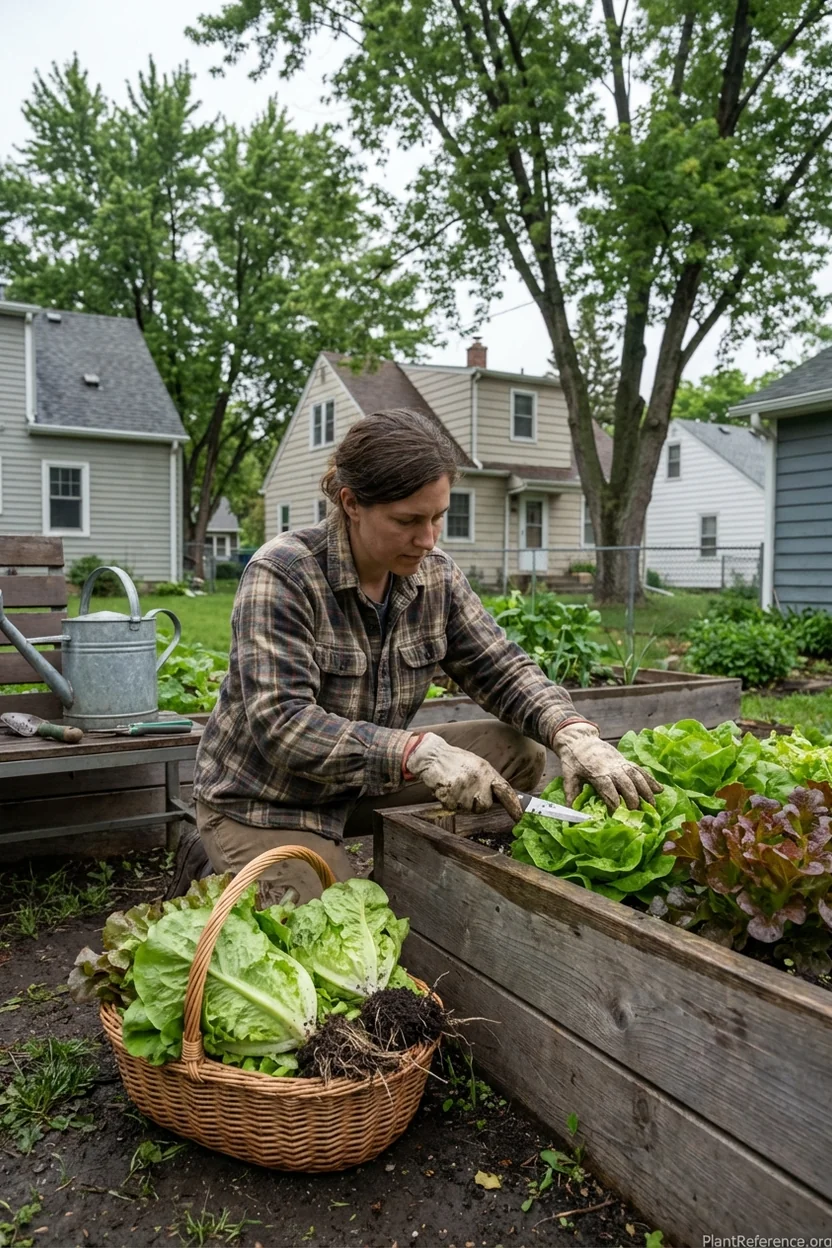
Optimal Harvest Timing
Morning Harvest Rule In Minneapolis's variable climate, always harvest lettuce in the early morning hours between 6-8 AM when plants are fully hydrated from cool night temperatures. Afternoon-harvested lettuce wilts quickly and stores poorly.
Maturity Indicators by Type:
Butterhead varieties (🌿Lactuca sativa 'Buttercrunch'): Heads feel firm when gently squeezed, outer leaves are 4-6 inches long
Looseleaf varieties (🌿Lactuca sativa 'Red Oak Leaf'): Outer leaves reach 6-8 inches, can begin harvesting at 4-5 inches for tender baby leaves
Romaine types: Heads are 6-8 inches tall with hearts beginning to fill in
Mesclun mixes: Harvest at 3-4 inches tall for optimal tenderness
Cut-and-Come-Again Harvesting
This technique is particularly valuable in Minneapolis's short season, extending harvests from a single planting for 4-6 weeks.
Proper Technique: Cut outer leaves 1 inch above soil level, leaving the central growing point intact. New leaves will continue emerging from the center for multiple harvests. This works best with looseleaf varieties like 🌿Lactuca sativa 'Red Oak Leaf' and 🌿Lactuca sativa 'Black Seeded Simpson'.
Storage Techniques for Minnesota Conditions
Immediate Post-Harvest Handling: Minneapolis's temperature swings mean lettuce must be cooled immediately after harvest. Rinse harvested lettuce in cold water and shake dry. Store in perforated plastic bags in the refrigerator at 32-35°F (0-2°C).
Extending Storage Life: Properly harvested and stored lettuce keeps 7-10 days. For maximum storage life, harvest before full maturity - slightly smaller heads store better than fully mature ones.
Freezing Preparation: While lettuce doesn't freeze well for fresh use, it can be processed into soups and smoothies. Blanch leaves for 2 minutes in boiling water, cool in ice water, drain thoroughly, and freeze in freezer bags for up to 6 months.
Fall Harvest Considerations
Fall lettuce in Minneapolis often experiences light frosts before harvest. Light frosts (28-32°F) actually improve lettuce quality by converting starches to sugars, creating sweeter, crisper leaves.
Frost Protection: Cover plants with row covers when temperatures drop below 25°F (-4°C). Properly protected lettuce can continue producing into late October in Minneapolis.
Final Harvest Strategy: When hard freezes threaten (typically late October), harvest all remaining lettuce regardless of maturity. Immature heads can be used for salads or cooking greens rather than losing the entire crop to freeze damage.
Frequently Asked Questions
Reading about plants and recognising them are different skills. These three build the second.
- Daily PlantIdentify the day’s mystery plant from a close-up photograph.
- Keyed OutWork a dichotomous key, lead by lead, to name a hidden specimen.
- Name That PlantName a specimen from botanical clues dealt hardest first.
Free to play, no account needed
Amanda came to gardening through an unexpected route—after developing chronic pain from rheumatoid arthritis in her late 20s, she started researching adaptive gardening techniques that would allow her to continue growing plants without aggravating her condition. Now based in Minneapolis, she writes about accessible gardening, raised bed designs for people with mobility challenges, and ergonomic tools that reduce strain. Amanda completed a certificate in sustainable urban agriculture and volunteers with a nonprofit that builds accessible community gardens. She grows vegetables, herbs, and flowers in waist-high raised beds she designed herself. Her writing focuses on practical solutions that work for real people with real limitations—whether that's arthritis, limited mobility, or just a bad back.