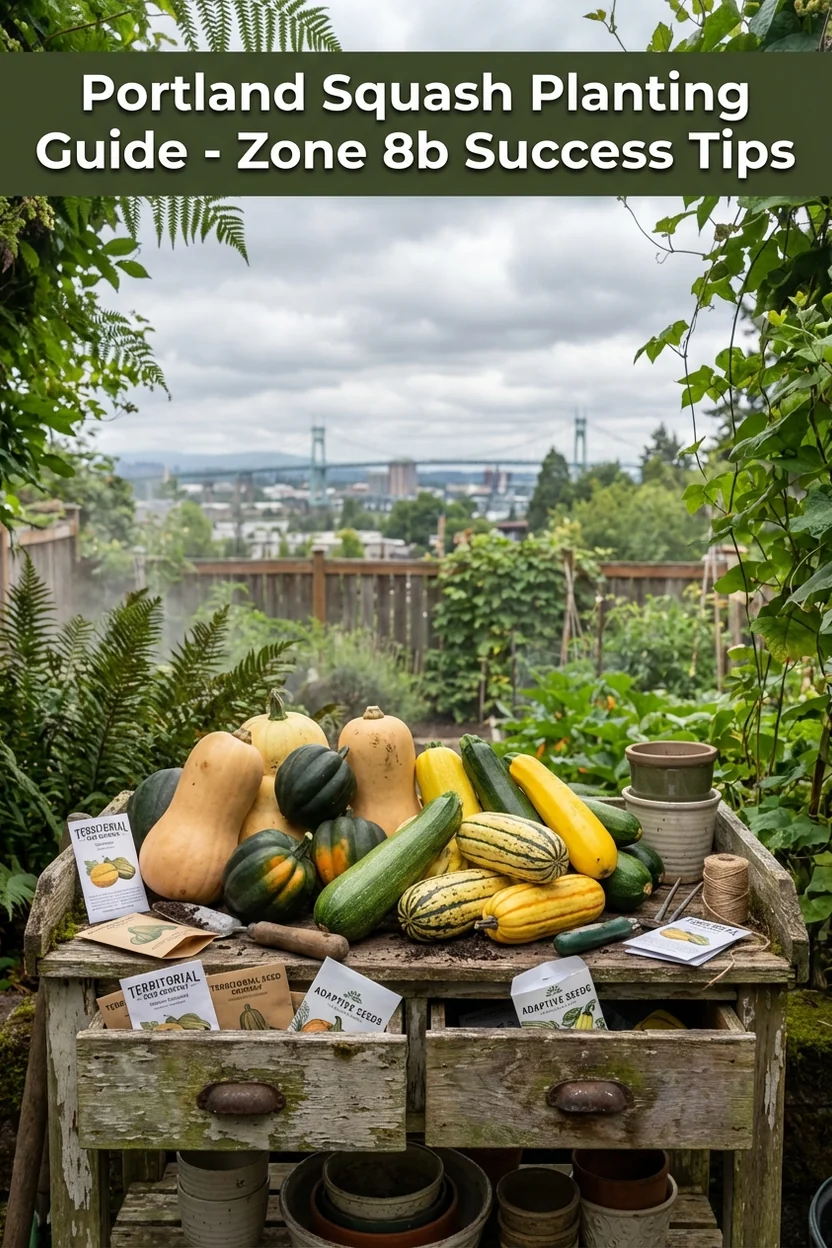
When to Plant Squash in Portland: Complete Guide + Best Varieties for Zone 8b
Pets & Toxicity
Recorded toxicity for plants linked in this guide. An unknown status is not a safety assessment.
No linked plant is recorded as toxicDetailsHide
Cucurbita pepo 'Black Beauty' — Toxicity
Non-toxic as an edible cropView Cucurbita pepo 'Black Beauty' plant profileCucurbita pepo 'Yellow Crookneck' — Toxicity
Non-toxic as an edible cropView Cucurbita pepo 'Yellow Crookneck' plant profile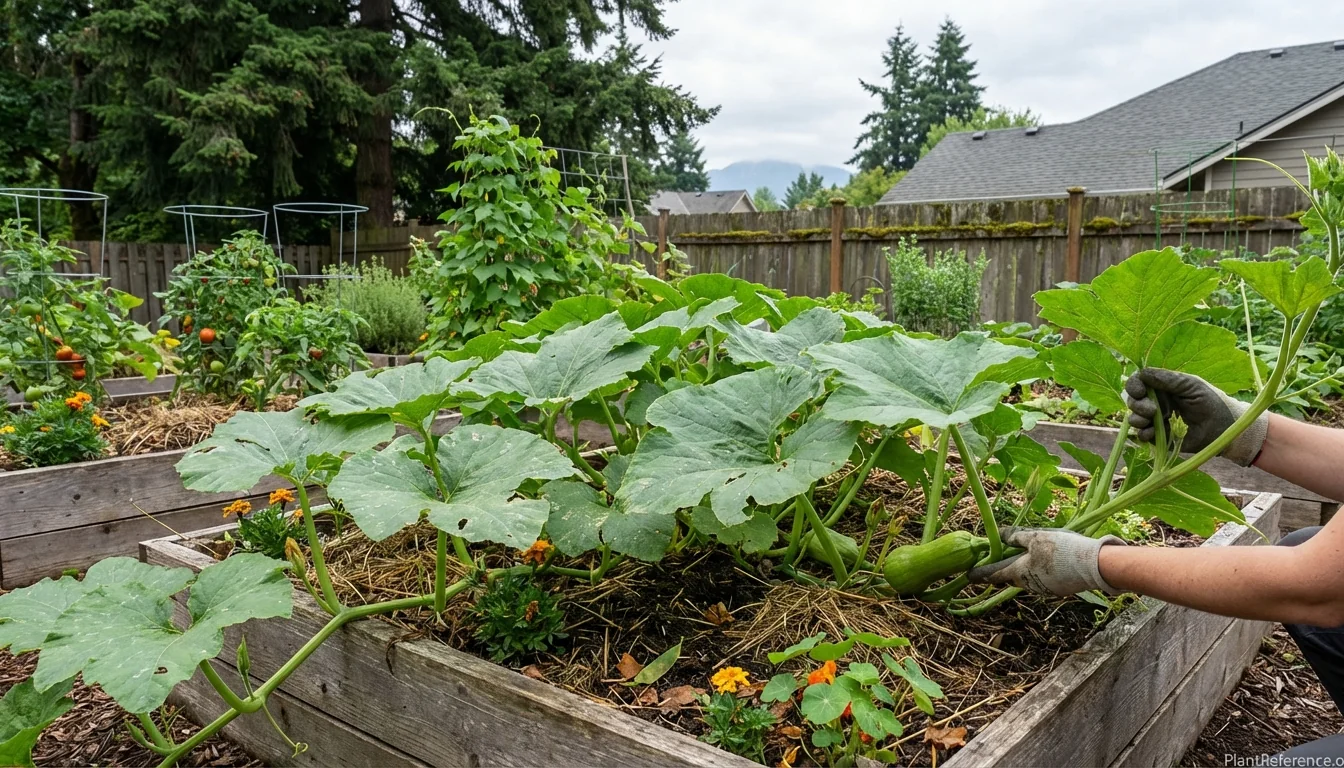
— Image © Plant Reference 2026
Portland's mild maritime climate and 235-day growing season make it one of the best cities in the country for growing squash. With your last frost around March 19 and first frost not until November 9, you can grow every type of squash successfully—if you choose the right varieties and timing.
Best Squash Varieties for Portland's Zone 8b Climate
Portland's unique climate presents both opportunities and challenges for squash growers. Your long, mild growing season is perfect for all squash types, but the Pacific Northwest's notorious humidity and frequent drizzle require careful variety selection to prevent powdery mildew and other fungal diseases.
The key to success in Portland is choosing varieties bred for disease resistance and cool, moist conditions. I've been growing squash here for over thirty years, and these varieties consistently outperform others in our climate.
Summer Squash Varieties for Portland
Summer squash thrive in Portland's conditions since they mature quickly before peak disease pressure hits in late summer.
Variety | Days to Maturity | Best For | Notes for Portland |
|---|---|---|---|
50-55 days | Quick harvest | Excellent mildew resistance, produces heavily through cool springs | |
50-60 days | Small spaces | Round zucchini, compact bush perfect for containers | |
55-60 days | Heat tolerance | Handles Portland's occasional hot spells better than green varieties | |
50-60 days | Continuous harvest | Scalloped edges, white or yellow, very productive in cool weather | |
60-65 days | Gourmet cooking | Italian heirloom with ribbed fruit, excellent flavor, good disease resistance |
Winter Squash Varieties for Portland
Portland's long season allows you to grow any winter squash variety, but focus on those with natural disease resistance and excellent storage qualities.
🌿Cucurbita moschata 'Waltham Butternut' (100-110 days) is my top recommendation for Portland. This variety was developed in Massachusetts for exactly these conditions—long, cool, humid seasons. The butternut's solid stems resist squash vine borers (though they're less common here), and the fruit stores 4-6 months.
🌿Cucurbita maxima 'Blue Hubbard' (100-120 days) actually prefers Portland's cooler summers to hot inland climates. These massive fruits (10-15 pounds) store beautifully through winter and have natural pest resistance.
🌿Cucurbita pepo 'Delicata' (100-105 days) is perfect for Portland's climate. The cream-colored fruit with green stripes has edible skin, eliminating the need for peeling. It handles cool, damp conditions well and produces reliably.
🌿Cucurbita pepo 'Acorn' (80-100 days) varieties like Table Queen mature relatively quickly and don't require the intense heat that butternut needs for sugar development.
Disease-Resistant Varieties Critical for Portland
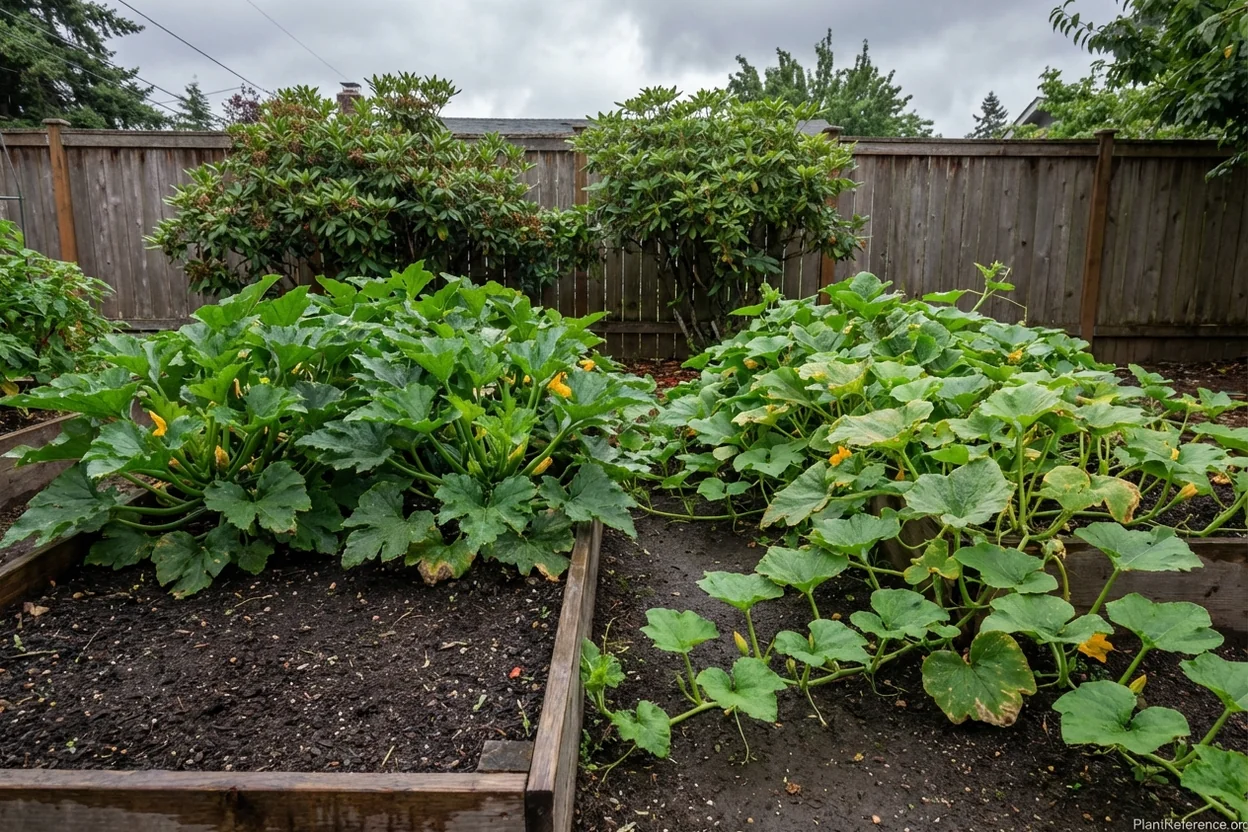
Portland's humid conditions make powdery mildew your biggest enemy. Always choose varieties specifically bred for mildew resistance:
PM Varieties: Look for "PM" in variety names, indicating powdery mildew resistance. Cucurbita pepo 'Dunja' and Cucurbita pepo 'Sebring' are excellent resistant summer squash.
Open Pollinated Options: Cucurbita maxima 'Burgess Buttercup' and Cucurbita moschata 'Pennsylvania Dutch Crookneck' show natural resistance developed through generations of selection.
Avoid highly susceptible varieties like standard Straightneck yellow squash and most giant pumpkin varieties unless you're prepared for intensive fungicide spray programs.
Specific Planting Dates for Portland Oregon
Portland's maritime climate means your planting schedule differs significantly from inland areas at the same latitude. Your proximity to the Pacific Ocean moderates temperatures, extending your season but keeping springs cooler longer.
Soil Temperature Requirements
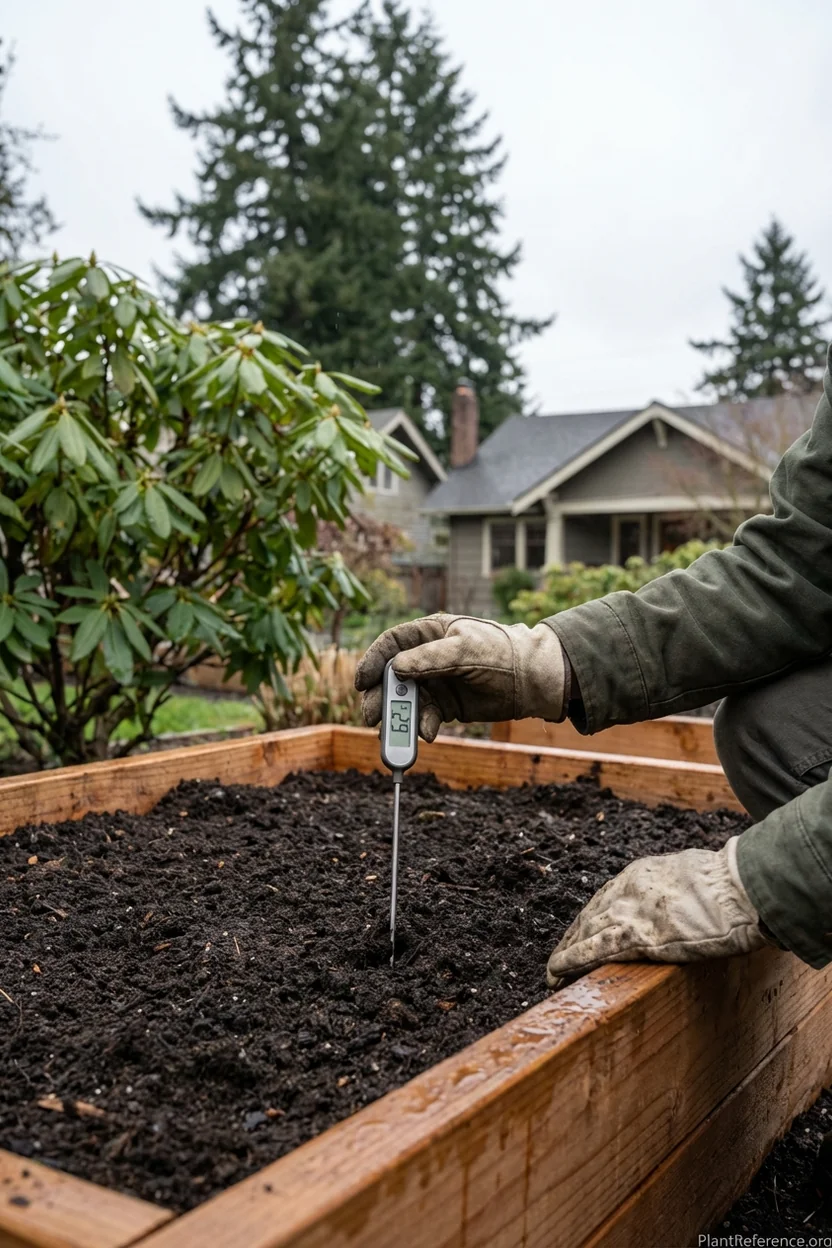
Squash seeds will not germinate in cold soil—they'll simply rot. Wait until soil temperature reaches 60°F consistently before direct seeding. In Portland, this typically occurs:
Sandy soils: April 10-15
Clay soils: April 20-25
Raised beds: April 5-10
Container soil: April 1-5
Use a soil thermometer inserted 2-3 inches (5-8 cm) deep at 8 AM to check temperature for three consecutive days before planting.
Direct Seeding Schedule for Portland
Summer Squash First Planting: April 15-May 1 Plant your main crop of summer squash after soil warms but while cool spring weather helps establishment. This timing provides harvest beginning in June.
Summer Squash Succession Plantings
Second planting: May 15-30
Third planting: June 15-30
Final planting: July 15
Each planting produces for 4-6 weeks before vine borer damage or disease pressure reduces productivity. Succession planting ensures continuous harvest through October.
Winter Squash Planting: May 15-June 15 Winter squash need 80-110 days to maturity, so count backwards from your November 9 first frost date. Plant butternut by June 1, shorter-season varieties like delicata by June 15.
Indoor Seed Starting Schedule
Starting seeds indoors gives you flexibility with Portland's unpredictable spring weather and extends your growing season.
Summer Squash: Start indoors March 15-April 1, transplant outdoors April 15-May 1
Winter Squash: Start indoors April 1-15, transplant outdoors May 1-15
Use biodegradable pots (peat, cow manure, or newspaper pots) since squash have sensitive taproots that resent transplant shock. Plant the entire pot to avoid root disturbance.
Fall Planting Strategy
Portland's mild falls allow a unique strategy—planting summer squash in July for fall harvest when most gardeners' plants have succumbed to pests and disease.
July 15 Planting: Seeds planted July 15 mature by early September and produce heavily through October and often into November. This avoids peak vine borer activity and reduces powdery mildew pressure.
Complete Growing Guide for Portland Squash
Success with squash in Portland requires understanding how your maritime climate affects plant behavior throughout the season.
Soil Preparation for Portland Conditions
Portland's clay-heavy soil requires significant amendment for squash success. These plants need excellent drainage combined with moisture retention—a challenging combination in your heavy soils.
Drainage Solutions:
Create raised beds at least 8 inches (20 cm) tall, or build mounds 12 inches (30 cm) high for winter squash
Heavy clay holds too much water during Portland's rainy springs, leading to seed rot and root problems
Organic Matter Addition:
Work in 2-3 inches (5-8 cm) of compost or aged manure each spring
Portland's cool, wet conditions slow decomposition, so organic matter lasts longer here than in hot climates
Add coarse materials like aged bark mulch to improve soil structure permanently
pH Management: Portland soils tend toward acidity (pH 5.5-6.0) due to high rainfall leaching minerals. Squash prefer pH 6.0-6.8. Add lime in fall if soil tests below 6.0, allowing winter rains to incorporate it slowly.
Spacing and Layout for Disease Prevention
Portland's humid conditions make proper spacing critical for air circulation and disease prevention.
Summer Squash: Space bush varieties 36 inches (90 cm) apart in rows 48 inches (120 cm) apart. This seems excessive but prevents the stagnant air that encourages powdery mildew.
Winter Squash: Vining varieties need 6-8 feet (180-240 cm) between plants and 8-10 feet (240-300 cm) between rows. Train vines to grow outward from prevailing wind direction to maximize airflow through the canopy.
Vertical Growing: Consider trellising smaller winter squash varieties like delicata and acorn. Vertical growth improves air circulation and makes harvesting easier in Portland's muddy fall conditions.
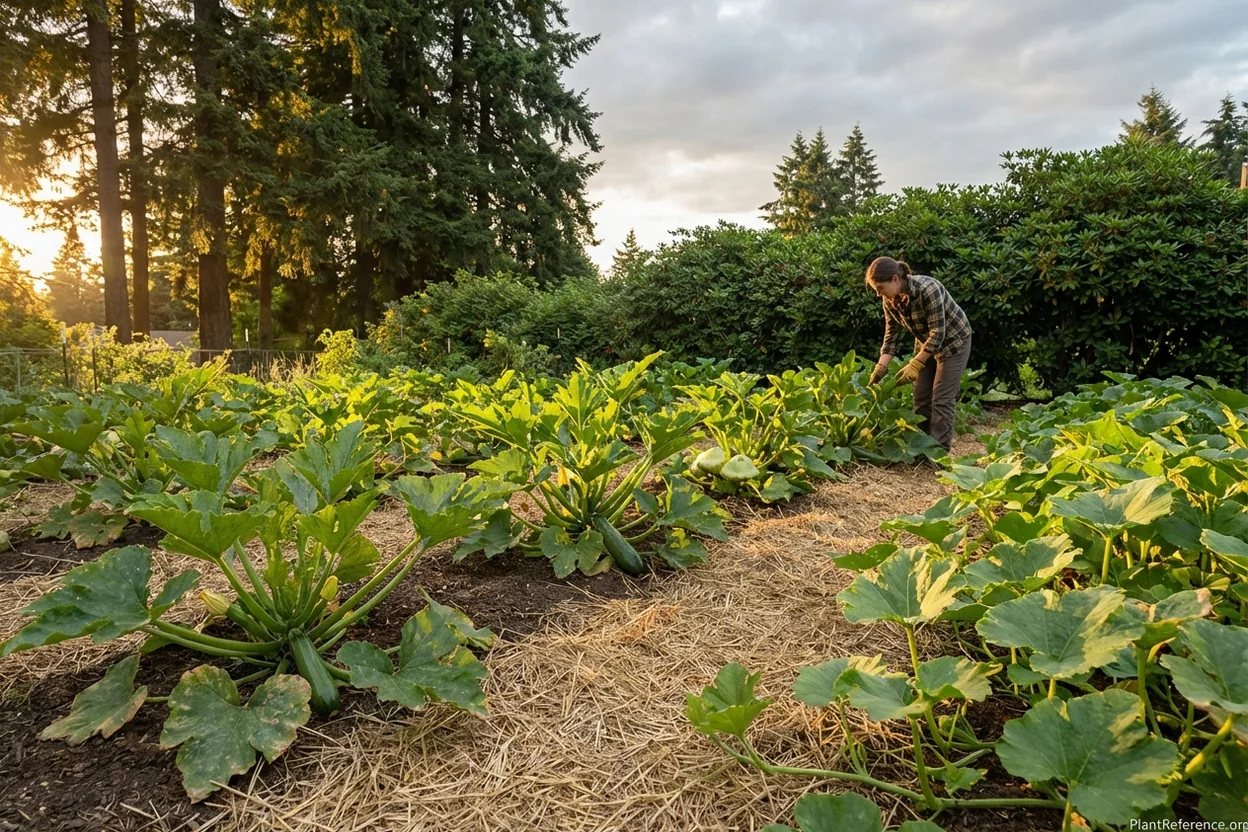
Irrigation Strategy for Portland
Portland's dry summers (July-September typically receive less than 3 inches total rainfall) require consistent irrigation, while spring and fall rains can cause overwatering problems.
Drip Irrigation Benefits: Install drip lines or soaker hoses to keep water off leaves. Overhead sprinklers wet foliage and encourage powdery mildew. Water at soil level maintains consistent moisture without creating humidity around leaves.
Seasonal Water Management:
April-June: Monitor carefully—natural rainfall often sufficient
July-September: Deep watering 2-3 times weekly, 1-2 inches (2.5-5 cm) total
October-November: Reduce watering as rains return; overwatering delays winter squash maturity
Mulching Strategy: Apply 3-4 inches (8-10 cm) of straw or grass clipping mulch after soil warms in May. This conserves moisture during dry summer months and prevents soil splash that spreads fungal diseases.
Fertilization Through the Season
Portland's cool soils slow nutrient release from organic matter, affecting fertilization timing.
Pre-Plant: Work balanced organic fertilizer (5-5-5) into soil 2 weeks before planting at 2 pounds per 100 square feet.
Early Growth (May-June): Side-dress with compost or fish emulsion every 3 weeks to support rapid leaf development.
Reproductive Phase (July-August):
Summer squash: Continue nitrogen feeding every 3 weeks for continuous production
Winter squash: Stop nitrogen feeding to encourage fruit development and ripening
Late Season (September-October): Avoid all fertilization to promote plant senescence and fruit maturity before frost.
Hand Pollination in Portland's Climate
Portland's cool, wet springs can reduce bee activity when squash begin flowering. Understanding pollination helps ensure fruit set.
Flower Biology: Male flowers appear first, followed 1-2 weeks later by female flowers (identifiable by miniature squash at flower base). Both types must be present and open simultaneously for natural pollination.
Hand Pollination Process:
Harvest fresh male flower in early morning (6-9 AM)
Remove petals to expose pollen-covered anther
Gently brush against stigma of female flower
Cover pollinated flower with small bag to mark successful pollination
When to Hand Pollinate:
Cool, rainy mornings when bees aren't active
Early in season before bee populations build
Any time you see female flowers but no developing fruit after 3-4 days
Troubleshooting Portland-Specific Squash Problems
Portland's climate creates unique challenges that require specific management strategies.
Powdery Mildew Management
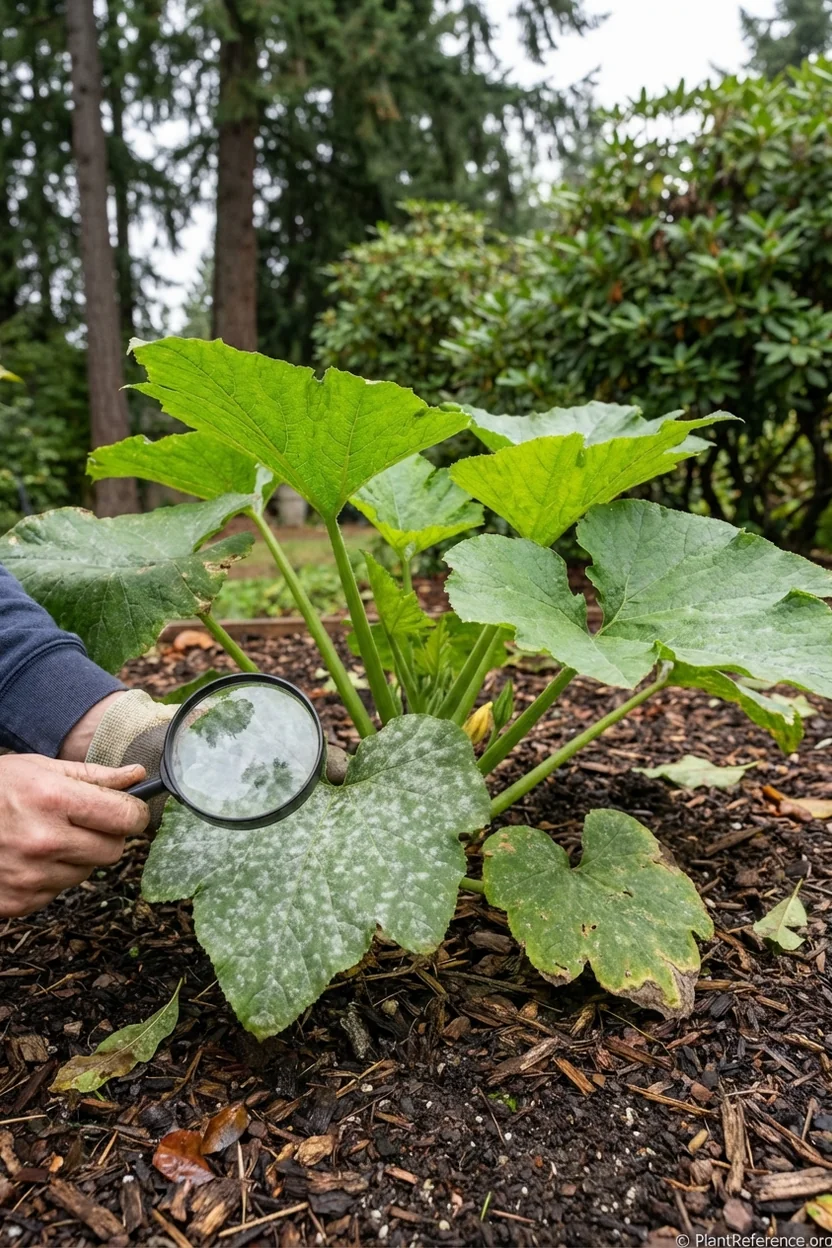
Powdery mildew is inevitable in Portland's humid late-summer conditions. The key is delaying its onset and managing severity.
Prevention Strategies:
Choose resistant varieties whenever possible
Ensure proper spacing for air circulation
Water at soil level, never on leaves
Apply preventive milk spray (1 part milk to 9 parts water) beginning in July
Early Treatment: At first signs of white powdery spots on older leaves, remove affected leaves immediately and dispose in garbage, not compost. Apply baking soda spray (1 teaspoon per quart water with drop of dish soap) weekly.
Organic Fungicides: Neem oil or potassium bicarbonate sprays provide better control than home remedies but require weekly application during humid periods.
Blossom End Rot in Container Growing
Portland gardeners often grow squash in containers due to heavy clay soil. Container growing increases blossom end rot risk due to inconsistent watering.
Prevention:
Use containers at least 20 gallons (75 liters) for summer squash, 30+ gallons (115 liters) for winter squash
Install drip irrigation or self-watering reservoirs for consistent moisture
Add calcium sulfate (gypsum) to potting mix at planting
Avoid high-nitrogen fertilizers that interfere with calcium uptake
Slug and Snail Damage
Portland's wet conditions create perfect habitat for slugs and snails that damage young squash plants and developing fruit.
Physical Barriers: Surround young plants with copper tape or diatomaceous earth rings. Reapply DE after rain.
Beer Traps: Shallow dishes of beer placed near plants attract and drown slugs. Empty and refill every 3-4 days.
Iron Phosphate Baits: Organic-approved slug baits containing iron phosphate (Sluggo) provide excellent control without harm to pets or wildlife.
Cool Summer Growth Issues
Some summers in Portland remain unusually cool and cloudy, slowing squash growth and reducing fruit set.
Heat Accumulation: Use black plastic mulch or Wall O'Water season extenders to warm soil and create microclimates around plants.
Site Selection: Plant against south-facing walls or fences that reflect heat and provide wind protection.
Variety Adjustment: In cool summers, focus on summer squash varieties that tolerate lower temperatures better than winter squash.
Managing Clay Soil Challenges
Portland's heavy clay soil can cause multiple problems for squash growing.
Drainage Issues: Clay soil holds too much water in spring, causing seed rot and root problems. Always plant in raised beds or mounds at least 8 inches (20 cm) high.
Compaction Problems: Never work clay soil when wet. Wait until soil crumbles in your hand rather than forming a ball before cultivating.
Soil Amendment Strategy: Add 2-3 inches (5-8 cm) of coarse compost annually. Avoid fine peat moss or sand alone, which worsens clay structure. Mix in aged bark mulch or perlite for permanent drainage improvement.
Harvest and Storage Guide
Portland's mild fall weather extends harvest season significantly compared to inland areas, but proper timing remains critical for maximum quality and storage life.
Summer Squash Harvest Timing
Summer squash quality deteriorates rapidly if left too long on the plant. In Portland's mild conditions, fruits can size up quickly during warm spells.
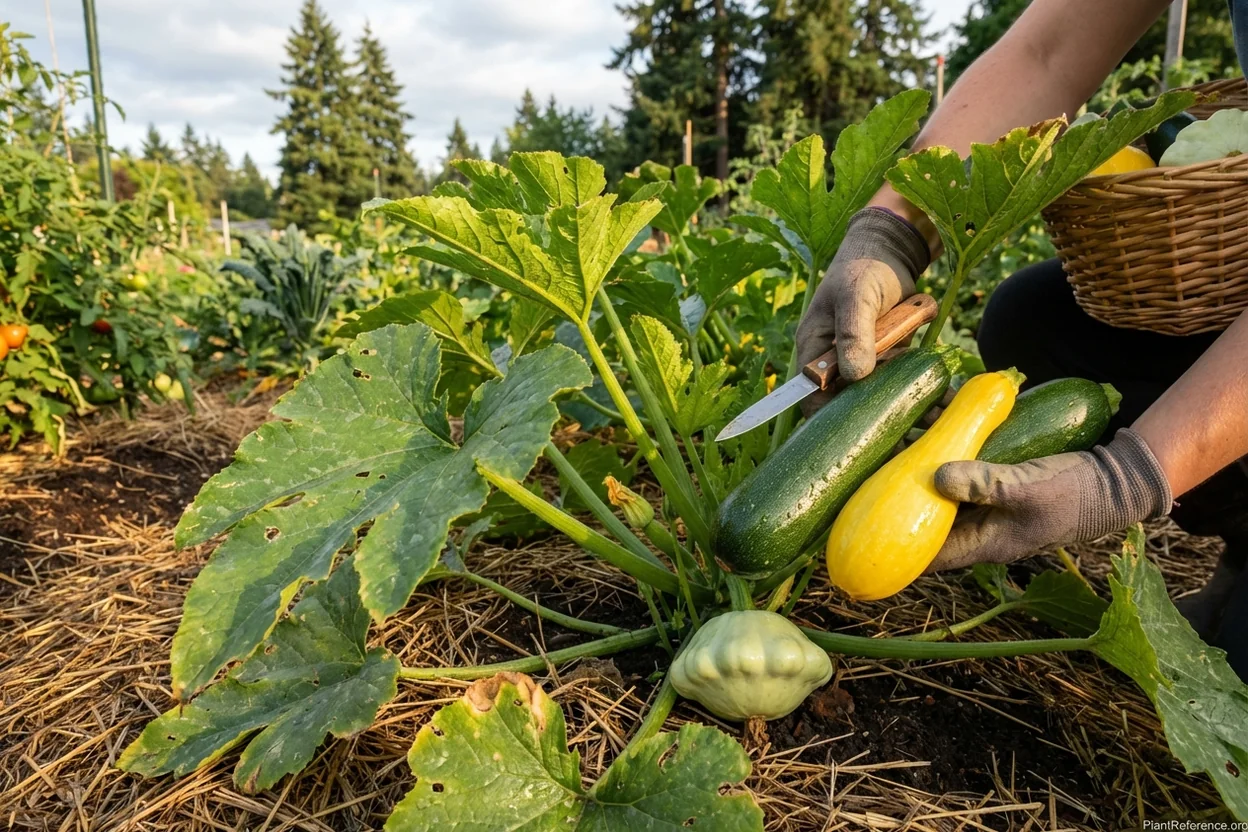
Zucchini: Harvest at 6-8 inches (15-20 cm) long when skin is glossy and easily pierced with fingernail. Check plants daily during peak production—fruits can double in size overnight during warm weather.
Pattypan: Pick when 2-3 inches (5-8 cm) across. Larger fruits become tough and seedy.
Yellow Crookneck: Harvest at 4-6 inches (10-15 cm) long. The characteristic warty skin becomes tough if fruits are oversized.
Continuous Harvest: Pick all mature fruits every 2-3 days to maintain production. Leaving overripe fruits on the plant signals the plant to stop producing new flowers.
Winter Squash Harvest Indicators
Portland's extended growing season allows winter squash to fully mature, but harvest timing affects storage quality significantly.
Visual Indicators:
Rind becomes dull (loses glossy appearance)
Stems become dry and corky
Ground spot (where fruit touches soil) turns from white to creamy yellow or orange
Physical Test: Rind should be hard enough that you cannot puncture it with your fingernail. Immature squash will not store properly.
Vine Senescence: Wait until vines begin dying back naturally, usually after several light frosts. In Portland, this typically occurs late October to early November.
Curing Process for Maximum Storage
Proper curing is essential for long-term storage of winter squash. Portland's mild, humid fall weather requires attention to curing conditions.
Curing Requirements: Cure winter squash at 80-85°F (27-29°C) with good air circulation for 10-14 days. This hardens the rind and heals harvest wounds.
Portland Curing Solutions:
Use garage with space heater and fan for air circulation
Sunny porch or greenhouse works during warm October days
Basement with dehumidifier and heat source
Acorn and Delicata Exception: Do not cure acorn squash or delicata—heat treatment reduces their quality. Store these immediately after harvest.
Storage Conditions and Duration
Portland's mild winter conditions make root cellar-type storage possible in many homes.
Optimal Storage:
Temperature: 50-55°F (10-13°C)
Humidity: 50-70%
Air circulation: Good ventilation prevents condensation
Light: Store in dark conditions
Storage Locations in Portland:
Unheated basement or garage
Closet in unheated room
Insulated shed or outbuilding
Under stairs or in pantry away from heat sources
Expected Storage Life:
Butternut: 4-6 months under proper conditions
Blue Hubbard: 5-7 months—excellent keeper
Acorn: 1-2 months maximum
Delicata: 2-3 months
Spaghetti: 2-3 months
Quality Monitoring During Storage
Check stored squash monthly for signs of deterioration.
Warning Signs:
Soft spots or sunken areas indicate rot beginning
Sweet smell suggests internal fermentation
Shriveling shows moisture loss and declining quality
Storage Management: Remove any squash showing deterioration immediately to prevent spread to healthy fruits. Use damaged squash first for cooking.
Portland's ideal growing conditions make squash one of your most reliable and productive crops. Focus on disease-resistant varieties, provide proper spacing for air circulation, and time your plantings to avoid the worst of summer's dry period and fall's return to wet conditions. With proper variety selection and timing, you'll harvest fresh squash from June through November, plus enjoy stored winter squash through the following spring.
Frequently Asked Questions
Reading about plants and recognising them are different skills. These three build the second.
- Daily PlantIdentify the day’s mystery plant from a close-up photograph.
- Keyed OutWork a dichotomous key, lead by lead, to name a hidden specimen.
- Name That PlantName a specimen from botanical clues dealt hardest first.
Free to play, no account needed
Sarah earned her doctorate in plant biology and spent time working in botanical garden education before transitioning to freelance writing and consulting. Now based in Portland, Oregon, she teaches plant identification workshops at local community centers and maintains a modest collection of over 60 houseplants in her small apartment. Sarah specializes in helping beginners understand plant science without the jargon—her approach focuses on practical observation over theory. She's killed her fair share of fiddle leaf figs and finally cracked the code on keeping them alive.